
Google’s “a” series of Pixel phones usually compares favourably to its standard lineup, boasting similar capabilities for a few hundred bucks less. But it’s a little different this time around.
While the Google Pixel 10 saw your stock-standard upgrades over its previous generation, the Pixel 10a is precariously close to being the same phone as last year’s Pixel 9a, barely seeing any updates between the two models. As such, when comparing the Pixel 10 and Pixel 10a, you’re almost comparing a 2026 flagship phone with a 2025 mid-ranger.
Sounds pretty easy – if only that year-old phone wasn’t so good to begin with…
Google Pixel 10a and Pixel 10 compared
| Pixel 10a | Pixel 10 | |
|---|---|---|
| Display | ||
| Size and type | 6.3-inch Actua pOLED | 6.3-inch Actua OLED |
| Resolution | 1080 x 2424 (422.2ppi) | 1080 x 2424 (422ppi) |
| Protection | Corning Gorilla Glass 7i | Corning Gorilla Glass Victus 2 |
Cameras |
||
| Main (rear) | 48MP, ƒ/1.7 aperture, 82° FoV | 48MP, ƒ/1.70 aperture, 82° FoV |
| Ultrawide (rear) | 13MP, ƒ/2.2 aperture, 120° FoV | 13MP, ƒ/2.2 aperture, 120° FoV |
| Telephoto (rear) | – | 10.8MP, ƒ/3.1 aperture, 23° FoV, 5x optical zoom |
| Selfie (front) | 13MP, ƒ/2.2 aperture, 96.1° FoV | 10.5MP, ƒ/2.2 aperture, 95° FoV |
Hardware |
||
| Chipset | Google Tensor G4 | Google Tensor G5 |
| Storage options | 128GB or 256GB | 128GB or 256GB |
| RAM | 8GB | 12GB |
Battery |
||
| Capacity and stated life | 5,100 mAh, 30+ hours |
4970mAh, 24+ hours |
| Wireless charging | Qi wireless up to 10W | Qi2 wireless up to 15W |
| Pixelsnap | No | Yes |
Price
Winner: Pixel 10a
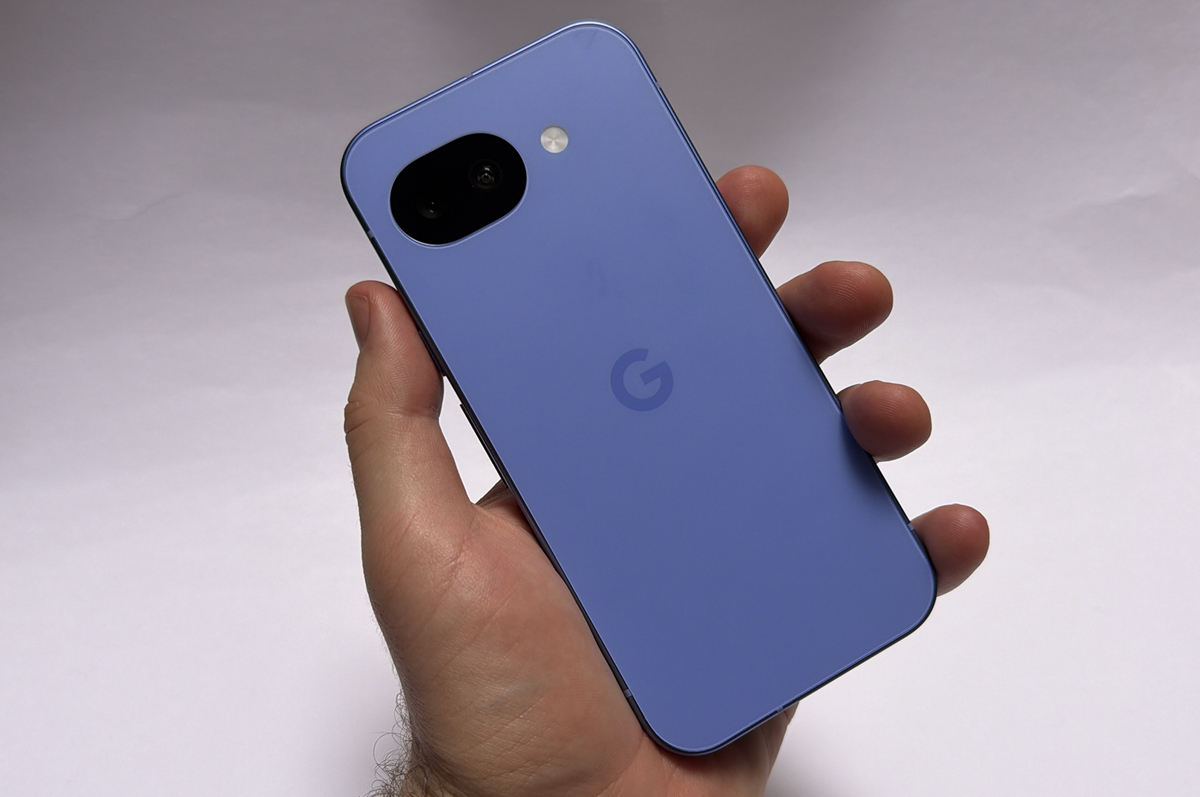
Whether you opt for 128GB or 256GB of storage, the equivalent Pixel 10a is $500 cheaper than the Pixel 10. In real dollars, a Pixel 10a will run you $849 for 128GB of storage or $999 for 256GB. The Pixel 10 starts at $1,349 for 128GB and is $1,499 for 256GB.
Both phones offer great value compared to their liked-priced competitors, but the Pixel 10a is hands down the winner when comparing the two, whether you buy it outright or on a plan.
If you’re after picking up your Pixel 10 or 10a as part of a mobile plan with a 12, 24 or 36-month repayment, both phones are only available from Optus and Telstra – Vodafone doesn’t offer either of them.
Here’s a look at the cheapest 36-month Pixel 10a plans from each provider:
Google Pixel 10a 128GB Plans

|
#1
|
Optus

$60 Optus Choice Plus Plan
$54.24/mth
Min. cost $887.88
|
|
#2
|
Telstra

$84 Essential Upfront Mobile Plan
$97.58/mth
Min. cost $922.88
Link not supplied
|

And these are the cheapest Pixel 10 plans:
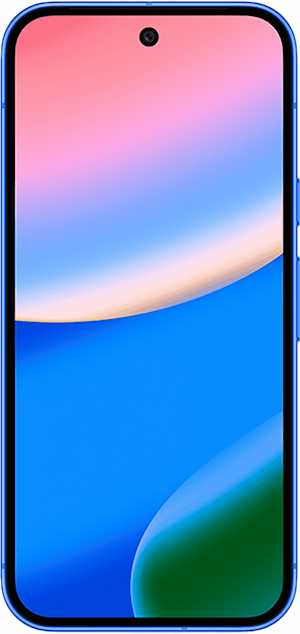
Google Pixel 10 128GB Plans
|
Optus
$60 Optus Choice Plus Plan
$76.46/mth
Min. cost $1,387.56
|
|
Telstra
$84 Essential Upfront Mobile Plan
$111.47/mth
Min. cost $1,422.92
Link not supplied
|
Camera
Winner: Pixel 10

Day-to-day, most people wouldn't have cause to notice much variance between the cameras on the Google Pixel 10 and Pixel 10a.
The Pixel 10 has a few extra behind-the-scenes features in terms of post-processing and AI features, but the biggest separation is its third rear camera, complete with telephoto lens and optical image stablisation (OIS). The lens allows up to 5x optical zoom, while OIS physically moves the lens to offer better stablisation.
Google Pixel 10 camera samples
Check out these camera samples taken on the Google Pixel 10. Click or tap on any photo to see a larger version.














Google Pixel 10a camera samples
Check out these camera samples taken on the Pixel 10a. Click or tap on any photo to see a larger version.











If you want to zoom in on a Pixel 10a, you’re generally taking the same photo as if you’d left it at normal zoom, but cropping out the bits you don’t want. The phone does its best to clean up the image, but no amount of processing power can compete with the real thing.
Aside from this, they both have matching 48MP main cameras and 13MP ultrawide cameras on the back. The selfie cameras are also similar, except for a smidge wider field of view from the Pixel 10a (96.1 degrees vs. 95 degrees).
Design
Winner: Pixel 10
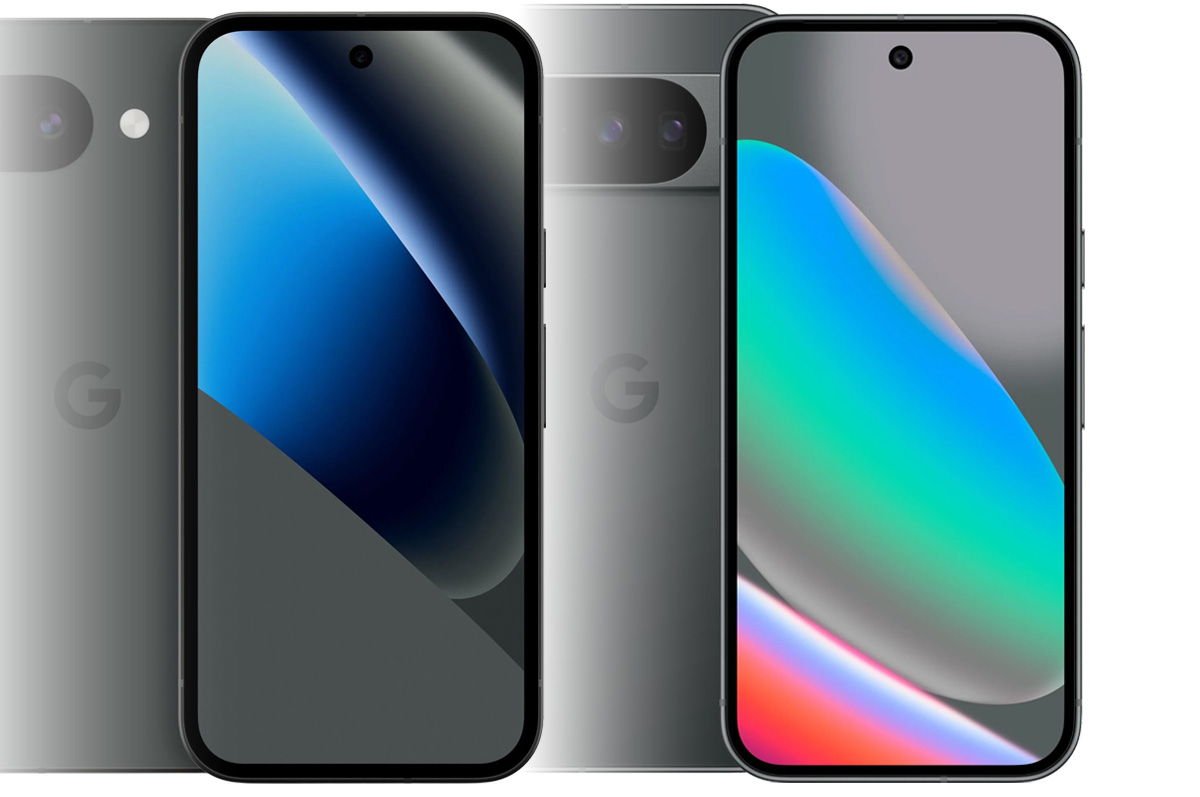
Both phones are IP68 water and dust resistant and are close in their physical dimensions. With these two objective measurements set aside, this category largely comes down to personal taste and needs.
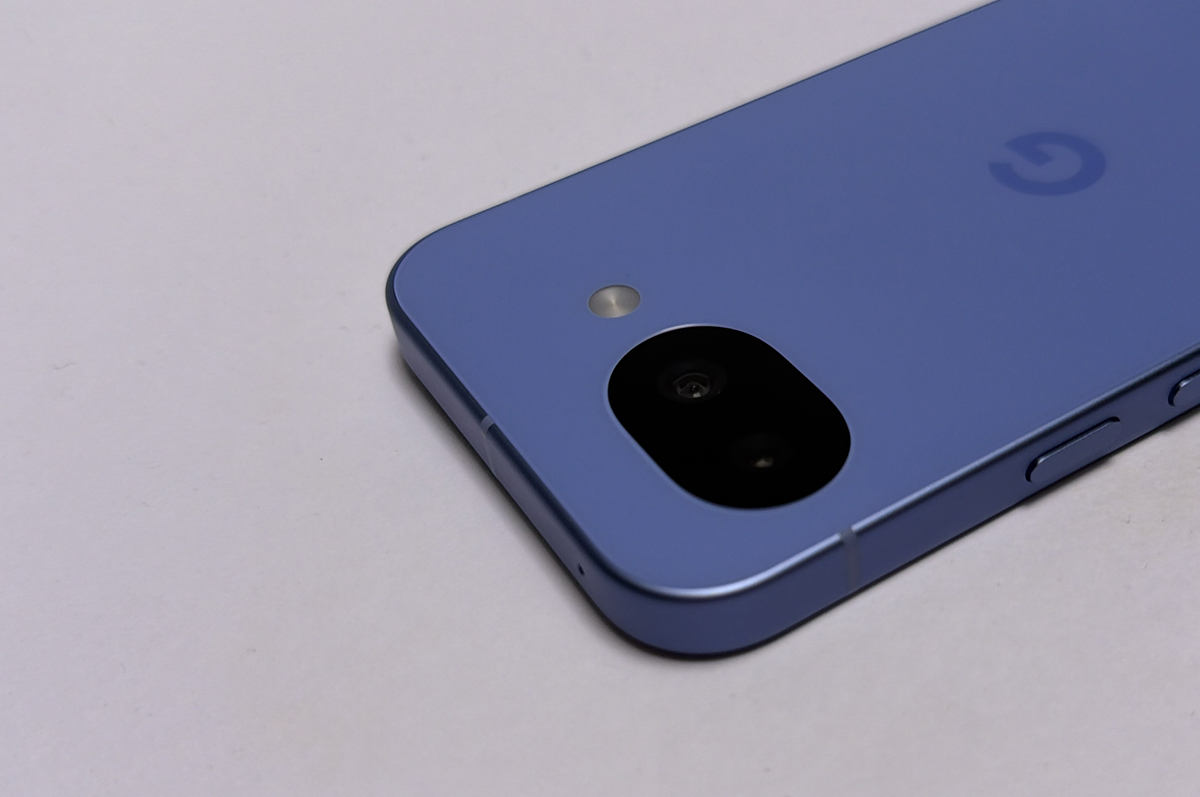
Looks-wise, the absence of a camera bump on the Pixel 10a is refreshing, especially given it doesn’t appear to sacrifice much by way of camera quality.
The Pixel 10 is made from more premium materials, most notably a glass rear panel. This provides a more pleasing feel in the hand, but it also adds weight and makes it less durable. (Plus, if you’re going to pop a case on your phone, noone’s going to see or feel much of it, anyway.) Not to be totally outdone, the Pixel 10a has comparable metal siding, so it doesn’t feel particularly budget when held.
The Pixel 10 has thinner bezels around its screen, which can act as a nice reminder you’re using a flagship device. This is a heated topic for some people but, honestly, by the time you put a case on it you mightn't even notice until you look for it. If you're curious, it's about 0.5mm for each bezel, meaning the Pixel 10a is about 1mm taller and wider, despite having the same 6.3-inch screen size.
Perhaps the biggest disparity is Pixelsnap – Google’s magnetic connector alternative to Apple’s MagSafe. The Google Pixel 10 is Pixelsnap compatible; the Pixel 10a is not. This means the Pixel 10 will work with a wide array of accessories, including various wireless charging stations and phone mounts, out of the box. You can add Pixelsnap compatibility to the Pixel 10a, but you need to buy a special phone case to do so.
Display
Winner: Pixel 10 (barely)
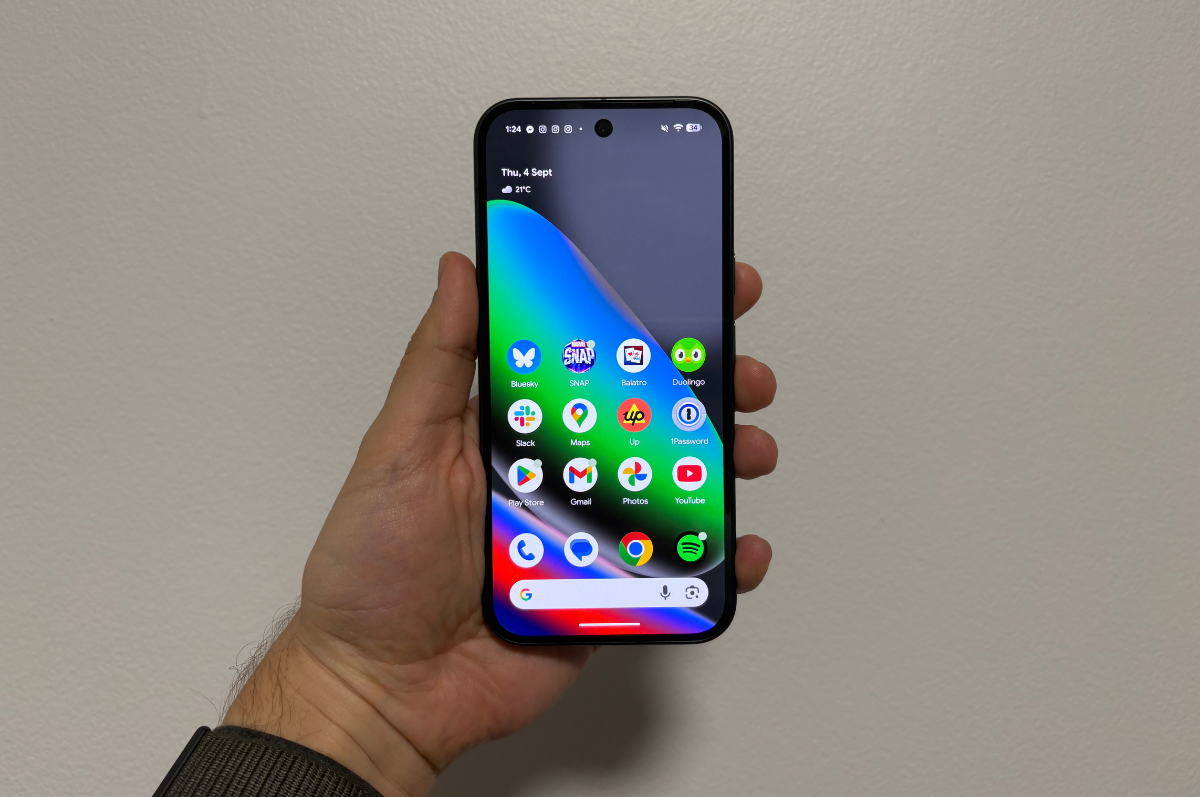
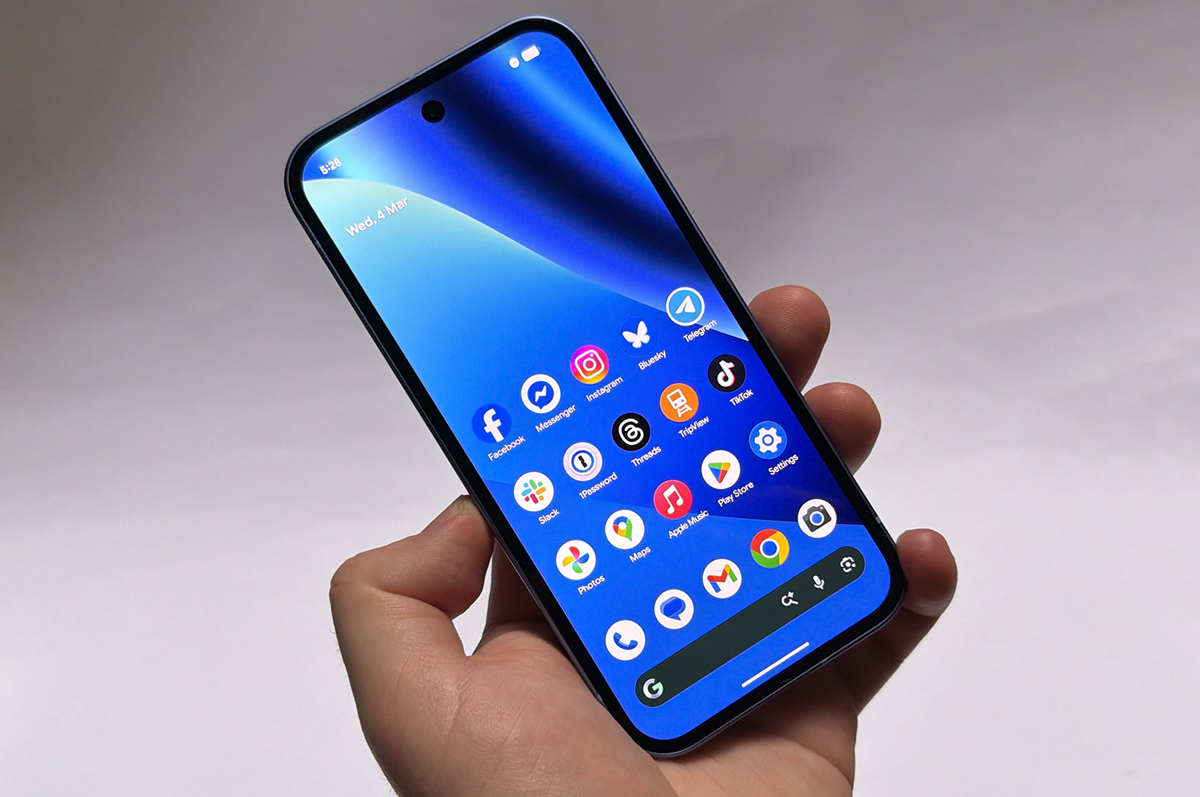
The Pixel 10’s display scrapes ahead on two technicalities: slimmer bezels and better protection.
Its surrounding bezels are a bit thinner, which makes it look and feel a bit higher end, despite making no functional contributions to the display itself.
It also has better damage protection thanks to its “Victus 2” Gorilla Glass, as opposed to the “7i” Gorilla Glass of the Pixel 10a. These two materials are equally scratch resistant, but Victus 2 should hold up better when impacting hard surfaces like concrete or tiles. That said, given the Pixel 10a is about 10% (20g) lighter than the Pixel 10, it doesn’t need quite the same impact resistance as its chonkier sibling.
Apart from that, the displays are close to identical. Both phones have a:
- 6.3-inch Actua display
- 1080 x 2424 resolution, delivering 422 pixels per inch
- maximum refresh rate of 120Hz
- peak brightness of up to 2,000 nits (HDR) and 3,000 nits (standard)
Performance
Winner: Pixel 10

The Pixel 10 comes running the new Tensor G5 chipset, whereas the Pixel 10a is still running last (and the previous) year’s Tensor G4. This is unusual for a Pixel “a” series and caused some controversy when the 10a was announced. The Pixel 10 also packs 12GB of RAM under the hood vs. the 8GB of the Pixel 10a.
This means the Pixel 10 can handle bigger tasks faster and more smoothly, though in reality most of the disparity is on paper or in benchmark scores.
For day-to-day tasks, and even heavy-duty gaming, we didn’t find much variation between the two handsets. Both are snappy, smooth, and have good thermal control. And really, what else do you need?
Battery
Winner: Tie
This is another category where your real-world experience of using either phone mightn’t be meaningfully affected by their minor divergences, but it’s worth going over.
The Pixel 10a’s battery is slightly larger than the Pixel 10’s (5,100 mAh vs. 4,970mAh) and has the advantage of less-demanding computational hardware. The end result is a claimed battery life of 30+ hours for the Pixel 10a and 24+ hours for the Pixel 10.
But if, like most people, you charge your phone nightly, all you need to know is you’ll be hard pushed to deplete either battery before bed time. In fact, we got comparable screen-on time out of both phones when we reviewed them – around six hours.
If you use wireless charging, you should know the Pixel 10a is only Qi-certified, whereas the Pixel 10 is Qi2-certified. What does this mean? The Pixel 10a’s wireless charging supports up to 10W vs. 15W for the Pixel 10. Basically, it charges a bit faster, but still not particularly fast.
The Pixel 10 also has built-in Pixelsnap, meaning it can magnetically connect to compatible wireless chargers. The Pixel 10a can only do this if you buy a case that works with both Pixelsnap and Qi wireless charging.
As for traditional wired charging via USB-C, Google has similar claims for each phone’s fast charging speeds: from zero to around 50% in 30 minutes.
Should you get the Google Pixel 10 or Pixel 10a?
Answer: Pixel 10a
While the Pixel 10 is superior in most categories, it’s usually only by a small margin or a niche feature. The difference isn't enough to make up for the $500 cheaper price tag on the Pixel 10a, despite this phone's lack of upgrades year-on-year.
That said, if you’re still keen on the Pixel 10, it’s by no means bad value – you’d be hard pressed finding another phone of this calibre for around $1,349. Just make sure you’re truly happy to spend that extra $500 for the comparatively small benefits.
Alex Angove-Plumb
Digital Content Editor

Related Articles


