
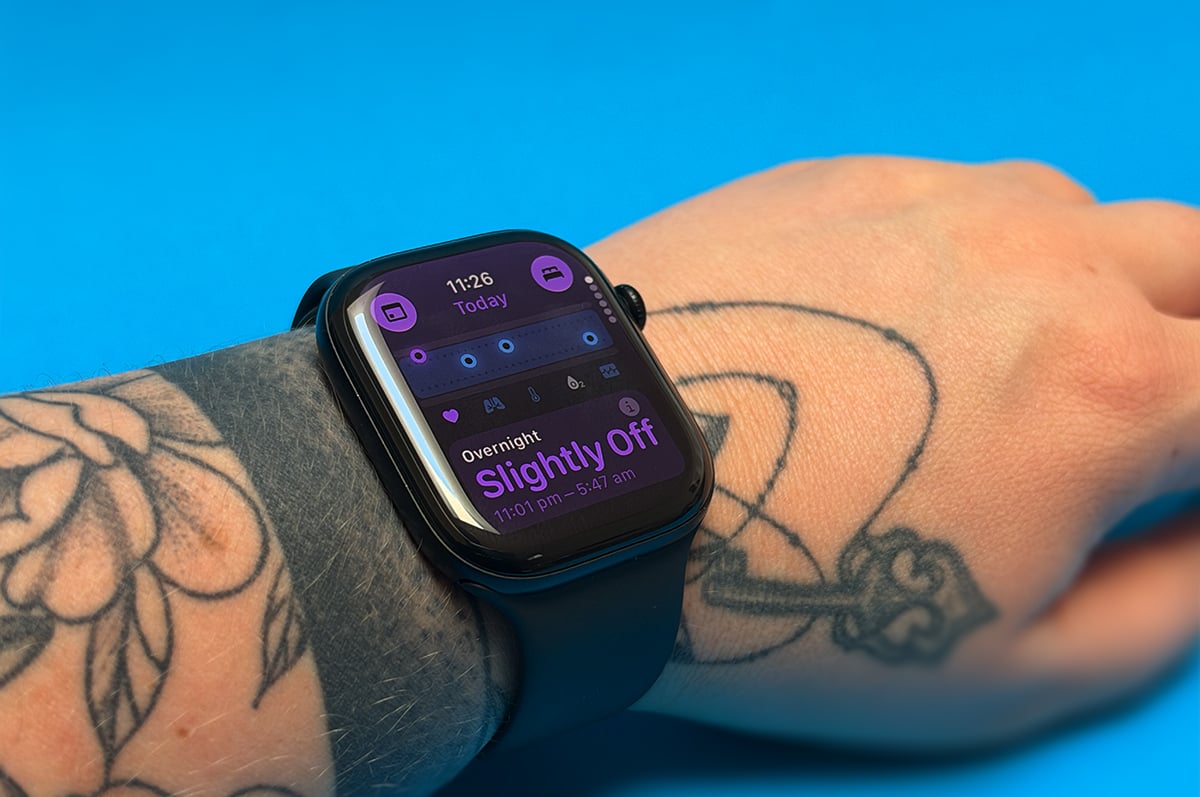
- Readiness
- Can wear it looser without compromising your data
- Better, actionable insights
- Battery life
Apple Watches are taking an increasingly balanced approach to health and fitness. Just a few years ago a watch that looked almost identical to the Series 12 would push its wearer to close its rings everyday, disregarding any other metrics it had at its disposal. Had a bad night’s sleep? Too bad. Increased heart rate this week? Seems like you could do with some steps buddy.
Wearables, and particularly fitness trackers are the biggest tech innovation in the wellness space. Similar to the likes of apple cider vinegar, they have been touted as an all-in-one solution, while the details of their research and proprietary algorithms have remained opaque. As long as you hit your goals, or take a swig of ACV, you’re on the path towards health.
Now, Apple is continuing its swing away from wellness and into a more holistic health space. Not holistic in the incense and musk sense, but by taking a wider look at the wearer’s vitals and recovery on a whole. It is refreshing, and by all measures a healthier approach. We’re human beings, not binaries, and health has a lot of nuance.
As someone who abhors wellness trends, and has looked at wearables with the same tepid enthusiasm, the Apple Watch Series 12 feels like a massive leap forward. For anyone who has trouble listening to their body, the latest Apple Watch can now be trusted to listen for you.
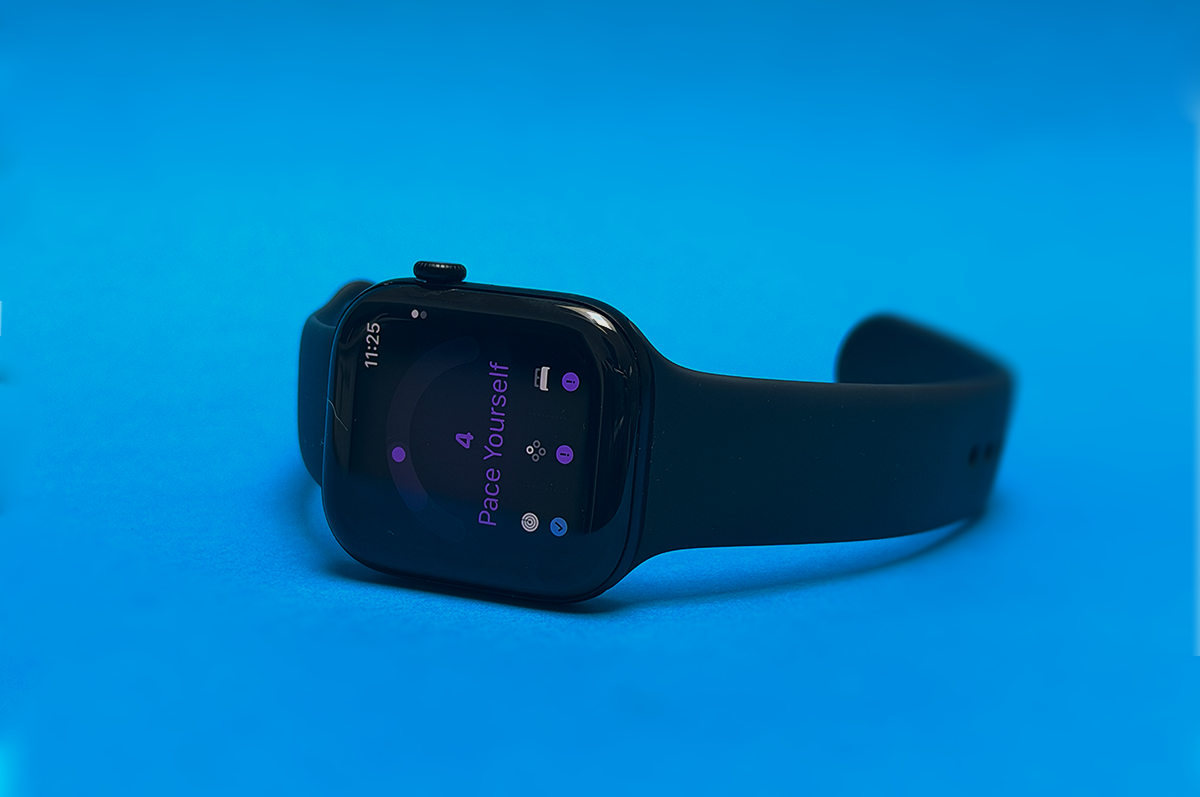
This listening is primarily done through the new Readiness Score, which is reminiscent of what Whoop offers. The score takes into account your key vitals, sleep score, and exercise intensity, and assigns you a mark out of 10 to indicate how “ready” you are to take on the day. Your score is based on your personal baseline - which takes five days of overnight data to initially gather - so the recommendations are wholly your own. My partner’s recovery HRV is much higher than mine, and so is his average sleep score, but we both score a seven most mornings because apparently I can thrive under pressure.
These scores are definitely more of a guide than something to dictate your life. I have woken up on a five and gone on to hit multiple PBs in the gym, and glide through my day with the ease of someone who has birds dress them in the morning, while I might claw my way through a seven day. Apple’s Readiness Score isn’t a replacement for your own senses, but it can be a handy tool for the days when you’re not so clued into your own body.
It should also become more useful when Apple rolls out the Health app redesign. This redesign promises to give actionable insights based on changes in your health data. Readiness’ current iteration gives you a taste of this, with a couple of sentences telling you what is impacting your score and giving you suggestions like “see how you’re feeling before doing any big workouts today”.
Right now it is surface level, but I'd love to see deep integration across apps. I could see it pulling data from my lifting app, my calendar, and all my health metrics and creating contextual suggestions. Something like:
“Anula, you’ve got drinks with the girls on Friday, and your nephew’s birthday is on Saturday morning. Your vitals are usually off after late night events, and your period is due on Sunday. I suggest a short outdoor walk instead of lifting weights on Saturday afternoon.”
With the way contextual Siri AI is headed, I don’t feel like this is outside the realm of possibility, and it would take the holistic approach that step further.
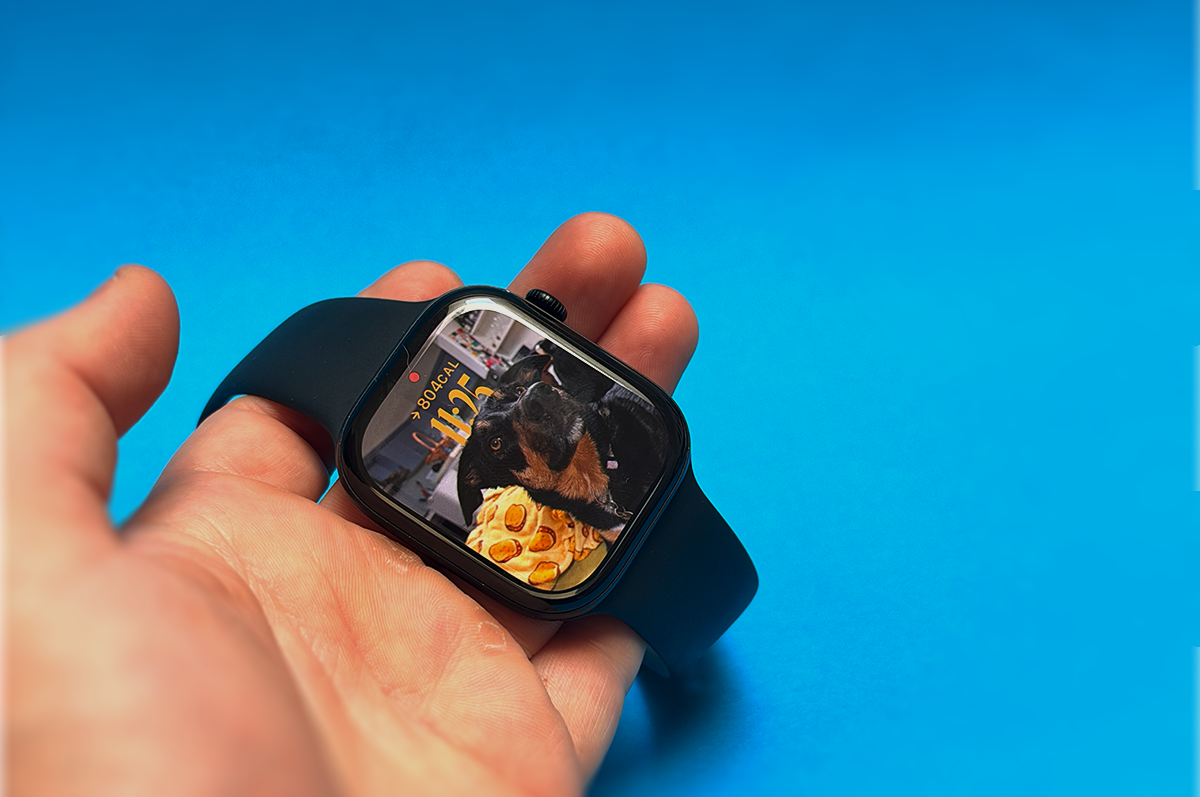
While the Readiness Score heads in the right direction, the lack of extra battery life does throw a spanner in the works. The latest Apple Watch still sits at 24 hours of battery, and when you need to wear it overnight to get the most out of the device, that timeframe becomes rigid. A 15 minute charge will get you an extra 12 hours, so it isn’t hard to find some time in the day to pop it on the charger, but it is uncharacteristically unambitious for Apple. Especially when you compare it to the Apple Watch Ultra which got another bump in battery life this year. Software optimisations while using GPS do make for better battery efficiency during outdoor workouts, but that isn’t the same as actually moving the needle.
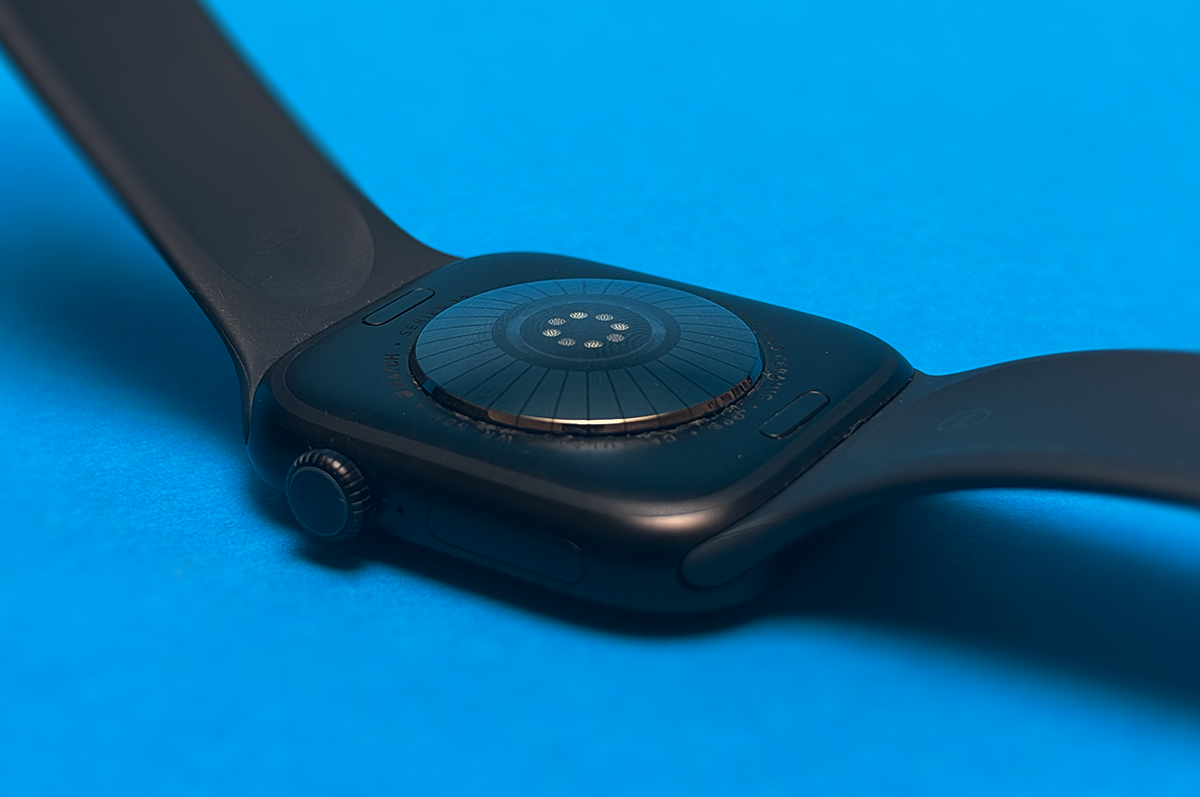
Battery aside, the Apple Watch Series 12 does offer a handful of improvements from last year's model. The redesigned Health Sensing System and the S11 chip provide more frequent heart rate tracking, and are more accurate even if the watch is loose or the body is in motion. I wear my watch quite loose because the strap irritates my skin, and I noticed a sharp change in my calorie burn estimates. Where my usual morning workout used to track at around 600 calories, it is now closer to 700. As with any tracker, you’ve got to take this with a grain of salt, but the change is notable.
There is also a new pedometer model, which Apple’s internal testing found to be the most accurate against industry-leading smartwatches available in mid-2026.
More broadly there is the new Siri AI which is available on all watchOS 27 models, which pulls from your personal context across your devices. More is allegedly coming later this year, like Live Rewind which shows you what was said over the last 15 seconds, and Siri Recap which will generate summaries of conversations for you. Neither of these are available just yet, so I can’t speak to them, but I’m hopeful a more contextual Siri will lead to better, actionable insights.
Apple Watch Series 12 – Final Thoughts
Every new health and fitness feature Apple brings to the Apple Watch makes it easier to have a healthy relationship with the device. Allowing for rest days was a hop, and now actively encouraging them is a skip and a jump. While the wellness industry thrives on pointing out what you’re not doing, there is extreme value in encouraging people to slow down when it is needed.
A few years ago your Watch might have pushed you to move when you couldn't, but now a number between 1 and 10 might just persuade you to take it easy. I don’t think the Apple Watch Series 12 can rewrite your relationship with your body, but I do think it can give users permission to be more gentle with themselves. For people who struggle with knowing when to take a break, this little gadget could change your life.
Anula Wiwatowska
Offsite Editorial Lead | Instagram

Related Articles


