

The Google Pixel 10 is a great flagship device, but it very much falls more in the category of "nice to have" than "must have".
- Great cameras
- Beautiful design is still beautiful
- All-day battery life
- Magic Cue
- Lots of AI bloat
- Pretty iterative update
Nine main series Pixels later, and Google's latest mobile phone, the Pixel 10, is here. As we've come to expect from flagship phones (and certainly base models) in recent years, it's an iterative update rather than a big splash.
With a few standard under-the-hood improvements and a big focus on new AI features, there's thankfully been no price increase from the Pixel 9 to the Pixel 10.
If you were expecting a big spectacle to celebrate the 10th version of Pixel, you'll be disappointed, but what has eventuated still delivers on the promise of a flagship device.
Google Pixel 10 128GB Plans
|
Optus

$60 Optus Choice Plus Plan
$76.46/mth
Min. cost $1,387.56
|
|
Optus
$69 Optus Promo Plan
$106.46/mth
Min. cost $1,417.56
|
|
Optus
$70 Optus Choice Plus Plan
$107.46/mth
Min. cost $1,418.56
|
|
Telstra

$84 Essential Upfront Mobile Plan
$111.47/mth
Min. cost $1,422.92
Link not supplied
|
|
Telstra
$74 Basic Upfront Mobile Plan
$111.47/mth
Min. cost $1,422.92
Link not supplied
|
|
Telstra
$99 Premium Upfront Mobile Plan
$121.47/mth
Min. cost $1,432.92
Link not supplied
|
|
Optus
$90 Optus Choice Plus Plan
$127.46/mth
Min. cost $1,438.56
|

Display and design

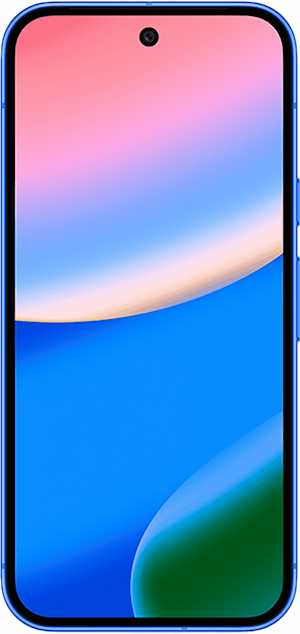
The Pixel 10 retains its bold new look that debuted with last year's Pixel 9, including the distinctive new camera bar. There are a few small differences, but hardly the kind that will be bothersome. The SIM tray has migrated to the top of the device, and with the addition of a new telephoto lens, Google has squeezed in a third camera into the aforementioned bar. It doesn't take up any more space horizontally but is ever so slightly bigger top to bottom, so you'll need a new case for your Pixel 10.
In terms of screen real estate, we're still working with a 6.3-inch 1080p display with a 120Hz refresh rate, but it's slightly brighter this year. It's still as smooth and crisp as ever. For a small phone, it's still quite dense – if you're looking for something lightweight, the Pixel 10 might not be it. After stuffing in an extra camera and a larger battery, the Pixel 10 is a few grams heavier now, and heavier than a larger phone like the iPhone 16 Plus.
With the Barbie movie now well-cycled out of the zeitgeist, Google has said goodbye to Peony pink in favour of Limoncello yellow, Indigo, a bright blue and Frost, a purplish white which replaces the usual Porcelain white colourway. Obsidian black is still around for those working with an all-black tech aesthetic.
Overall, the Pixel 10 is still one of the better, bolder-looking smartphones in the market, looking and feeling every bit as premium as it should.
Performance and battery life
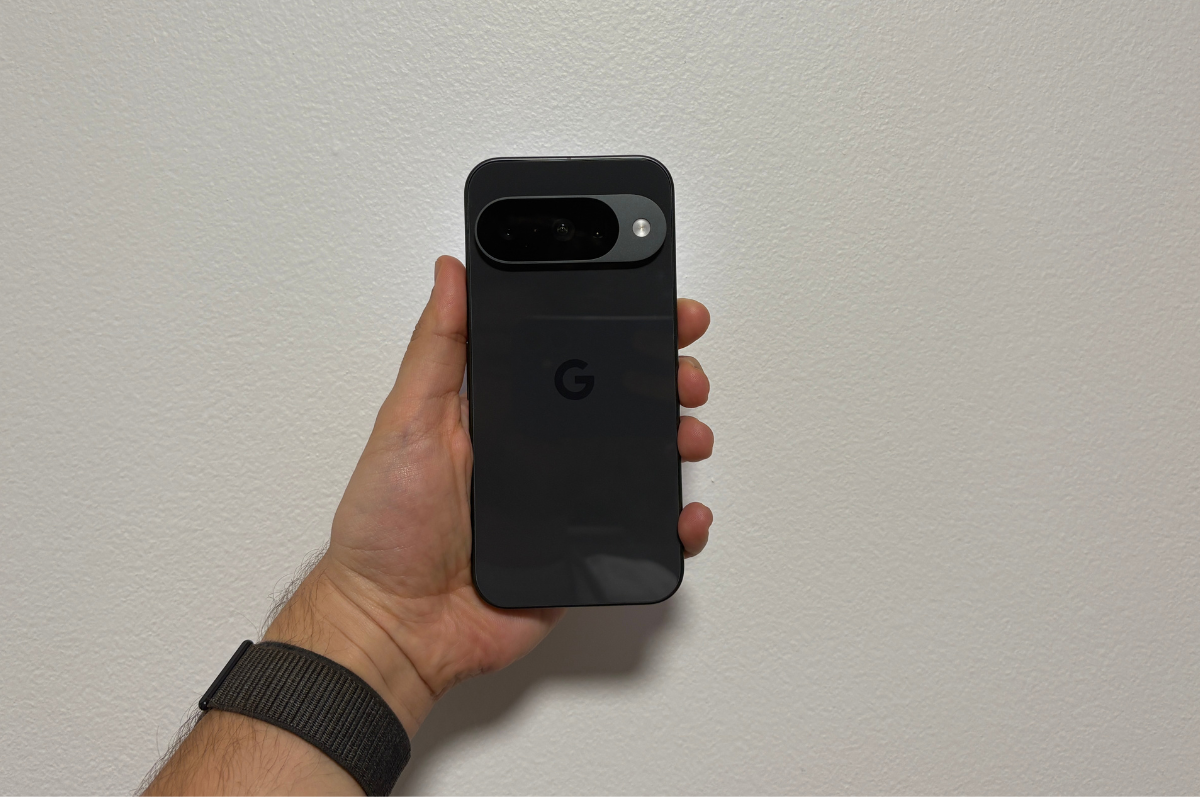
Under the hood, the Google Pixel 10 gets the new Google Tensor G5 processor to power some of its AI enhancements. Google says the Tensor G5 has 34% faster CPU performance on average than last year's devices, but with day-to-day use, it didn't feel like too noticeable a difference. The Pixel 10 remains as zippy as ever with no issues. An upgraded top speaker gives a fuller sound when playing music out loud, or especially when playing a game.
Mobile games like Marvel Snap, Balatro, and Genshin Impact ran smoothly. Even after close to an hour of continuous play with the latter and I barely registered any heating and no noticeable drain on battery life.
The Pixel 10 has received another incremental update in battery life from 4,700mAh to 4,970mAh. But that didn't necessarily translate to more screen time, not that that's an issue. I still managed to get up to six hours of screen time on a single charge with regular usage. The Pixel 10's battery will certainly get you through the day and then some.
It supports 30W fast charging (with a charger sold separately, of course). If you're not using a fast charger, it'll take much longer to get a full charge, around two hours to get from 10% back to full charge. Not bad at all with the battery life, and the device's onboard charge time predictions are spot on.
The big new change here is that Pixel now supports Qi2 15W magnetic wireless charging. This is similar to Apple's MagSafe, but Google is calling it Pixelsnap. It's universal, so while Google has released a bunch of Pixelsnap accessories, you're welcome to use any existing MagSafe products too. This includes wallets, chargers, you name it.
We need to talk about the AI of it all. This year, Google has dropped a few interesting AI tools such as Magic Cue, Daily Hub, Take a Message and Live Translate. It's the first one I was most excited for, as it could be really good – Magic Cue is supposed to surface information you might need in related contexts. Unfortunately, "could" was the operative word.
For example, when a friend texted to ask if I had Saturday night plans, Magic Cue prompted me to view my calendar, but it didn't pull in the information for a booking I already had in my calendar. It's a great concept, but it relies on you to be on the native Google Messages app and to be asked the right questions.
In our review of the Pixel 10 Pro XL, when calling about a Qantas booking, Magic Cue at first pulled in a Crikey article that mentioned Qantas. When it found the correct booking information a few days later, it hallucinated the flight times. It also hallucinated things like the wrong phone number for a contact.
Magic Cue feels like the right direction for Google to be heading in for useful AI features, but they've failed to fully materialise this time around.
Some of these new AI features appear not to be available to all users just yet. I got to be part of someone else's Live Translate conversation, but despite downloading the language packs, Live Translate has yet to appear as an option during any of the calls while I was reviewing the device. Much like my Live Translate troubles, the Daily Hub (a briefing pane with an overview of your day) and Take a Message (real-time transcripts from missed calls) weren't available to me.
This tendency in the last few years to cram generative or agentic AI everywhere to be relevant results in oddities such as an AI weather report summary. It simply takes up space and pushes the actual weather information further down the page. The AI summary doesn't provide any more meaning than what you can infer from the weather chart at a glance.
Genuine moments of magic, whether new or old, get lost, such as when you're searching for a setting. The correct menu item will highlight and flash to guide your eye to it, saving you time and confusion. Now that's the sort of UI features and magic we should be getting.
Cameras
As aforementioned, the Pixel 10 now has a tri-camera setup with the addition of a 10.9MP telephoto lens with 5x optical zoom.
The 48MP main lens and the 13MP ultrawide lens are, to all appearances, downgrades from the 50MP main lens and 48MP ultrawide lens on the Pixel 9. However, in practice, that couldn't be further from the truth with the 10's photography "Pixel perfect" as ever and still at the top tier of smartphone photography.
Zoom, ultrawide shots, and close-ups. The Pixel really does a great job of it all. If you're a creative or heavy social media user, then the Pixel 10 is a promising purchase.
If anything "negative", I noticed slightly less saturation on the Pixel 10 compared with the Pixel 9 and only side-by-side. The sky is slightly less blue and greens slightly less verdant, but only in the sense that they're perhaps more true to life.
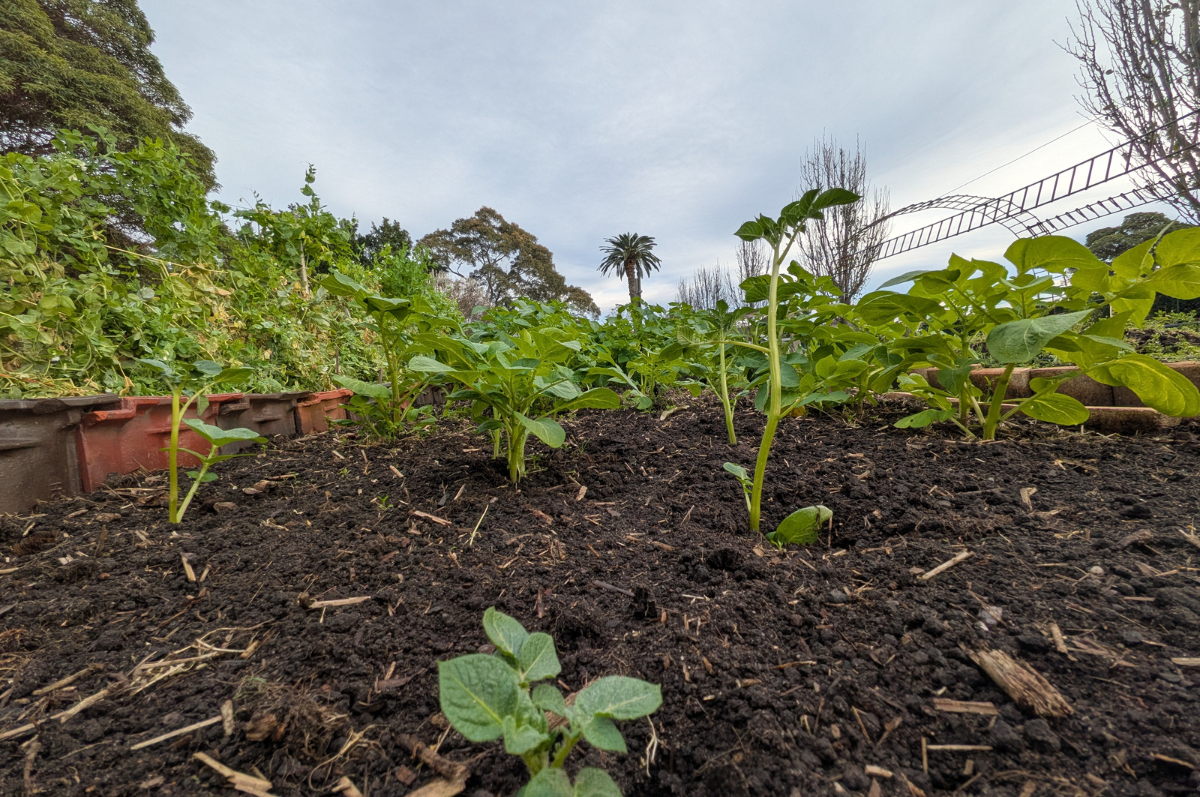
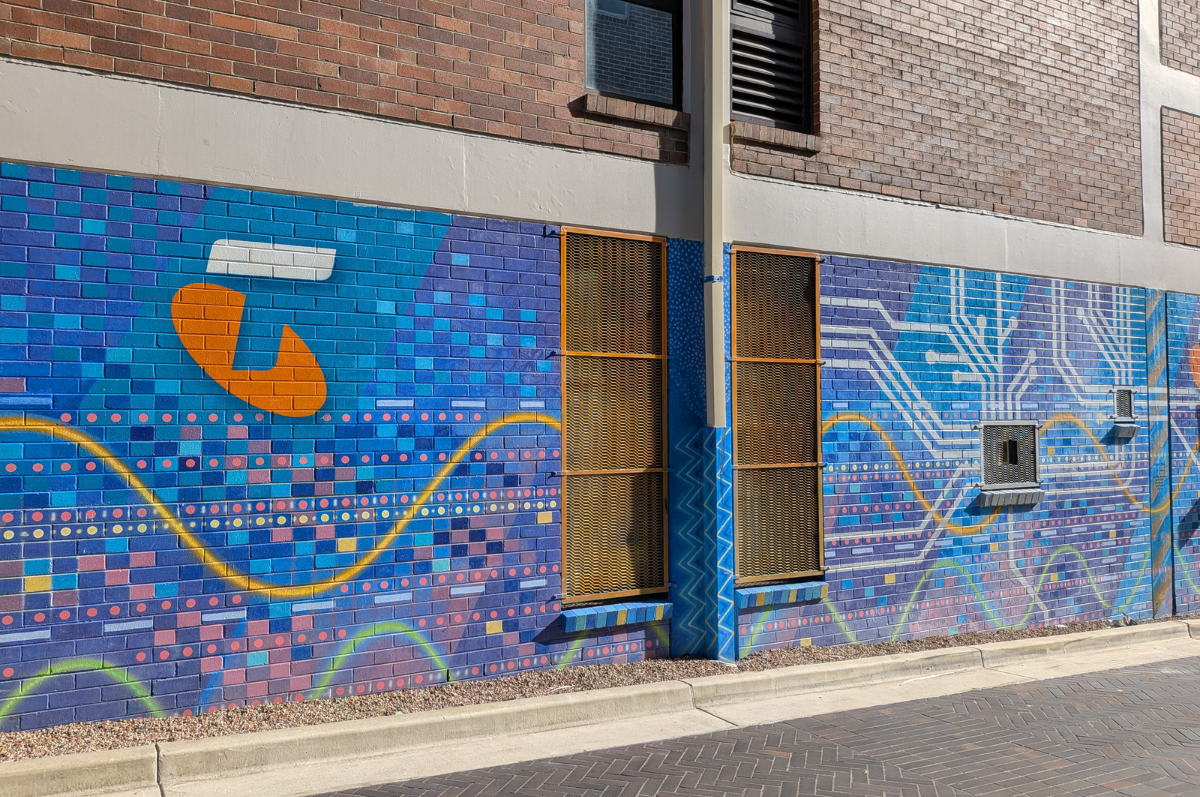
Google Pixel 10 camera samples
Check out these camera samples taken on the Google Pixel 10. Click or tap on any photo to see a larger version.












Google Pixel 10 – Final Thoughts
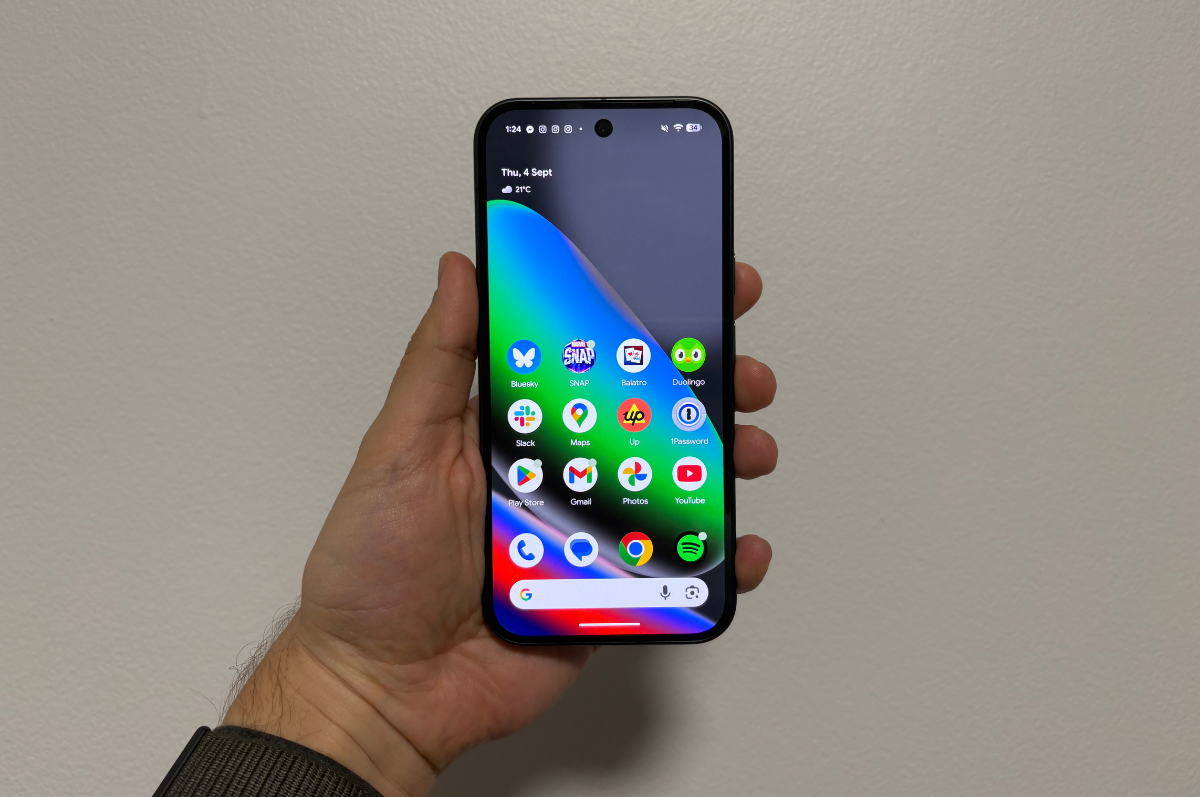
Ten iterations in, Google's worked out how to build a very good phone and it's a real frontrunner in the camera department. However, I think that's been fair to say of Google and other leading brands for a good while now.
Out of the three new Pixel 10 devices available right now, the standard Pixel 10 is the best value for money. You shouldn't fork out for the Pixel 10 Pro or Pixel 10 Pro XL unless you really want slightly better cameras or the XL's larger screen.
And if you've upgraded at all recently, it's probably okay to skip the Pixel 10 this year.
These are the most popular mobile phone plans on our website right now with at least 15GB of data, sourced from our database of 28 mobile providers:
|
#1
|
SpinTel

Editor's Pick
$23 Mobile Plan
$12.00/mth
Min. cost $12
|
|
#2
|
Boost Mobile

$39 Prepaid
$39.00
Per 28 Day Renewal
|
|
#3
|
Dodo

Editor's Pick
Medium Mobile Plan
$30.00/mth
Min. cost $15
|
|
#4
|
TPG

Editor's Pick
30GB Small Plan
$15.00
Per 1 Month Renewal
Link not supplied
|
|
#5
|
Yomojo

Starter 29GB Plan
$24.90
Per 30 Day Renewal
Link not supplied
|
|
#6
|
Tangerine Telecom

30GB 5G Mobile SIM
$30.00/mth
Min. cost $15
|
|
#7
|
Pivotel

25GB Mobile Swift Plan
$11.45/mth
Min. cost $11.45
|
|
#8
|
TPG
100GB Large Plan
$22.50
Per 1 Month Renewal
Link not supplied
|
|
#9
|
Swoop

30GB SIM Only 5G
$14.00/mth
Min. cost $14
|
|
#10
|
Dodo
Large Mobile Plan
$40.00/mth
Min. cost $20
|
Dylan Crismale
Digital Content Editor

Related Articles


