
- Great and reliable camera
- Zippy performance
- Seven years of software updates
- Barely an upgrade on last year's model
- Hefty bezels
It’s hard to not look at the broader economic environment when reviewing the Pixel 10a. The Pixel 10a is barely an update when compared to the Pixel 9a, but was rereleasing last year’s phone the least bad choice Google could make? The entire tech industry has seen component prices increase due to tariffs and generative AI-led demand, which in turn leads to higher prices for us end users.
Maybe recycling last year’s phone to hit the same $849 price point makes more sense than the price hikes we’ve seen on Samsung’s Galaxy S26 family, where some models are as much as $250 more expensive. Even a $150 price bump would surely have lessened the Pixel 10a’s appeal. I’m going to be charitable and assume the Pixel 10a’s light refresh isn’t malicious. Given Google’s A-series often reviews stronger than its mainline Pixels, it does beg to reason that Google’s decisions were designed to keep the Pixel 10a affordable rather than, say, create more differentiation between the Pixel 10a and the Pixel 10.
These choices also mean the Pixel 10a isn’t exactly exciting. But at the least, it’s still a good phone.
Google Pixel 10a 128GB Plans
|
#1
|
Optus

$60 Optus Choice Plus Plan
$54.24/mth
Min. cost $887.88
|
|
#2
|
Telstra

$84 Essential Upfront Mobile Plan
$97.58/mth
Min. cost $922.88
Link not supplied
|

As aforementioned, there are very few changes between the Pixel 10a and last year’s Pixel 9a. It’s also debatable as to how meaningful Google’s year-on-year improvements actually are.
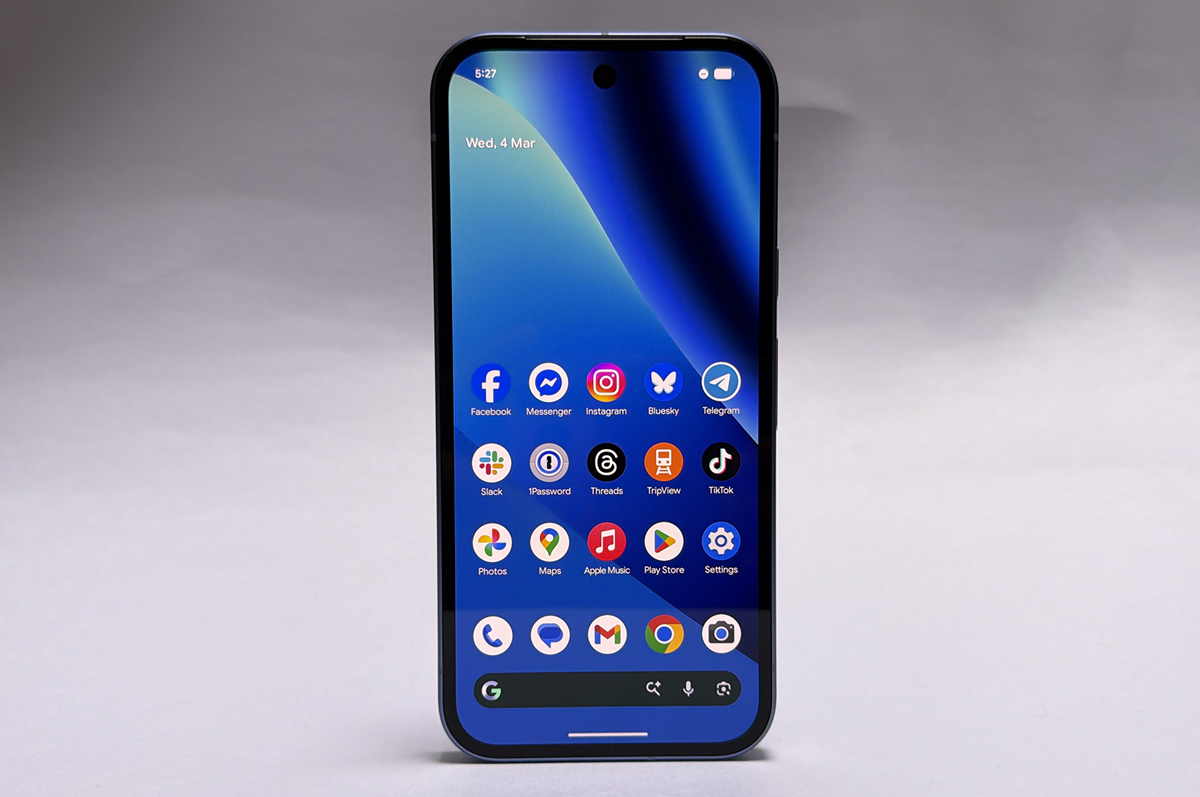
To start, the display is 11% brighter and has ever-so-slightly thinner (but still chunky) bezels. Neither of these are bad changes, but are unlikely to impact your day-to-day experience. A more useful improvement is an upgrade from Gorilla Glass 3 protection to Gorilla Glass 7i. Increased durability and scratch-resistance are hard to argue with.
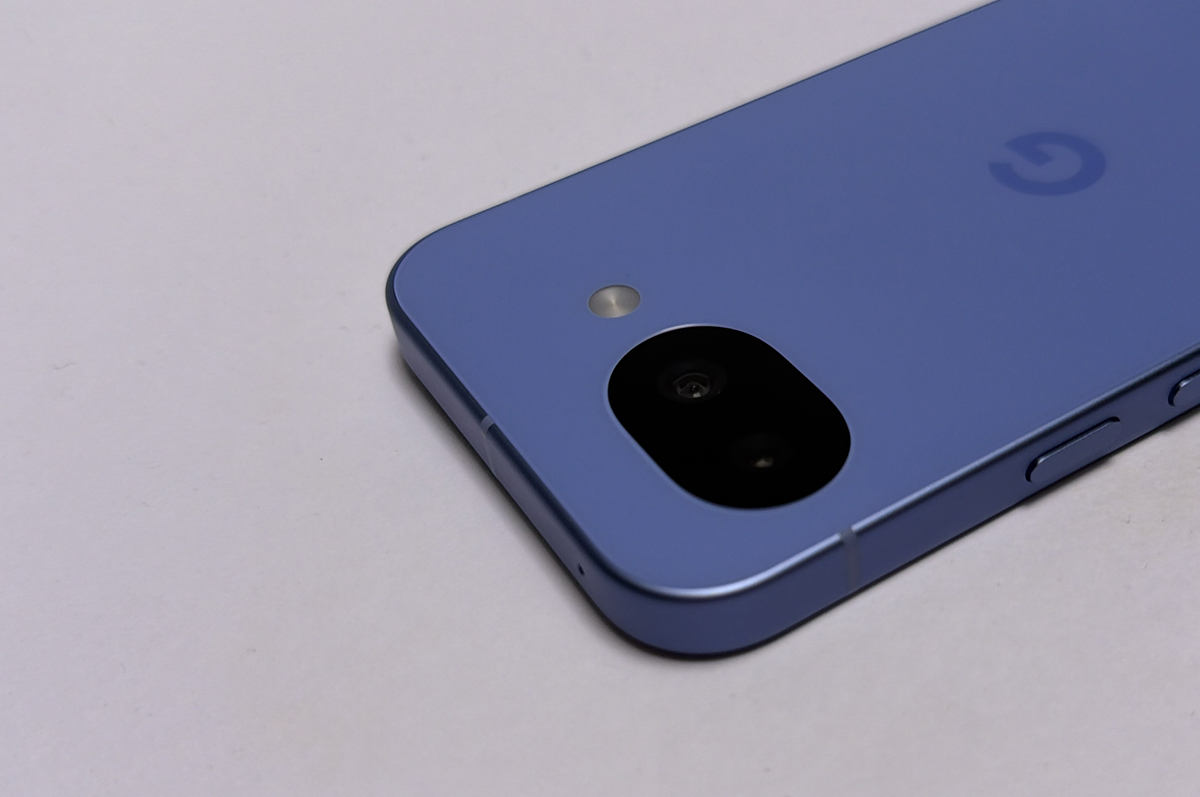
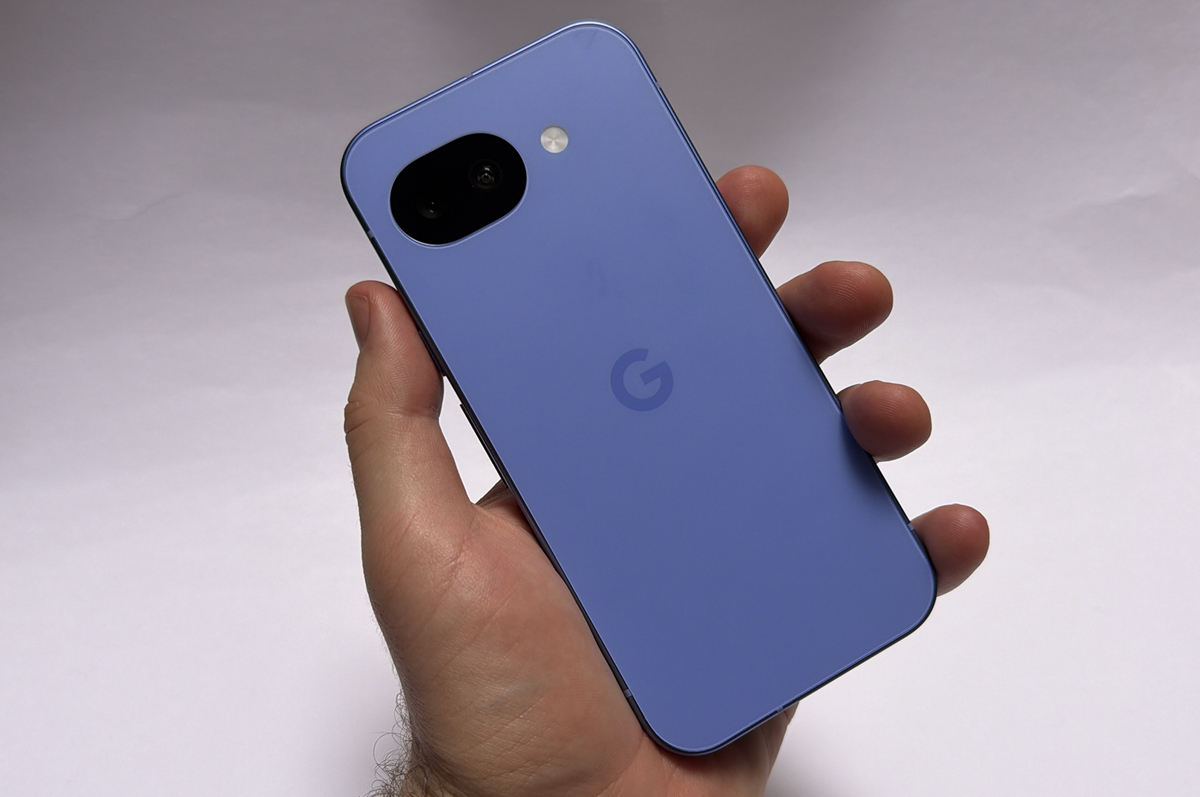
Google has also eliminated the camera bump, giving the Pixel 10a an entirely flush back. That’s almost unheard of in modern phones, but definitely not the kind of reason to buy a new phone. It’s nice that the Pixel 10a sits still when you set it down on a desk, but a case addresses that issue on most phones.
The last change is a new modem that enables satellite connectivity. If you don’t have mobile connectivity, the Pixel 10a is able to make a satellite connection to contact emergency services - assuming you have a clear view of the sky. This is included as a “free trial” for two years, but Google has yet to disclose how much it will cost after. It’s the kind of feature you hope you never have to use, but one that could bring real benefits to those living in rural and regional areas, or hikers and cyclists who like to go off the grid.
Everything else is identical to last year’s model. While very few people upgrade every single year - especially on mid-tier phones - this kind of decision is the type of thing that could make the Pixel 10a less appealing in the long run. At the same time, the Pixel 10a is still a step ahead on performance and camera quality.
Despite using the Tensor G4 chipset from the Pixel 9 family, the Pixel 10a still outclasses similarly priced competitors in benchmarks. Google’s in-house chips may not keep up with the best from Apple and Qualcomm, but they always deliver a smooth day-to-day experience while still allowing for solid performance from demanding games. When coupled with a very clean take on Android, the Pixel 10a is consistently snappy.
The Pixel 10a camera is similarly reliable. While similarly priced phones may have a larger number of cameras or more impressive-sounding specs, the Pixel 10a does a good job of getting the shot you want the first time. It also handles low light better than pretty much any other mid-tier device.
Google Pixel 10a camera samples
Check out these camera samples taken on the Pixel 10a. Click or tap on any photo to see a larger version.




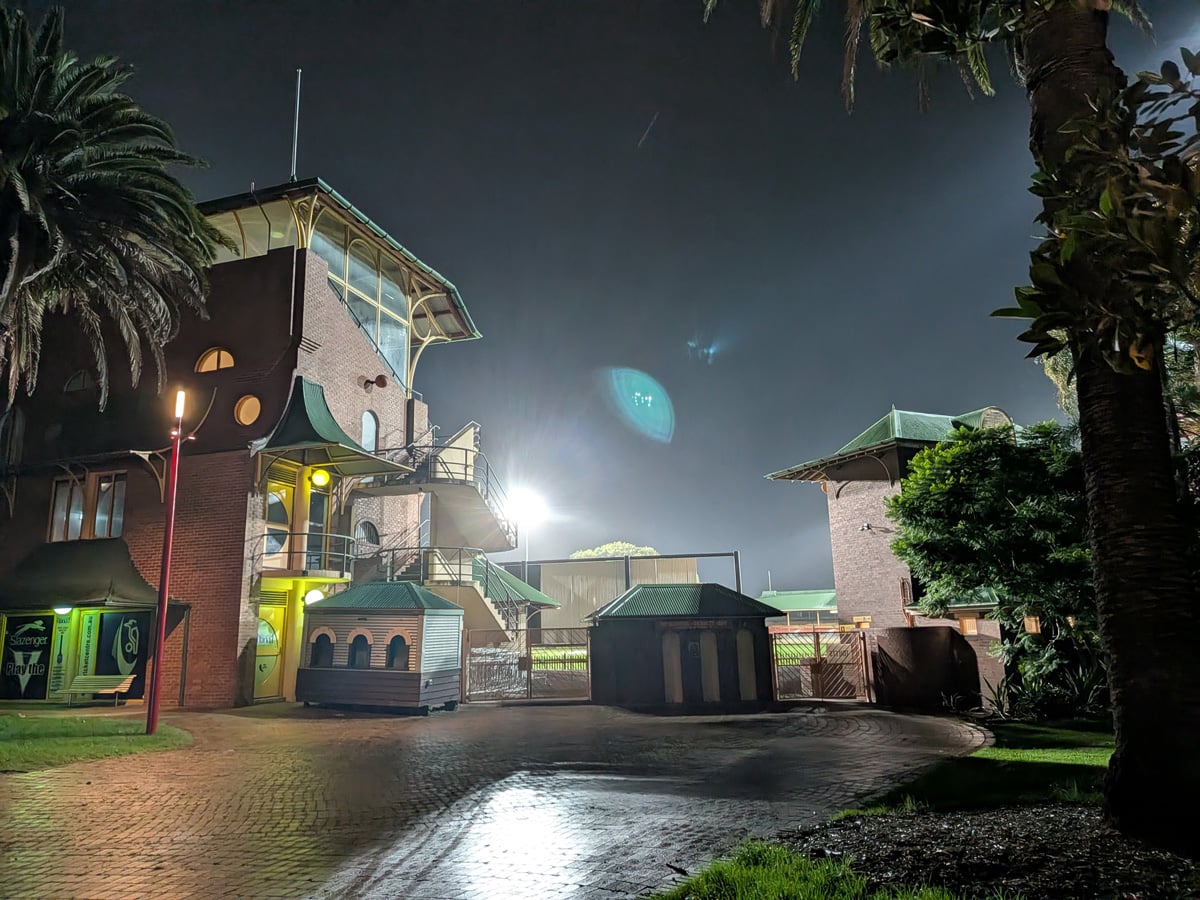



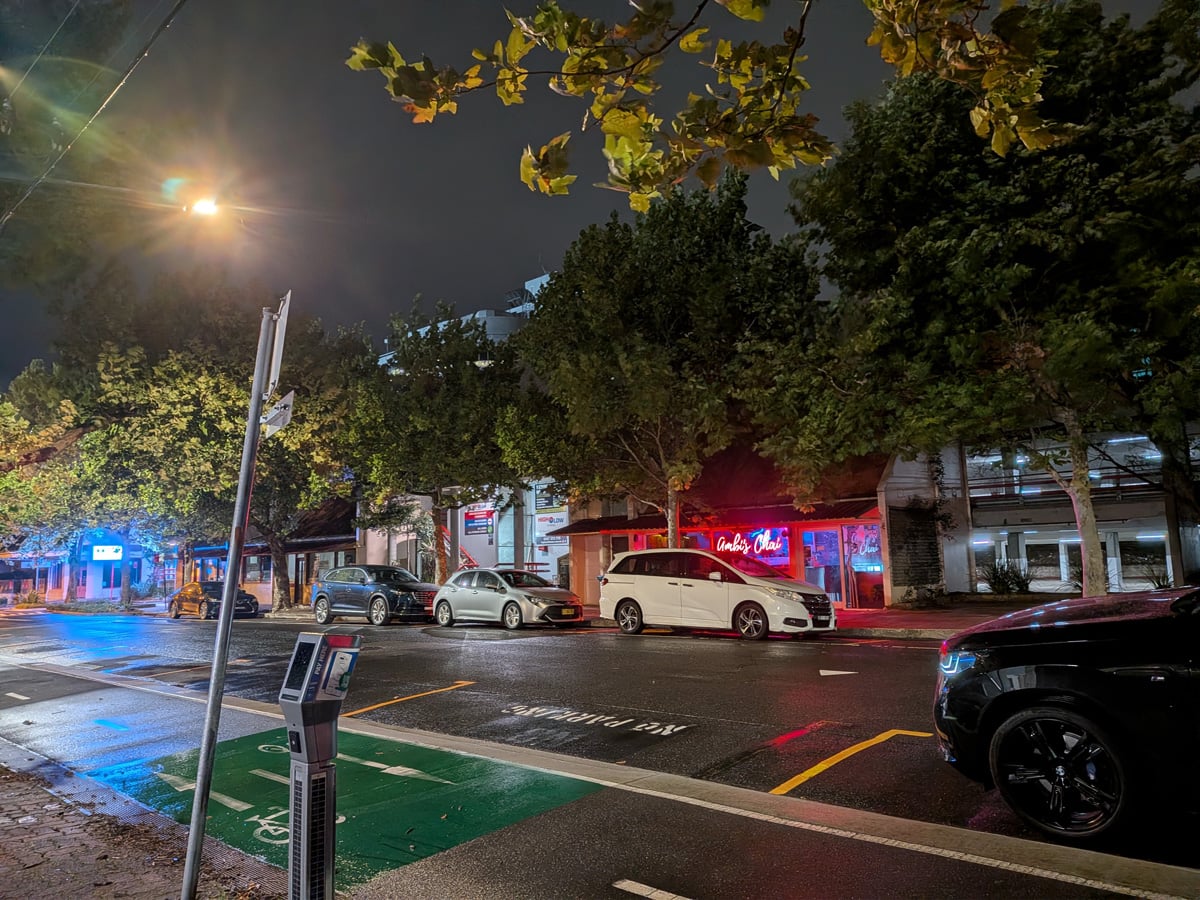

When it comes to battery, you can expect between five and six hours of screen time per charge from the Pixel 10a. That’s not exceptional, but it should still last most a full day with a bit of a buffer at the end.
Lastly, Google is still promising seven years of software and security updates for the Pixel 10a. Not only does that match Google's commitment to its more expensive devices, it's the best software lifespan of any mid-tier phone.
Google Pixel 10a - Final Thoughts
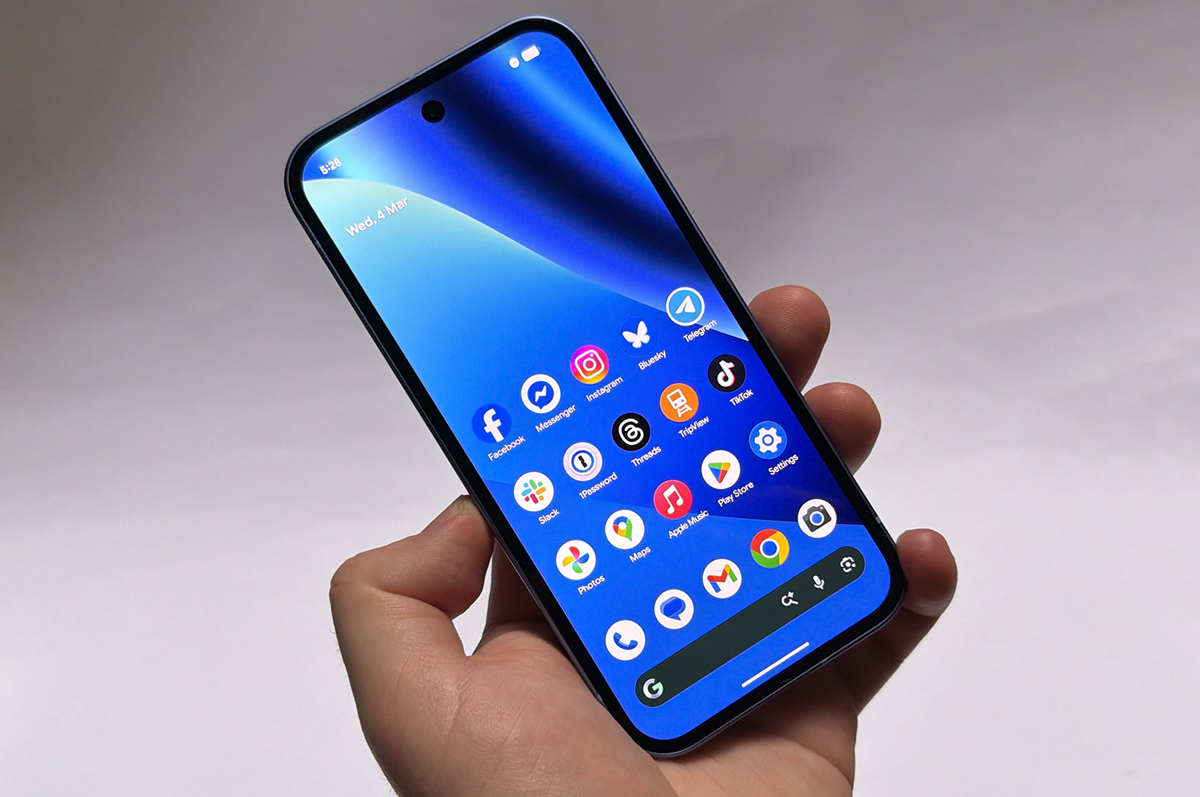
The Pixel 10a may barely be an upgrade over last year’s model, but it’s still a compelling device. Less compelling than last year, admittedly. It isn’t the kind of phone that will inspire you to rush out and upgrade, but it’s still easy to recommend if you are in need of a good phone under $1,000.
Of course, you could always go for a Pixel 9a instead. It is still on shelves, opting for last year’s model saves you a little cash (around $50 at time of writing), and you’re really not missing out on much. The main consideration is that the Pixel 9a is already a year old, so is only slated for six more years of software and security updates. That’s still great for a phone in this price bracket, however.
Obviously, there are reasons to consider other devices. You’ll find larger screens, bigger batteries, and more cameras in rivals. But the Pixel 10a often feels like a more balanced offering. It has the most reliable camera you’ll get in a phone in this price bracket, zippier performance than most, a solid battery life, and a clean software experience. The Pixel 10a is a solid albeit unexciting choice, and sometimes that’s enough.
Did you like this article? Good! Why not make us a preferred source in Google? Click below, tick the box, and WhistleOut stories will show up more often when you search for related content.
Alex Choros

Related Articles


