

6G is on the horizon and the hype around AI still lingers, but it's hard to overlook how much it feels like hardware is at the forefront of the conversation when it comes to smartphones.
In the aftermath of any major technology trade show, be it Mobile World Congress or CES happens, there’s always talk about what the biggest trends, throughlines, and takeaways are. After the jetlag and giddy exhaustion that accompany one of the world's biggest gatherings of telecommunications tech have faded, what are you left with?
The answer, at least for me, was the sense that hardware is so back. Although there was the expected avalanche of AI-enabled tech at this year's Mobile World Congress, the most eye-catching products tended to put a bigger emphasis on what's on the outside rather than the LLMs at work on the inside.
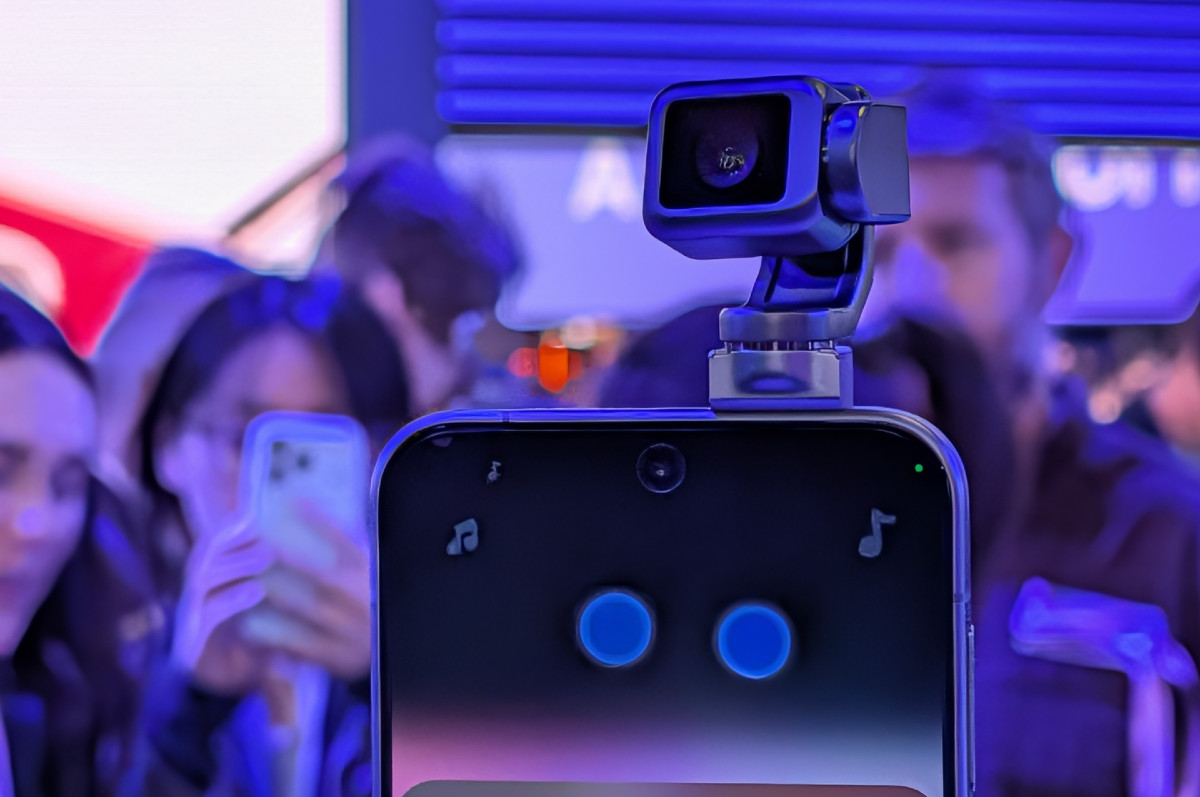
Some of the conference’s standout smartphones, such as Honor’s erroneously-named Robot Phone to Tecno’s modular phone drew attention to that aspect of things in a very loud way. The former distinguished itself with a built-in gimbal camera rig. The latter opted for a DIY magnetic design that lets you attach and detach new features and functionality as needed. There's doubt about how widely available these will be - or in the case of the Techno, if it will ever come to market - but the promise of something different made them showstoppers.
Others, like the Leica Leitzphone, Motorola Razr, OPPO Find N6, and Nubia Flip 3 offered up less dramatic revisions on what you'd expect in terms of design but still spoke to this idea that the next big thing in smartphones might be as simple as a renewed interest in the foundations. Foldable devices with more advanced camera systems, a less-visible crease, better durability or even just a more affordable price point all feel like a more meaningful step forward for consumers than the abstract benefits associated with built-in AI "agents".
After years of being awash in promises that AI has/will/could change everything we know about smartphones, the tide is starting to recede and reveal something more familiar. As the internal components of modern smartphones have become iterative and homogeneous, it more manufacturers are looking to the external hardware and design to stand out.
What's more, that trend extends well beyond the high-end of things. Even more mid-range oriented brands like Motorola and Nothing are paying more attention to aesthetics in a way that hasn’t been the case in the past, and it's hard to blame them. For better or worse, no other phones look like Nothing's 4a series.
Often, a fresh look can do a lot more than a new processor, and more than a few customers base their purchasing decisions on emotions rather than what the spec sheet promises. The timing of this shift towards tangible tweaks on a familiar formula (rather than loftier promises of smarter software) is interesting all on its own, though.
According to IDC’s Worldwide Quarterly Mobile Phone Tracker, the smartphone market is expected to see a 12.9% decline in 2026. The main driver for this is expected to be the wider rise in the cost of components like memory.
It’s perhaps telling, though, that, in the face of such steep and historical headwinds, many of the manufacturers found on the Mobile World Congress showfloor aren’t necessarily betting on AI as the antidote. Instead, they’re hedging towards something far simpler in the form of hardware innovation and straightforward improvements that everyday consumers can actually see or feel.
Whether this renewed emphasis on hardware will prove the correct tactic remains to be seen, but where the Mobile World Congress showfloor of the past few years has played up the idea that the future of smartphones lies with LLMs, this year’s put its chips in the opposite corner.
After years of AI-powered promises, this year's Mobile World Congress hedged in favour of hardware, and I'm here for it.
Disclosure: WhistleOut Australia's coverage of Mobile World Congress 2026 is supported by OPPO.
Did you like this article? Good! Why not make us a preferred source in Google? Click below, tick the box, and WhistleOut stories will show up more often when you search for related content.
Fergus Halliday
Digital Content Editor

Related Articles


