

2018 sure was a year for smartphones. Manufacturers embraced the notch. The headphone jack held on for dear life. Displays got bigger. Bezels got thinner. Cameras multiplied. Fingerprint readers ended up under screens. Devices got expensive. It was a year of refinement and iteration with some cool new tech sprinkled in.
So what's next? Here's what we're predicting from smartphones in 2019.
Foldable phones will be a mixed bag

Foldable smartphones are going to be a big deal in 2019. Samsung is definitely launching one this year, and Huawei, OPPO, and LG are all expected to reveal their own in the coming months. On one hand, this is super exciting. Smartphones have become a lot more sophisticated over the past decade, but they're still ultimately slabs with a screen. I can't wait to get my hands on something that genuinely feels new, and a foldable smartphone fits that bill.
At the same time, I've tempered my expectations. There's a chance that foldable devices doubling as both a phone and a tablet will be the future of mobility, but that sure won't happen with a first generation product. Hardware manufacturers normally need a few tries to get a new device right, and there's plenty of potential issues surrounding foldable handsets: user experience, software optimisation and battery life, just to name a few.
And of course, foldable phones are likely to be expensive. Rumours have suggested Samsung's foldable could cost over $2,000 locally. This isn't surprising; screens are often the most expensive component in a high-end smartphone, so adding more will drive up costs - especially given the whole folding thing. You can also bet you'll be paying for all the research and development that went into this new breed of devices.
Foldable smartphones will be freaking cool, but they'll be quite niche initially. A bleeding edge piece of sci-fi paraphernalia built for early adopters. A weird flex, even.
Camera cut-outs start to kill the notch
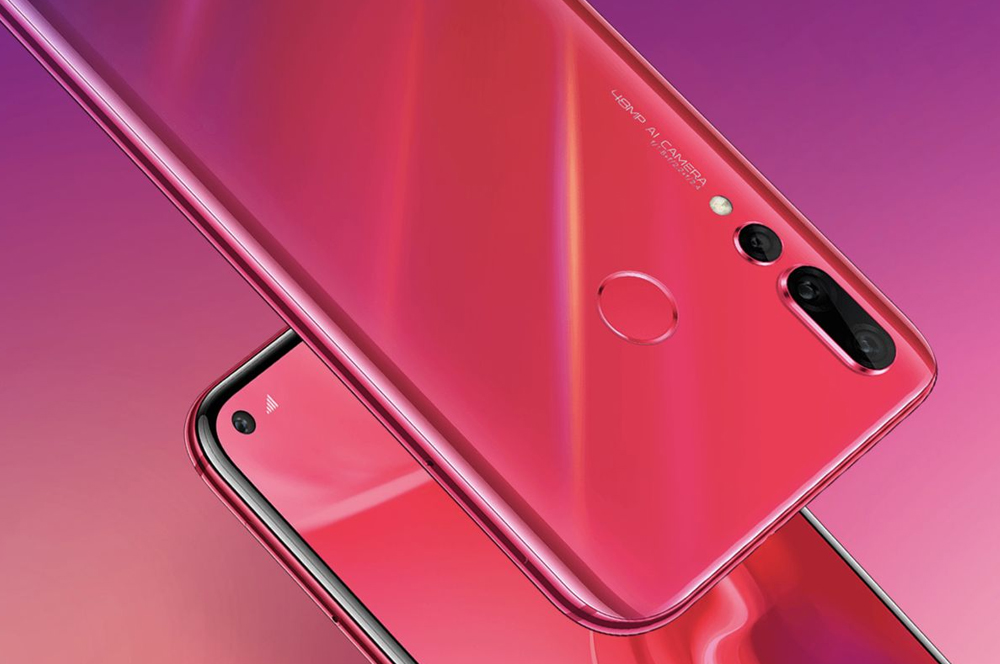
Phone manufacturers spent 2018 boasting about who had the smallest notch, but 2019 will almost certainly see them arguing about the size of their hole.
Manufacturers like Samsung and Huawei have already unveiled phones that eschew the notch, instead opting to build a selfie camera directly into a corner of the display. This technology is often referred to as a holed (or hole-punch) display, but we quite like the term camera cut-out.
Rumours point to Samsung using a similar design for the upcoming Galaxy S10, and leaks suggest the next OPPO R-series device could use similar technology. We're expecting to see plenty of other Android manufacturers follow suit, complete with statements about how their front-facing camera is ever so slightly smaller than the last.
Of course, smartphones with more complex front-facing camera setups (that include more tech for secure facial recognition) such as the Huawei Mate 20 Pro and 2018 iPhone family will almost certainly keep using a notched display for the foreseeable future.
More cameras on every phone
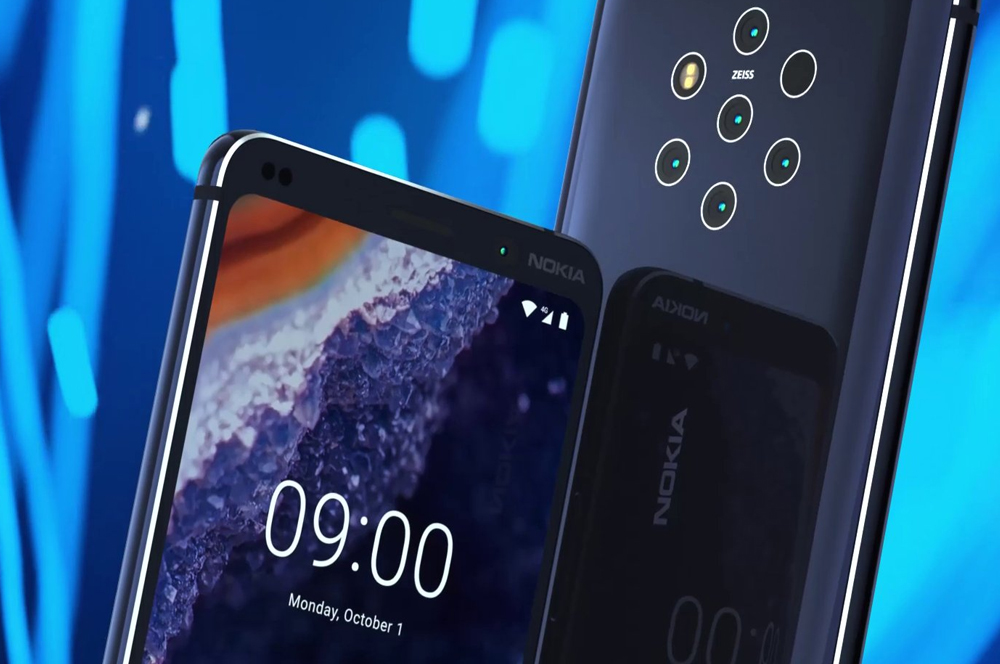
Now that almost every smartphone has at least two rear-facing cameras, manufacturers will keep upping the count in their relentless spec war. We saw Samsung unveil a phone with four rear-facing cameras at the end of last year, and Nokia is set to do one better shortly. Leaks suggest the Nokia 9 PureView (pictured above) will have five rear-facing cameras, complete with a trypophobia inducing pattern.
Leaked renders also suggest that Huawei will add another camera to the mix on the upcoming P30, moving from three to four.
When will it end? How long until smartphone backs are completely covered in cameras?
A more diverse smartphone market
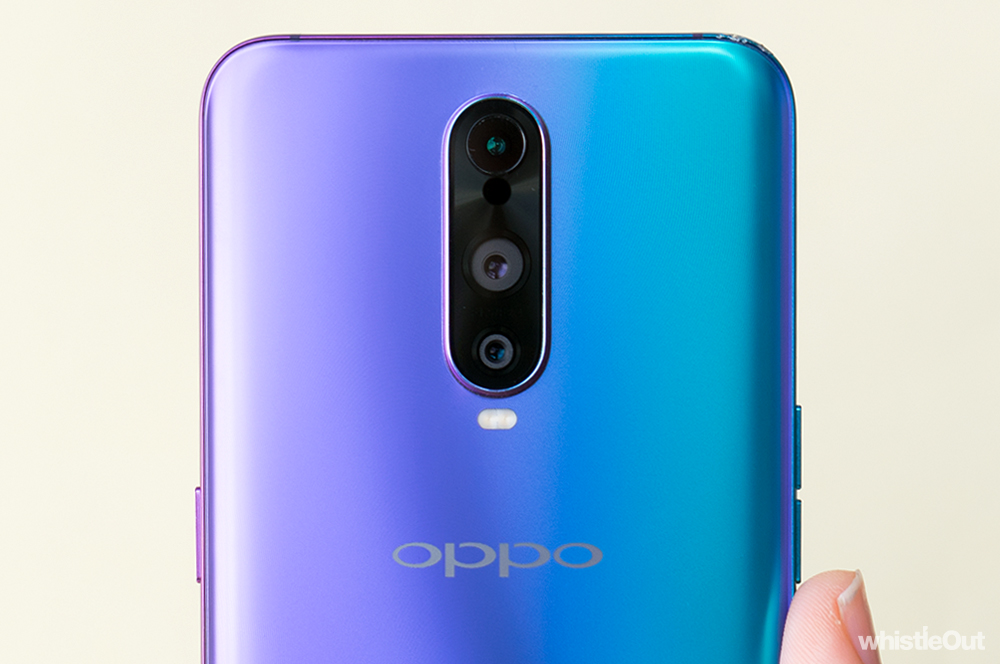
Smartphones got expensive in 2018. It's still hard to believe there's an iPhone model that costs $2,369. It's equally hard to say if this trend will change in 2019, but it's not looking good. An alleged Galaxy S10 pricing leak suggests the Galaxy S10 will start at around $1,400 (when converted from pounds). Samsung is even rumoured to have a $2,453 1TB Galaxy S10 Plus up its sleeve.
Apple might be willing to relent, following a letter to investors that warned of weaker than expected earnings; fewer iPhone users upgraded to new models than the company expected. At the same time, Apple is difficult to predict. The company is now firmly playing in the "luxury goods" space, and it might just be willing to sacrifice some profit for prestige.
Fortunately, the ever-increasing high end has helped grow the number of quality midrange devices that are around. 2018 gave us plenty of excellent phones from the likes of OPPO and Nokia priced under $1,000. The best of these - the OPPO R17 Pro, for example - managed to hold their own against top-tier devices from the likes of Apple and Samsung, even in terms of camera quality. The gap between high-end smartphones and midrange smartphones has shrunk drastically in the past years, and there's no reason to assume this trend won't continue.
And looking at the flagship space, we saw Huawei and Google rise up through the ranks in our popularity index at the end of last year. While Apple and Samsung still dominate, Google and Huawei devices were about three times as popular in the last quarter of 2018 than they were in the last quarter of 2017. Neither is a clear "third player" in the Australian market, but 2019 will almost certainly see these brands continue to increase their local market share.
An exciting but quiet year for 5G
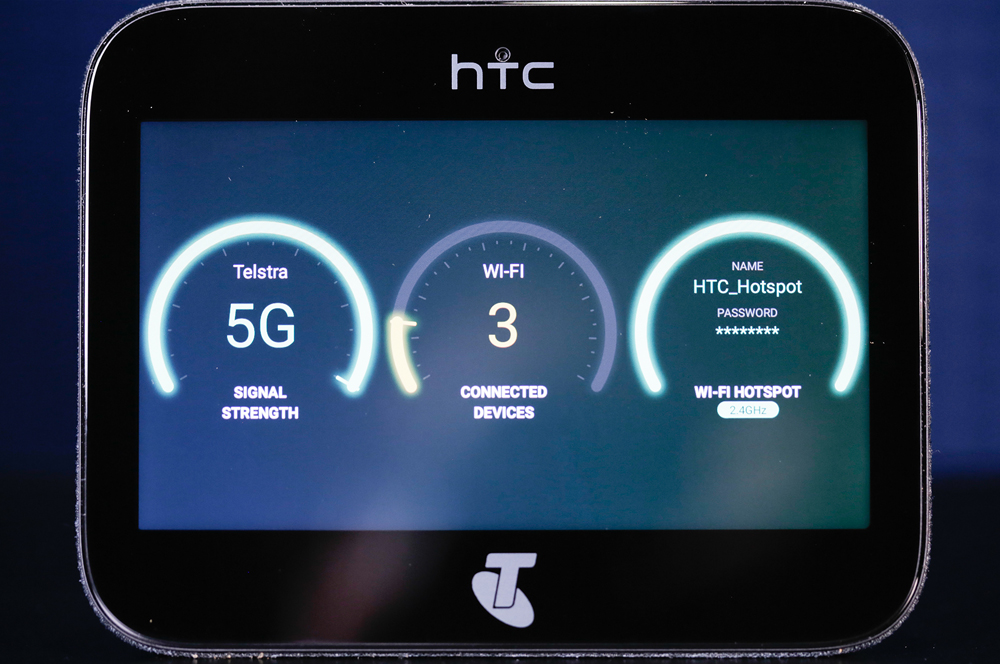
2019 is going to be an exciting year in terms of 5G. The telcos will make major in-roads in covering Australia in that sweet, sweet next-generation connectivity, but it might not mean too much for consumers yet. You'll be able to get a 5G mobile broadband connection for your home, but we're not expecting the majority of 5G capable smartphones to hit until 2020.
We will almost certainly see 5G devices this year - Samsung, OPPO, Huawei, OnePlus, among others - all have plans to release a 5G smartphone this year. However, there's no telling how many of these will be available in Australia, and at what price. For example, just one phone in Samsung's Galaxy S10 family is expected to have 5G support, and leakers suggest that device will only be available in South Korea and the US. And even if gets a wider release, the expected USD$1,500 asking price would convert to well over $2,000 locally. Oof.
Notably, Apple isn't expected to release a 5G iPhone until 2020. This alone means 5G won't matter to a large chunk of Australia's population for quite some time.
In the short term, none of this is a big deal. Initial 5G mobile phones will be more of a techy status symbol. Australia is lucky to have some of the fastest 4G networks in the world, and for most, the early benefits of a 5G smartphone will be limited. No common smartphone use case is overly demanding when it comes to speed.
5G mobile broadband - a service on the cards for this year - is a lot more interesting. In the US, Verizon has started trialling 5G-powered home internet connections. Customers can pay as little as USD$50 per month for unlimited data at speeds between 300Mbps and 1Gbps. For comparison, that's between three and ten times faster than the fastest widely available NBN plans.
While that may seem too good to be true, NBN Co's pricing structure means network builders like Telstra and Optus could theoretically make more money selling 5G connections than NBN services - at least when it comes to lower usage customers. Telstra, for example, has to pay NBN Co for each customer it connects to the National Broadband Network, which isn't the case when it comes to its own 4G and 5G networks.
If Telstra sells a customer a 5G service, the majority of that money stays within Telstra. That alone is a good incentive to offer competitively priced mobile broadband.
Alex Choros

Related Articles


