
For those lucky enough to be in a coverage area, 5G can be a nice step up from 4G. Australian telcos have been
growing the next-generation phone network for years and we're seeing more and more 5G-capable devices hitting the
shelves.
But what's it all about, who sells 5G plans, and how good is it really?
What is 5G?
5G was the next major evolution in mobile network technology. As with 4G before it, 5G is focused on mobile data. 5G promised three major improvements:
- Faster network speeds: Australian 5G networks can hit 1Gbps with good coverage. Congestion can also play a factor, but it's safe to expect between 200Mbps and 500Mbps. For reference, around 50Mbps is a pretty decent 4G speed.
- Lower latency: Latency is perhaps best described as the time it takes information to get from your phone to the wider internet and back again. The typical latency for a 4G network is around 50 milliseconds, which drops to as low as 20 milliseconds on 5G. That makes for a more responsive connection. In the future, 5G latency could go under 10 milliseconds, making it feel like a wired internet connection.
- More simultaneous connections: 5G allows more devices to connect to the network at the same time. While smartphone usage continues to grow, this is especially important because 5G facilitates new developments in autonomous cars, connected machinery, and Internet of Things devices.
While 5G succeeds 4G, it won't replace it. 4G and 5G networks exist simultaneously. By contrast Austalia shut down its 3G networks back in 2024.
5G network frequencies
Just in case this didn't seem complicated enough, there are actually three different types of 5G. There's Sub 6 5G, mmWave 5G, and Low-band 5G.
| Type | Description |
|---|---|
| Sub 6 5G | All Australian 5G networks currently rely on Sub 6 5G, also known as mid-band 5G. Sub 6 5G runs on similar frequencies to what 4G network uses right now, but on the higher end of the spectrum. Our telcos are largely using the 3.5GHz spectrum for their 5G networks. Sub 6 is ostensibly the Goldilocks of 5G; it's not as fast as mmWave 5G, but it can still reach speeds over 1Gbps. It's not as good indoors as low-band 5G, but it can still penetrate walls. |
| mmWave 5G | mmWave 5G is the fastest form of 5G, operating on incredibly high frequencies such as 26GHz. It can already reach speeds over 4Gbps, and there's potential for it to deliver speeds of 20Gbps. mmWave 5G also promises the lowest latency of any 5G connection type. mmWave 5G does, however, have the shortest range of any 5G technology and can have issues penetrating buildings. |
| Low-band 5G | Low-band 5G is built on frequencies under 1GHz. Low-band 5G has a much wider range than either mmWave or Sub 6 5G and is far more effective indoors. The trade-off, however, is speed. Low-band 5G offers performance similar to 4G, but a little bit better. This means speeds between 50 and 250 Mbps, depending on conditions. Low-band 5G can still support more simultaneous connections than a 4G network on the same spectrum and offer improved latency. |
While mmWave is the fastest form of 5G its almost non-existent in Australia. Telstra, Optus, and Vodafone all have mmWave spectrum. Based on comments from telcos, we're not expecting to see a significant amount of mmWave coverage, with Telstra suggesting it will initially be used to grow "capacity and depth of coverage in larger cities and towns".
5G network coverage

Australia's 5G footprint is growing, and telcos have been selling devices on 5G plans for many years now. Of course, these networks are still being rolled out, so 5G isn't quite everywhere yet.
WhistleOut's coverage checker tool includes 5G coverage maps, making it easy to see whether you can get 5G coverage. All you need to do is pop in your address when searching for a new phone plan. After you've done so and hit Search, you can jump straight to the coverage map by tapping See Coverage Map and then tapping Click To Activate Interactive Map.
5G coverage is highlighted using the darkest shade of purple but unticking 4G and 3G can help make it clearer. The drop-down menu lets you select one or more telcos.
Coverage maps are only approximate, only show outdoor coverage and may be impacted by local conditions, such as surrounding buildings.
If you can get connectivity, you'll need a 5G-ready phone, portable hotspot, or 5G home modem to take advantage of 5G plans.
- Telstra's 5G network coverage now spans 95% of the Australian population. Coverage spans Melbourne, Sydney, Canberra, Brisbane, Adelaide, Perth, Hobart and Darwin.
- Optus' 5G network coverage has 1,000 live sites that cover over 2.1 million households in Australia, and coverage is available in a number of locations, including parts of Sydney, Canberra, Melbourne, Brisbane, Adelaide, Perth, Hobart and Darwin.
- Vodafone's 5G network coverage is smaller than Telstra's and Optus', but the carrier's 5G footprint is available in over 3,400 sites across Australia, including capital cities of Sydney, Canberra, Melbourne, Brisbane, Adelaide, Perth, Hobart and Darwin.
5G mobile plans
5G mobile plans are available from a whole host of telcos beyond Telstra, Optus and Vodafone.
While plans from MVNOs tend to be much cheaper than plans from The Big Three, speeds are slower on many of them.
You'll typically be capped at 100Mbps, 150Mbps, or 250Mbps, depending on the plan. These speeds are still pretty
good, just not as fast as 5G is capable of.
Here are the cheapest 5G mobile plans from all providers in our database across a range of pricepoints:


5G phones in Australia
Every phone manufacturer now has 5G phones. Apple, Samsung, Google and OPPO naturally have high-end 5G phones, but we're also seeing plenty of affordable options from manufacturers like Nokia and Motorola.
Here's a snapshot of the 5G devices you can buy on a plan right now:
- 6.3 inch display
- Rear Cameras: 48MP, 48MP, 48MP
- Front Camera: 18MP

- 6.9 inch display
- Rear Cameras: 48MP, 48MP, 48MP
- Front Camera: 18MP

- 6.3 inch display
- Rear Cameras: 48MP, 48MP, 48MP
- Front Camera: 18MP

- 6.9 inch display
- Rear Cameras: 48MP, 48MP, 48MP
- Front Camera: 18MP

- 6.3 inch display
- Rear Cameras: 48MP, 48MP, 48MP
- Front Camera: 18MP

- 6.9 inch display
- Rear Cameras: 48MP, 48MP, 48MP
- Front Camera: 18MP

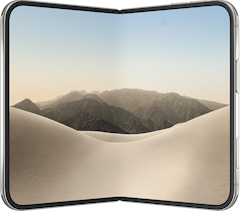
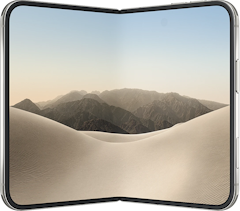
- 6.3 inch display
- Rear Cameras: 48MP, 48MP, 48MP
- Front Camera: 18MP

- 6.9 inch display
- Rear Cameras: 48MP, 48MP, 48MP
- Front Camera: 18MP


- 6.3 inch display
- Rear Cameras: 50MP, 10MP, 12MP
- Front Camera: 12MP
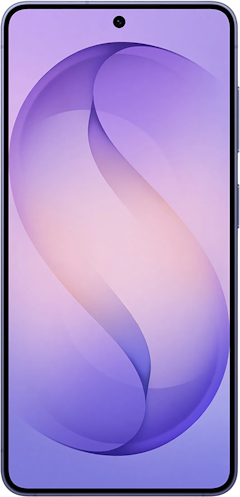
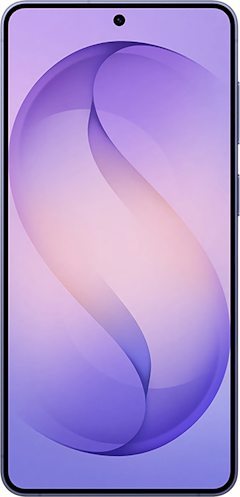
- 6.9 inch display
- Rear Cameras: 200MP, 10MP, 50MP, 50MP
- Front Camera: 12MP

- 6.7 inch display
- Rear Cameras: 50MP, 10MP, 12MP
- Front Camera: 12MP
- 7.6 inch display
- Rear Cameras: 50MP, 50MP
- Front Camera: 10MP
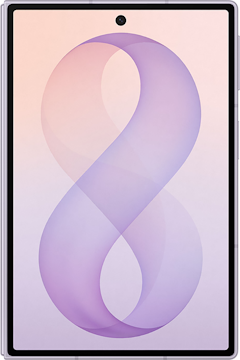
- 8 inch display
- Rear Cameras: 200MP, 50MP, 10MP
- Front Camera: 10MP
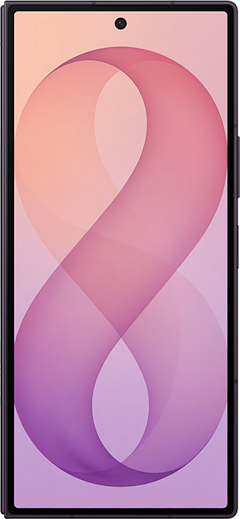
- 6.3 inch display
- Rear Cameras: 50MP, 10MP, 12MP
- Front Camera: 12MP
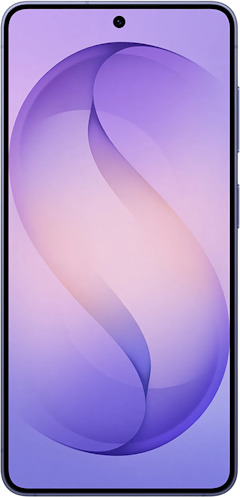
- 8 inch display
- Rear Cameras: 200MP, 50MP, 10MP
- Front Camera: 10MP
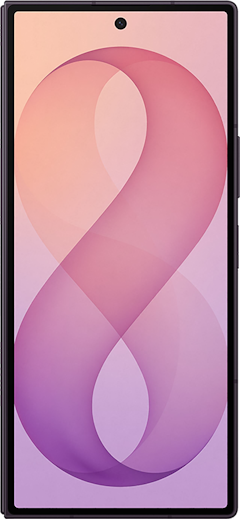
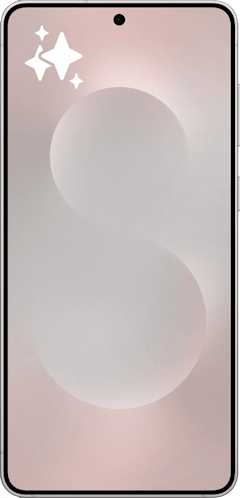
- 6.9 inch display
- Rear Cameras: 200MP, 10MP, 50MP, 50MP
- Front Camera: 12MP

- 6.9 inch display
- Rear Cameras: 200MP, 10MP, 50MP, 50MP
- Front Camera: 12MP

- 6.3 inch display
- Rear Cameras: 50MP, 48MP, 48MP
- Front Camera: 42MP
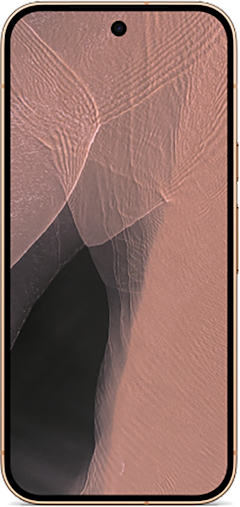
- 6.8 inch display
- Rear Cameras: 50MP, 48MP, 48MP
- Front Camera: 42MP
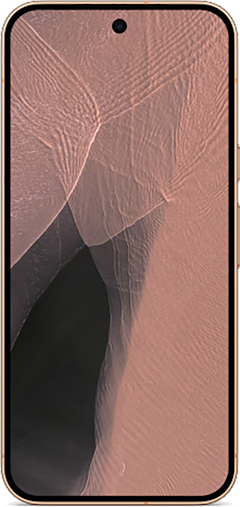
- 6.8 inch display
- Rear Cameras: 50MP, 48MP, 48MP
- Front Camera: 42MP
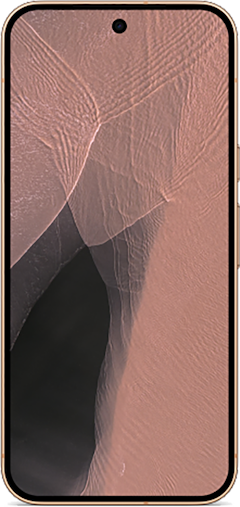
- 6.3 inch display
- Rear Cameras: 50MP, 48MP, 48MP
- Front Camera: 42MP
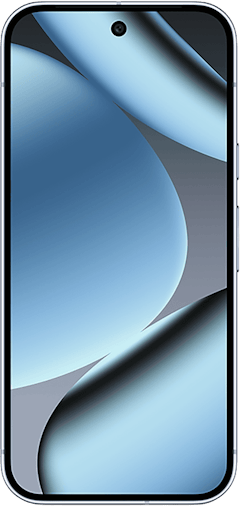
- 6.3 inch display
- Rear Cameras: 48MP, 13MP, 10.8MP
- Front Camera: 10.5MP
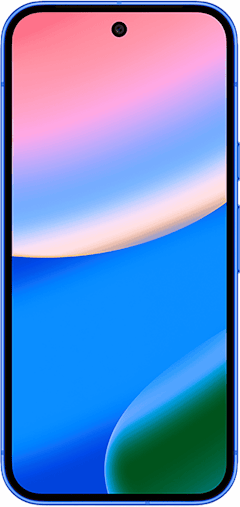
- 6.3 inch display
- Rear Cameras: 50MP, 48MP, 48MP
- Front Camera: 42MP
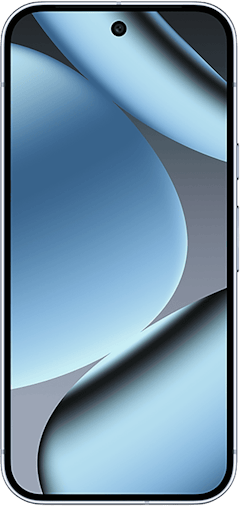
- 6.3 inch display
- Rear Cameras: 50MP, 48MP
- Front Camera: 10.5MP

- 8 inch display
- Rear Cameras: 48MP, 10.5MP, 10.8MP
- Front Camera: 10MP
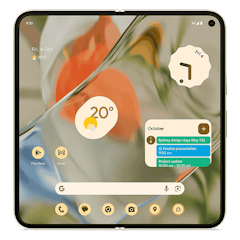
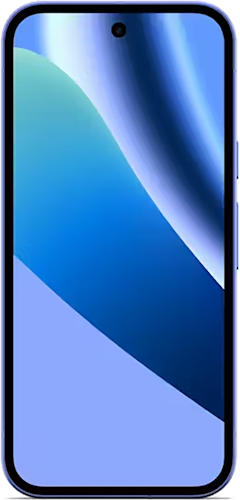
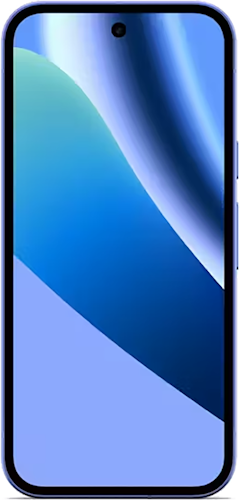
- 8.12 inch display
- Rear Cameras: 200MP, 50MP, 50MP
- Front Camera: 20MP
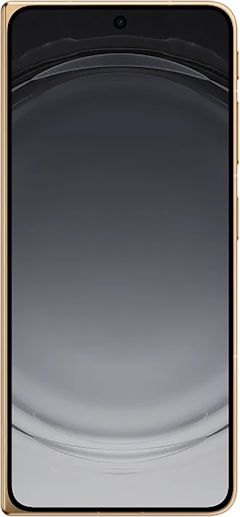
- 6.43 inch display
- Rear Cameras: 64MP, 8MP, 2MP
- Front Camera: 32MP

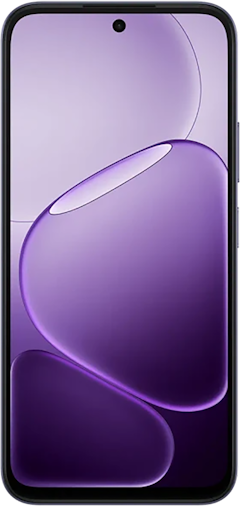
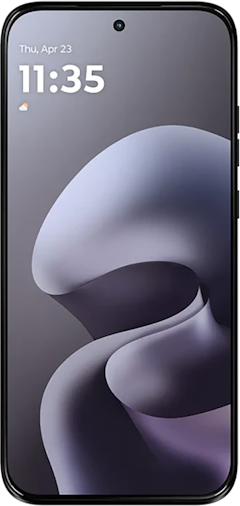
- 6.8 inch display
- Rear Cameras: 50MP, 8MP
- Front Camera: 32MP
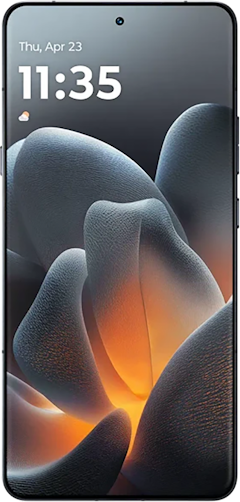
- 6.7 inch display
- Rear Cameras: 50MP, 13MP
- Front Camera: 32MP


- 6.9 inch display
- Rear Cameras: 12MP, 13MP
- Front Camera: 32MP
- 6.7 inch display
- Rear Cameras: 50MP, 8MP
- Front Cameras: 16MP, 16MP

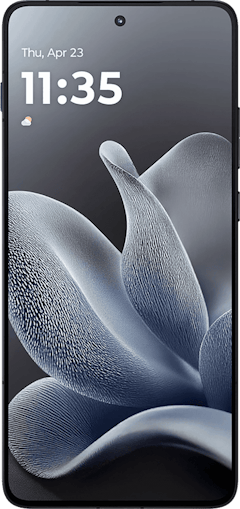
- 6.7 inch display
- Rear Cameras: 50MP, 50MP
- Front Camera: 50MP
5G internet plans
5G home internet is one option if fixed-line NBN doesn't meet your needs. 5G internet is an entirely wireless solution with lightning-fast speeds.
So far, only a handful of providers are offering 5G internet. These include Telstra, Optus, TPG, iiNet, Vodafone, SpinTel, and Yomojo. Plans typically come in three speed tiers: 50Mbps, 100Mbps, and uncapped.
50Mbps and 100Mbps are roughly equivalent to NBN 50 and NBN 100 plans, but tend to be a little bit cheaper. Uncapped plans go as fast as network conditions allow at the time. Each provider makes disclosures around the speeds you can expect, but these typically start at around 200Mbps.
If you choose a plan with speeds up to 25Mbps, you'll get the equivalent of an NBN 25 plan. Speeds may be slower during peak hours. These plans may not be the best value in the long term as they're quite expensive for the speeds you get. It is worth noting Vodafone's plan has a maximum speed of 20Mbps.
Here's pricing for 5G home internet plans with speeds up to 25Mbps:
If you decide to choose a plan capped at 50Mbps, this means it's the equivalent of NBN 50, however, you may experience slightly slower speeds during peak hours. This is a great option if you're either conscious of the price or you know you won't use over 50Mbps.
Here's pricing for 5G home internet plans capped at 50Mbps:
If you choose a plan capped at 100Mbps, this means it's the equivalent of an NBN 100 plan, however, you may experience slightly slower speeds during peak hours. This is a great option for households with multiple members who regularly connect to the internet at the same time.
Here's pricing for 5G home internet plans capped at 100Mbps:
|
TPG

Editor's Pick
$34.99/mth
Min. cost $34.99
Link not supplied
|
|
Optus

$45/mth
Min. cost $45
Link not supplied
|
|
iiNet

$49.99/mth
Min. cost $49.99
Link not supplied
|
|
Vodafone

$60/mth
Min. cost $60
Link not supplied
|
|
Yomojo

$84.90/mth
Min. cost $84.90
Link not supplied
|
Few telcos currently offer uncapped plans. These can go as fast as network conditions allow but exact speeds will depend on your coverage and congestion. Generally, though we have found 200Mbps is a pretty safe average.
|
SpinTel

$89/mth
+ $25 Upfront
Min. cost $114
Link not supplied
|
|
Optus
$89/mth
Min. cost $89
Link not supplied
|
|
Telstra

Editor's Pick
$95/mth
Min. cost $95
Link not supplied
|
|
Yomojo
$105.90/mth
Min. cost $105.90
Link not supplied
|
If you're on an NBN connection type that doesn't support speeds faster than 100Mbps, and 5G is available, it could be a better option for you.
How fast is 5G?
A true 5G speed is difficult to quantify as it will be impacted by the coverage, congestion and interference. Opensignal's national analysis can give us a look at how mobile networks perform when it comes to 5G speeds.
Here's a look at average 5G speeds vs average 4G speeds across the operators' networks.
Source: Opensignal Mobile Network Experience Report Oct 2025
| Telstra | Optus | Vodafone | |
|---|---|---|---|
| 5G Download Speed | 174.5 | 208.4 | 161.8 |
| 4G Download Speed | 53 | 59.3 | 40.1 |
| 5G Upload Speed | 13.3 | 13.8 | 14.7 |
| 4G Upload Speed | 6.9 | 7.3 | 8.8 |
Opensignal's data is based on download and upload speeds experienced by its users across 4G and 5G networks.
5G in Australia FAQs
When will we get 5G in Australia?
Australian 5G mobile networks were switched on in 2019, and coverage continues to grow.
How fast is 5G?
In good conditions, 5G networks in Australia currently offer download speeds of 1Gbps.
Do I need a 5G phone?
There's no need to rush out and buy a 5G phone. If the next phone you want to buy has 5G, that's a great bonus, but you don't explicitly need to upgrade to 5G now. Upgrade when you're ready.
Can 5G replace the NBN?
5G is certainly a viable alternative to the National Broadband Network for some. A handful of providers have 5G home internet plans available.
However, 5G won't replace the need for an NBN in all areas. This is because it's still being expanded across Australia. 5G wireless internet plans rival NBN costs in some respects, both hit similar speeds and 5G is just as reliable as NBN but, again, this is dependent on a variety of factors.
For the most part, providers offer 5G plans for less than their equivalent NBN plans, with the potential for higher speeds for those on certain connection types.
Alex Choros

Related Articles


![[Compared] The best eSIM plans in Australia](https://r3.whistleout.com.au/public/images/articles/2025/09/Phones_with_eSIM.jpg?w=280&h=280&usm=20&usmrad=0.8&fit=crop "[Compared] The best eSIM plans in Australia")


![[Editor's Pick] Best prepaid plans (2026)](https://r3.whistleout.com.au/public/images/articles/2023/08/Pre-paid-Featured.png?w=280&h=280&usm=20&usmrad=0.8&fit=crop "[Editor's Pick] Best prepaid plans (2026)")
