
- Upgraded camera
- Brighter display
- More robust design
- Premium performance
- Camera still not on par with S26 Ultra
- Lacks the wow-factor of the Z Fold 8
- Doesn’t offer full Qi2 out of the box
- Offputtingly expensive
If the Galaxy Z Fold 8 is too much of a departure from last year’s Galaxy Z Fold 7 for your liking, the new Galaxy Z Fold 8 Ultra might be more your speed. The short version is that it's a successor to last year’s Z Fold in all but name, pairing up a largely familiar form-factor with bolstered durability and the usual spec-bump.
Even if challengers like the OPPO Find N6 and Samsung’s own Galaxy Z Fold 8 might have the edge when it comes to design, those who hew towards a more refined take over one that touts itself as a revolution will likely find plenty to like here.
The case for the Galaxy Z Fold 8 Ultra as the foldable to beat is harder to make, but the hardware involved is as formidable as ever.
Slimmer and similar
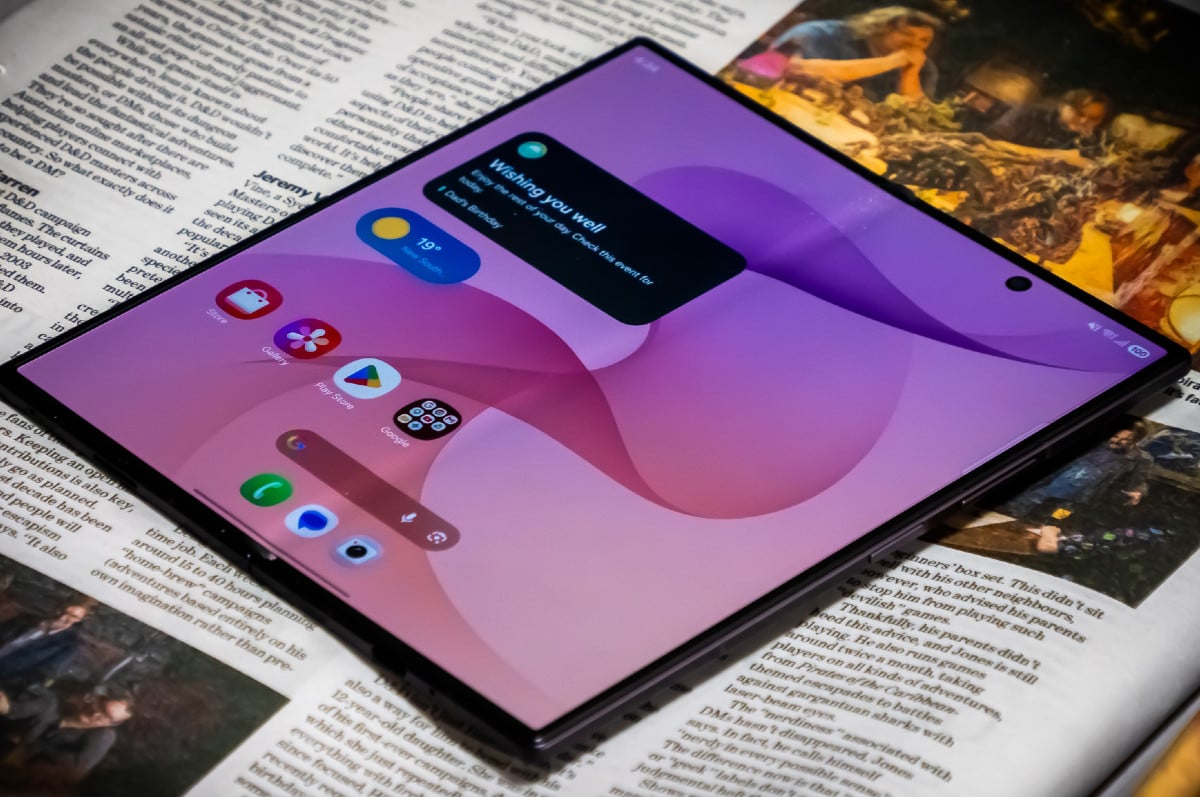
At 4.1mm, the Galaxy Z Fold 8 Ultra is Samsung's slimmest take on a big-screen foldable to date. However, for anyone who has handled a candy-bar-shaped foldable like with one before, that subtraction may end up feeling like more of a marginal gain. For the most part, Samsung’s flagship foldable for 2026 looks and feels a lot like its predecessors.
As with last year’s Galaxy Z Fold 7, the device pairs up a 6.5-inch cover display and an 8-inch inner one. Both of these screens are of the same quality – Dynamic AMOLED 2X – as Samsung’s other premium smartphones and are clocked at a familiar but formidable 120Hz.
That’s not to say these are the same screens as those found on last year’s foldable, though. Compared to the Galaxy Z Fold 7, the Z Fold 8 Ultra boasts both greater resolution and a higher peak brightness of 3,000 nits. What’s more, that’s far from the only front where the Galaxy Z Fold 8 Ultra has the advantage.
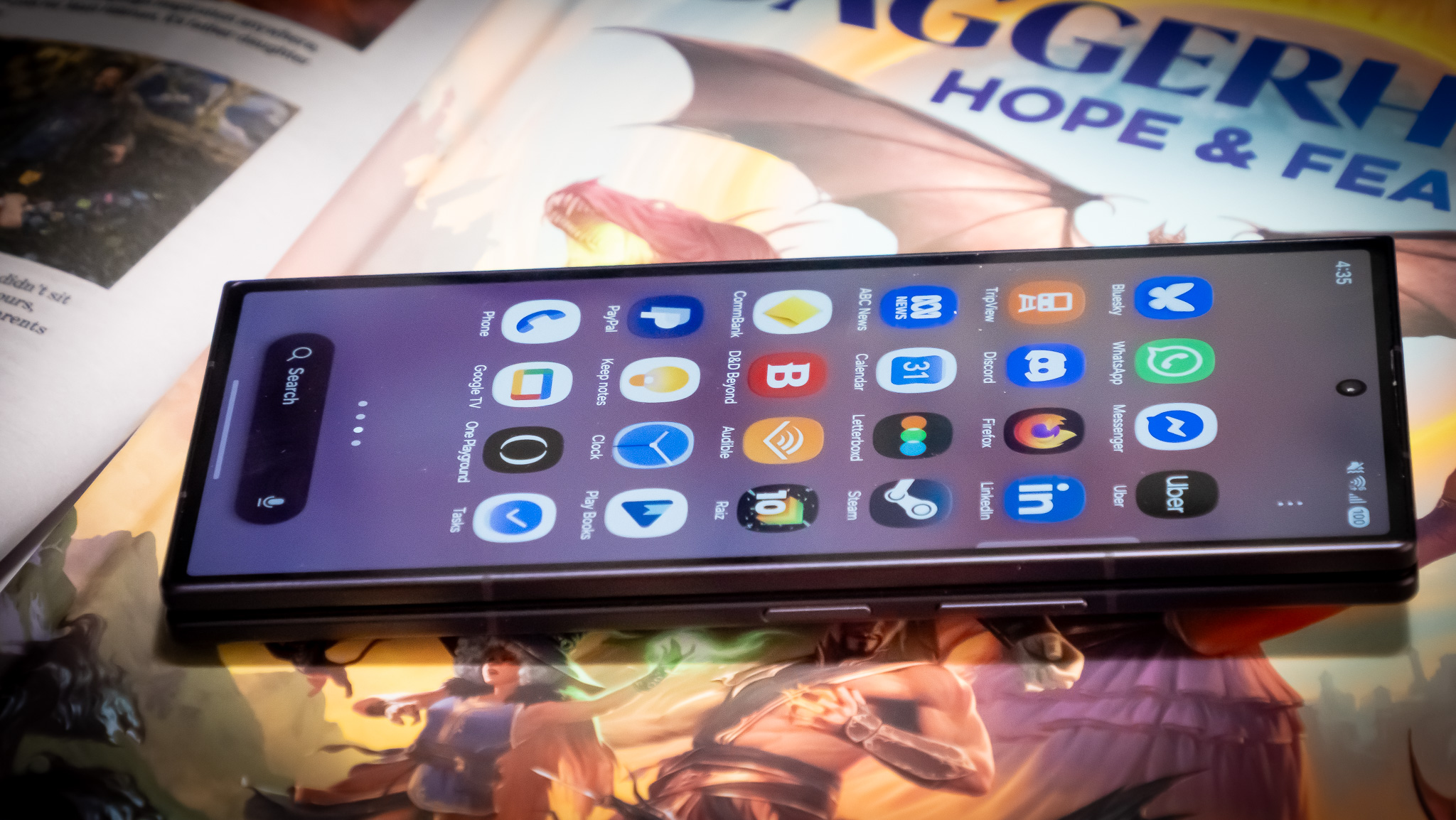
As usual, Samsung has snuck in a few tweaks that promise additional durability – which is always nice to see when it comes to foldable devices like this one. More specifically, the new Galaxy Z Fold 8 Ultra incorporates an anti-reflective display and new flex titanium durability.
The latter promises to offer up a foldable screen with a less visible crease than the one found on its predecessors. In practice, I wouldn’t say it’s as impressive as something like OPPO’s Zero-Feel crease from the Find N6, but it does feel like a notable improvement on an area where Samsung has traditionally lagged behind.
The hinge on the spine of the Galaxy Z Fold 8 Ultra has also been tweaked to make the device easier to unfold. Opening and closing the screen on the Galaxy Z Fold 8 Ultra isn’t as magical as it once was, but it remains satisfying to do so whenever the occasion arises.
Most of the time though, I’d default to using the Galaxy Z Fold 8 in its folded-up form-factor. Now that the cover display is as large as it is, it works well enough for most things. Your mileage may vary, but outside of showing someone video content or wanting to take advantage of the larger screen for gaming, there just weren’t that many situations where the relatively small extra step of unfolding the device felt truly worth that effort. As futuristic as the form-factor here is, it’s still much easier to fall into the usual routine than change your habits when it comes to smartphone usage.
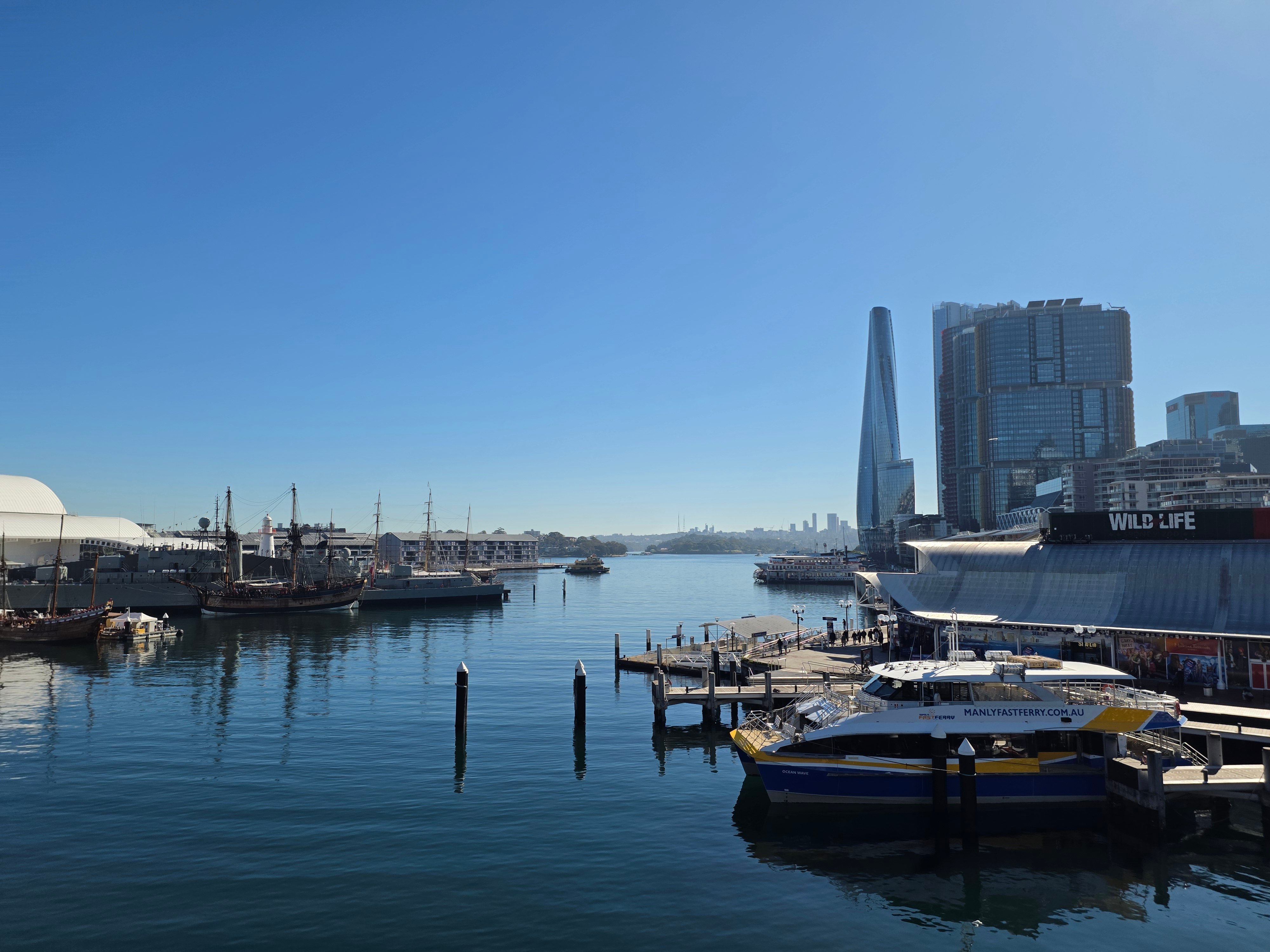
On the back, the Galaxy Z Fold 8 Ultra features a 50MP ultra-wide lens, a 200MP main camera and a 10MP telephoto lens. This setup is similar to the one found on the Galaxy S26 Ultra, though it isn’t quite a match. The 50MP periscope lens on the pinnacle of the S26 series is missing in action. While this omission doesn’t curtail the camera capabilities of the Samsung Galaxy Z Fold 8 Ultra too sharply, it does still sting when you factor in the price.
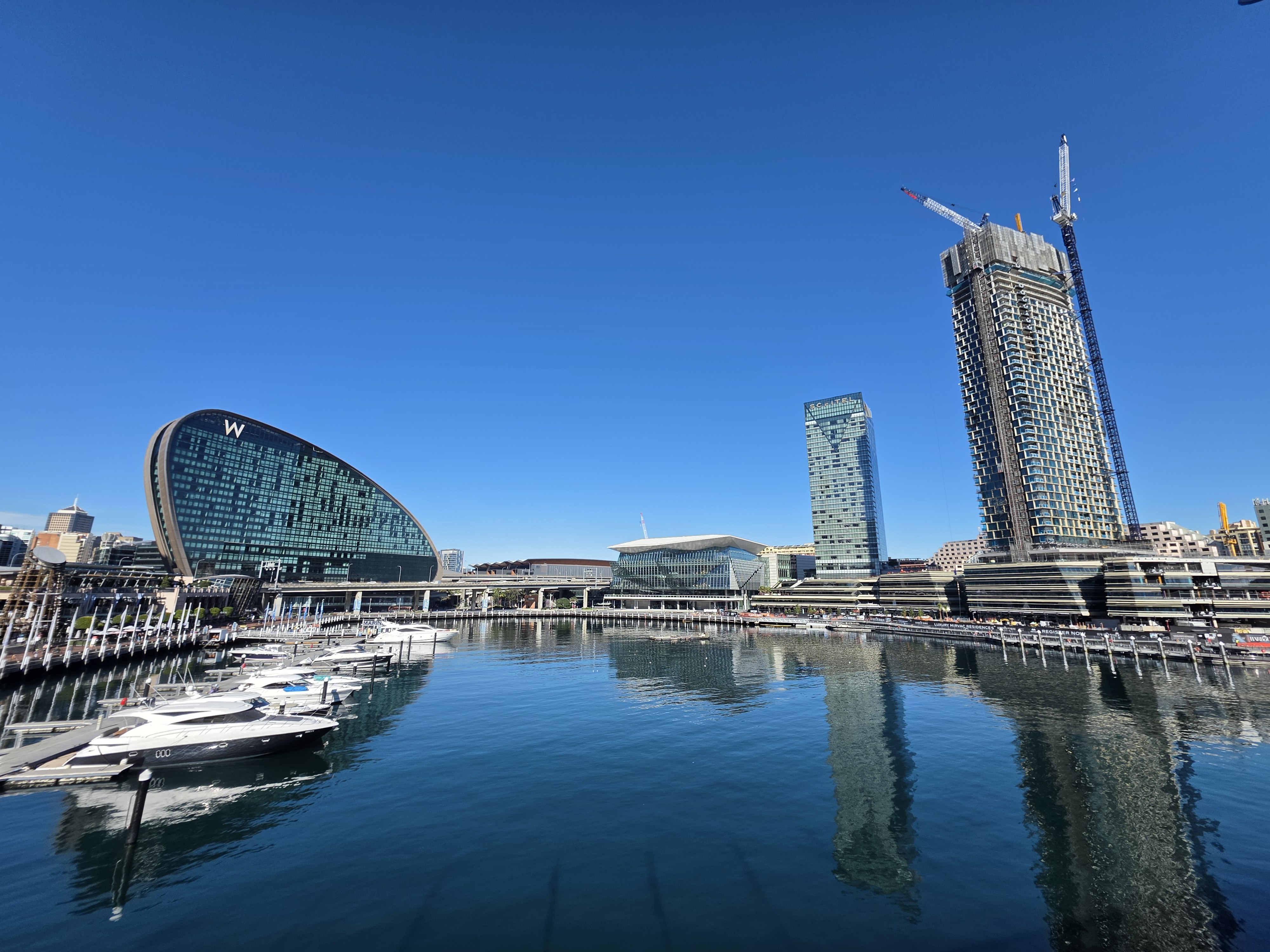
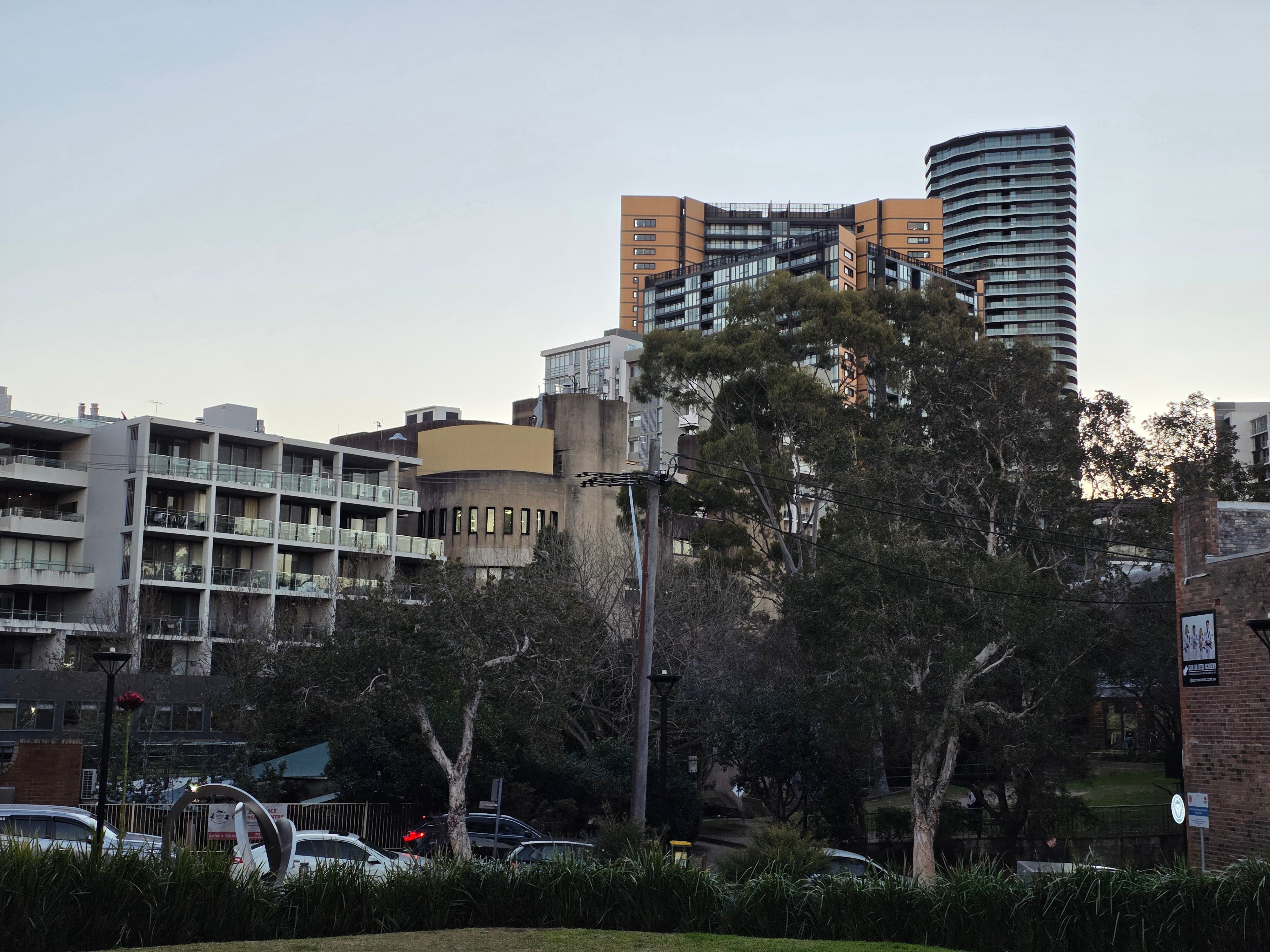
When you’re paying an extra $800 or so, it feels like you ought to be getting a camera that’s a little closer to best-in-class than the one found here. Still, in the right conditions, the camera on the back of the Galaxy Z Fold 8 Ultra did a decent job. Daylight snaps were bright, detailed, and reliably in-focus. Low-light shots were a little bit inconsistent by comparison, though generally not too far from the bar set by the Galaxy S26 Ultra.
Samsung Galaxy Z Fold 8 Ultra camera samples
For a sense of what the camera on the Samsung Galaxy Z Fold 8 Ultra can do fresh out of the box, check out the image gallery below. Click or tap on any photo to see a larger version.





Snappy performance and a premium that bites
The performance side of things is a little more in line with the expectations that the Samsung Galaxy Z Fold 8 Ultra’s lofty price tag brings to the table by comparison. Samsung’s new flagship foldable is powered by the same Snapdragon 8 Elite Gen 5 for Galaxy found inside its premium siblings, and that hardware mostly lives up to the hype.
In practice, the software experience offered by Samsung’s latest premium foldable was as snappy as you’d expect, with apps loading fast and minimal multitasking issues. When it came to games, even more-demanding titles like Destiny: Rising performed well.
As for everyday battery life, the Samsung Galaxy Z Fold 8 Ultra would typically get me through the day with around 40% battery remaining by the time I decided to call it a night. Usually, that longevity translated to around three to four hours of screen time. Pushed closer to its limits, the Galaxy Z Fold 8 Ultra didn't quite deliver double that sum. Still, it got close to it with around five to six hours of screen time.
The baseline model comes with 12GB of RAM, 256GB of on-board storage, and a 5,000mAh battery as standard. More expensive variants of the device offer the option to bump the on-board memory up to 16GB and the on-board storage up to 1TB. However, these upgrades aren’t cheap. Shelling out for the highest spec model available will cost you just shy of an extra grand all up.
For what it's worth though, this incarnation of the Galaxy Z Fold is built to go the distance in a way that goes beyond the durability improvements that Samsung has made to the design. Out of the box, the Galaxy Z Fold 8 Ultra comes with seven years of security and operating system updates. When it comes to Android devices, that’s pretty much as good as it gets.
Meanwhile, when it comes to charging, the Galaxy Z Fold 8 Ultra supports 45W wired charging via USB-C and up to 20W wireless charging. The usual caveats apply, though. The device isn't needed for full compatibility with Qi2 and MagSafe, so you’ll need to get a case that bridges that gap. As usual, you’ll also need to pay extra for a wired charger capable of delivering that 45W fast-charging. Ultimately, this feels like yet another front where the Ultra doesn’t quite deliver on the high expectations set by its moniker.
Samsung Galaxy Z Fold 8 Ultra - Final Thoughts
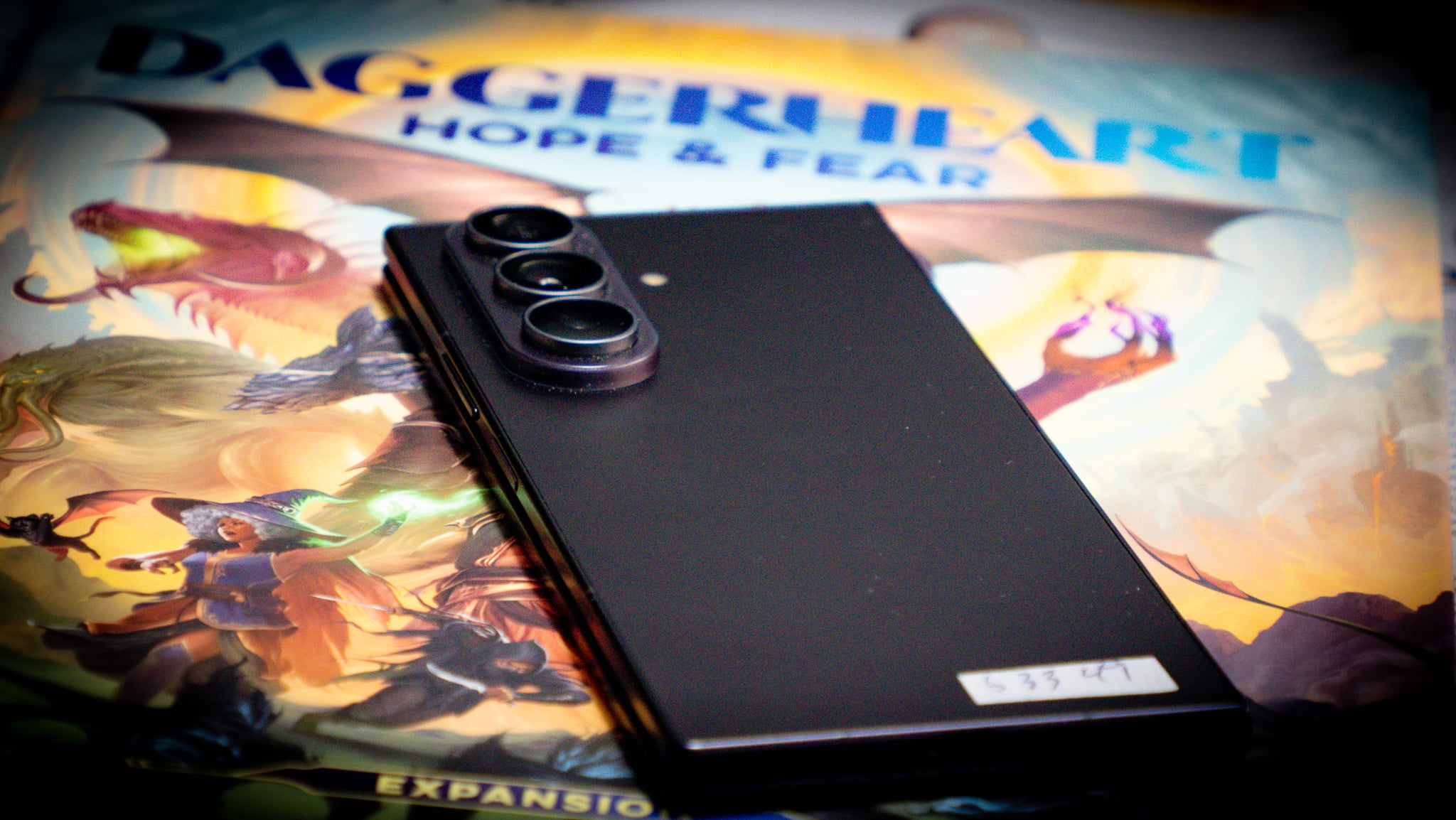
While the Samsung Galaxy Z Fold 8 Ultra doesn’t have absolutely nothing to show for a higher asking price, the fact that the upgrades found here are largely invisible does a lot to make for a device that rarely feels like more than the sum of its parts. An upgraded camera, slimmer design and more robust foldable screen make for a better experience, but they do little to diminish the increasingly familiar trade-offs.
Even if you’re getting a lot more for your $2,999 than you did for the original Galaxy Fold back in 2019, that asking price feels harder to justify in 2026. You’re still not getting the best smartphone camera that Samsung offers, and you still have to pay even more if you want more memory or even just to make full use of the fast and wireless charging – and all that’s before you factor in the increasingly compelling competition.
If you’re after the best foldable Samsung makes, you need look no further. The Galaxy Z Fold 8 Ultra sets a new bar for Samsung, but the fronts where it falls short are a timely reminder that the manufacturer who brought foldables to the mainstream is no longer the only game in town, and just because a product has the word Ultra in its name doesn’t mean you – or the manufacturer – can’t do better.
These are the most popular NBN 50 plans with WhistleOut users this week:
|
#1
|
Dodo

All Fixed Line nbn®
Editor's Pick
nbn50 Unlimited Plan
$57.99/mth
Min. cost $57.99
|
|
#2
|
amaysim

All Fixed Line nbn®
NBN50
$45/mth
Min. cost $45
|
|
#3
|
Tangerine Telecom

All Fixed Line nbn®
Value Plus NBN 50/20
$64.90/mth
Min. cost $64.90
|
|
#4
|
TPG

All Fixed Line nbn®
nbn50 Unlimited Plan
$69.99/mth
Min. cost $69.99
Link not supplied
|
|
#5
|
Aussie Broadband

All Fixed Line nbn®
Value nbn - Unlimited
$70/mth
Min. cost $70
|
|
#6
|
Superloop

All Fixed Line nbn®
Extra-value nbn50/20
$69/mth
Min. cost $69
|
|
#7
|
iiNet

All Fixed Line nbn®
nbn50 Liimitless
$69.99/mth
+ $10 Upfront
Min. cost $79.99
Link not supplied
|
|
#8
|
Belong

All Fixed Line nbn®
NBN Standard Plus – Unlimited
$55/mth
Min. cost $55
|
|
#9
|
Kogan Internet

All Fixed Line nbn®
Silver Unlimited
$69.90/mth
Min. cost $69.90
|
|
#10
|
Flip

All Fixed Line nbn®
Unlimited Family nbn50
$68/mth
Min. cost $68
|

Fergus Halliday
Digital Content Editor

Related Articles


