
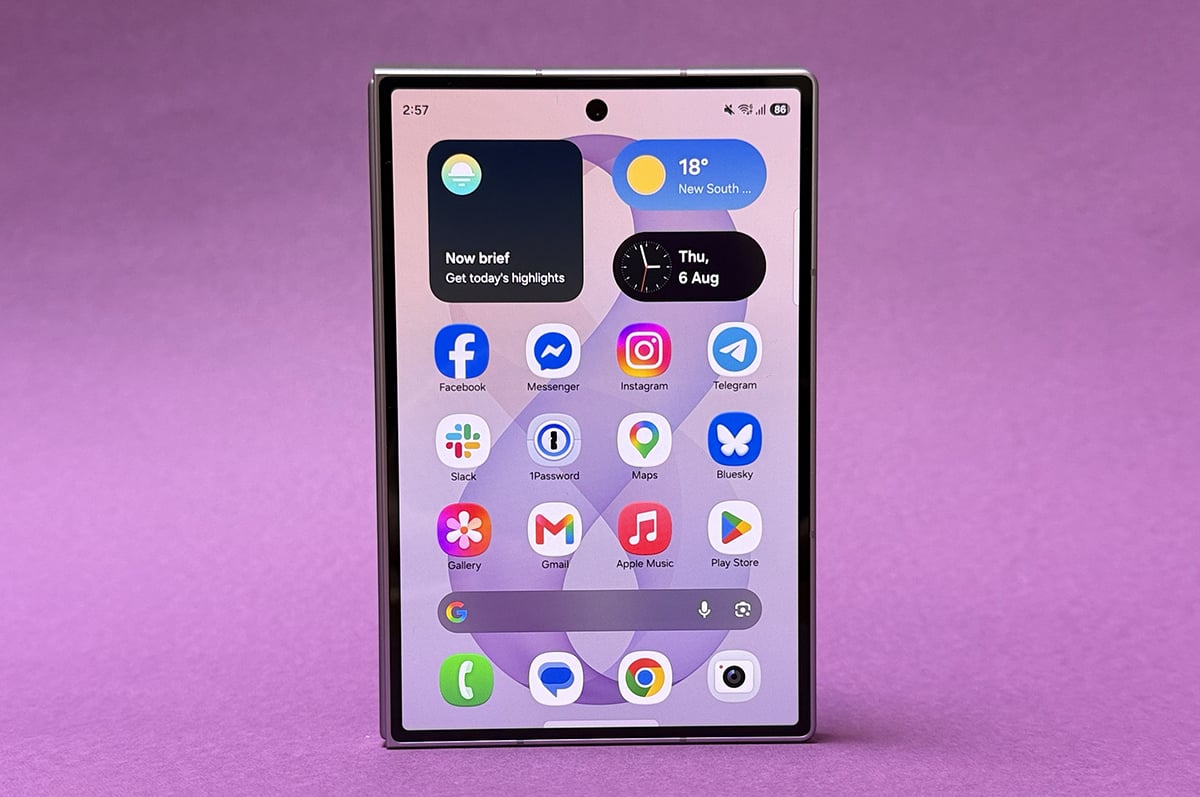
- New, wider design
- Long battery life
- Almost no display crease
- Primary camera lens is just "good"
- Not as dust resistant as rivals
- Very expensive
In some ways, the Galaxy Fold 8 isn’t that radical from Samsung’s previous book-style foldables. It’s still a medium phone that opens up to become a larger one. It’s just a slightly different shape. At the same time, the new, wider shape makes a significant difference to how I’ve used the phone. The Galaxy Z Fold 8 has a more conventional tablet aspect ratio when unfolded - think an iPad mini - and that’s had me opening up the device perhaps more than any past foldable.
Samsung Galaxy Z Fold8 256GB Plans
|
#1
|
Optus

$60 Optus Choice Plus Plan
$97.28/mth
Min. cost $2,737.56
|
|
#2
|
Vodafone

$58 Small Plan
$119.97/mth
Min. cost $2,743.92
|
|
#3
|
Telstra

$84 Essential Upfront Mobile Plan
$148.97/mth
Min. cost $2,772.92
Link not supplied
|

Funky fresh
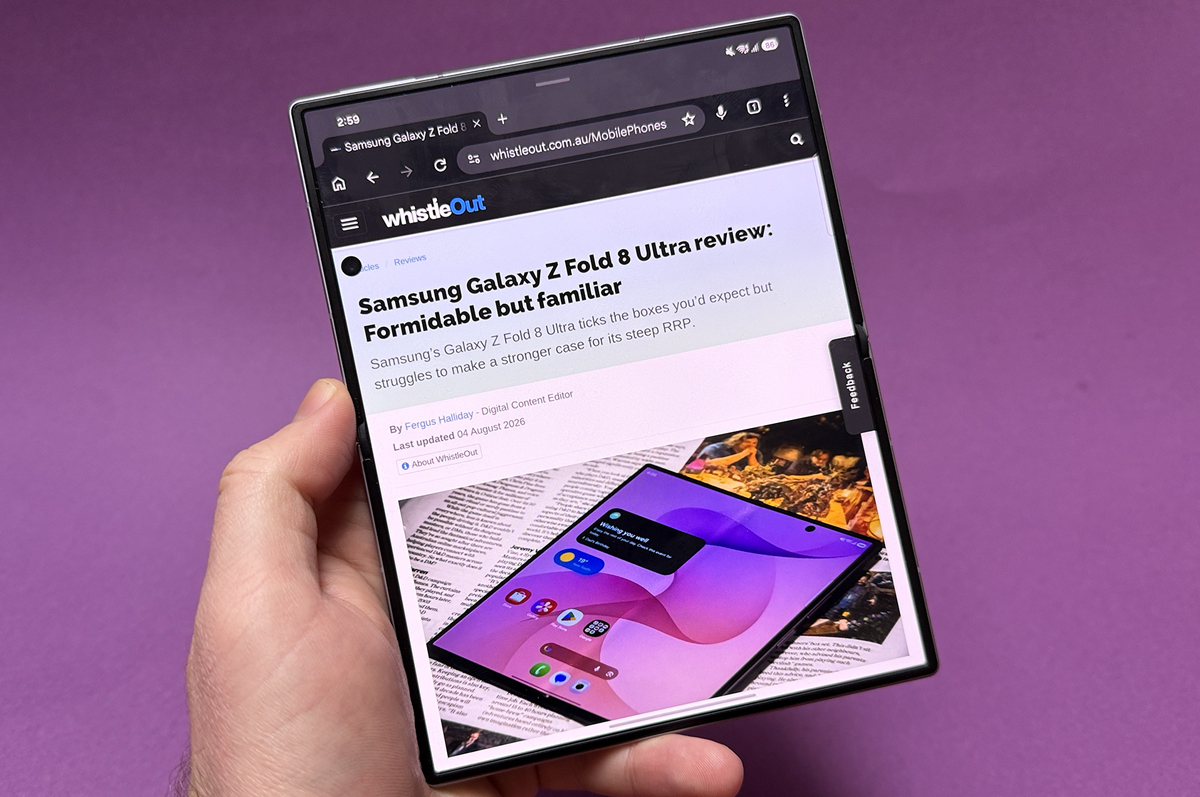
With earlier generation book-style foldables, you had to unfold them to use them. The cover displays simply weren’t usable enough for anything more than replying to a message, and even then, on some it was a struggle. As foldables have matured, the external displays have become more conventional, and you can do most tasks without needing to open the phone.
In his Galaxy Z Fold 8 Ultra review, my colleague Fergus wrote the following:
“Most of the time though, I’d default to using the Galaxy Z Fold 8 in its folded-up form-factor. Now that the cover display is as large as it is, it works well enough for most things.”
It’s a catch-22 I’ve also experienced when testing devices, but the Galaxy Z Fold 8 strikes a new balance. The phone isn’t just Samsung’s widest book-style foldable, but its smallest and lightest.
The external display is 5.5-inch, but with a somewhat unusual passport-like shape. It’s about the same width as a Galaxy S26 Ultra, but much shorter. While the aspect ratio is a bit odd, I haven’t had issues with apps running weirdly on it. If you’re replying to a message, the keyboard will take up most of the screen, but you can still see what you’re replying to while also being able to type comfortably. And as a Small Phone Defender, it’s been nice carrying a device that’s almost akin to an iPhone mini, but that can become bigger on demand. The Galaxy Z Fold 8 Ultra’s 6.5-inch display doesn’t hit the spot in the same way.
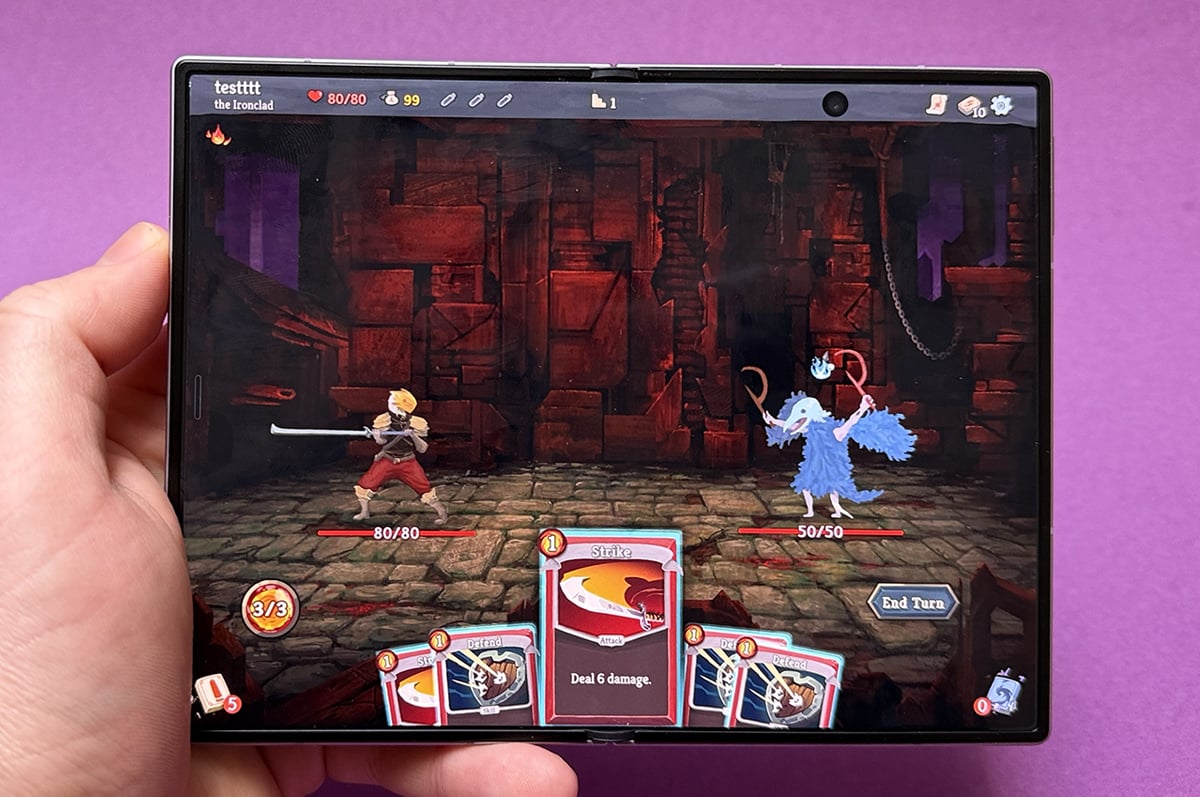
Unfolding the Galaxy Z Fold 8 not only gets you a bigger 7.6-inch screen, but one that I’ve found more useful than what we’ve seen on past foldables. When coupled with the light build, flipping the Galaxy Z Fold 8 into portrait makes for a really nice reading device reminiscent of a Kindle. In fact, I’d say most apps tend to look better in portrait. Scrolling Bluesky or replying to a message feels very silly in landscape unless you’ve got two apps open side-by-side. When in landscape, your video isn’t overwhelmed by black bars as it would be on squarer foldables. And since 4:3 is the tablet aspect ratio, there’s a better chance of games running the way they’re intended to on the Galaxy Z Fold 8.
Importantly, Samsung has finally all-but-solved the display crease on the Galaxy Z Fold 8. It isn’t quite as invisible as on OPPO’s Find N6, but it has been minimised to the point where it may as well not be there.
Camera concerns
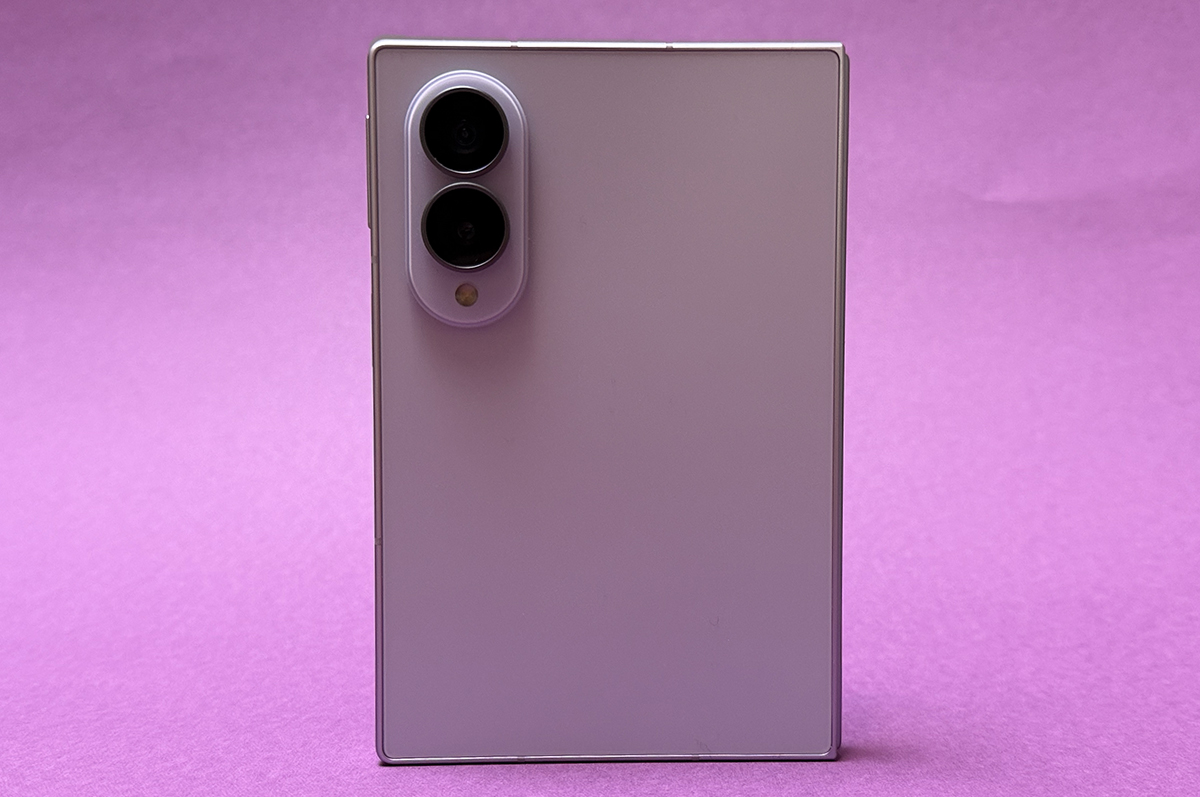
When it comes to core competencies, camera quality is the main trade-off made by the Galaxy Z Fold 8. The primary lens is the same 50MP shooter found on the Galaxy S26, which wasn’t great on a $1,599 device, let alone one that costs $2,699. Even dim lighting is enough to create noticeable noise in a photo. It’s not like the photos the Galaxy Z Fold 8’s primary lens ever takes veer into “bad” territory, but they’re stuck at merely “good”. The camera is functional, rather than inspirational.
The Galaxy Z Fold 8’s primary lens has been paired with a 50MP ultra-wide, which has been recycled from the Galaxy S26 Ultra. This camera is actually pretty damn good as far as ultra-wide lenses are concerned, and also enables a great macro mode. In low light, I found the ultra-wide can shoot faster than the primary lens, which is a weird situation for any phone.
The main omission is any kind of telephoto lens. A $2,699 phone with just two cameras is a tough sell for anyone photographically inclined, no matter how curious they are about foldables.
Galaxy Z Fold 8 camera samples
Check out these camera samples taken on the Samsung Galaxy Z Fold 8. Click or tap on any photo to see a larger version.
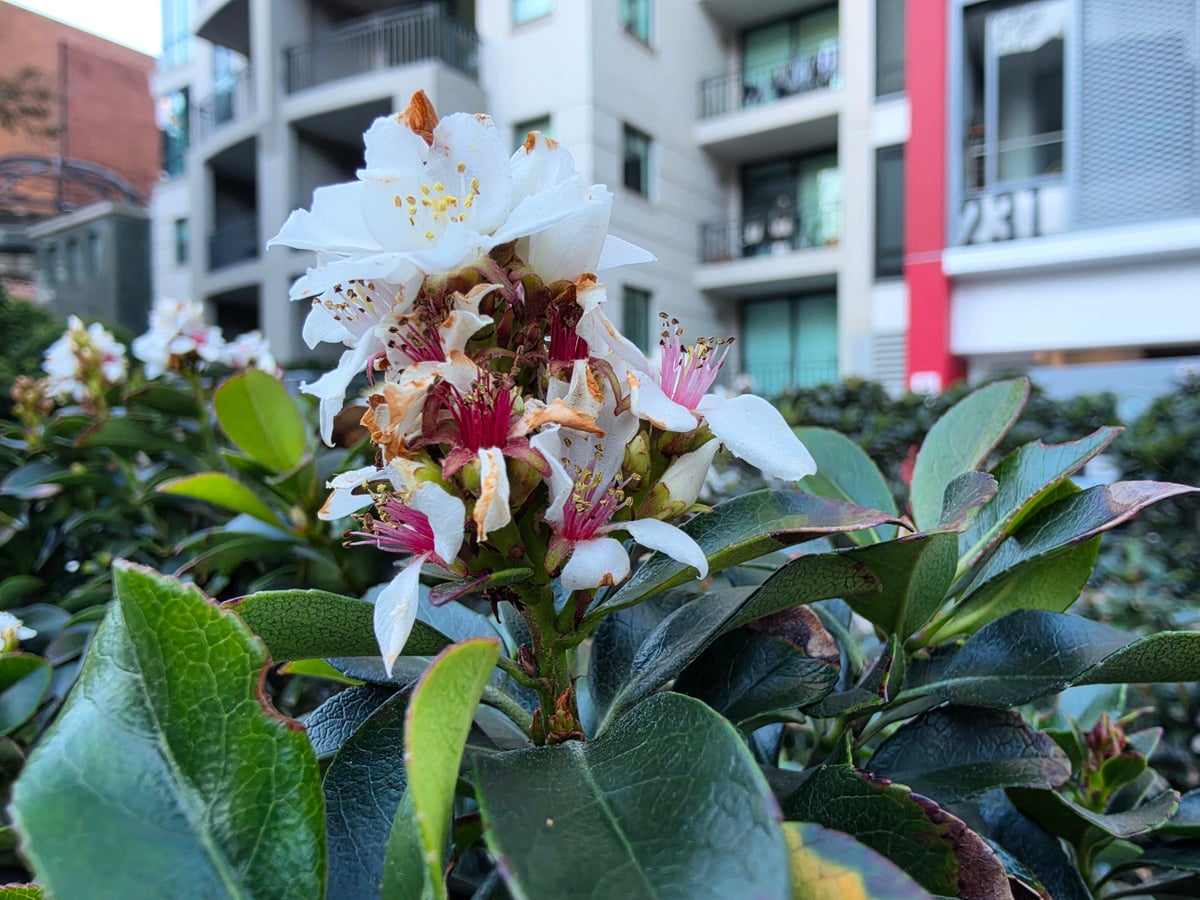


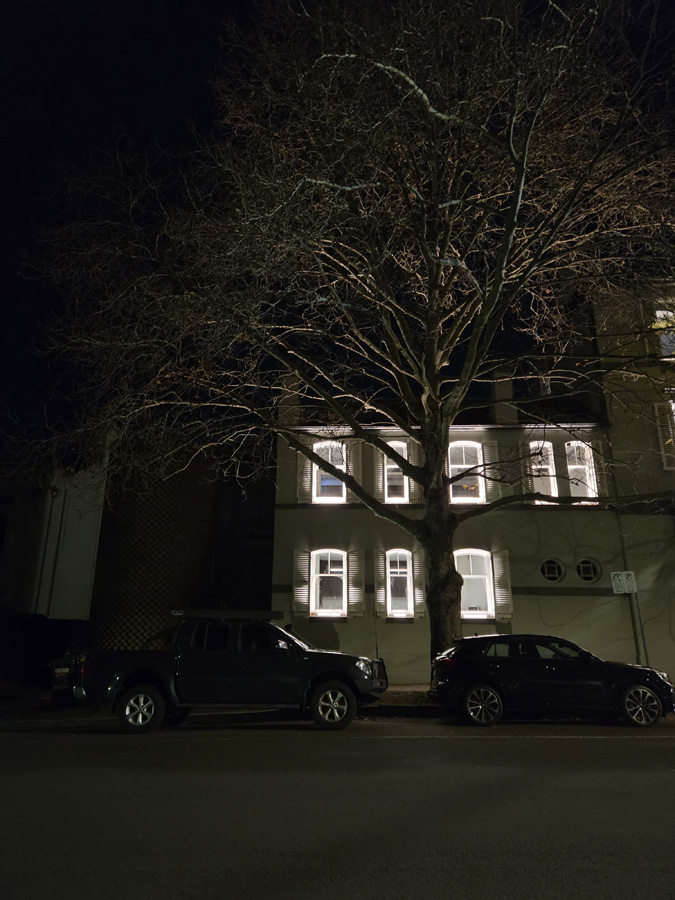
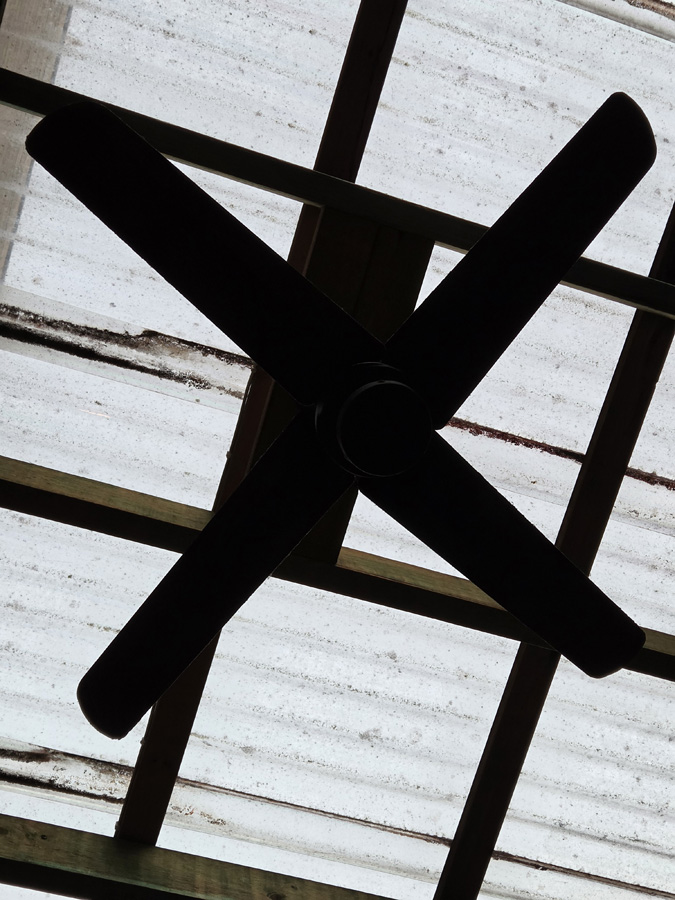

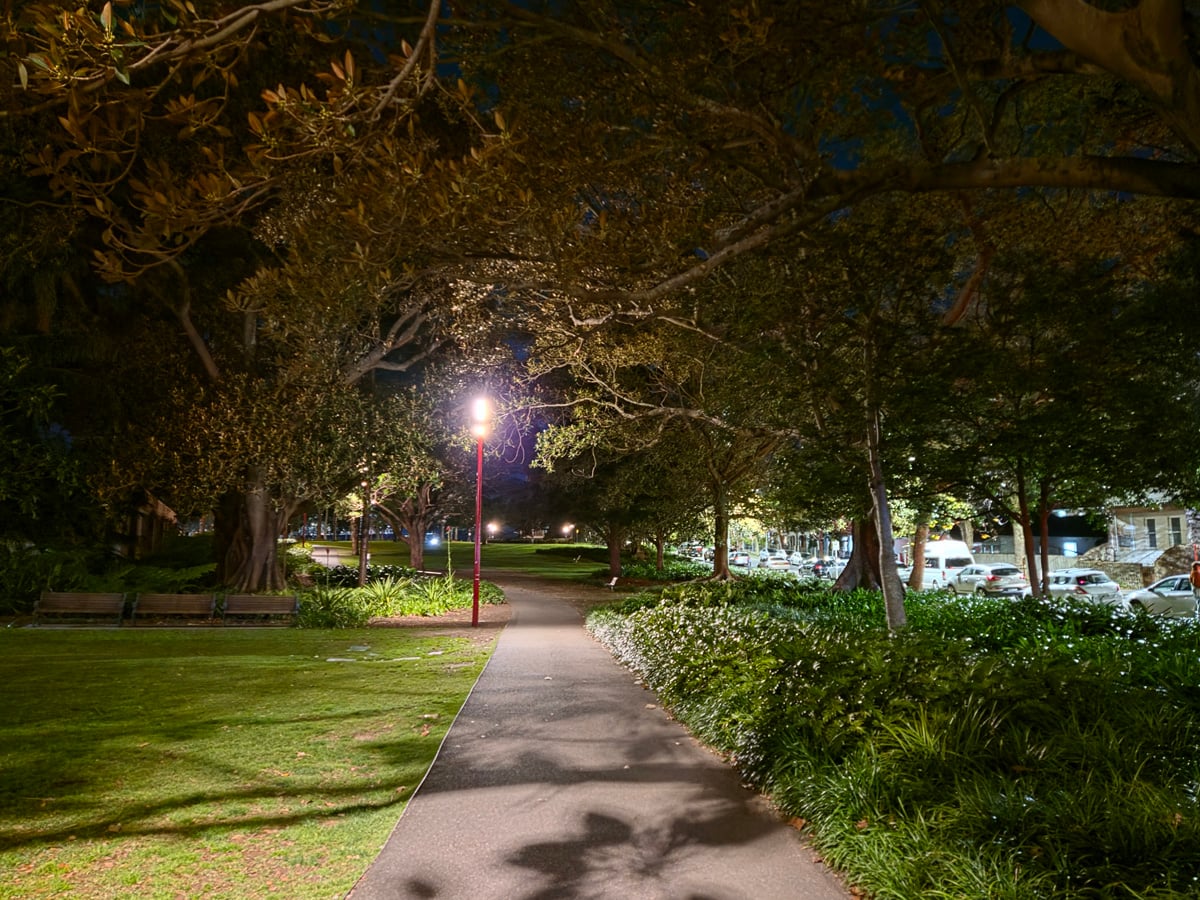
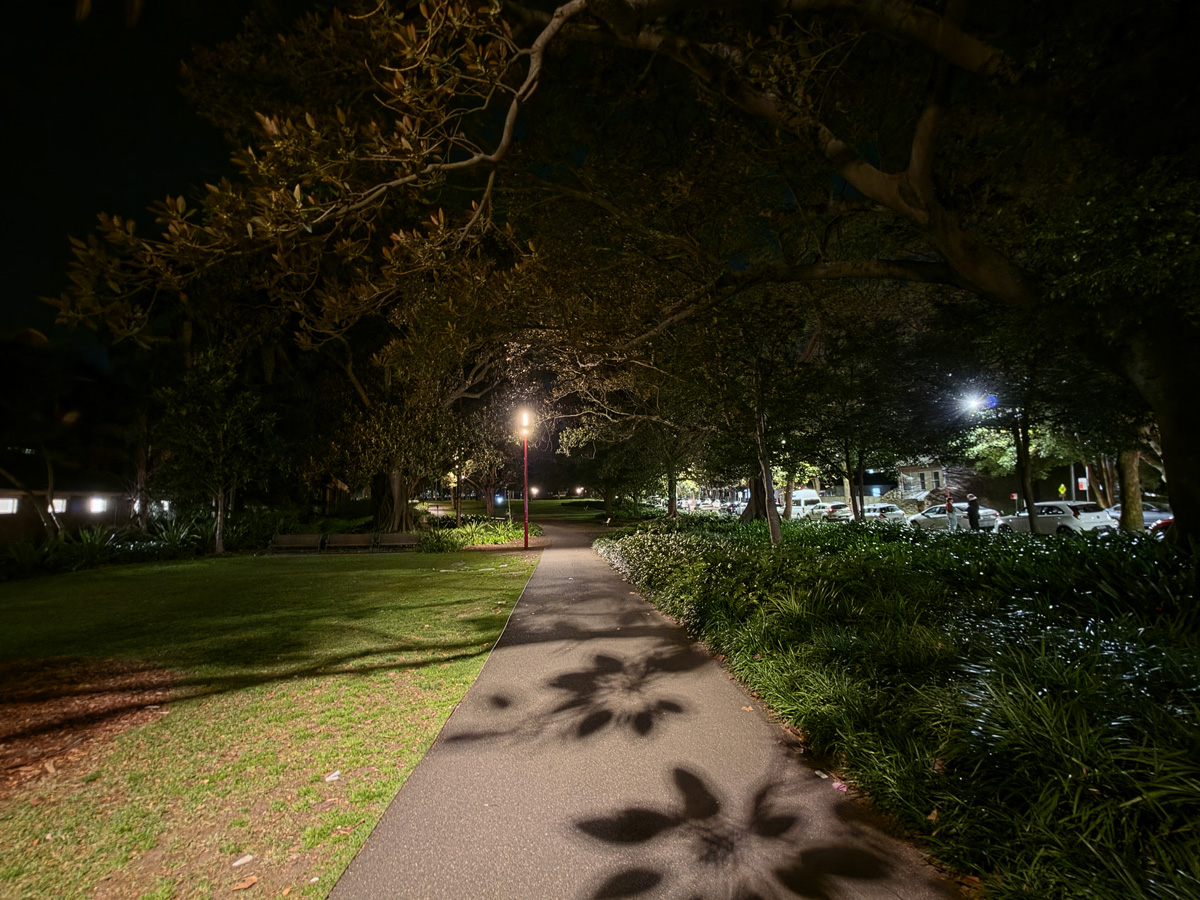
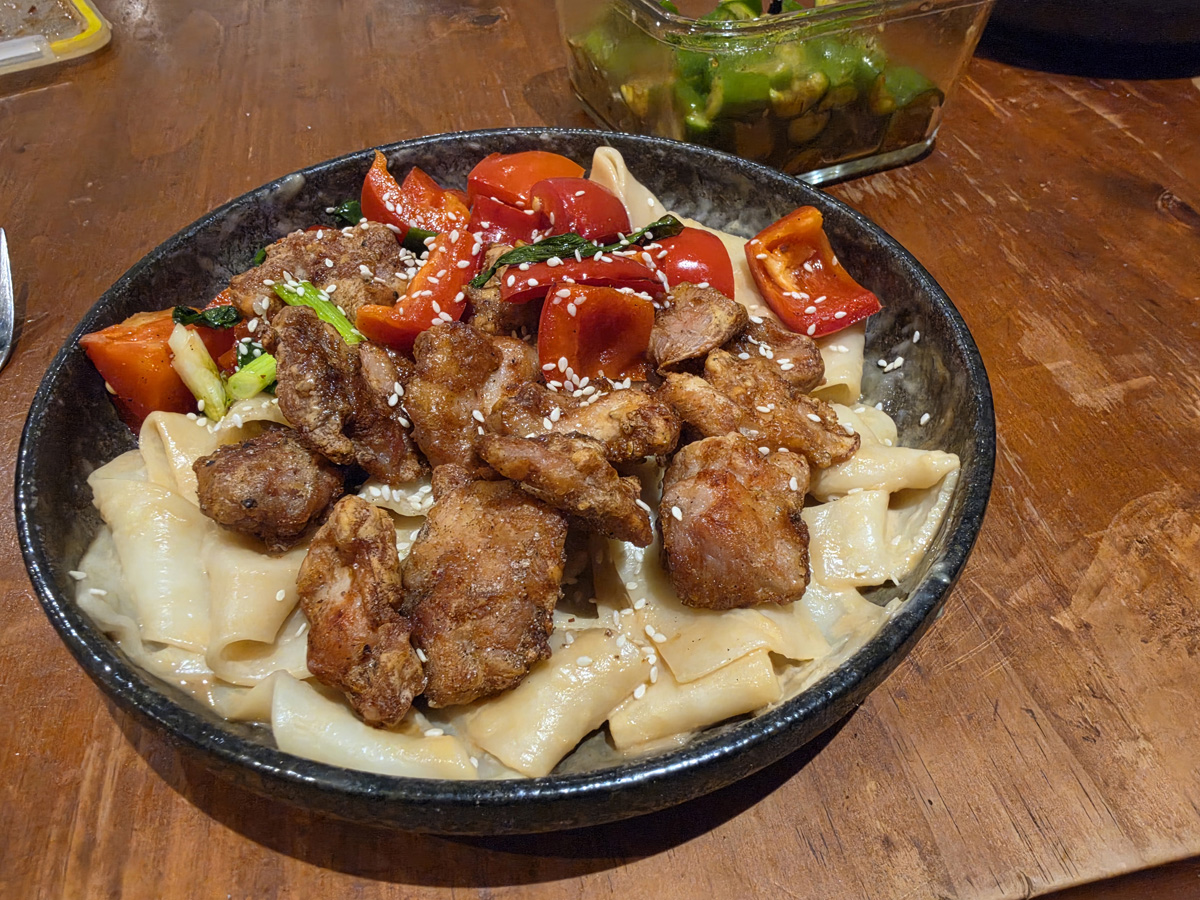

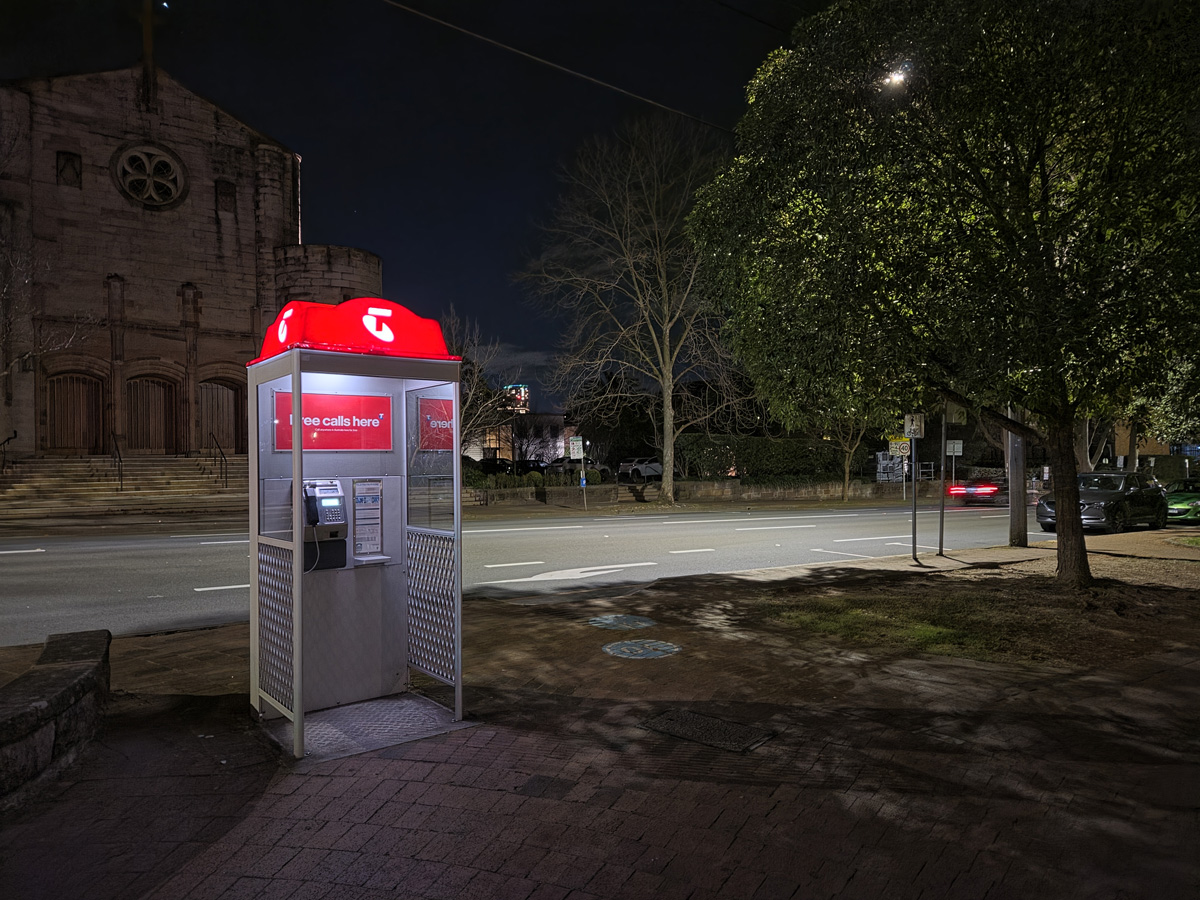

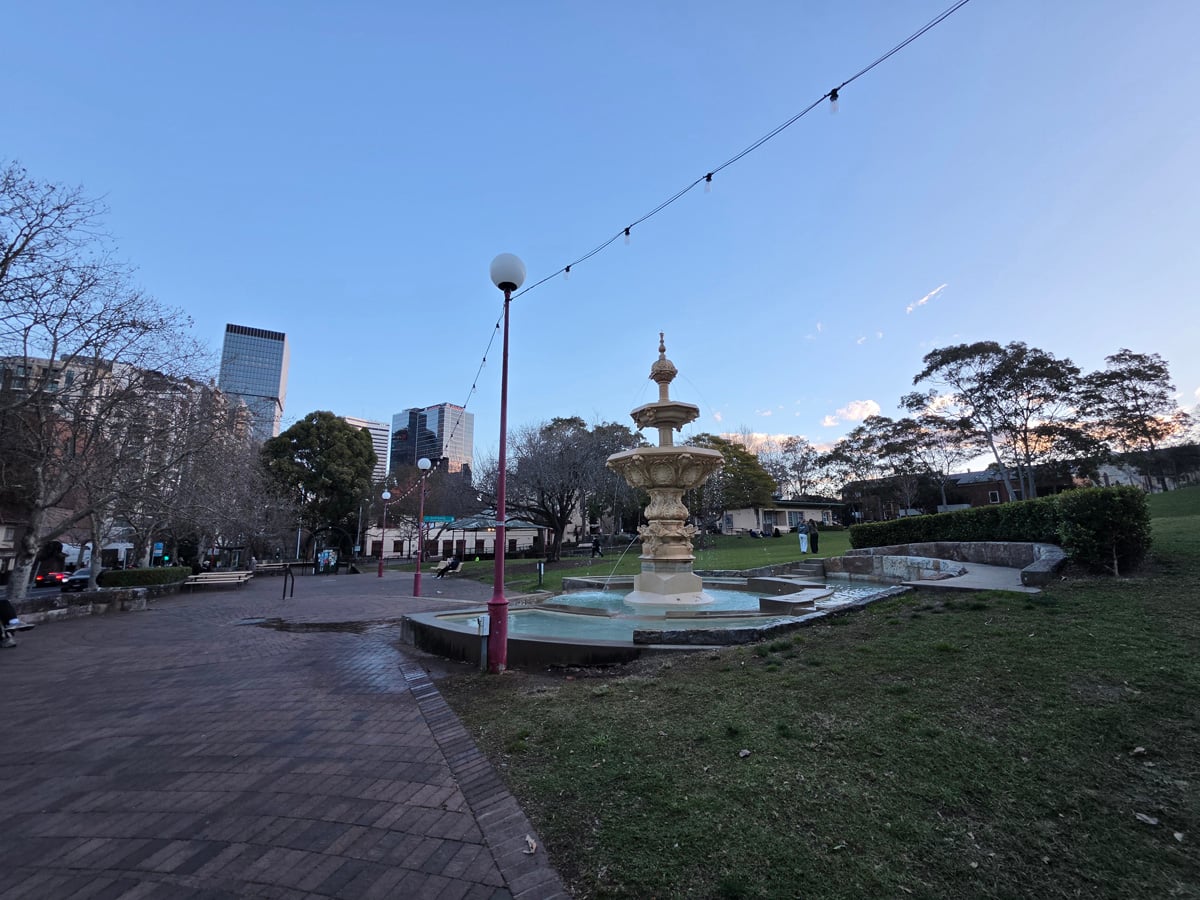
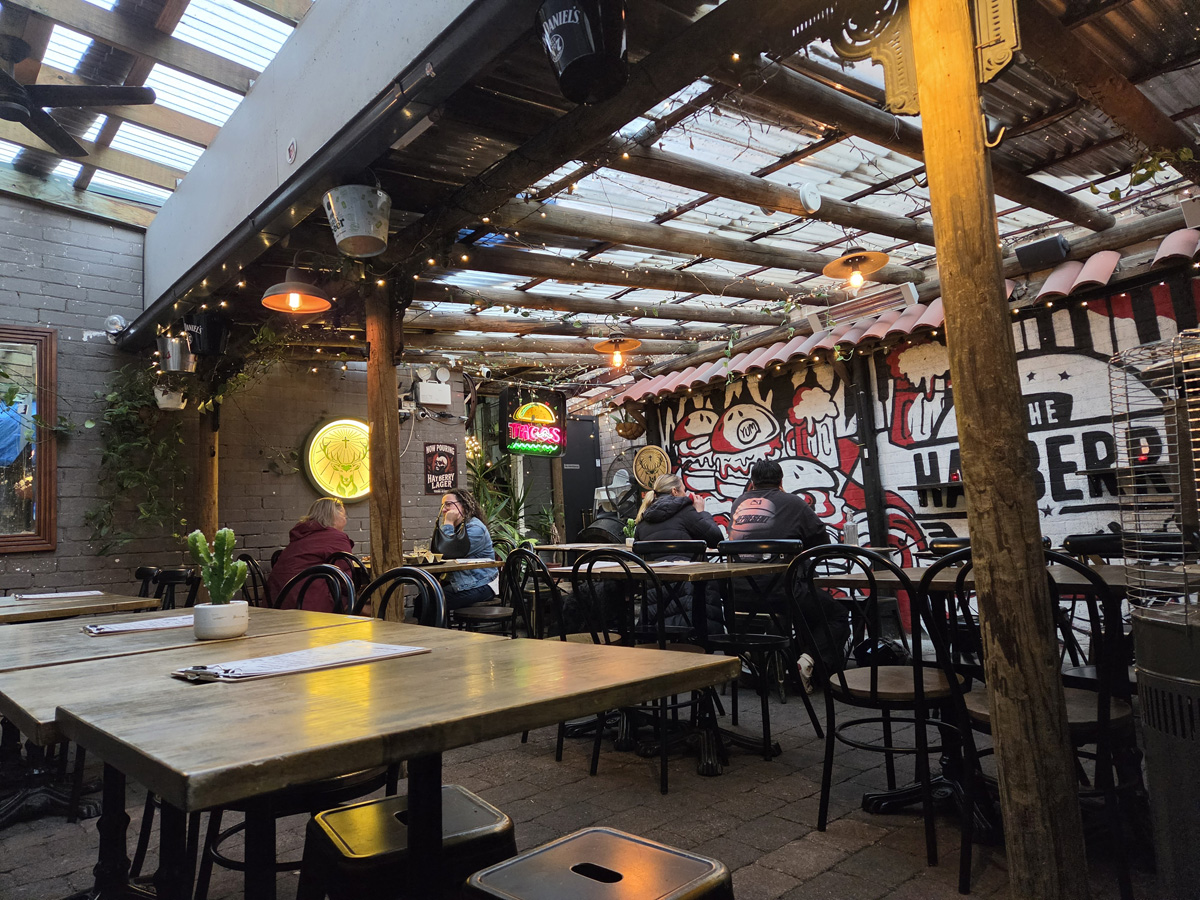
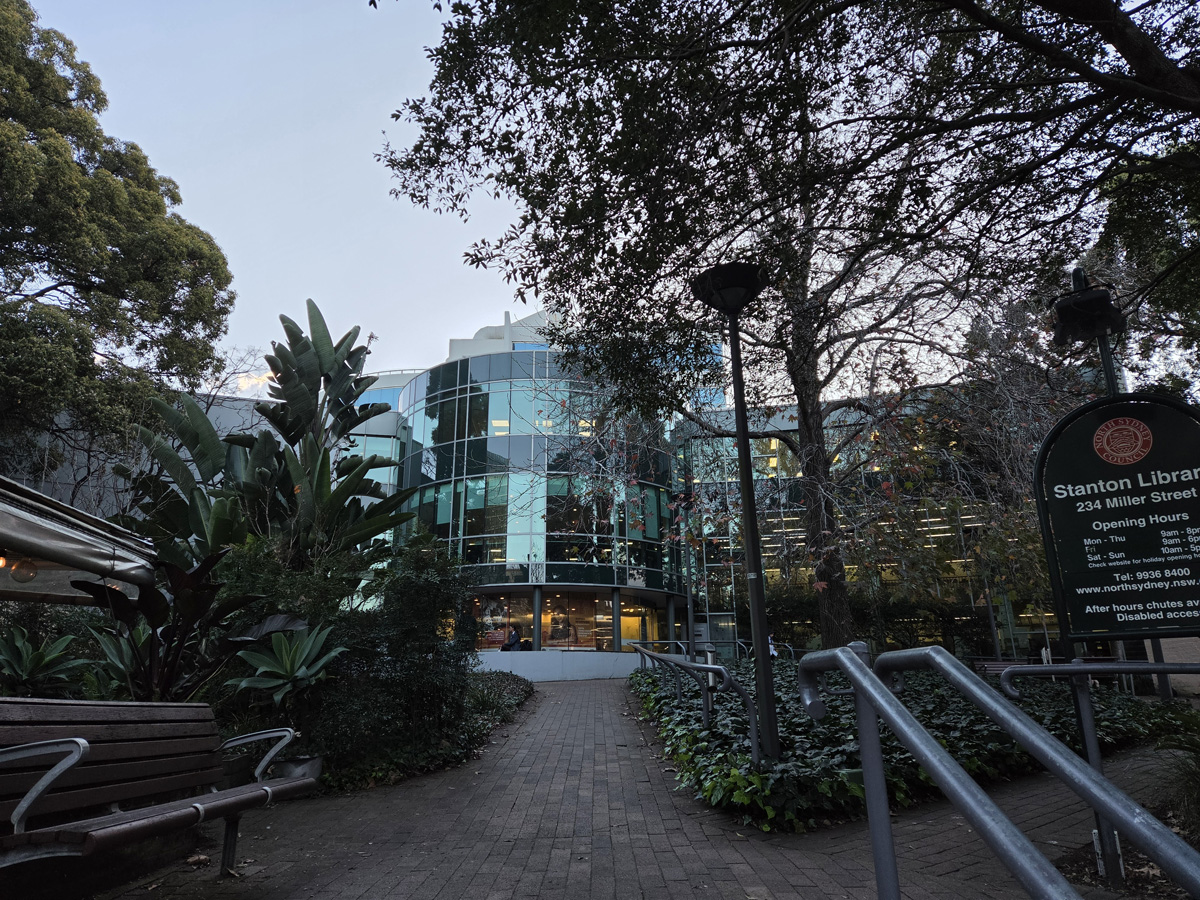
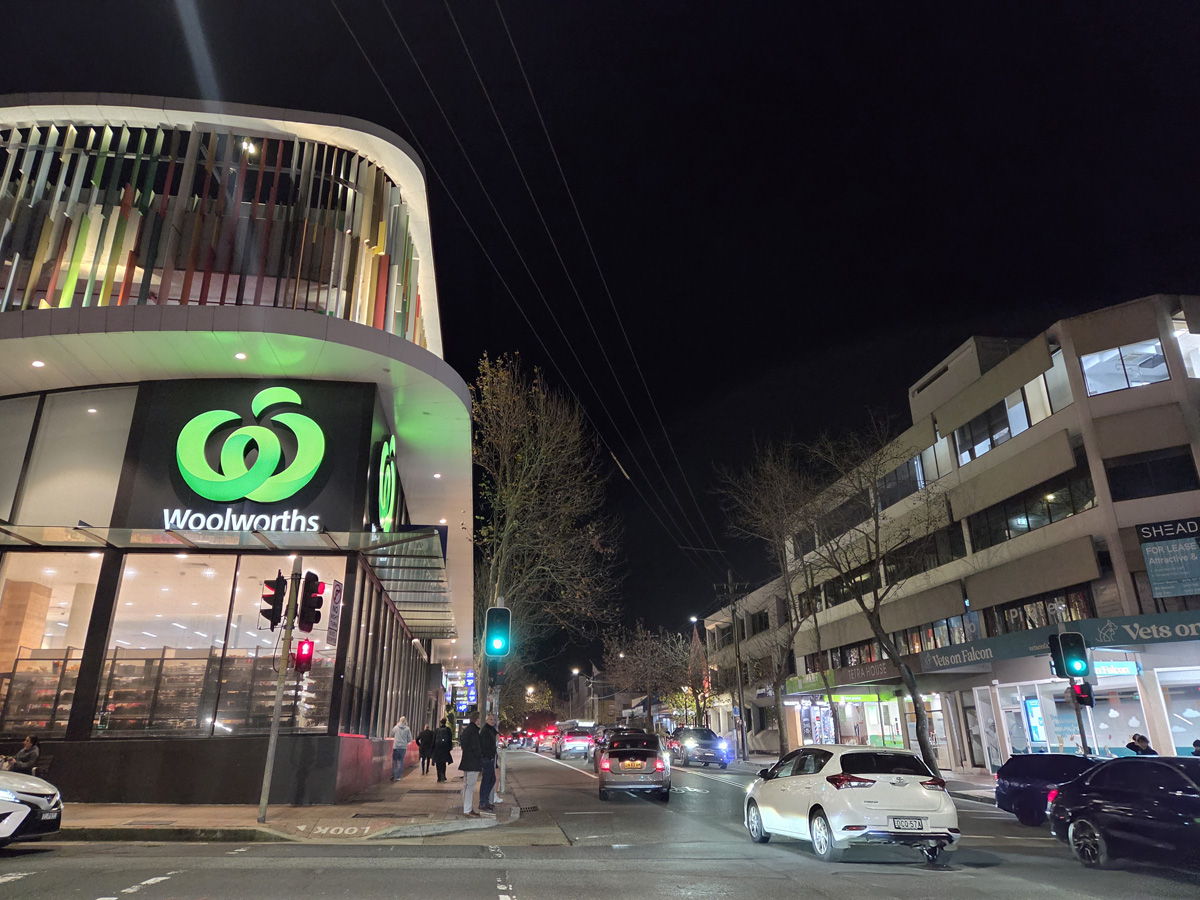

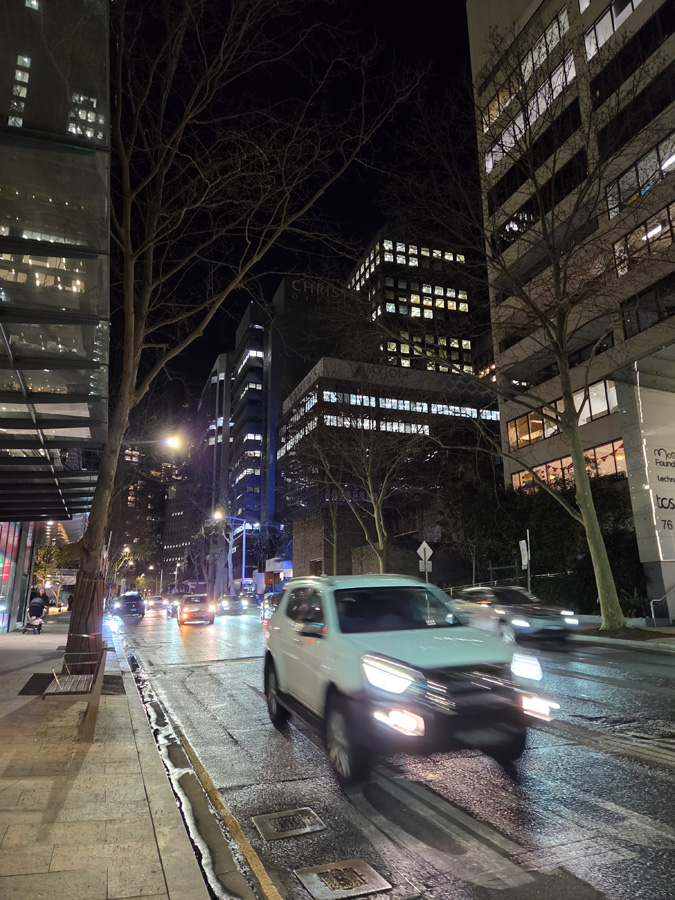
While the physical dimensions of foldable phones can necessitate camera trade-offs - it’s harder to fit big lenses into very thin bodies - the Galaxy F Fold 8 is a step back on an issue that was approaching solved. Last year’s Galaxy Z Fold 7 brought its cameras much closer to what Samsung achieved with slab phones, even if it was missing long-range zoom. If you want a better primary lens this year, you need to fork out for the Galaxy Z Fold 8 Ultra, and as a result, miss out on the Galaxy Z Fold 8’s better form-factor.
Otherwise, there’s very little to complain about when it comes to the Galaxy Z Fold 8.
Performance is as snappy as you’d expect, given the custom Snapdragon 8 Elite Gen 5 chipset. This is one of the fastest processors you’ll currently find in a phone, and exactly what you’d get if you opted for, say, a Galaxy S26 Ultra instead.
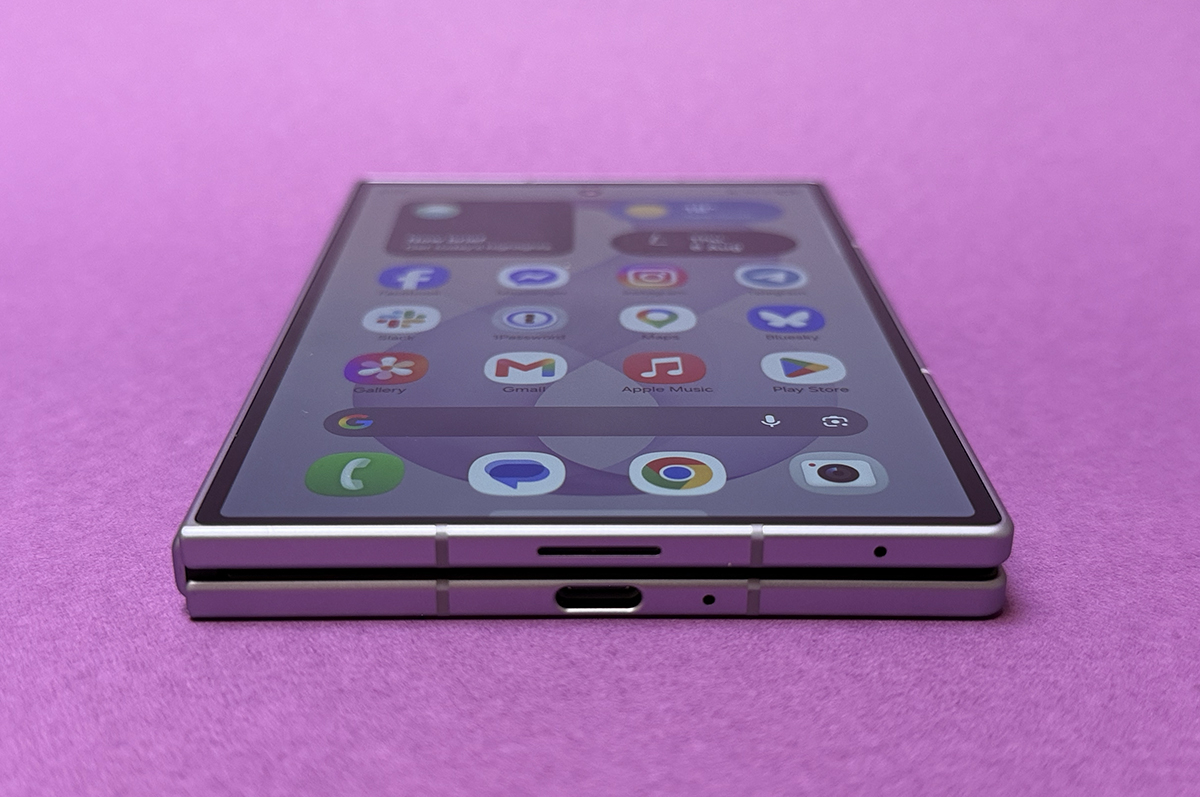
Samsung has also massively stepped up battery life this time around. In my testing, I was getting as much as nine hours of screen time per charge, with a roughly equal amount of folded and unfolded usage. That’s not quite enough for two full days of moderate usage, but we’re getting close. While the Galaxy Z Fold 8 supports Qi2 wireless charging speeds, it doesn't have any integrated magnets. As such, you'll need a case if you want to use any MagSafe-style accessories.
The Galaxy Z Fold 8 also gets Samsung’s commitment of seven years of major operating system upgrades and seven years of security updates. That’s as good as it gets in the Android world.
One last area where it would be nice to see some improvement is the Galaxy Z Fold 8’s IP rating. The phone is rated IP48, but we’ve seen rivals from Google and Honor hit IP68 and IP69, respectively. The six is the important number here, and refers to protection against dust, dirt, and other small debris. When you hit six, it effectively means a phone is completely sealed against dust and dirt, which is even more important when you have moving parts like hinges.
Samsung Galaxy Fold 8 - Final Thoughts
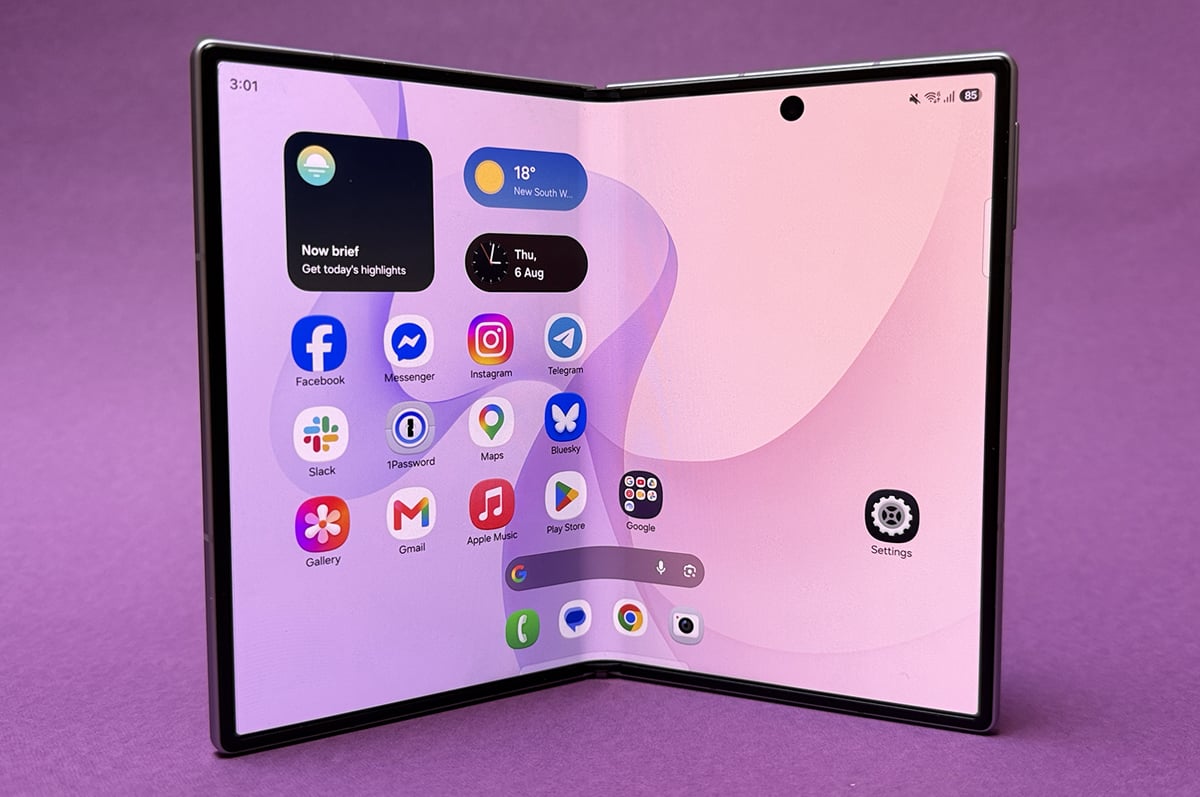
As with most foldable devices, we have to end by talking about price. The Galaxy Z Fold 8 costs $2,699, which, while cheaper than some book-style foldables, is certainly not cheap. It is, however, a very good foldable. The new, wider form factor gives the Galaxy Z Fold 8 a greater sense of utility, a more refined purpose. It isn’t a foldable that makes lofty promises about making you more productive, instead giving you a big screen that’s better suited for “tablet things”. And hey, the passport-esque design is very cute.
While the camera configuration is a shame, if I had to pick between the Galaxy Z Fold 8 and the Galaxy Z Fold 8 Ultra, I’d go for the smaller, wider phone. It’s a more useful, and dare I say, funner, form-factor. If you’re tempted by the Galaxy Z Fold 8 Ultra’s better camera configuration, I’d save your money and go for a conventional slab phone instead, whether that’s a Galaxy S26 Ultra, an iPhone 17 Pro, or even the Xiaomi 17 Ultra.
Of course, it’s also worth mentioning the Galaxy Z Fold 8 is likely just the first in a tranche of wider foldables we’re likely to see in Australia. It is all but certain that September’s foldable iPhone will have identical screens to the Galaxy Z Fold 8, and rumours suggest other Android manufacturers like OPPO are adapting the format for future foldable devices. If you’re willing to wait, you’ll have options. But hey, you can always pick up a Galaxy Z Fold 8 and be first.
Alex Choros

Related Articles


