
- Double the fold
- Bigger screen
- Too similar to the Z Fold 7
- Limited availability
Samsung’s Galaxy Z TriFold isn’t available in Australia yet, so we made a point of tracking it down at this year’s Mobile World Congress in Barcelona.
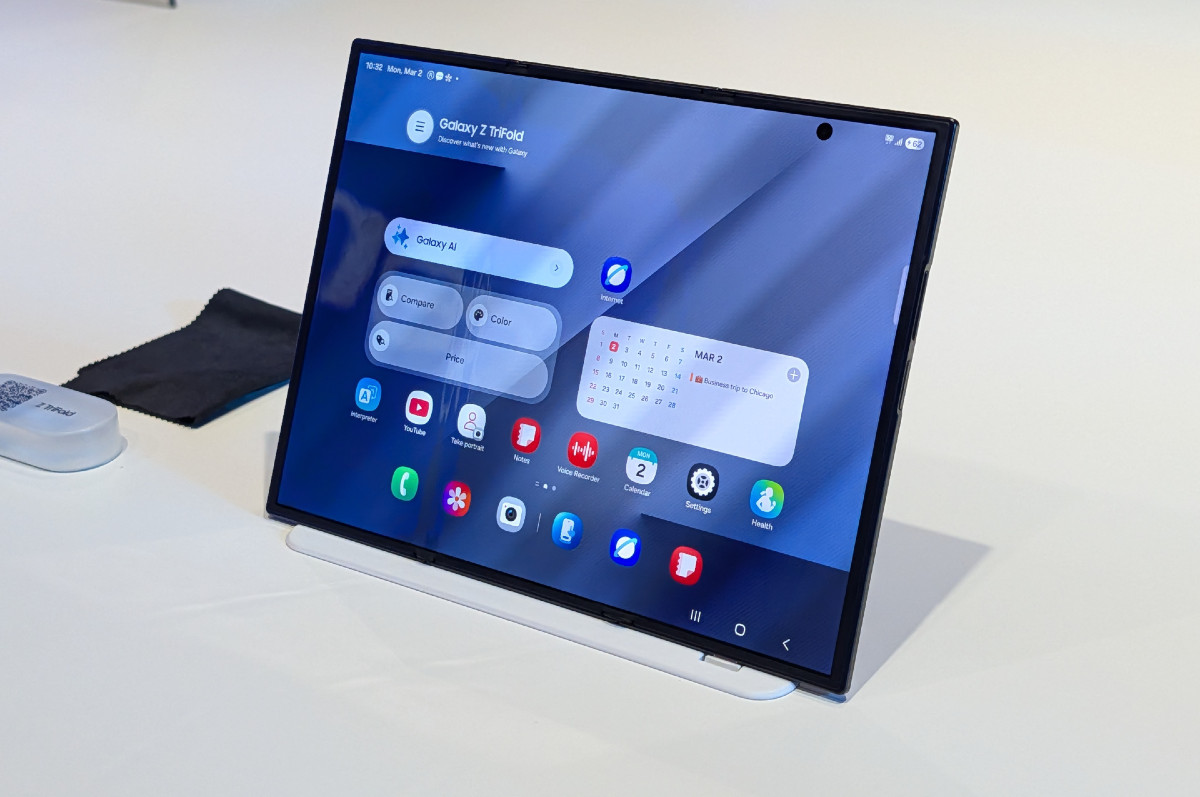
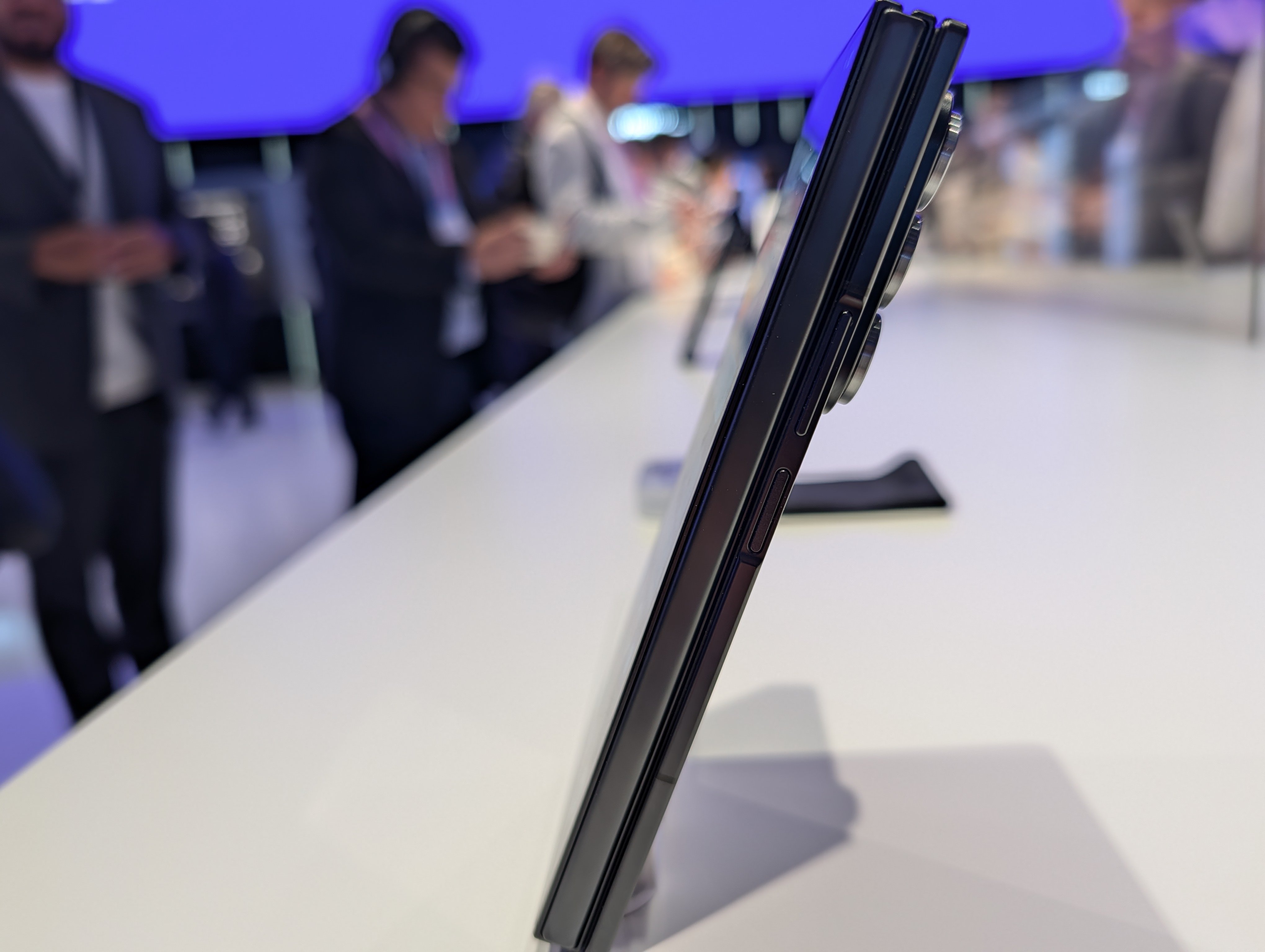
Despite the higher asking price and zippy moniker, the Samsung Galaxy Z TriFold isn’t likely to beat the allegations that it is just a Galaxy Z Fold 7 with a larger screen. The form-factor is a little blockier as a result of the extra fold, and the back of the device is a little more military-coded to the eye, but the fundamentals are largely the same.
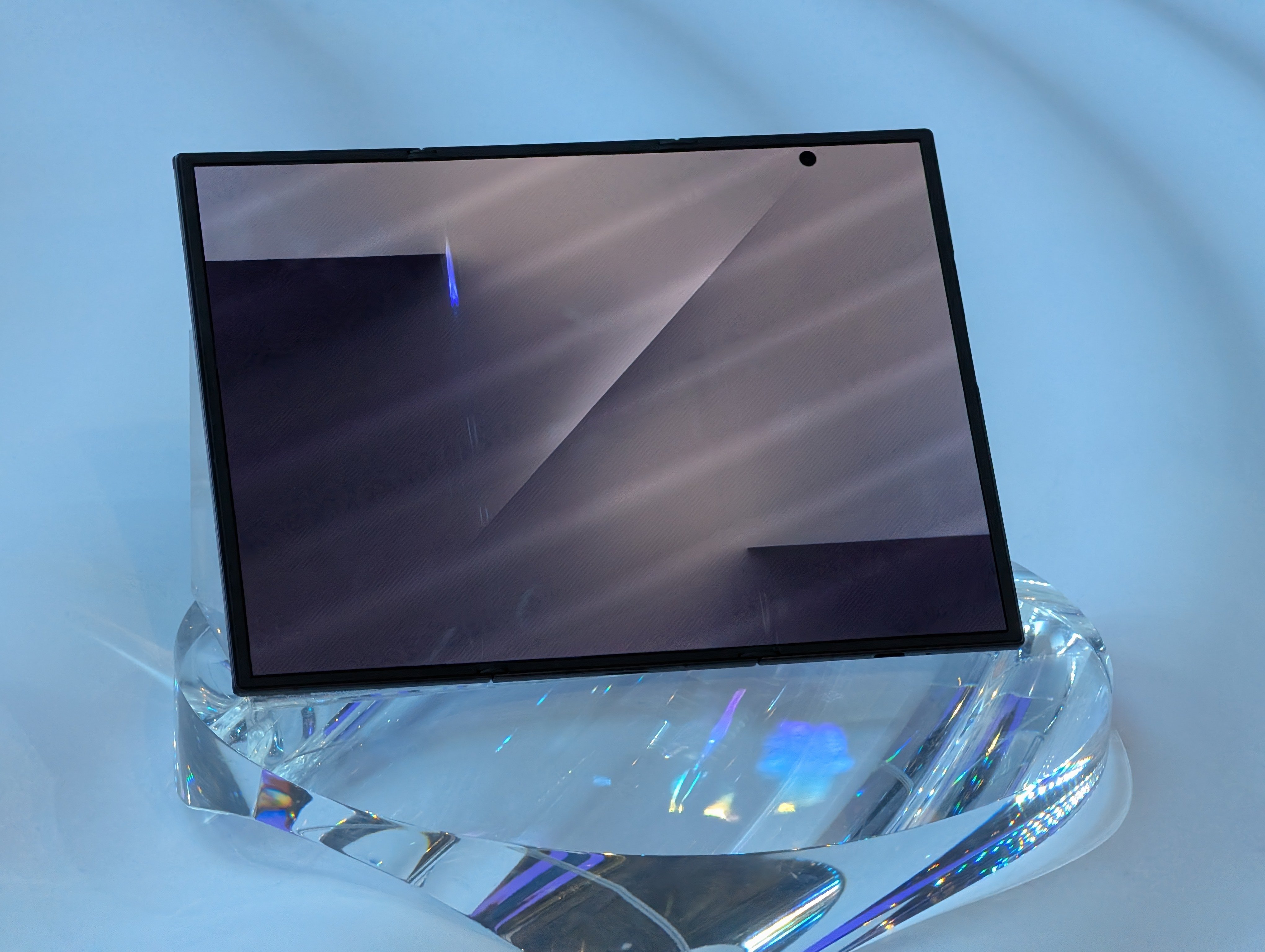
Like that device, the main selling point here is the ability to turn your smartphone into a larger tablet. You’re looking at a total of 10 inches rather than 8 inches, but the story isn’t all that different and, depending on what you’re doing, that 20% increase might count for a lot or not much at all. I suspect that if you aren’t the kind of power user who feels constrained by the current size of Samsung’s foldable, the gap in usability here isn’t nearly as large as the potential difference in price.
There’s also the durability question. Samsung’s foldable smartphones have come a long way from their messy first-gen fumbles. However, it’s not clear yet if adding an additional fold into the mix comes with a compromise to durability. Where Samsung’s Galaxy Z Fold 7 benefits from seven years of iteration and improvement, its sibling is more of an unknown quality on that particular front.
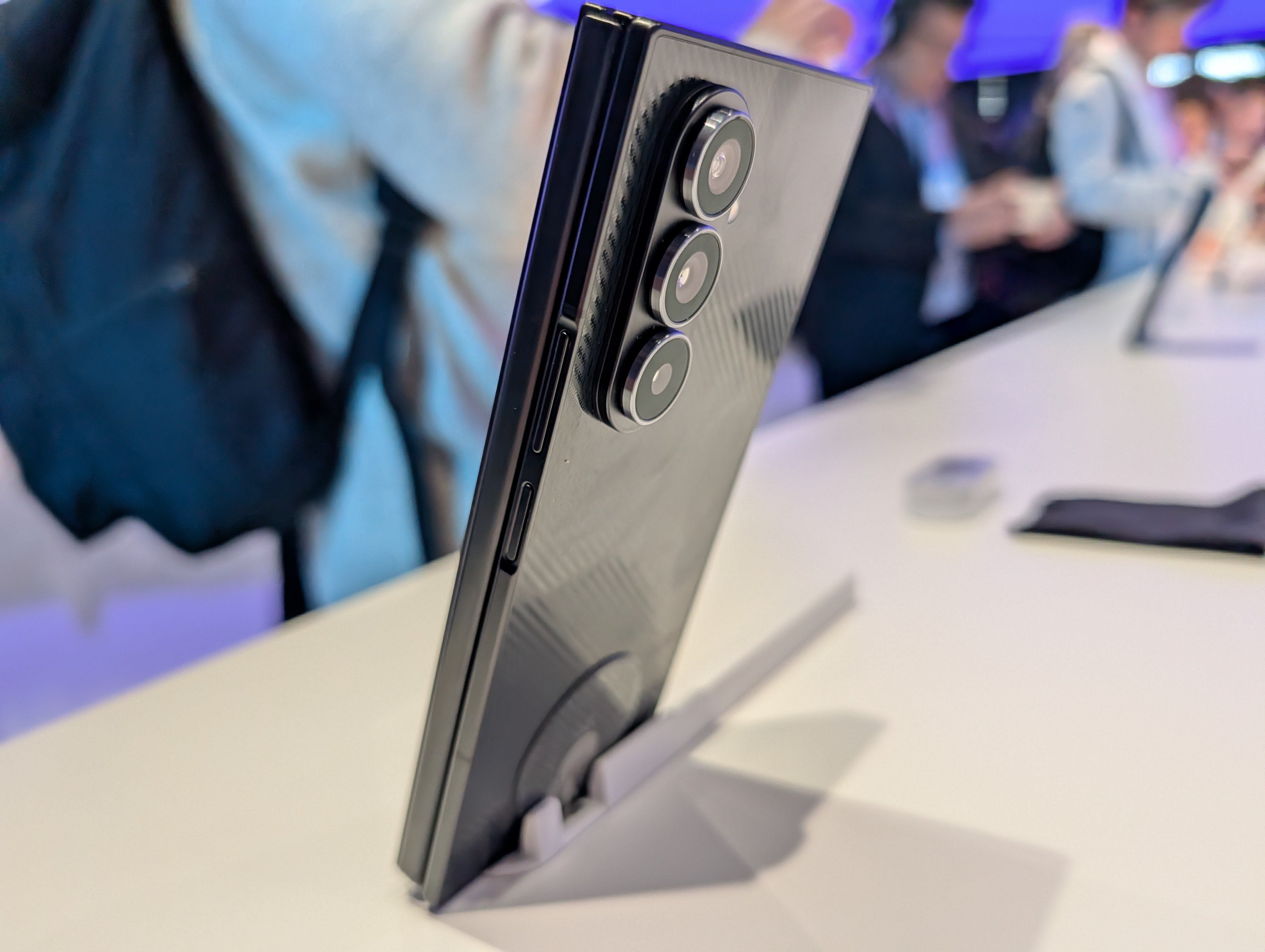
It doesn’t help much that spec-wise, the hardware inside the TriFold is largely comparable to what you can get from the Galaxy Z Fold 7. On the inside, the device is powered by the same Snapdragon 8 Elite for Galaxy processor, 16GB of RAM and half a terabyte of storage. Then on the back, you’re getting a 200MP main lens, a 12MP ultrawide lens and a 10MP zoom lens. Again, that’s on par with the Galaxy Z Fold 7.
Tested on the Mobile World Congress show floor, these parts added up to an experience that felt largely in line with what I’ve come to expect from Samsung’s premium foldable devices. It’s a little heftier to handle, but the TriFold feels less like a turning point for the form-factor of mobile devices and more like an excessive option for power users willing to pay the premium for a few extra inches of screen.
Aside from that larger screen, the main difference between the two is the size of the battery. Those who settle for the Galaxy Z Fold 7 will have to make do with a meagre 4,400mAh battery, while those who talk themselves into the TriFold get a more generous 5,600mAh to work with.
Ultimately, though, the specs are secondary to the design here. If you’re buying this for any reason, it’s the ability to take advantage of the TriFold’s unique foldable properties - and, true enough, there is a thrill to unfolding a screen this expansive for the first time. I can’t help but suspect that thrill may be short-lived.
Back in 2019, I had the chance to go hands-on with Huawei’s similar Mate X Fold. It was the first foldable I tested. Six years later, the Galaxy Z TriFold feels surprisingly similar to hold and handle. Even as someone who has folded plenty of screens, there's still some undeniable novelty in seeing the technology applied in a fresh way.
However, at this point, foldable screens aren’t as dazzling as they once were. It feels like the TriFold is working twice as hard as its predecessors, but only ends up getting half as far. The case that this thing could be Samsung’s equivalent to the Vision Pro — a glitzy halo product for a market that’s far from mainstream — isn’t a hard one to make.
Assuming the Galaxy Z TriFold does eventually make it down under, it likely won’t be cheap. In the United States, the Z TriFold is a whopping USD$2,999. That's over $4,000 at current exchange rates, before tax. Even for an enthusiast crowd, the potential asking price of the TriFold would easily see it secure the title of Australia’s most expensive smartphone.
It was great to finally go hands-on with the Galaxy Z TriFold, but it made me understand why I had to fly halfway around the world to see it. Most people are never going to consider buying this device, let alone be in the position do so.
Disclosure: WhistleOut Australia's coverage of Mobile World Congress 2026 is supported by OPPO.
Fergus Halliday
Digital Content Editor

Related Articles


