
Apple has expanded the iPhone 17 range with the iPhone 17e - a cheaper take on its flagship devices. While the iPhone 17e is a bit more affordable than the standard iPhone 17, that does mean there are compromises.
If you're thinking about getting a new iPhone, it's worth asking whether the tradeoffs are worth it or if you should spend a little more on the fancier device.
To start, let’s compare the specifications of the new iPhone 17e and iPhone 17:
| iPhone 17e | iPhone 17 | |
|---|---|---|
| Display | 6.1-inch OLED | 6.3-inch OLED |
| Resolution | Super Retina XDR | Super Retina XDR |
| Refresh Rate | 60Hz | 120Hz |
| Rear Cameras | 48MP | 48MP + 48MP |
| Front Camera | 12MP | 18MP |
| Processor | A19 | A19 |
| Storage | 256GB - 512GB | 256GB - 512GB |
| Water-Resistance | IP68 | IP68 |
| 5G | Sub 6 | Sub 6 |
| Protection | Ceramic Shield 2 | Ceramic Shield 2 |
| Price | From $999 | From $1,399 |
iPhone 17e vs. iPhone 17: Price
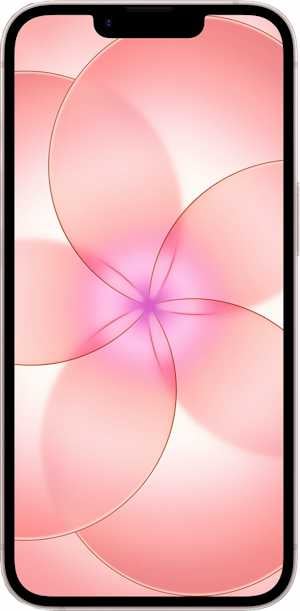
Apple doesn't make a "cheap" iPhone, but the iPhone 17e is the cheapest non-refurbished iPhone you can get. Pricing for the iPhone 17e starts at $999 for a 256GB model, which is $400 less than the asking price for the standard iPhone 17.
Here's complete pricing for the iPhone 17e and how it compares to all 2025 iPhone models:
| Phone | RRP | Check price on |
|---|---|---|
| iPhone 17e (256GB) | $1,149 | Amazon |
| iPhone 17e (512GB) | $1,549 | Amazon |
| iPhone 17 (256GB) | $1,549 | Amazon |
| iPhone 17 (512GB) | $1,849 | Amazon |
| iPhone Air (256GB) | $1,899 | Amazon |
| iPhone Air (512GB) | $2,299 | Amazon |
| iPhone Air (1TB) | $3,099 | Amazon |
| iPhone 17 Pro (256GB)* | $1,999 | Amazon |
| iPhone 17 Pro (512GB)* | $2,399 | Amazon |
| iPhone 17 Pro (1TB)* | $2,799 | Amazon |
| iPhone 17 Pro Max (256GB)* | $2,199 | Amazon |
| iPhone 17 Pro Max (512GB)* | $2,599 | Amazon |
| iPhone 17 Pro Max (1TB)* | $2,999 | Amazon |
| iPhone 17 Pro Max (2TB)* | $3,799 | Amazon |
*iPhone 17 Pro and iPhone 17 Pro Max were discontinued in September 2026. While the iPhone 17e, iPhone 17, and iPhone Air got price increases when the iPhone 18 Pro launched, this wasn't the case for the iPhone 17 Pro and iPhone 17 Pro Max. As such, we're still listing their launch pricing here. You should be able to find them cheaper, however.
Picking up an iPhone on a mobile plan can occasionally save you money, with providers offering discounts across the length of your repayment term or bonus trade-in value. If you'd prefer to pay off your new iPhone on a plan, here are the cheapest iPhone 17e and iPhone 17 plans from Vodafone, Telstra and Optus:
iPhone 17e 256GB Plans
|
#1
|
Optus

$60 Optus Choice Plus Plan
$66.74/mth
Min. cost $1,037.64
|
|
#2
|
Vodafone

$58 Small Plan
$76.91/mth
Min. cost $1,193.76
|
|
#3
|
Vodafone
$68 Medium Plan
$81.91/mth
Min. cost $1,198.76
|
|
#4
|
Vodafone
$78 Large Plan
$86.91/mth
Min. cost $1,203.76
|
|
#5
|
Optus
$69 Optus Promo Plan
$96.74/mth
Min. cost $1,067.64
|
|
#6
|
Optus
$70 Optus Choice Plus Plan
$97.74/mth
Min. cost $1,068.64
|
|
#7
|
Telstra

$84 Essential Upfront Mobile Plan
$105.91/mth
Min. cost $1,222.76
Link not supplied
|
|
#8
|
Telstra
$74 Basic Upfront Mobile Plan
$105.91/mth
Min. cost $1,222.76
Link not supplied
|
|
#9
|
Telstra
$99 Premium Upfront Mobile Plan
$115.91/mth
Min. cost $1,232.76
Link not supplied
|
|
#10
|
Optus
$90 Optus Choice Plus Plan
$117.74/mth
Min. cost $1,088.64
|

iPhone 17 256GB Plans

|
Optus
$60 Optus Choice Plus Plan
$77.86/mth
Min. cost $1,437.96
|
|
Vodafone
$58 Small Plan
$88.02/mth
Min. cost $1,593.72
|
|
Vodafone
$68 Medium Plan
$93.02/mth
Min. cost $1,598.72
|
|
Vodafone
$78 Large Plan
$98.02/mth
Min. cost $1,603.72
|
|
Optus
$69 Optus Promo Plan
$107.86/mth
Min. cost $1,467.96
|
|
Optus
$70 Optus Choice Plus Plan
$108.86/mth
Min. cost $1,468.96
|
|
Telstra
$84 Essential Upfront Mobile Plan
$117.02/mth
Min. cost $1,622.72
Link not supplied
|
|
Telstra
$74 Basic Upfront Mobile Plan
$117.02/mth
Min. cost $1,622.72
Link not supplied
|
|
Telstra
$99 Premium Upfront Mobile Plan
$127.02/mth
Min. cost $1,632.72
Link not supplied
|
|
Optus
$90 Optus Choice Plus Plan
$128.86/mth
Min. cost $1,488.96
|
iPhone 17e vs. iPhone 17: Camera
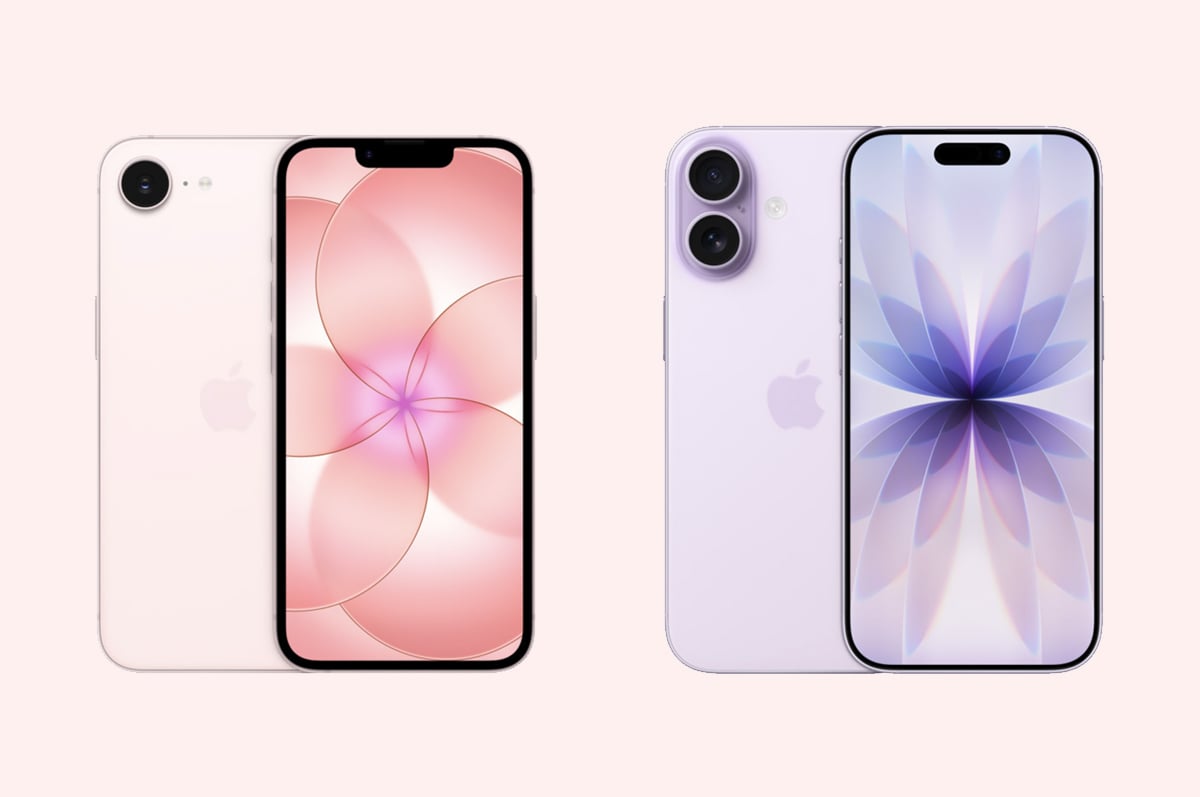
Cameras have always been one of the big differentiators in Apple's phones. If you go Pro, you get more cameras when compared to the standard model. Similarly, if you opt for the cheaper iPhone 17e, you get just a single camera.
The iPhone 17e ships with a single 48MP camera on the back and a 12MP selfie camera on the front. Fro comparison, the iPhone 17 has two 48MP camera on the back - a primary and an ultra-wide - and an 18MP selfie camera on the front.
While the iPhone 17e's cameras certainly aren't bad, the iPhone 17 offers a more reliable and versatile shooting experience. The 48MP primary lens is backed by a larger sensor that improves low-light performance, the 48MP ultra-wide lens lets you take photos that simply aren't possible on the iPhone 17e, and the selfie camera is a solid step up in quality.
For photography, the iPhone 17 is the clear winner.
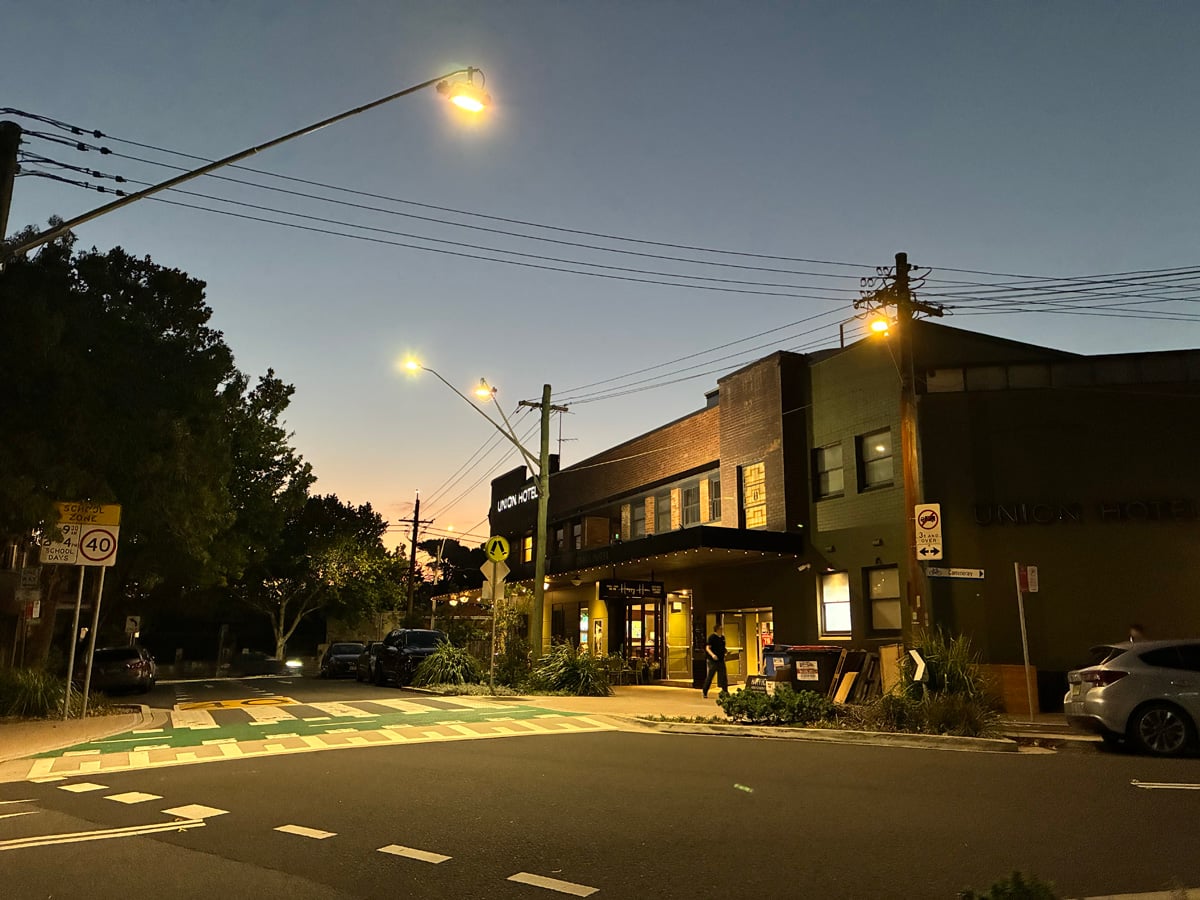
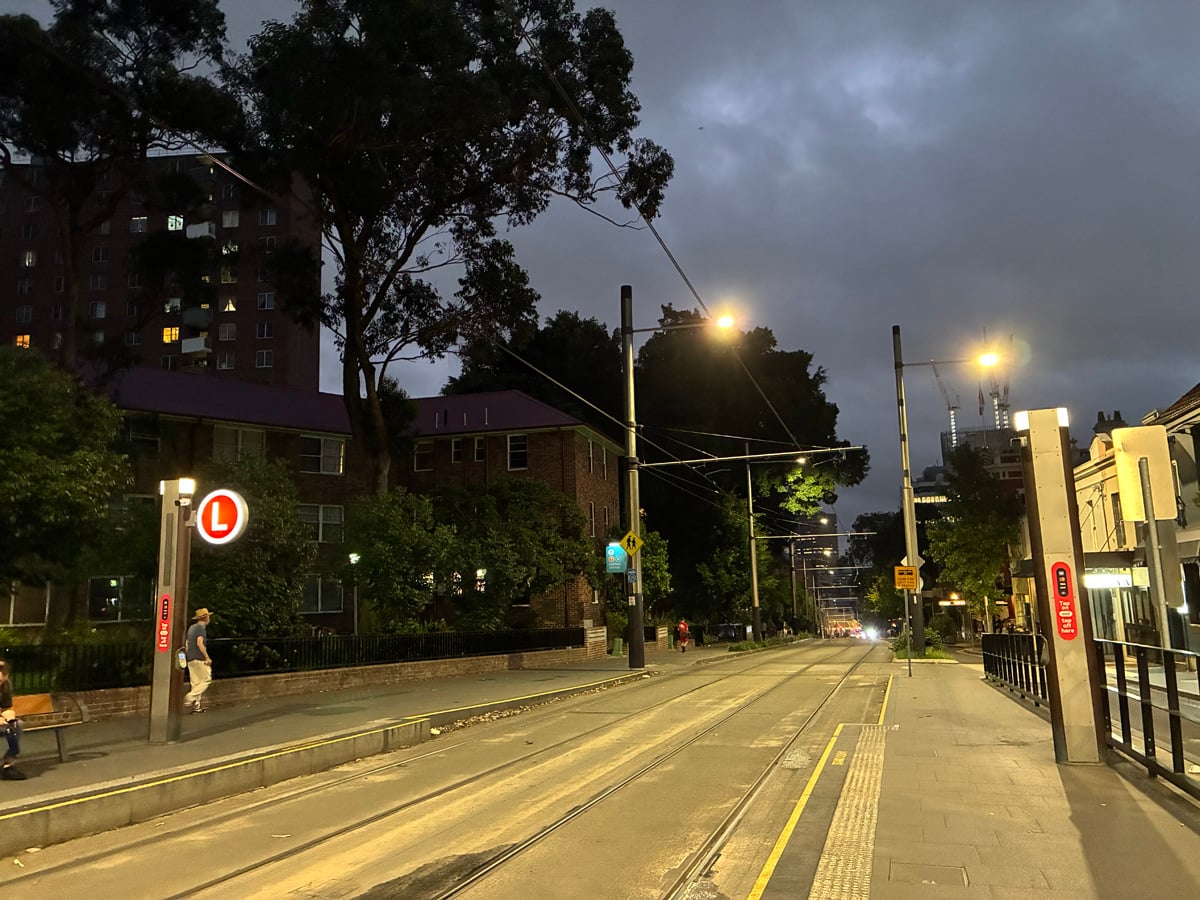
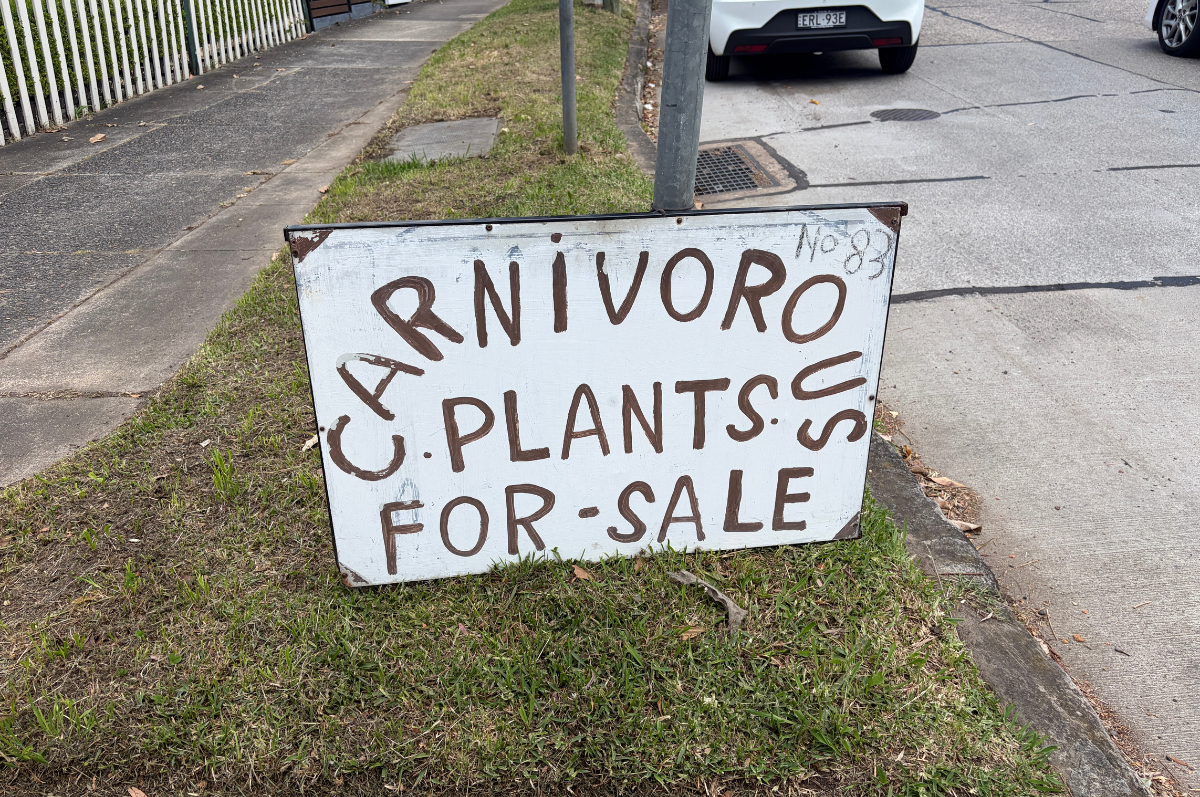
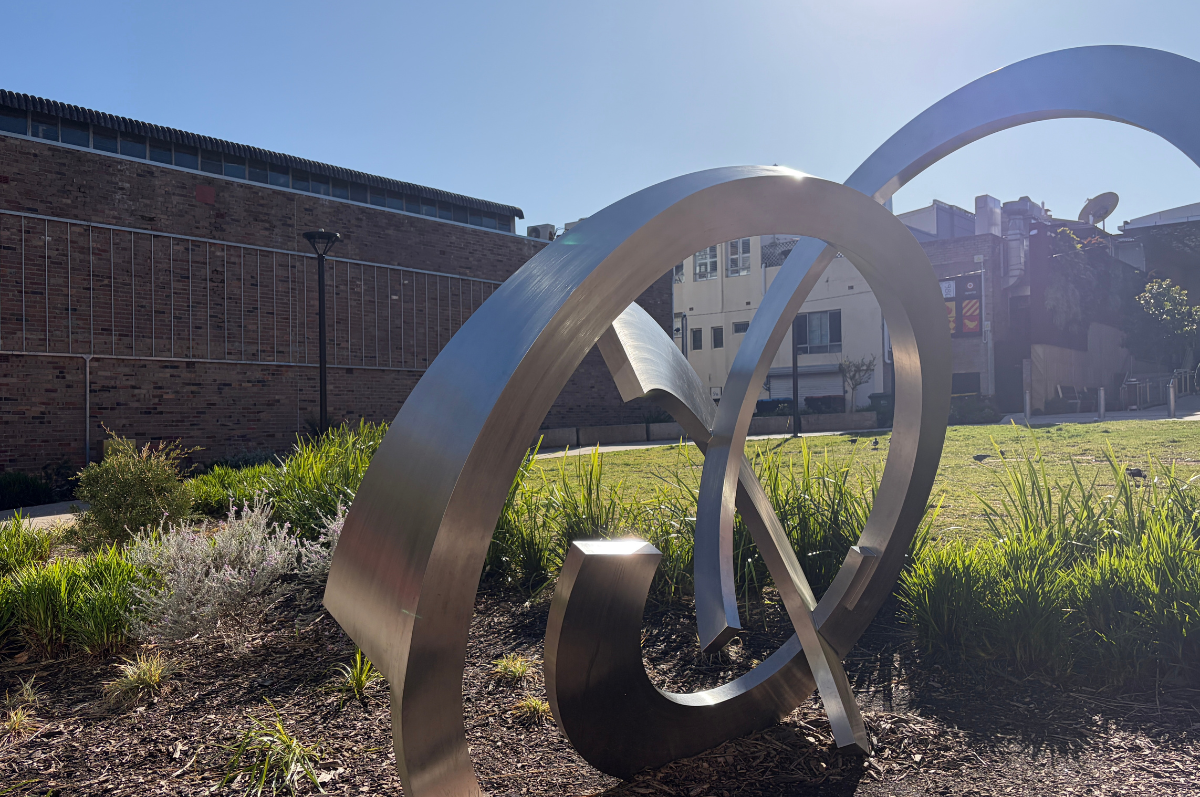
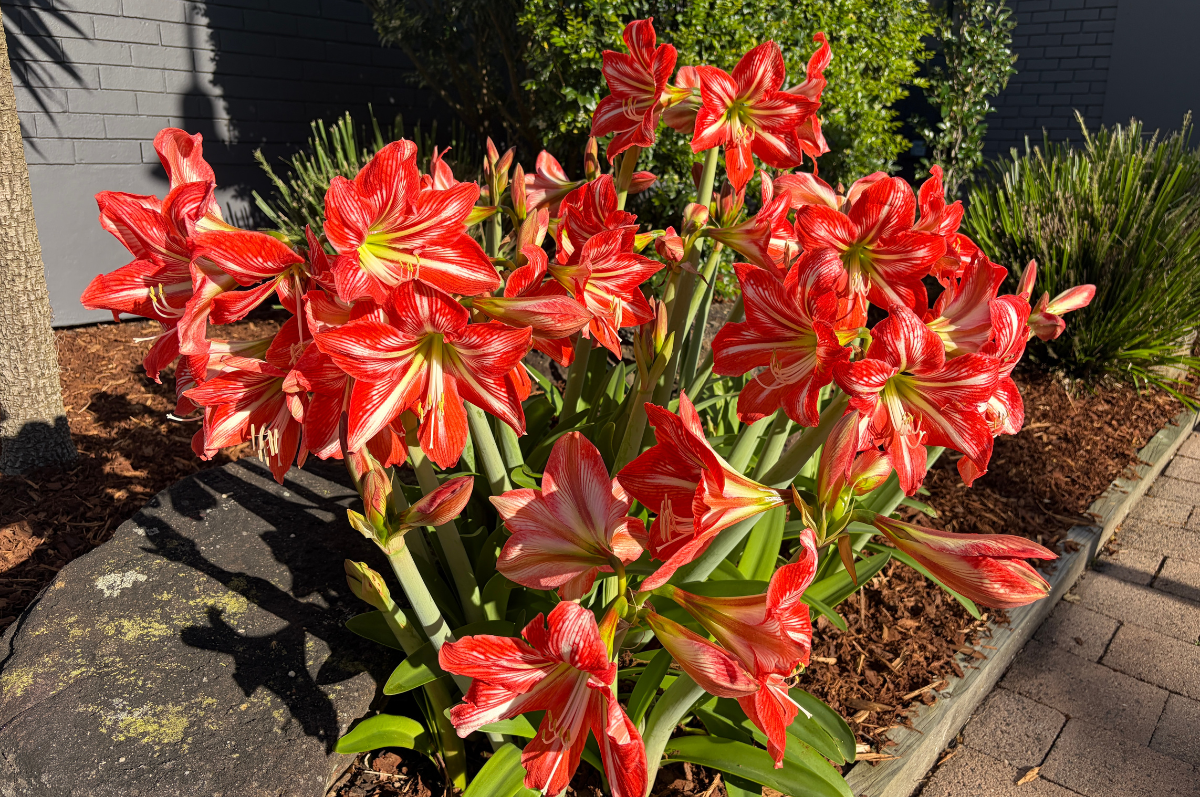
iPhone 17e camera samples
Check out these camera samples taken on the iPhone 17e. Click or tap on any photo to see a larger version.













iPhone 17 camera samples
Check out these camera samples taken on the iPhone 17. Click or tap on any photo to see a larger version.










iPhone 17e vs. iPhone 17: Connectivity
When it comes to physical connectivity, the iPhone 17e and iPhone 17 both charge via a USB-C port. You get a USB-C cable in the box, but no actual charger.
Similarly, both the iPhone 17e and iPhone 17 have 5G connectivity, and support a single physical nano SIM as well as eSIM.
The main difference to note here is WiFi support. The iPhone 17e only supports WiFi 6, while the iPhone 17 supports the newer WiFi 7 standard. For most, this shouldn't matter. WiFi 6 speeds are still faster than most Australian internet connections.
The other quirk to call out is the iPhone 17e does't have an Ultra Wideband (UWB) chip. UWB is used to enable precision finding on AirTags - the feature where your iPhone points you in the direction of your lost tag if it is nearby and gives you an estimate of how many metres away it is.
If you've already got AirTags (or are interested in picking them up), you'll likely want to go for the iPhone 17.
iPhone 17e vs. iPhone 17: Design
When it comes to design, one of the initial things to think about is colours: the iPhone 17e has a smaller palette, coming in a choice of black, white, or soft pink, while the iPhone 17 is available in white, black, mist blue, sage, and lavender.
On the left-hand side, both have an Action Button, which replaces the mute switch from older models. It can still mute the phone, but you can configure it to do other tasks, such as turning on your torch or opening the Translate app.
The iPhone 17 has "Camera Control" on the right-hand side, which is a small trackpad used for photography. Clicking it opens up the camera app, and sliding your finger across it can be used to adjust settings without touching the screen. The iPhone 17e misses out on Camera Control.
Both phones have an aluminium frame and a glass back, but the frame on the iPhone 17 is a little curvier.

Dodo's NBN 500 Unlimited plan is our pick for the best NBN 500 plan for September.
|
Dodo

FTTP, HFC
Editor's Pick
nbn500 Unlimited Plan
$62.99/mth
Min. cost $62.99
|
iPhone 17e vs. iPhone 17: Display
Display size and quality are a big difference between the iPhone 17e and the iPhone 17. Both have OLED panels, so content will look great on either device, but the iPhone 17 has the overall advantage here.
The iPhone 17e has a 6.1-inch display with a 60Hz refresh rate, compared to the 6.3-inch 6.3-inch "ProMotion" display with a 120Hz refresh rate on the iPhone 17. Faster refresh rates allow for smoother on-screen motion, whether you're scrolling through your socials or playing a game. After you've used a phone with a high refresh rate screen, it can be hard to go back.
The iPhone 17's ProMotion technology also enables an always-on display, which lets you see your lock screen at all times, even if you're not using the phone.
One other difference to consider is the iPhone 17e houses its Face ID tech in a notch, while the iPhone 17 has a Dynamic Island. The Dynamic Island is a little area on the top of the phone that can expand and contract to show extra information. For example, if you're listening to a music, you'll get a little icon with the album art, and tapping it will let you jump straight back into your music streaming service. While not essential, the Dynamic Island can be handy.
Both the iPhone 17e and iPhone 17 have Ceramic Shield 2 protection on their display, so they should be equally durable.
iPhone 17e vs. iPhone 17: Performance
Both the iPhone 17e and iPhone 17 are powered by Apple's A19 chipset. The fundamentals are the same, but there's one slight difference: the iPhone 17e's chipset has four graphics cores, while the iPhone 17's has five.
In most cases, this shouldn't make a difference, but it does give the iPhone 17 an edge when it comes to very demanding games like Destiny: Rising. And even then, the iPhone 17e can still run these kinds of titles without issue.
iPhone 17e vs. iPhone 17: Battery
Apple never releases battery capacity figures for its devices; instead, it prefers to talk about use cases. With iPhones, Apple talks about how many hours of video playback you'll get.
For the iPhone 17e, Apple says you can get up to 21 hours of streamed video playback, or up to 26 hours of on-device video playback. These figures are slightly higher on the standard iPhone 17, with Apple promising up to 27 hours of streamed playback or up to 30 hours of on-device playback.
In our real-world testing, we found the iPhone 17e was consistently able to get at least six hours of screen time per charge at a minimum, while the iPhone 17 performed slightly better with at least seven hours of screen time. While the standard iPhone 17 will give you a more comfortable buffer, you shouldn't have any problem getting through a full day on either device.
It's also worth talking about charging speeds. The iPhone 17e is able to charge from flat to 50% in around 30 minutes, while the iPhone 17 can do so in 20 minutes. The standard iPhone 17 also supports high-speed wireless charging via MagSafe. While the iPhone 17e supports MagSafe this time around, the charging speeds are slower.
Should you get the iPhone 17e or iPhone 17?
There's no beating around the bush here, the iPhone 17 is clearly a superior device to the iPhone 17e. It has a nicer display, more capable cameras, and a few extra bells and whistles like faster charging. If you can afford the extra $400, the iPhone 17 is going to feel like a bigger upgrade.
That being said, if your mobile needs are a bit more basic, the iPhone 17e is still a good package. It's the fastest phone you can buy under $1,000, and the battery life is super reliable. It isn't the best pick for mobile photographers, but if you just want a new iPhone and don't want to break the bank, it's a solid choice. And as time goes on, we'll certainly see discounts that make the iPhone 17e more appealing.
If you haven't decided yet, read our review of the iPhone 17e here and our review of the iPhone 17 here.
iPhone 17e 256GB Plans
|
#1
|
Optus
$60 Optus Choice Plus Plan
$66.74/mth
Min. cost $1,037.64
|
|
#2
|
Vodafone
$58 Small Plan
$76.91/mth
Min. cost $1,193.76
|
|
#3
|
Vodafone
$68 Medium Plan
$81.91/mth
Min. cost $1,198.76
|
|
#4
|
Vodafone
$78 Large Plan
$86.91/mth
Min. cost $1,203.76
|
|
#5
|
Optus
$69 Optus Promo Plan
$96.74/mth
Min. cost $1,067.64
|
|
#6
|
Optus
$70 Optus Choice Plus Plan
$97.74/mth
Min. cost $1,068.64
|
|
#7
|
Telstra
$84 Essential Upfront Mobile Plan
$105.91/mth
Min. cost $1,222.76
Link not supplied
|
|
#8
|
Telstra
$74 Basic Upfront Mobile Plan
$105.91/mth
Min. cost $1,222.76
Link not supplied
|
|
#9
|
Telstra
$99 Premium Upfront Mobile Plan
$115.91/mth
Min. cost $1,232.76
Link not supplied
|
|
#10
|
Optus
$90 Optus Choice Plus Plan
$117.74/mth
Min. cost $1,088.64
|
iPhone 17 256GB Plans
|
Optus
$60 Optus Choice Plus Plan
$77.86/mth
Min. cost $1,437.96
|
|
Vodafone
$58 Small Plan
$88.02/mth
Min. cost $1,593.72
|
|
Vodafone
$68 Medium Plan
$93.02/mth
Min. cost $1,598.72
|
|
Vodafone
$78 Large Plan
$98.02/mth
Min. cost $1,603.72
|
|
Optus
$69 Optus Promo Plan
$107.86/mth
Min. cost $1,467.96
|
|
Optus
$70 Optus Choice Plus Plan
$108.86/mth
Min. cost $1,468.96
|
|
Telstra
$84 Essential Upfront Mobile Plan
$117.02/mth
Min. cost $1,622.72
Link not supplied
|
|
Telstra
$74 Basic Upfront Mobile Plan
$117.02/mth
Min. cost $1,622.72
Link not supplied
|
|
Telstra
$99 Premium Upfront Mobile Plan
$127.02/mth
Min. cost $1,632.72
Link not supplied
|
|
Optus
$90 Optus Choice Plus Plan
$128.86/mth
Min. cost $1,488.96
|
Alex Choros

Related Articles


