

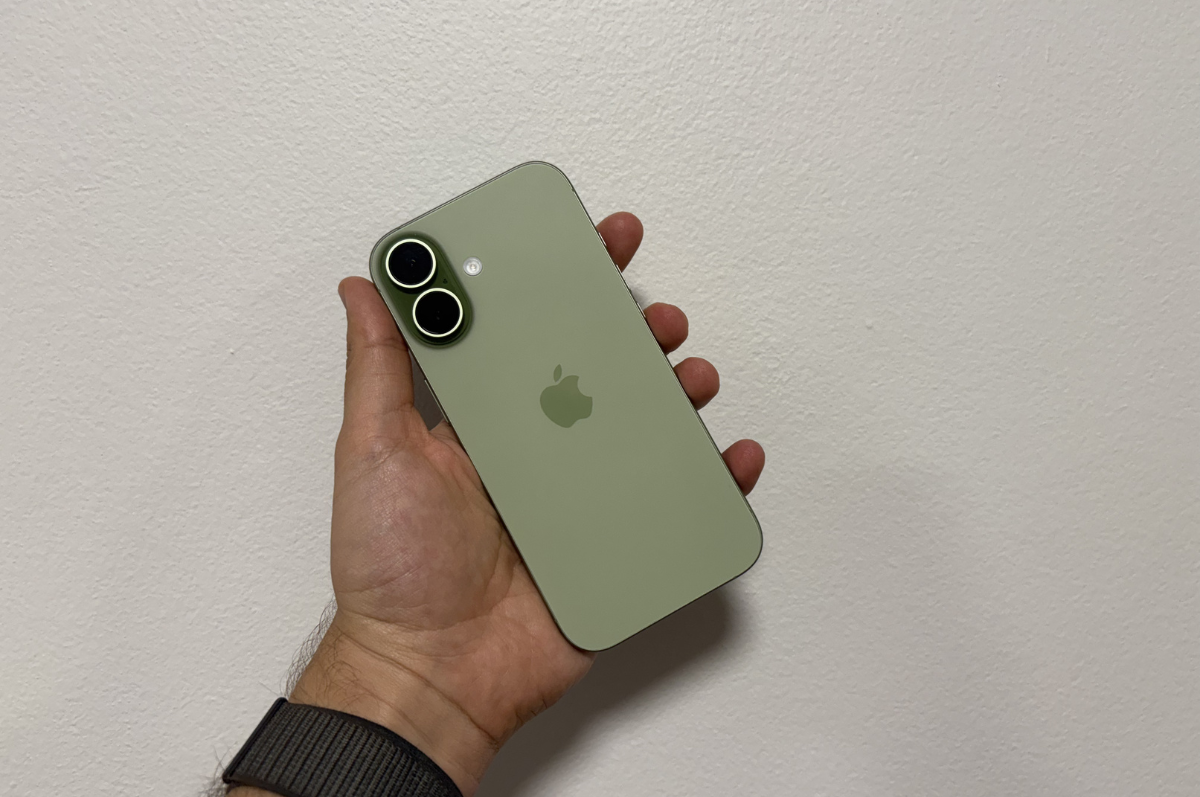
Apple's finally firing on all cylinders with a proper flagship and meaningful updates. The iPhone 17 has grown up.
- Finally, 120Hz refresh rate
- More storage at the same price
- Bigger screen
- iOS could use more than Liquid Glass
- No real zoom lens
- If you truly want a bigger screen you'll need to go all out for the Pro Max
Last year's release saw the start of a trend where new features like Camera Control were shipped to the latest iPhone range across the board rather than piecemeal as in years before, with things like the Action Button and Dynamic Island. While it's true some features have still been handed down, the iPhone 17 now has more in common with its Pro siblings than it doesn't.
This year the base model iPhone 17 gets the same core improvements as its siblings, and finally some much-needed display improvements that have long been reserved just for the Pros. The effect, the iPhone 17 is now more flagship than ever. The Pros better represent the option for those who want the bigger camera system, more powerful processor, longer battery life, or larger screen in the case of the 17 Pro Max. You're not getting a raw deal if you choose the iPhone 17 because you don't want to pay another $600 for the iPhone 17 Pro.
There's good news on the price front, too. While Apple has cut the 128GB storage variant (all the new iPhone 17 models start at 256GB now), it's actually the same price as the iPhone 16 at launch – a real coup if you skipped updating last year.
iPhone 17 256GB Plans

|
Optus

$60 Optus Choice Plus Plan
$77.86/mth
Min. cost $1,437.96
|
|
Vodafone

$58 Small Plan
$88.02/mth
Min. cost $1,593.72
|
|
Telstra

$84 Essential Upfront Mobile Plan
$117.02/mth
Min. cost $1,622.72
Link not supplied
|

Display and design

The iPhone 17 display is lovely with some meaningful developments in all aspects. First, it’s now a slightly bigger
6-3-inch display, up from the 6.1-inch display that has been common to the base model iPhone since the 11. This
extra "screenage" has added only a little extra height and a minimal width, so you won’t notice too much of a
difference in your hand, unless making a direct comparison side-by-side. It feels like an appropriate adjustment now
that the poor middle-child Plus model has been dropped from the line, and brings the screen size in line with the
iPhone 17 Pro.
The now bigger screen has been buffed in terms of protection, too. Like its Pro siblings, the
iPhone 17 now features Ceramic Shield 2 on the front, which Apple says is three times more scratch-resistant than
the previous version.
A long time coming, the iPhone 17 finally gets a 120Hz ProMotion display that has been available for the Pros for a good while now. This brings the iPhone 17 into line with other major flagship base models, and it's about time, considering even budget Android models have had 120Hz refresh rates. This has a noticeable difference when you're scrolling quickly through messages or navigating across your screens. Compared to its predecessor, the iPhone 17 is just that much nicer and fluid.
The Always-On display is another hand-me-down feature that brings the iPhone 17 up to speed with the Pro models. This essentially just leaves the display on (albeit dimmed), so you can still check the screen at a glance without fully waking your phone, the same as it works for the Apple Watch. The screen is also brighter than ever, with all the iPhone 17 range now having 3,000 nits of peak brightness, which means the display is still easy to see even in the sunniest conditions.
The core design carries through from the last few models, although there are, of course, new colourways. This year, the base model comes in standard Black and White, and now Mist Blue, Sage and Lavender. All in all, the colourways are not that different from the iPhone 16 and iPhone 16 Plus.
Of course, Apple always drops a new iOS around the new phone launch, so we'd be remiss not to mention it here. The big change here is the new visual design, Liquid Glass, which makes most of the design elements translucent (although some remain more frosted). Apple has also added more customisation for users to decide on colour shadings for apps, including a clear setting. Yearning for brat summer? You can get back there. You're only limited by your tolerance for how garish you want the swatch to be and whether or not App Developers support it. I had one or two widgets that don't work with anything other than the default or Dark mode swatches applied.
Performance and battery life
After close to two weeks of regular use, I can happily say you’re looking at around seven hours of screen time per day. For most people, this will translate to a full day's use with a comfortable buffer. I found that, depending on the day (as someone with a heavier usage), I still wanted to top up the iPhone 17 before I head off in the evening for extra peace of mind.
The iPhone 17 is plenty zippy with the new A19 chip. I had no trouble running games like Balatro or Marvel Snap, and Genshin Impact ran nicely and smoothly while looking better with the higher refresh rate. The latter, which is sometimes a battery drainer, didn't heat up the iPhone 17 very much at all, except for at startup when it required updating. After 25 minutes of gameplay, the battery had run down by 4%.
In the last two years, since AI has been all the rage, I've come to appreciate Apple's slow and steady approach when it comes to Apple Intelligence, where other brands are overpromising and underdelivering. But we could stand to see some improvement when it comes to iOS in general. Navigating the Settings app is downright painful, whereas helpful UI hints on flagships like the Pixel actually guide you to the right settings.
Camera
The camera is another area where we've seen improvement. On the iPhone 17, there's still the 48MP main camera, but the ultra-wide lens has been upgraded to 48MP from 12MP.
The 12MP selfie camera has been boosted to 18MP to take advantage of the new iPhone 17 feature Center Stage. Center Stage provides better stabilisation and allows you to better frame group selfies. A new square sensor allows you to change from a portrait selfie to a landscape one without actually switching how you hold the phone. Anyone who's been in charge of shooting the group selfie knows how precarious your grip can become.
One of the few features that is still reserved for the Pros is a proper telephoto lens. If you look at the base model Pixel and S25 you’ll quickly notice they each sport three lenses.
While the iPhone 17 can achieve 2x optical quality zoom with its primary lens, the Pixel 10 has a dedicated 5x optical zoom lens, and the Galaxy S25 has a dedicated 3x optical zoom lens.
One of my criticisms of the iPhone 16 was that the new Camera Control button was a little finicky, with the touch surface slightly confusing to use, as you had to work out the difference between a full push to take shots or "half-push" to access settings.
year on, it has become the default way to launch the camera, and its positioning also works well with Center Stage, as you can keep your hand way more stable.
Shots on the iPhone 17 are great, with plenty of detail across a variety of shots from macro to ultra-wide. Side-by-side, there is a slight but noticeable enough improvement on wide shots between the iPhone 17 and iPhone 16, with the 17 capturing just that much extra bit of detail. Generally, between the two, the saturation is slightly lower and truer to life on the iPhone 17.
If we were to look over at the distinguished competition in the Android department, then the Pixel 10 is a close match. The Pixel 10 is a strong contender for best smartphone cameras. It largely comes down to personal preference, with shots on the Pixel 10 coming out ever so slightly warmer. The Pixel 10 edges out the iPhone on low-light photography, capturing a bit more detail.
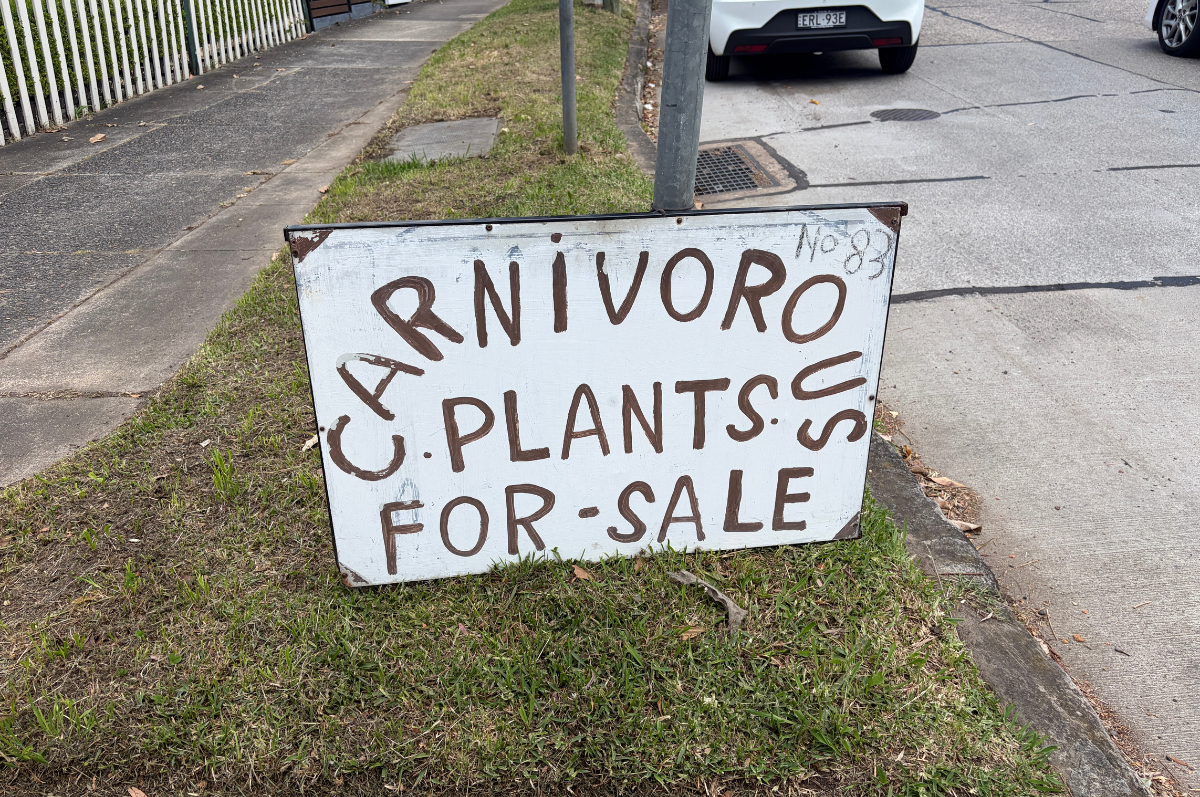
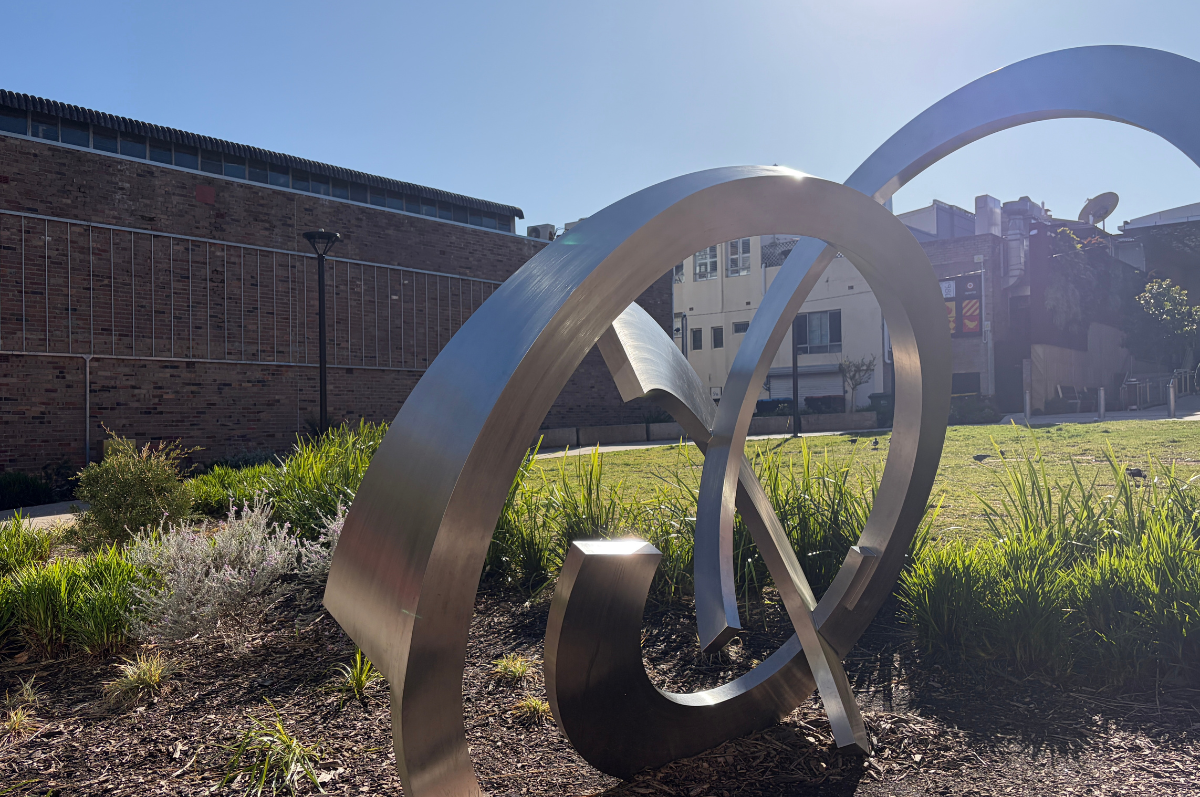
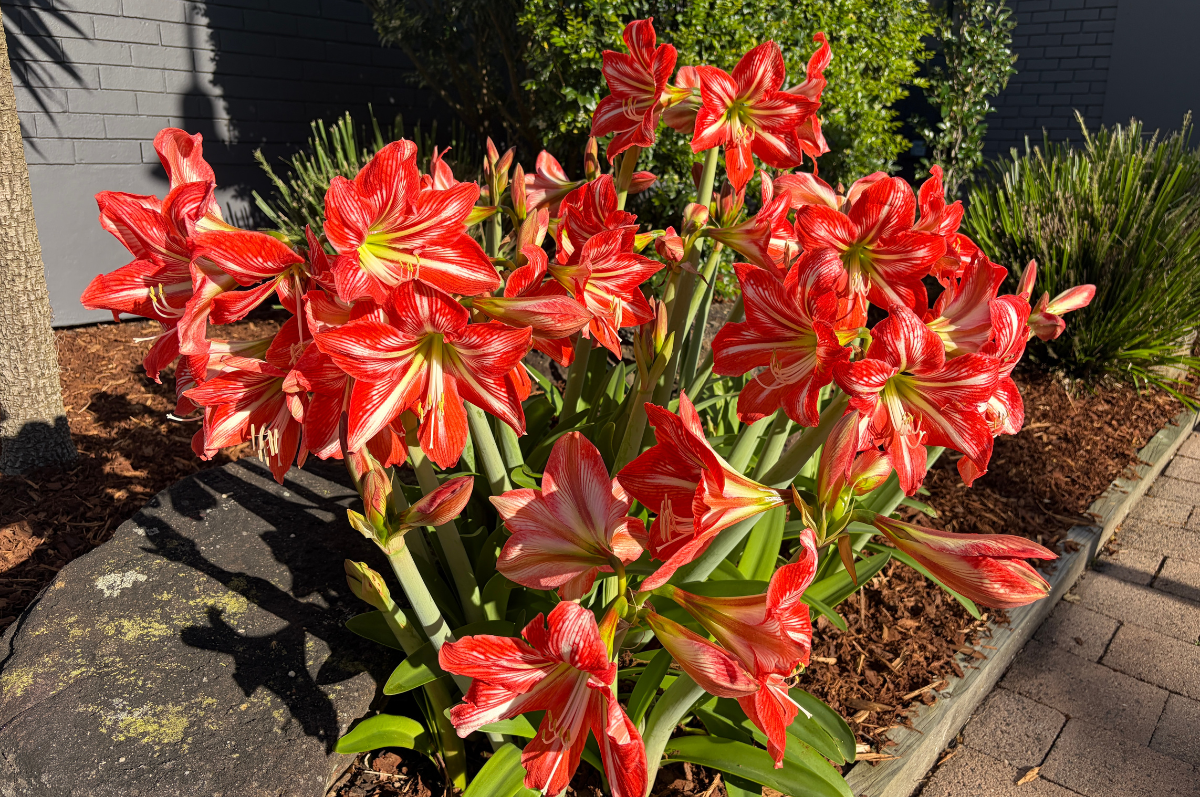
iPhone 17 camera samples
Check out these camera samples taken on the iPhone 17. Click or tap on any photo to see a larger version.










iPhone 17 – Final Thoughts

The iPhone 17 represents a new framing for the flagship. It's been a slow and deliberate change, but the baseline finally stands out as an option really worth considering. It's got all the base features in common with the Pro models, and you essentially get more storage at a discount.
Apple was charging $1,599 for the 256GB iPhone 16 last year; you now get the same memory for $200 less on the 17. The elimination of the Plus model and boost in size also means there's less confusion about the product line, which is cleaner overall.
While the new iPhone Air is the most
interesting of Apple's handsets for the year, it's a bit of a stab in the dark. At $1,799, it's $400 more expensive
than the iPhone 17 and $200 shy of the iPhone 17 Pro both of which are more capable devices (if less novel).
If you've been umming and erring on whether to upgrade over the last few cycles, then the standard iPhone 17 is the one to upgrade to.
These are the most popular mobile phone plans on our website right now with at least 15GB of data, sourced from our database of 28 mobile providers:
|
#1
|
SpinTel

Editor's Pick
$23 Mobile Plan
$12.00/mth
Min. cost $12
|
|
#2
|
Boost Mobile

$39 Prepaid
$39.00
Per 28 Day Renewal
|
|
#3
|
Dodo

Editor's Pick
Medium Mobile Plan
$30.00/mth
Min. cost $15
|
|
#4
|
TPG

Editor's Pick
30GB Small Plan
$15.00
Per 1 Month Renewal
Link not supplied
|
|
#5
|
Yomojo

Starter 29GB Plan
$24.90
Per 30 Day Renewal
Link not supplied
|
|
#6
|
Tangerine Telecom

30GB 5G Mobile SIM
$30.00/mth
Min. cost $15
|
|
#7
|
Pivotel

25GB Mobile Swift Plan
$11.45/mth
Min. cost $11.45
|
|
#8
|
TPG
100GB Large Plan
$22.50
Per 1 Month Renewal
Link not supplied
|
|
#9
|
Swoop

30GB SIM Only 5G
$14.00/mth
Min. cost $14
|
|
#10
|
Dodo
Large Mobile Plan
$40.00/mth
Min. cost $20
|
Dylan Crismale
Digital Content Editor

Related Articles


