

After months of leaks and rumours, Apple has officially taken the wraps off its 2025 iPhones, and once again, we're getting four brand new devices: the iPhone 17, the iPhone 17 Pro, the iPhone 17 Pro Max, and the all-new iPhone Air.
As with the last few years, the iPhone 17 Pro and iPhone 17 Pro Max's upgrades are a bit flashier. The phones have had a redesign, moving to an aluminium unibody, a beefy new processor backed by better thermal management, bigger batteries, and an 8x optical zoom lens.
Meanwhile, the iPhone Air is Apple's thinnest iPhone yet, measuring in at 5.6mm at its slimmest point. It does, however, feature just one rear-facing camera.
Lastly, the standard iPhone 17 gets a very welcome display upgrade, featuring a 120Hz refresh ProMotion screen for the first time. This also enables an always-on display.
Across the board, every iPhone model now starts with a minimum of 256GB of storage. Despite the increase, the entry-level iPhone 17 still starts at $1,399, which is what you'd pay for a 128GB iPhone 16 last year.
The iPhone Air starts at $1,799, which is the same as what you'd pay for a 256GB iPhone 16 Plus last year. Similarly, the iPhone 17 Pro starts at $1,999, which is in line with the 256GB iPhone 17 Pro last year, but with no cheaper 128GB option available. Lastly, the iPhone 17 Pro Max now starts at $2,199, which is $50 more expensive than last year. If you were looking to get the newly introduced 2TB iPhone 17 Pro Max, you'll pay $3,799.
Before we get into the nitty-gritty of what's new, here's the important stuff. All four new devices will be available for pre-order from 10pm AEST on September 12, ahead of a September 19 release date.
Compare plans for the 2025 iPhones below:
iPhone 17 256GB Plans

|
Optus

$60 Optus Choice Plus Plan
$77.86/mth
Min. cost $1,437.96
|
|
Vodafone

$58 Small Plan
$88.02/mth
Min. cost $1,593.72
|
|
Telstra

$84 Essential Upfront Mobile Plan
$117.02/mth
Min. cost $1,622.72
Link not supplied
|

iPhone 17 Pro 256GB Plans

|
Vodafone
Editor's Pick
$58 Small Plan
$92.18/mth
Min. cost $2,043.72
|
|
Optus
$60 Optus Choice Plus Plan
$94.52/mth
Min. cost $2,037.72
|
|
Telstra
$84 Essential Upfront Mobile Plan
$129.52/mth
Min. cost $2,072.72
Link not supplied
|
iPhone 17 Pro Max 256GB Plans
|
Vodafone
$58 Small Plan
$97.74/mth
Min. cost $2,243.88
|
|
Optus
$60 Optus Choice Plus Plan
$100.08/mth
Min. cost $2,237.88
|
|
Telstra
$84 Essential Upfront Mobile Plan
$135.08/mth
Min. cost $2,272.88
Link not supplied
|
iPhone Air 256GB Plans

|
Optus
$60 Optus Choice Plus Plan
$75.06/mth
Min. cost $1,337.16
Out of stock
|
|
Vodafone
$58 Small Plan
$97.75/mth
Min. cost $1,944
|
|
Telstra
$84 Essential Upfront Mobile Plan
$126.75/mth
Min. cost $1,973
Link not supplied
|
iPhone 17 Pro & iPhone 17 Pro Max

As Apple's "Pro" handsets, the iPhone 17 Pro and iPhone 17 Pro Max feel like the most significant upgrades.
The back of the phones is the most significant redesign Apple has implemented since the iPhone X, with the pair of devices featuring a much larger camera "plateau" and a mix of glass and aluminium.
The majority of the phone is built from aluminium rather than titanium, like recent models, while a Ceramic Shield glass panel still enables wireless charging. When combined with a new vapour chamber, Apple says the aluminium unibody allows for better heat management, which in turn enables higher sustained performance.
Apple says this means the iPhone 17 Pro can offer up to 40% better sustained performance than the iPhone 16 Pro.
The iPhone 17 Pro and iPhone 17 Pro Max both have the same display size as last year's models, measuring in at 6.3-inch and 6.9-inch, respectively. They do have a new anti-reflective coating similar to that on the Galaxy S25 Ultra, however, and feature Ceramic Shield 2 protection. Apple says Ceramic Shield 2 is three times more scratch-resistant than the previous version.
Both Pro models also get a bump in battery, which Apple attributes to the redesign. The 6.3-inch iPhone 17 Pro offers up to 31 hours of video playback per charge, up from 27 last year. The 6.9-inch iPhone 17 Pro Max promises up to 37 hours of video playback, up from 33 in the iPhone 16 Pro Max. In both cases, Apple says a 20-minute charge with a 40W adapter will take the phone from flat to 50%.
When it comes to cameras, the iPhone 17 Pro models now feature three 48MP lenses on the back. The big change is a new 48MP telephoto lens that can do both 4x and 8x optical zoom. This replaces the 5x zoom lens on last year's models.
There's also a new 18MP front-facing "Center Stage" selfie camera. This is backed by a square sensor, which enables landscape selfie photos while still holding the phone vertically, and face tracking when making video calls.
Full pricing for the iPhone 17 Pro and iPhone 17 Pro Max is as follows:
- iPhone 17 Pro 256GB: $1,999
- iPhone 17 Pro 512GB: $2,399
- iPhone 17 Pro 1TB: $2,799
- iPhone 17 Pro Max 256GB: $2,199
- iPhone 17 Pro Max 512GB: $2,599
- iPhone 17 Pro Max 1TB: $2,999
- iPhone 17 Pro Max 2TB: $3,799
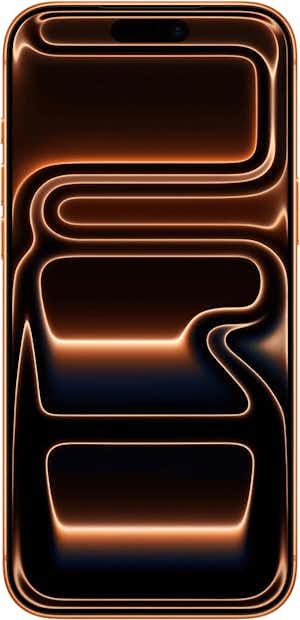
Both phones are available in a choice of silver, deep blue, and cosmic orange.

Dodo's NBN 500 Unlimited plan is our pick for the best NBN 500 plan for September.
|
Dodo

FTTP, HFC
Editor's Pick
nbn500 Unlimited Plan
$62.99/mth
Min. cost $62.99
|
iPhone Air
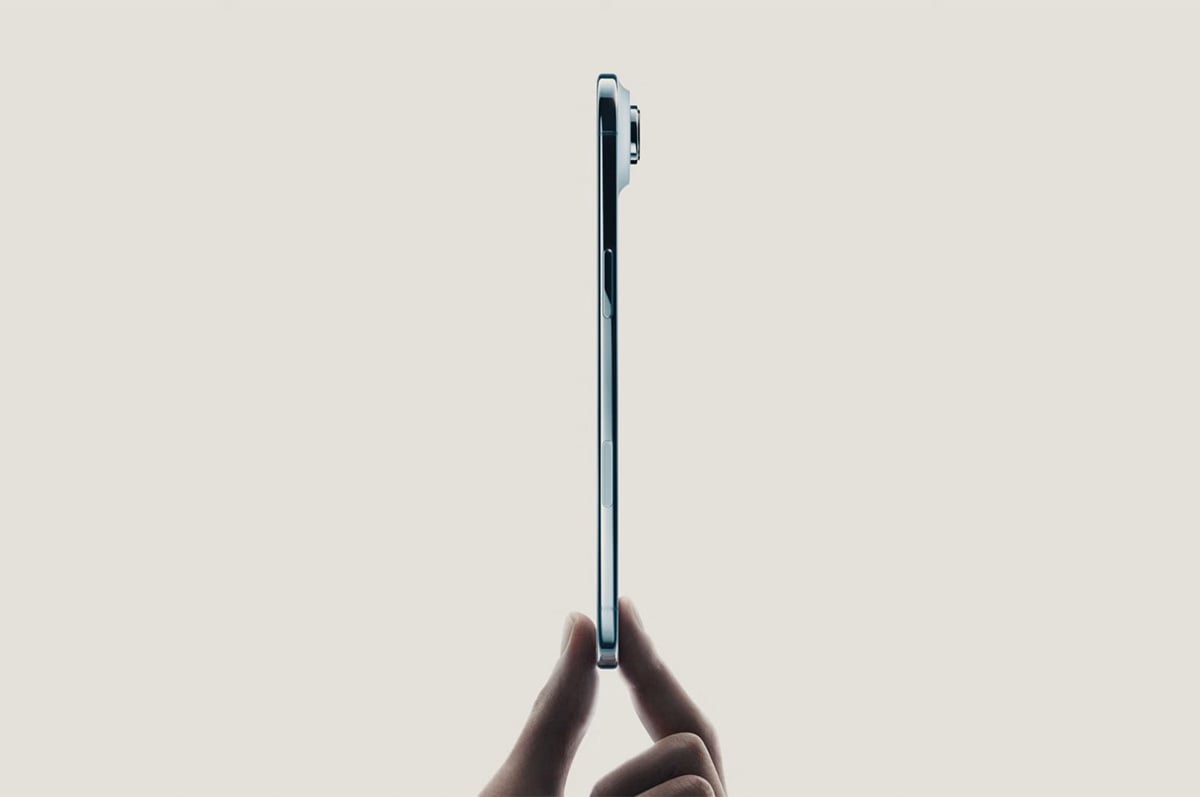
The iPhone Air replaces the "Plus" model in Apple's iPhone lineup this year, and as the name may suggest, it's pretty damn thin. It measures in at 5.6mm at its slimmest point, and weighs just 165 grams.
The iPhone Air features a 6.5-inch display with an anti-reflective coating, a 120Hz refresh rate, and always-on, which Plus models didn't have. It's Apple's only titanium phone this year, and is protected with Ceramic Shield 2 on the front and back.
Inside is an A19 Pro, but with one less GPU core than the variant found in the iPhone 17 Pro model. Despite this, Apple says the phone has "MacBook levels of compute".
Unlike Pro models, the iPhone Air has an Apple-made model, called the C1X. This is said to be 2x faster than C1 model in the iPhone 16e, and uses 30% less battery than the modem in the iPhone 16 Pro.
In terms of battery, Apple says the iPhone Air can still achieve up to 27 hours of video playback per charge and should last all day. Despite this, Apple did call out a new MagSafe battery for the device during its reveal. When combined with the MagSafe battery, the iPhone Air can offer up to 40 hours of video playback per charge.
The iPhone Air has just one 48MP camera on the back, and the new 18MP selfie camera on the front.
Notably, the iPhone Air doesn't have a physical SIM slot. This means users will need an eSIM for mobile connectivity.
iPhone Air pricing is as follows:
- iPhone Air 256GB: $1,799
- iPhone Air 512GB: $2,199
- iPhone Air 1TB: $2,599
You'll be able to buy either in a choice of space black, light gold, cloud white, and sky blue.
iPhone 17
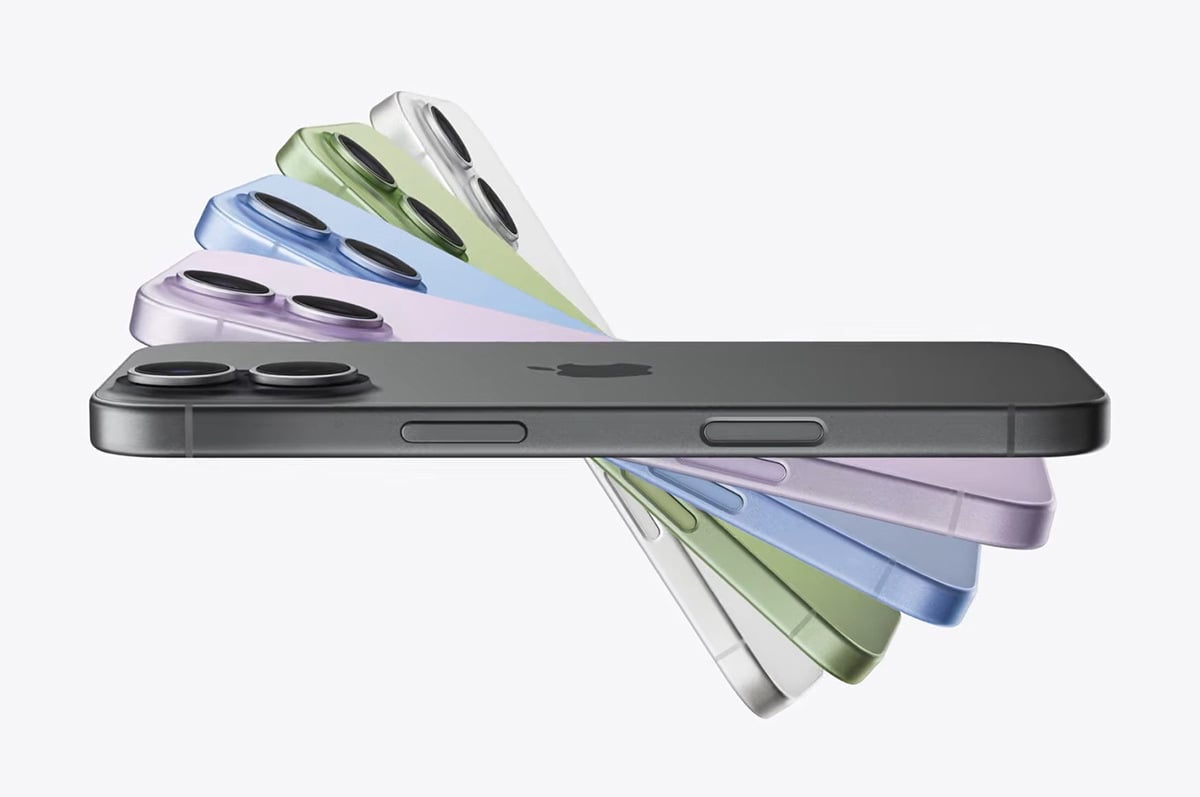
The iPhone 17 is the new "standard" iPhone, succeeding the iPhone 16. For the first time, the standard model has a 120Hz ProMotion display, which has been featured in Pro models since the iPhone 14 Pro. This makes all motion on the display smoother, and also enables an always-on display.
The display is now a slightly larger 6.3-inch panel, up from 6.1-inch, and has an anti-reflective coating like the more expensive options. Similarly, the iPhone 17 screen is protected with Ceramic Shield 2for better scratch resistance.
The iPhone 17 is powered by a "standard" version of Apple's A19 chipset, which the company says is as much as 20% faster than the A18 in the iPhone 16.
Battery gets a significant bump, with up to 30 hours of video playback per charge. That's an eight-hour increase over the iPhone 16. A 40W charger can take the phone from flat to 50% in 20 minutes.
On the camera front, the iPhone 17 has a 48MP primary lens, a new 48MP ultra-wide lens, and the new 18MP selfie camera.
iPhone 17 pricing is as follows:
- iPhone 17 128GB: $1,399
- iPhone 17 512GB: $1,799
You'll be able to buy either in a choice of black, lavender, mist blue, sage, and white.
Here's how specs of every new iPhone model compare:
| iPhone 17 | iPhone Air | iPhone 17 Pro | iPhone 17 Pro Max | |
|---|---|---|---|---|
| Display | 6.3-inch OLED | 6.5-inch OLED | 6.3-inch OLED | 6.9-inch OLED |
| Resolution | Super Retina XDR | Super Retina XDR | Super Retina XDR | Super Retina XDR |
| Refresh Rate | 120Hz | 120Hz | 120Hz | 120Hz |
| Rear Cameras | 48MP + 48MP | 48MP | 3x 48MP + LiDAR | 3x 48MP + LiDAR |
| Front Camera | 18MP | 18MP | 18MP | 18MP |
| Processor | A19 | A19 Pro (5-core) | A19 Pro (6-core) | A19 Pro (6-core) |
| Storage | 256GB - 512GB | 256GB - 1TB | 256GB - 1TB | 256GB - 2TB |
| Water-Resistance | IP68
|
IP68 | IP68 | IP68 |
| 5G | Sub 6 | Sub 6 | Sub 6 | Sub 6 |
| SIM | Physical + eSIM | eSIM | Physical + eSIM | Physical + eSIM |
| Price | From $1,399 | From $1,799 | From $1,999 | From $2,199 |
Old iPhone price cuts
The iPhone 16 and iPhone 16 Plus are sticking around, and both have had price cuts. Here's the new pricing for the old models.
- iPhone 16 128GB: $1,249
- iPhone 16 Plus 128GB: $1,399
- iPhone 16 Plus 256GB: $1,599
These devices should come down in price when bought on a phone plan, too, shortly. iPhone 16e pricing has changed, with the phone still starting at $999.
Apple has discontinued the iPhone 16 Pro, iPhone 16 Pro Max, iPhone 15, iPhone 15 Plus, and iPhone 14.
These are the most popular NBN 50 plans with WhistleOut users this week:
|
#1
|
Dodo
All Fixed Line nbn®
Editor's Pick
nbn50 Unlimited Plan
$57.99/mth
Min. cost $57.99
|
|
#2
|
amaysim

All Fixed Line nbn®
NBN50
$45/mth
Min. cost $45
|
|
#3
|
Tangerine Telecom

All Fixed Line nbn®
Value Plus NBN 50/20
$64.90/mth
Min. cost $64.90
|
|
#4
|
TPG

All Fixed Line nbn®
nbn50 Unlimited Plan
$69.99/mth
Min. cost $69.99
Link not supplied
|
|
#5
|
Aussie Broadband

All Fixed Line nbn®
Value nbn - Unlimited
$70/mth
Min. cost $70
Link not supplied
|
|
#6
|
Superloop

All Fixed Line nbn®
Extra-value nbn50/20
$69/mth
Min. cost $69
|
|
#7
|
iiNet

All Fixed Line nbn®
nbn50 Liimitless
$69.99/mth
+ $10 Upfront
Min. cost $79.99
Link not supplied
|
|
#8
|
Belong

All Fixed Line nbn®
NBN Standard Plus – Unlimited
$55/mth
Min. cost $55
|
|
#9
|
Kogan Internet

All Fixed Line nbn®
Silver Unlimited
$69.90/mth
Min. cost $69.90
|
|
#10
|
Flip

All Fixed Line nbn®
Unlimited Family nbn50
$68/mth
Min. cost $68
|
Alex Choros

Related Articles


