

Nokia 3.1 (2018) Review: The Verdict
The Nokia 3.1 is a no-frills device that feels a little too basic to be anything more than someone's first smartphone, but is nonetheless good for the price - especially thanks to the guaranteed software and security updates you'll get with Android One.
What we love
- Great display
- Decent battery with excellent standby time
- Android One means guaranteed software updates
What could be improved
- Occasional performance hitches
- Only 16GB of storage
- No fingerprint reader
The essentials
- Performance: Fine for basic usage. Not super fast, not uncomfortably slow.
- Battery: A little over a day with moderate usage, but excellent standby time means less demanding users could easily get two.
- Screen: Bright and vivid. Better than the price suggests.
- Camera: Just okay. A little low to shoot and inconsistent.
70/100
$249
The iconic Nokia 3310 was often the go-to "first phone" for kids and teenagers. At $249 outright, the Nokia 3.1 could very well fill a similar role. It's a cheap, reliable Android smartphone. "You get what you pay for" certainly rings true, but on the whole, the Nokia 3.1 is a good low-cost entry into the mobile world.
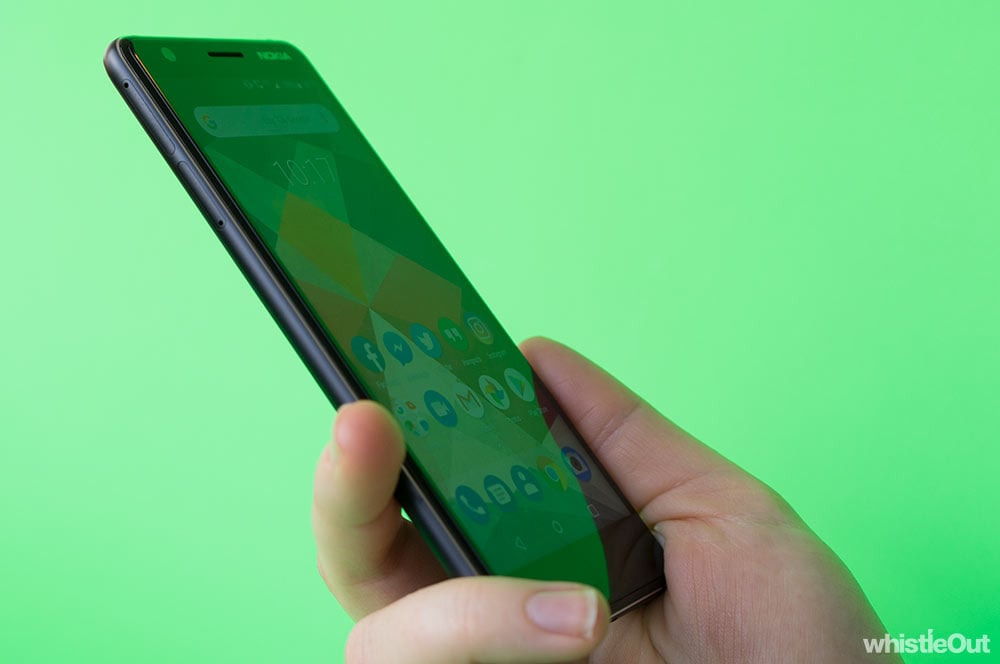
Low cost, but not low quality
- 5.2-inch 720p+ display
- MediaTek MT6750
- 16GB storage, 2GB RAM
- 13MP rear-facing camera
- 2,990mAh battery
In most cases, comparing a budget phone to a high-end flagship is unfair, but display is one area where the Nokia 3.1 comes close to what you get when you spend top dollar. It's got the newfangled extra-tall 18:9 aspect ratio happening, and it's also bright and vibrant enough to work well in direct sunlight.
If you don't want too much from your smartphone - talk, text, social media, and music and video streaming, for example - day-to-day performance on the Nokia 3.1 is absolutely fine. You might run into slowdown from time to time, and while the phone isn't lightning fast, it's usable. It's not peg-it-against-a-wall slow or anything.
Since the Nokia 3.1 sold in Australia only ships with 2GB of RAM, it's prone to running out of memory quickly. This means apps will have often have to launch from start, rather than from standby, adding a little bit of extra load time. As a result, we also found that apps designed to run in the background - like the Facebook Messenger chat head overlay - would occasionally just shutdown, sometimes even in the middle of typing out a message.
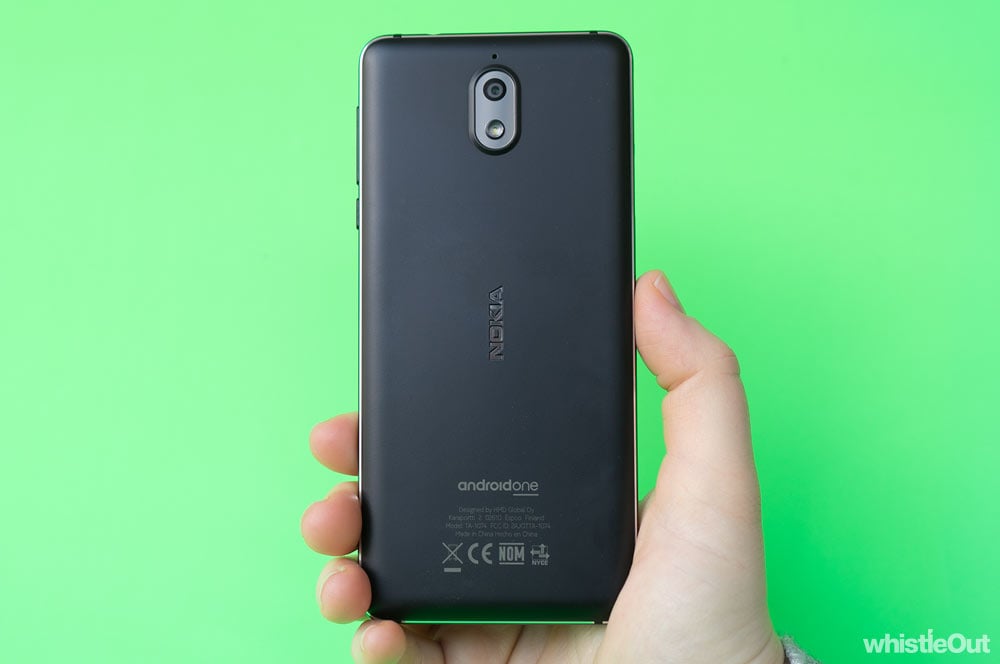
Looks are normally one of the bigger compromises you make when buying a more affordable smartphone and that's still kind of the case with the Nokia 3.1 It's quite boxy, but at subtle copper or chrome frame gives it the handset a little bit of its own flair.
A common issue with budget smartphones is a lack of software and security updates. Many manufacturers have a habit of putting cheap phones on the market without any post purchase software support. Fortunately, the Nokia 3.1 stands out from its budget brethren in this regards. It ships with Android One, an unfettered version of Android that's essentially maintained directly by Google. In addition to a bloatware-free experience, it means you're guaranteed three years of monthly security updates and two major operating system updates. This kind of support is virtually unheard of on when it comes to cheaper devices.
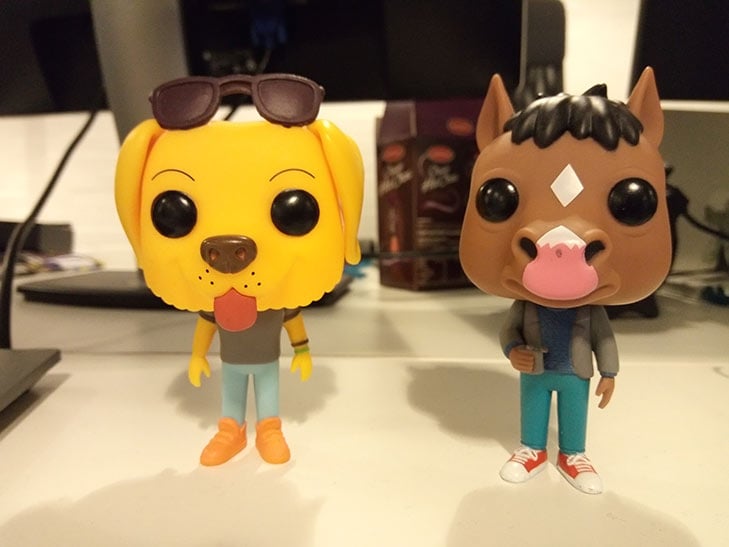
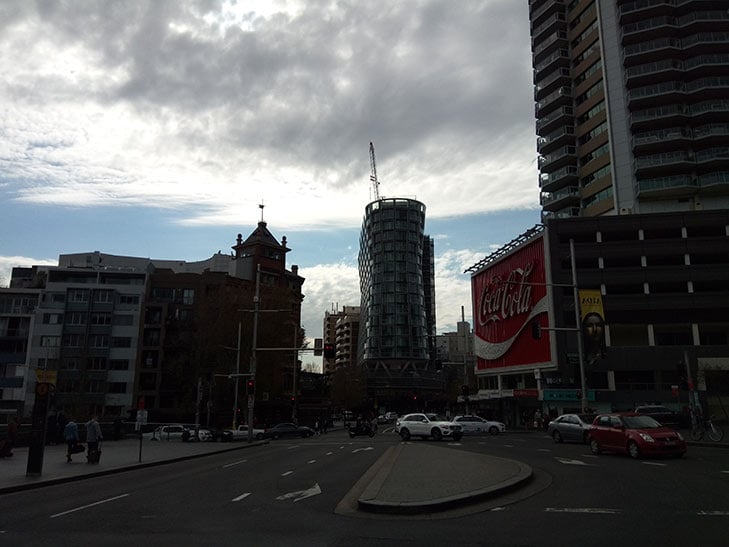
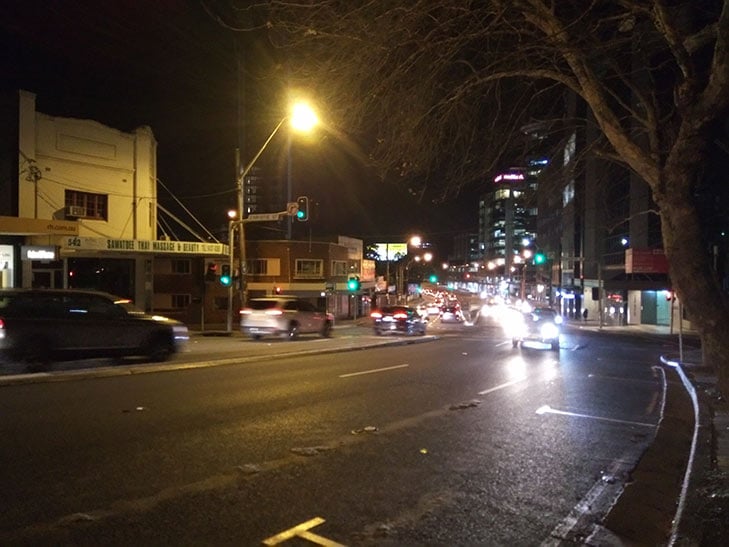
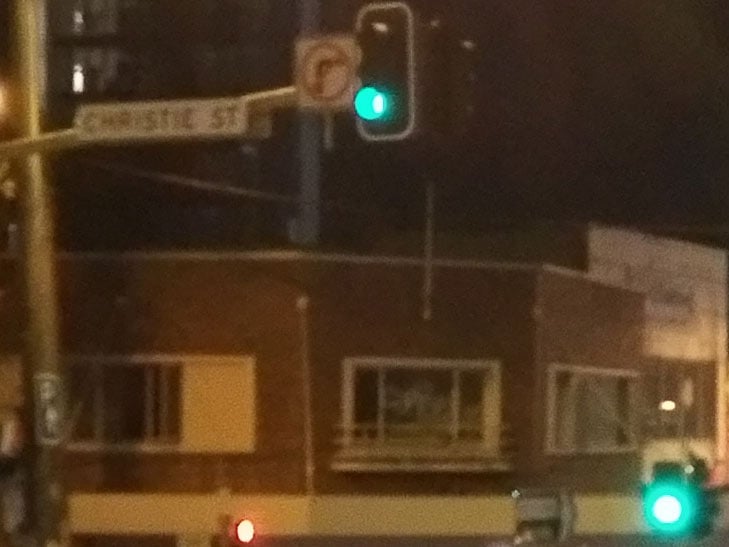
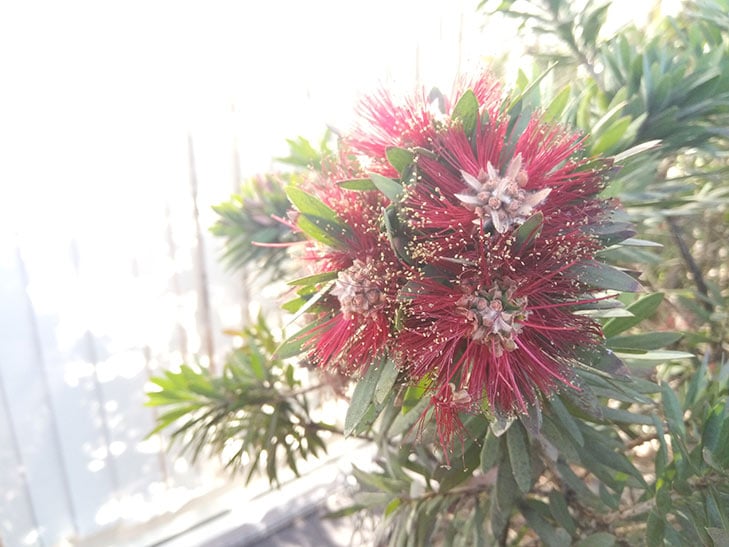
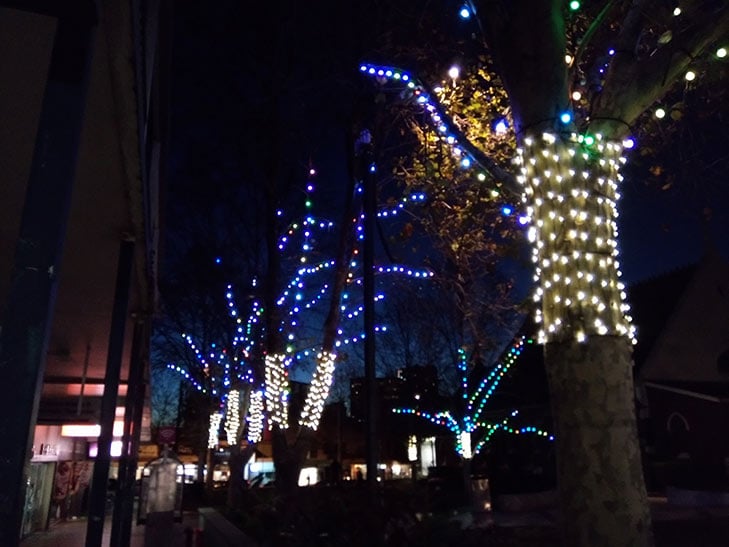
Camera quality is - unsurprisingly - very hit and miss. It's possible to get okay photos during the day, but even the faintest hint of bright light can blowout or underexpose large amounts of your image. Still lowlight images look okay on your phone screen, but zooming will reveal grain and blur.
While a lot of this is still par for course for a cheaper phone, the Nokia 3.1 doesn't have a fingerprint reader. It's an odd decision, especially given that most sub-$100 have one, and it's kinda inconvenient. After years of instantly unlocking a phone, banging in a PIN feels primitive.
Who is the Nokia 3.1 for?
Like the 3310 before it, the Nokia 3.1 will make a fine first phone. It's not the fanciest device around, but it feels mostly worth the $249 asking price. The lack of a fingerprint reader is the only major red flag.
Of course, there's other sub-$300 smartphones you should consider (which we'll cover in a little more detail below), and if you can afford to spend more, it might be worth dropping a little extra dosh. While the Nokia 3.1 is good for its price, phones around the $400 mark tend to lose the "for the price" qualifier.
But if you'd prefer to spend less, the Nokia 3.1 will certainly do the job.
Nokia 3.1 camera samples


I don't want a Nokia 3.1, what else can I buy
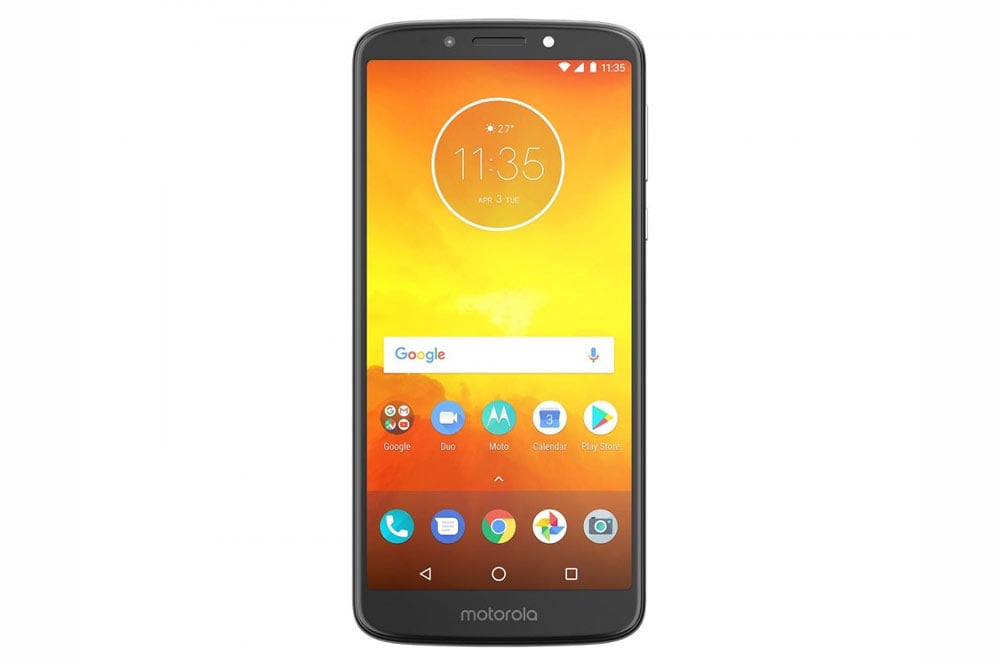
Motorola Moto E5
The Moto E5 is one of the best Android phones around. The camera isn't much to write home about, but you get a faster processor than you'll find in the Nokia 3.1, a slightly bigger screen, a fingerprint reader, and you'll pay $20 less. You will however miss out on Android One, so software and security updates aren't guaranteed.
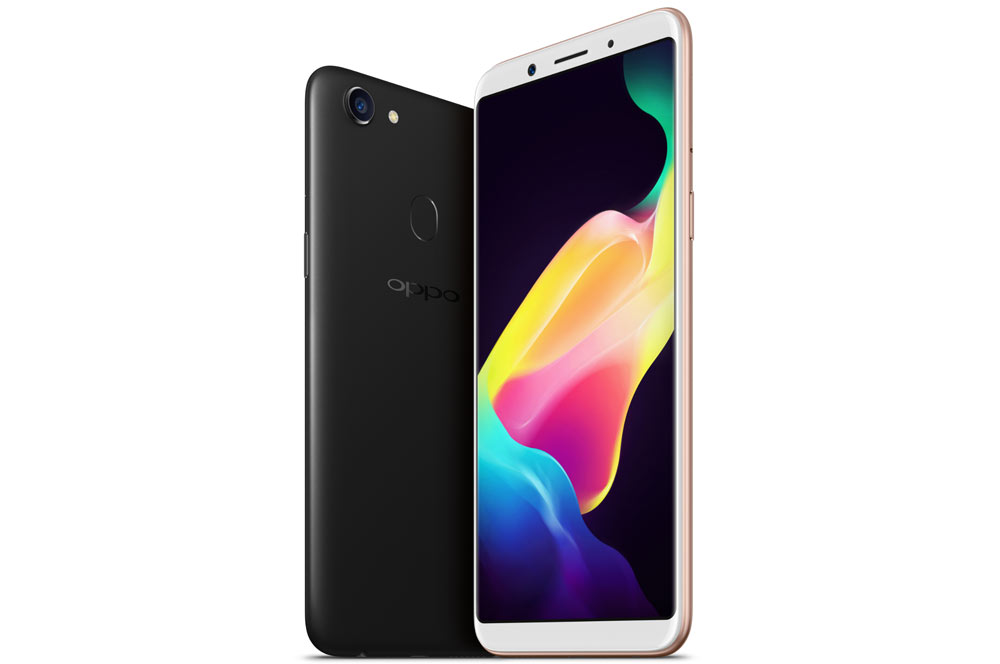
OPPO A73
If you're okay with committing to Optus prepaid, you can grab the OPPO A73 for $259 - $10 more than the Nokia 3.1. It's got a faster processor under the hood, more storage out of the box, a fingerprint reader, and facial recognition. The A73 runs OPPO's highly customised take on Android, which is more similar to the software you'd find on an iPhone than standard Android.
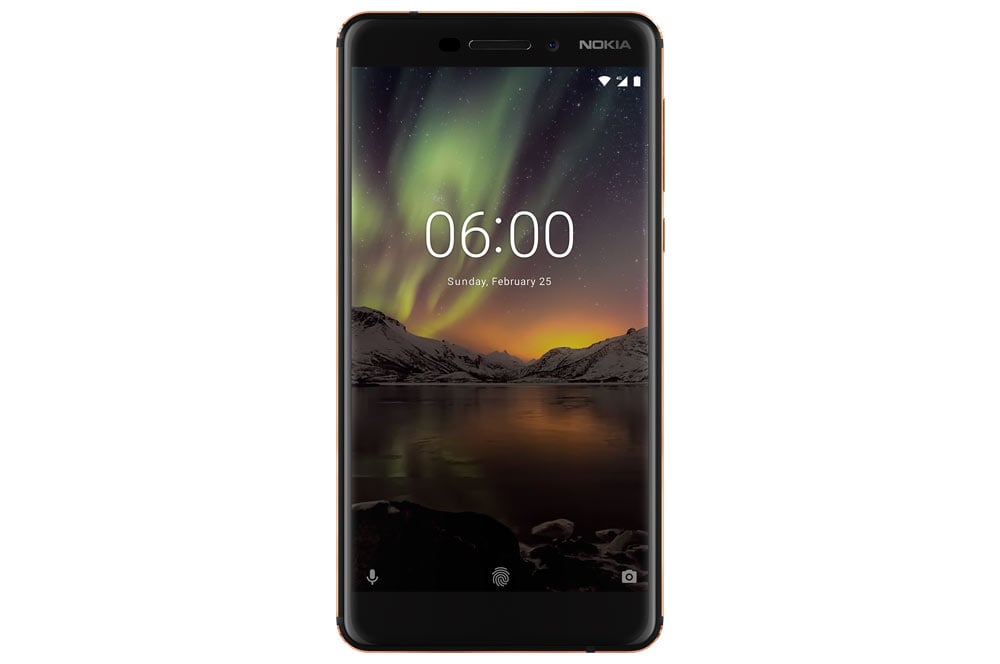
Nokia 6.1 (2018)
If you've got a little more money to spend, it's worth considering the upsell to the Nokia 6.1. You get a bigger display and a slightly more refined design, but the $150 premium also gets you a processor that’s leaps and bounds ahead of the MediaTek chip in the Nokia 3.1. And the 32GB of starting storage capacity is much more comfortable than 16GB.
SIM-only plans to go with your Nokia 3.1
|
#1
|
Pivotel

25GB Mobile Swift Plan
$11.45/mth
Min. cost $11.45
|
|
#2
|
SpinTel

Editor's Pick
$23 Mobile Plan
$12.00/mth
Min. cost $12
|
|
#3
|
Swoop

30GB SIM Only 5G
$14.00/mth
Min. cost $14
|
|
#4
|
Boost Mobile

$14 Prepaid
$14.00
Per 7 Day Renewal
|
|
#5
|
Kogan Mobile

Small Monthly Plan
$23.00
Per 30 Day Renewal
|
|
#6
|
Dodo

Small Mobile Plan
$25.00/mth
Min. cost $25
|

Alex Choros

Related Articles


