
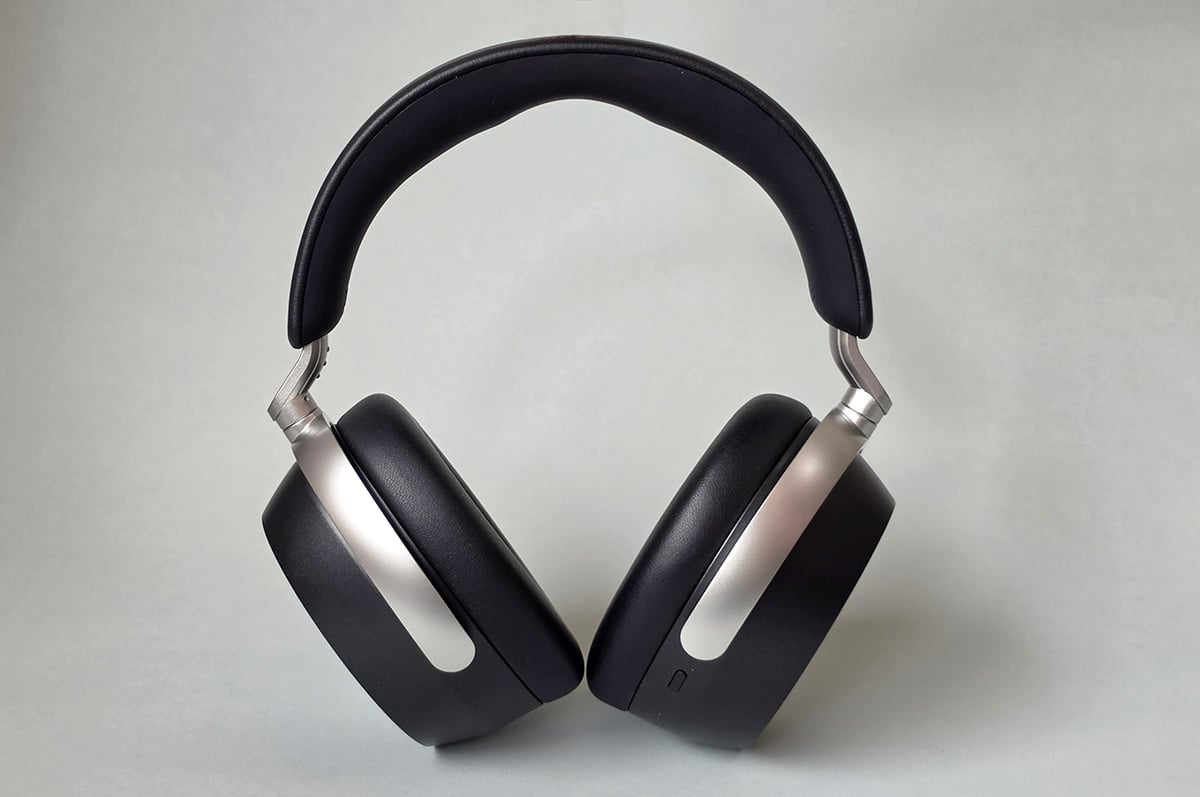
- Outstanding audio out of the box
- Highly customisable sound
- 50 to 60 hours of battery life
- Various connectivity options
- Expensive
- Mediocre ANC at this price point
- Not very comfortable for long stints
- All-plastic design feels cheap
No headphones depend on your priorities quite like the HDB 630. For me, it’d be easy to give Sennheiser top marks for the industry-leading audio alone, not to mention the huge 50 plus hours of battery. But shortfalls in other categories will be deal breakers for many people.
In particular: $999.95 is a lot to ask, the ANC is unremarkable, the build quality feels tacky for the price, comfort will vary from person to person, and Sennheiser’s standard playback controls haven't improved with time. For most buyers, these factors are as or more important than audio quality, potentially turning a must-have pair of headphones into a niche product for audio enthusiasts.
Design, comfort, and controls
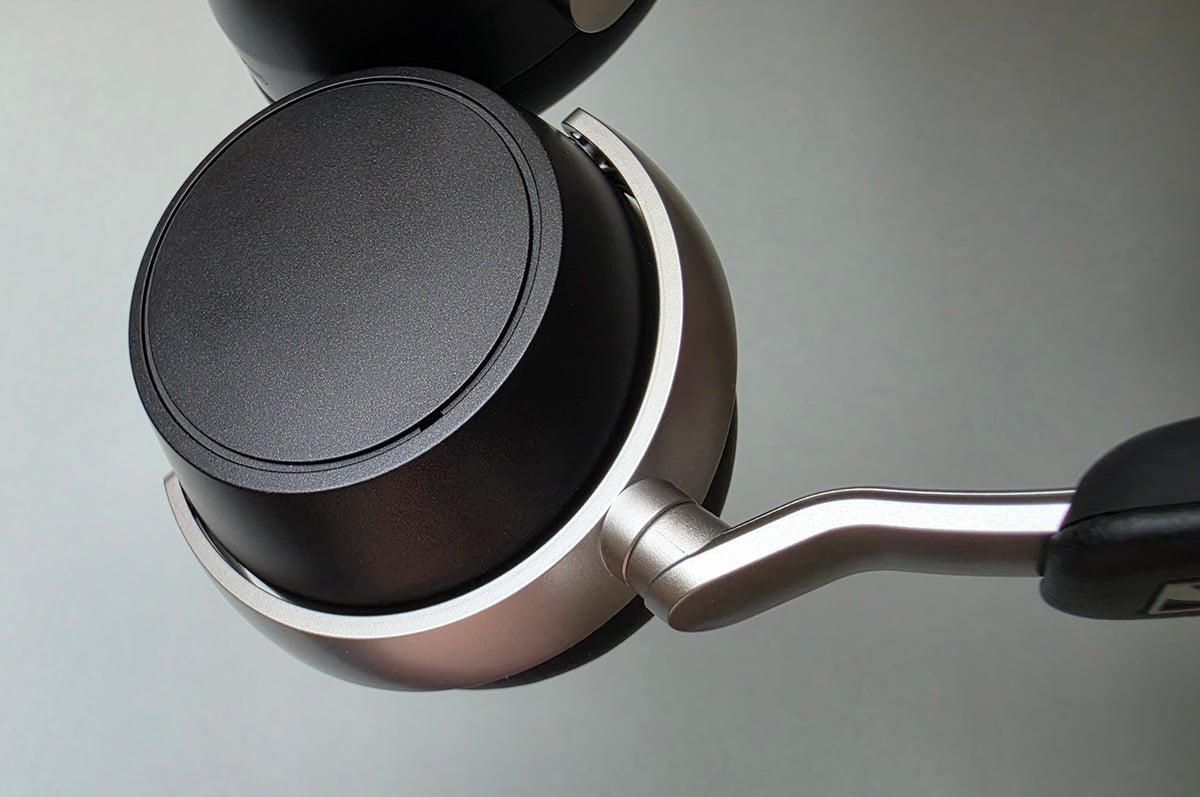
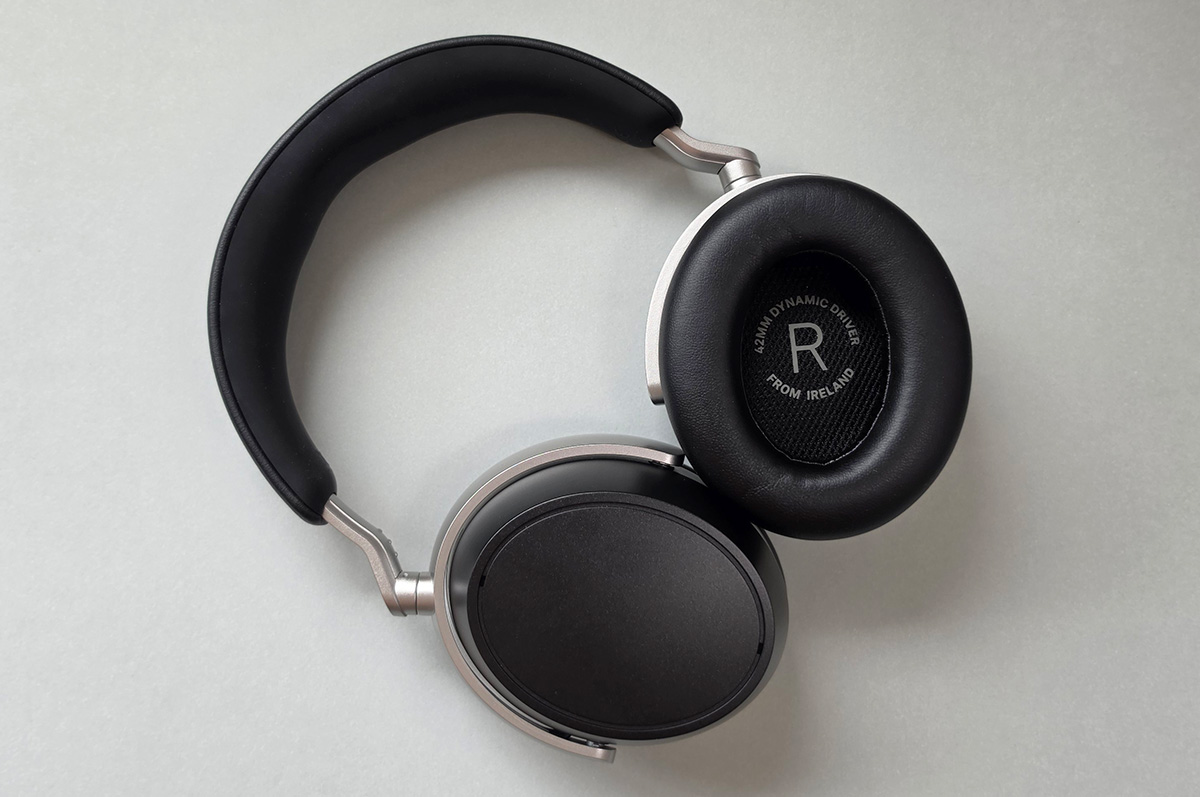
The general look and feel of the HDB 630 are fine, but unremarkable – plastic construction, a bit of silver flare on the yolks, faux leather on the headband, and an aversion to buttons that plagues so many wireless headphones. The shape of the ear cups is nice enough but, ultimately, there's no visual or tactile indication of a top-range product. When you account for the $1,000 price tag, it’s a bit underwhelming.
They also fail to impress in the comfort department. The headband needs a bit more padding, so after a while, pressure builds up on the top of your head. You might think the all-plastic design would help with this by reducing the weight, but they're still a tad over 300g. They're not the heaviest headphones by a long margin, but they don't feel noticeably light when worn.
The ear cups are also a little too shallow and thin for my ears, dealing out a gentle one-two combo of folding them inwards before gently smooshing them with the hard barrier that protects the drivers. For short stints, none of this is enough to cause discomfort. But these aren’t headphones I would happily wear all day.
As for whether this will affect you, that probably depends on your dimensions. For comparison, I'm about 185cm (6'1" in old money) with run-of-the-mill ears for my size. But my above-average height (and admittedly big head) does mean my discomfort mightn’t be a problem for everyone.
Sennheiser's go-to approach for playback controls is always a big drawback. Like many of its forebears, the HDB 630 has just one physical button, which handles on/off and Bluetooth pairing. And even this one physical control is disappointing because a power button doesn't tell you at a glance if the headphones are on or off. If only there were an alternative choice, like a switch or toggle. But no, that's crazy talk.
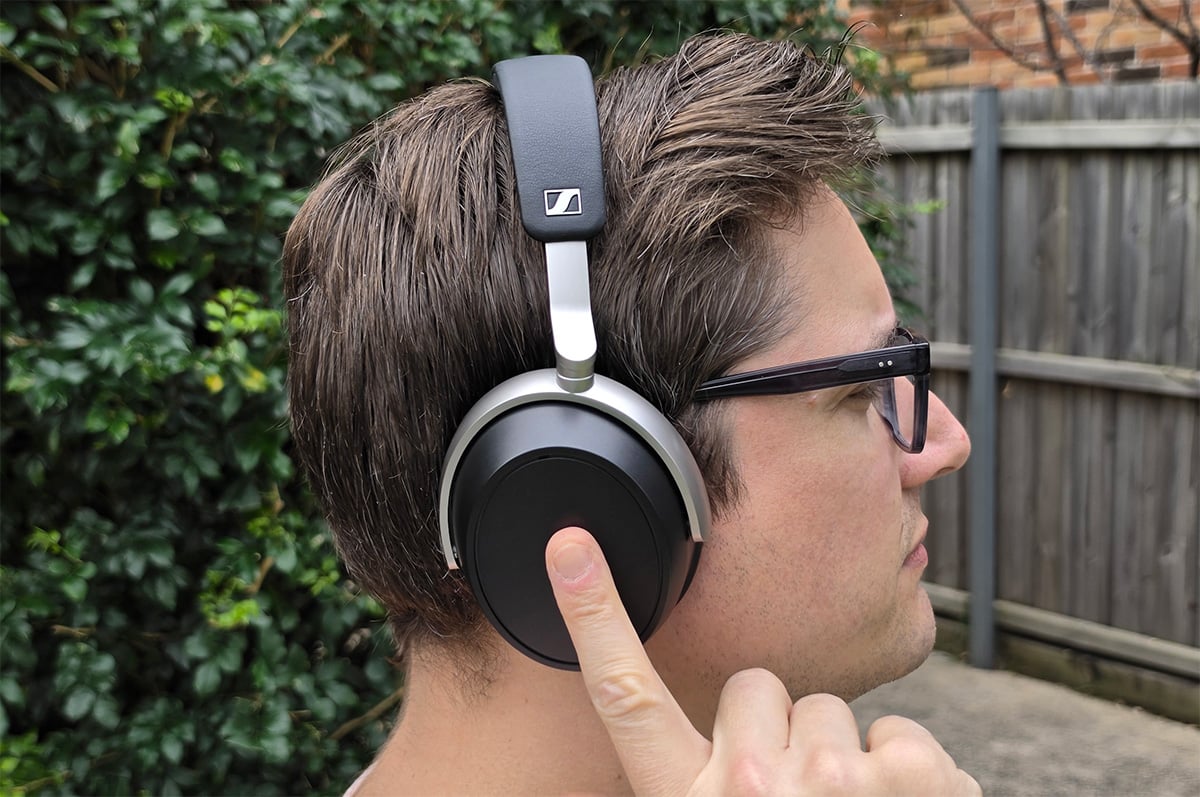
The rest of the (uncustomisable) playback controls are all via touch on the right earcup:
- Tap once = play/pause
- Tap twice = transparency
- Swipe front/back = Skip forward/back
- Swipe front/back and hold = fastforward/rewind
- Swipe up/down = volume
- Spread two fingers = increase transparency
- Pinch = decrease transparency
It’s nice that Sennheiser included a full suite of commands, but the touch area is awkwardly large and sensitive. It’s hard to adjust the headphones on your head without triggering a random command. And it’s downright impossible to rest them around your neck without constantly triggering play/pause, making the auto-pause feature effectively useless. And a decent chunk of the inputs switch to different commands when you're on a call, which can get pretty annoying.
Battery
Sennheiser gets full marks for battery on the HDB 630. At 50 to 60 hours of continuous playback, this is one of the longest-lived headphones on the market.
It far outpaces its most popular competition, such as the up to 20 hours of the AirPods Max 2 ($999), up to 30 hours of the Sony WH-1000XM6 ($699.96), and up to 30 hours of the Bose QuietComfort Ultra Gen 2 ($699.95).
Sennheiser also claims the HDB 630 can give you up to seven hours of playback from just 10 minutes of charging – but we didn’t actually get a chance to test this because we didn’t manage to run the battery down to zero over almost two weeks of regular use.
ANC and transparency mode
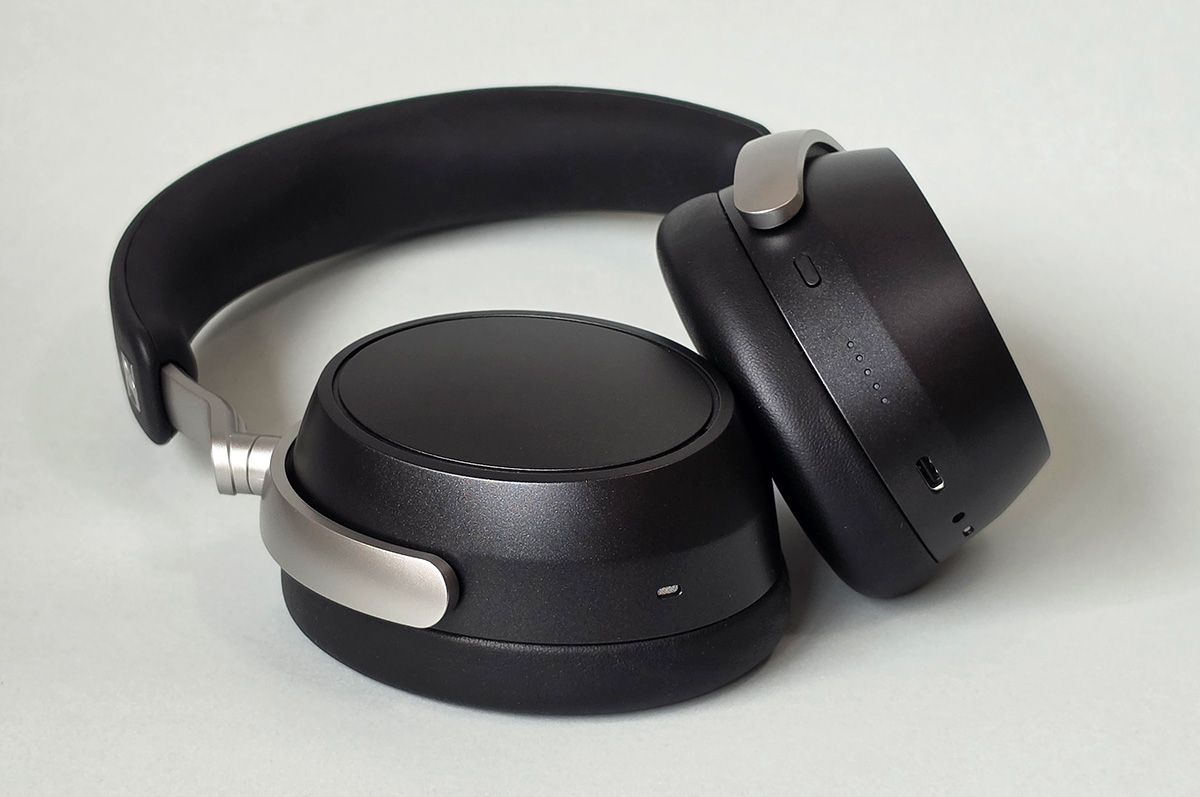
The noise cancellation and transparency modes on the HDB 630 aren’t a strong suit. They’re not terrible, but they’re both sub-par for a $1,000 pair of headphones.
We found the ANC performed well for engine noise, muttered background conversations in a cafe, and generic lower-frequency humming. But it wasn't as effective as other headphones for higher frequency sounds like construction noise, public transport, or most white noise. Road traffic was a mixed bag – the ANC cut out most engine noise, but didn't do much about rattling trucks and only partially cut down on the constant susurration from tyres as they roll along the road.
Passthrough mode worked, didn't get overloaded by fan noise (always a plus), but it made the world feel flat and synthetic.
If ANC is a top priority for you, you’d be better off looking at the AirPods Max 2, Sony WH-1000XM6, Bose QuietComfort Ultra (Gen 2), or the much cheaper JBL Tour One M3.
Audio
Where the sound profiles of most headphones have identifiable characteristics – e.g. bass-heavy, bright, energetic, mellow, etc. – the HDB 630 can be just about whatever you want them to be. You just have to tell them what that is.
In the mood to lie back and let the tunes wash over you? Great, the HDB 630 can do that. Want to get pumped for a workout, rock out with your hair out, appreciate some classical, get your bop on, or strut your stuff? They can do that, too, as well as likely any other vibe you’re in the mood to manifest.
This is an outstanding achievement by Sennheiser, which I don’t think has been matched by any other wireless headphones to date. And, while unlocking the full potential of these headphones requires a little extra effort via the app, it’s a tiny price to pay for what you get.
For me, the default Neutral profile of the HDB 630 is top tier out of the box. It has a balanced, almost-natural sound that leans towards warmth. Despite eschewing the more-standard boosted bass and sub-bass, it still handles both expertly, such as in the intro to “Blinding Lights” by The Weeknd or pretty much anything by Gaiser.
That said, avid bass heads might still want to look elsewhere. While the HDB 630 can have great, loud bass, it's tighter than you might be used to if you're coming from a Sony or even a Bose product. Tighter bass benefits clarity and is suitable for a wider array of genres, but you'll never feel like you're floating in a gentle sea of sub-sonic vibrations.
Vocals come through rich and natural, as evidenced by the treatment given to Nina Simone’s rendition of “Feeling Good”. And trebles aren’t only clear (see “Humming” by Portishead), but manage a playful tone too often missed by wireless headphones (see “Eple” by Röyksopp).
Virtues aside, balanced audio like this lacks the attention-grabbing, boosted bass and (less common) upper treble that’s standard across the market. If you’re coming from a pair of cans like that, you might mistakenly fear you’re in for a tepid experience with the HDB 630. But let me introduce you to the wonders of full parametric EQ combined with user-shared profiles.
Sennheiser’s inclusion of full parametric EQ for the HDB 630 via its app is an extreme rarity. It allows those with the know-how to highly customise the sound of their headphones. And, thanks to fantastic hardware design, the HDB 630 can hit pretty close to just about any target you care to aim for.
While advanced EQ is best left to audiophiles and professionals, those very same people can share the profiles they’ve spent hours creating. This opens up a huge range of opportunities for the average listener, allowing you to easily acquire, test, and switch between different, expertly crafted sound profiles based on your general tastes or even just to better suit what you’re currently listening to.
All you have to do is point your phone’s camera at a QR code, and the file will download, then automatically add itself to the app. If you’re already on your phone, you can tap a download link instead. Unfortunately, Sennheiser hasn’t created a central hub from which to browse all these profiles. But you can find spaces online where hobbyists share them for free. This Reddit thread is a good place to start.
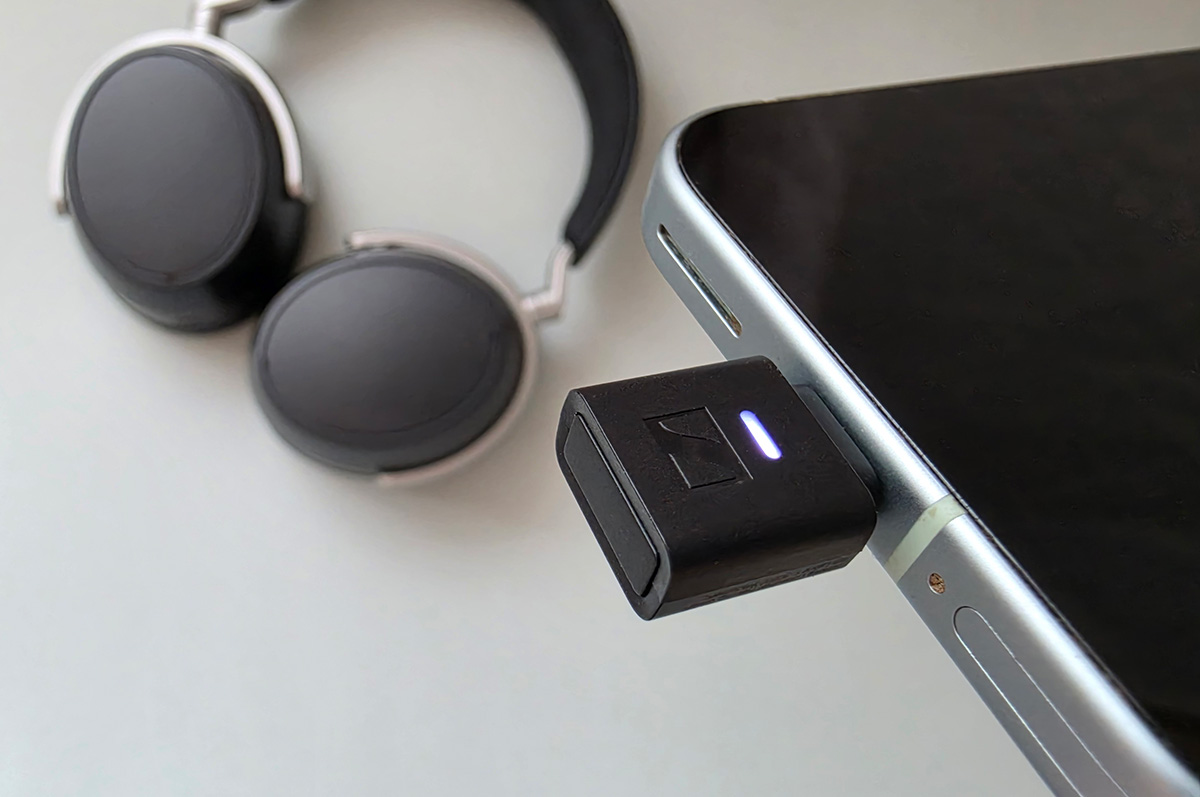
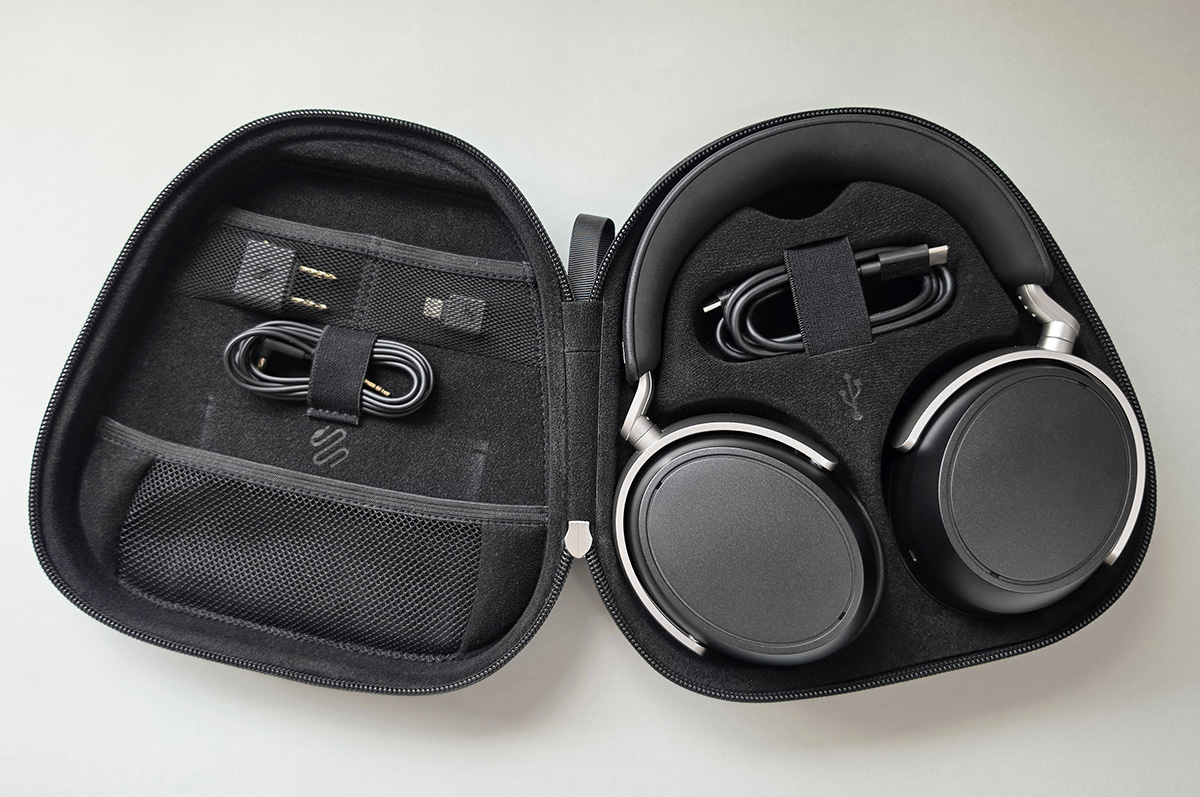
Finally, there are the connectivity options. Beyond the standard Bluetooth, you get a USB-C cable, headphone cable, aeroplane in-flight entertainment adapter, and the BTD 700 Bluetooth dongle in the box.
The USB-C cable offers fully lossless listening, along with lower latency, while the headphone cable is just your stock-standard headphone cable. The aeroplane adaptor is always a nice touch for regular travellers, while the BTD 700 has a couple of use cases.
A pre-paired Bluetooth dongle allows your headphones to be a bit more versatile, making them easy to pair with a range of devices as you need, without cluttering your headphones' settings with multiple gadgets they may or may not try to connect to at any given moment.
The BTD 700 also allows Apple devices to use the slightly superior LDAC audio codec, rather than the more-lossy AAC. Probably most people won't notice the difference, but given the audio-first focus of the HDB 630, it makes sense to include this option for hardcore audio enthusiasts.
Sennheiser HDB 630 – Final Thoughts
I love these headphones, but I’m an audio-first kind of guy. I don’t personally need top-of-the-line ANC, I’ll tolerate a bit of physical discomfort, and even suffer Sennheiser’s playback controls if it improves my listening experience this much. When you add 50 plus hours of battery life to the deal, I'm on board.
But fashion and build quality are a necessity for some shoppers, which is where the HDB 630 fail to live up to their $999.95 price tag. While the shape is distinct and attractive, they look plastic, feel plastic, and aren’t particularly comfortable for long periods (at least, if you have my physical dimensions).
ANC is another top priority for so many people and another area where the HDB 630 struggles to keep pace. The noise cancelling is passable, but can't stand up to its main competition. Even the $329 Nothing Headphone A are a bit better.
If you’re after solid ANC, I’d recommend considering the JBL Tour One M3. They’re much cheaper than the usual recommendations for noise cancelling (i.e. the Sony WH-1000XM6 and Bose QuietComfort Ultra Gen 2), while delivering more balanced audio and a huge 70 plus hours of battery.
At the end of the day, if having wireless headphones with the best and most versatile audio is important to you, in my book, there’s nothing close to the Sennheiser HDB 630. Battery life is also top-tier. But consider carefully if you’d find any of the above downsides to be deal breakers for a roughly $1,000 purchase.
Did you like this article? Good! Why not make us a preferred source in Google? Click below, tick the box, and WhistleOut stories will show up more often when you search for related content.
Alex Angove-Plumb
Digital Content Editor

Related Articles


