
- Great cameras
- Solid battery life
- Weaker performance than similarly priced phones
- Higher starting price than last year
The Pixel 11 is one of those phones that’s just a little better than last year’s model. It’s a minor refresh where the key changes are a new chipset and a better primary camera. Sure, that’s more significant than the Pixel 10a, where, for all intents and purposes, the only thing new was the name, but less ambitious than Pro models that launched alongside the Pixel 11. It’s no secret that mobile hardware has been getting increasingly iterative, but it’s hard not to want a little more.
Google Pixel 11 256GB Plans

|
#1
|
Optus

$60 Optus Choice Plus Plan
$66.72/mth
Min. cost $1,537.32
|
|
#2
|
Vodafone

$58 Small Plan
$68.57/mth
Min. cost $1,543.68
|
|
#3
|
Telstra

$84 Essential Upfront Mobile Plan
$107.29/mth
Min. cost $1,572.68
Link not supplied
|

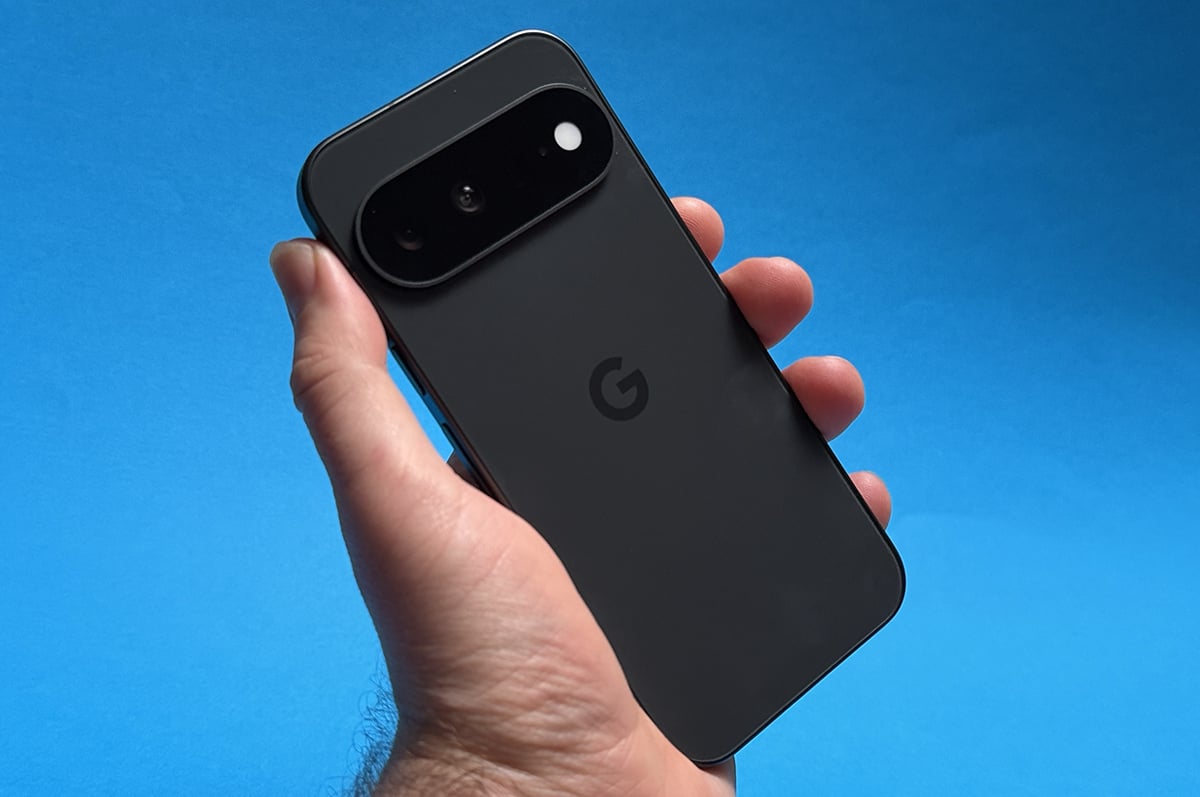
The Pixel 11’s camera upgrades are its most interesting qualities. To start, the primary lens is backed by a larger sensor, which means it can capture more light and, in turn, speeds up low-light photography. You’re not getting the same size sensor as the Pixel 11 Pro and Pixel 11 Pro XL, let alone the one-inch beast we’ve seen in phones like the Xiaomi 17 Ultra, but it represents a nice improvement. For the money, you shouldn’t be disappointed.
Obviously, most won’t be upgrading from a Pixel 10 (and you really shouldn’t upgrade from a Pixel 10 to the Pixel 11), so it’s worth calling out last year’s changes too. The Pixel 10 was the first time Google added three lenses to its “standard” model. This is still true on the Pixel 11: the 48MP primary lens is joined by a 12MP ultra-wide lens and a 10.8MP 5x zoom lens. The ultra-wide could be a little more detailed, but the 5x zoom does a solid job, and it is far from a given at this price point.
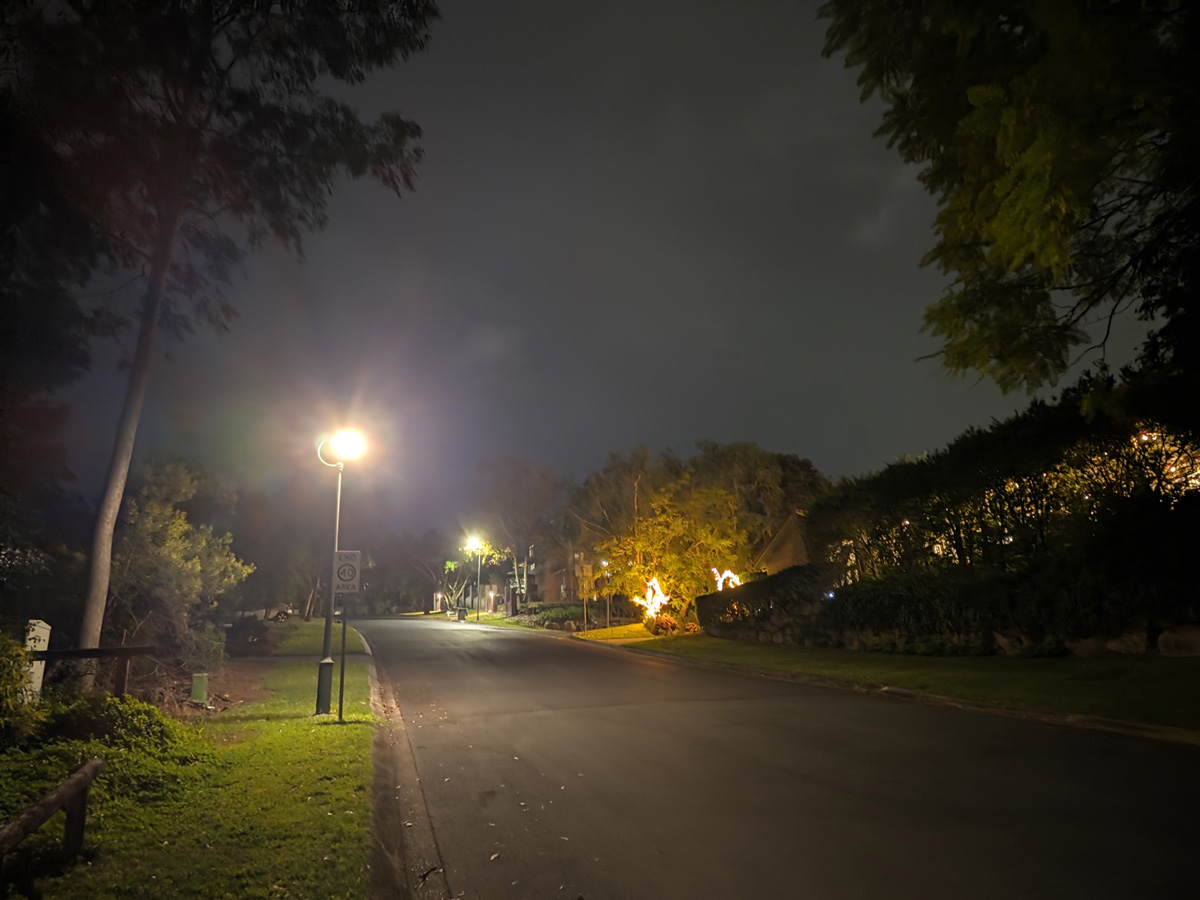
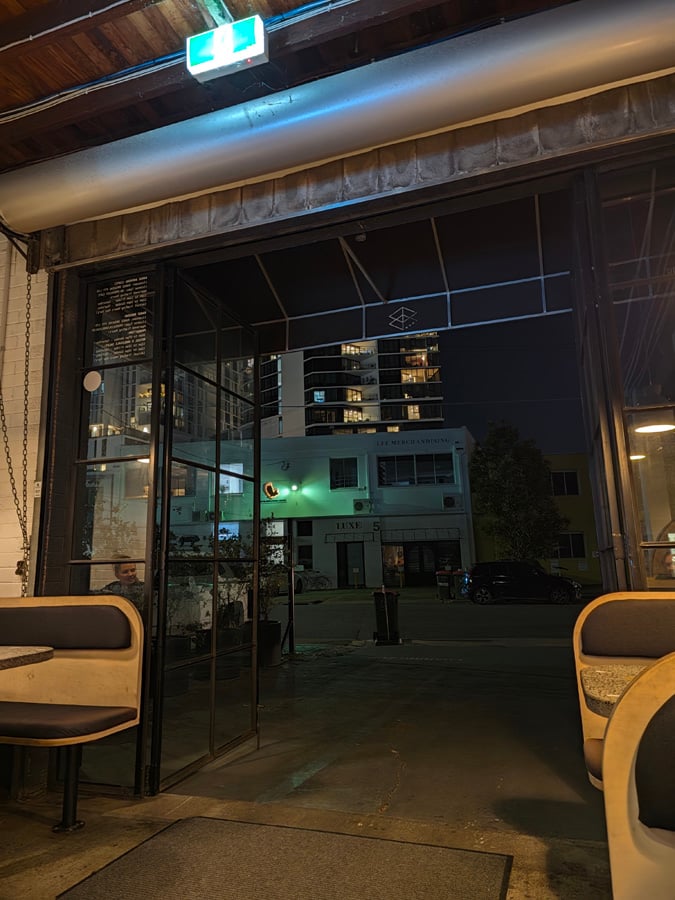
Google Pixel 11 camera samples
Check out these camera samples taken on the Pixel 11. Click or tap on any photo to see a larger version.






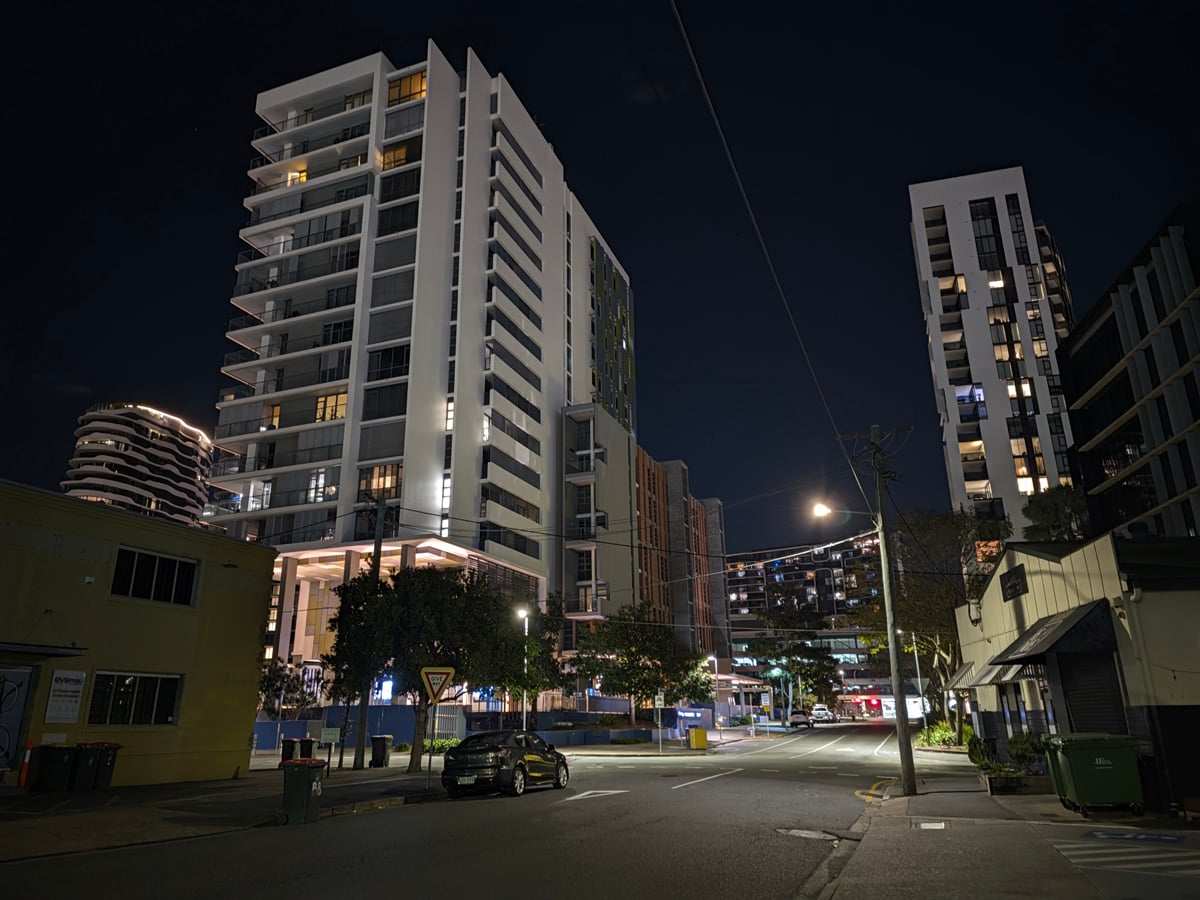


What’s neater, however, comes on the software side. The whole Pixel 11 family has a feature called Camera Looks, which is similar to the iPhone’s Photographic Styles. These change how the Pixel 11 processes photos at the sensor level, rather than simply applying a filter after.
There are four basic styles that tweak shadows, warmth, and contrast, but you also get a handful that feel more like film simulations. One called "digi" emulates the early 2000s point-and-shoot camera aesthetic, leaving highlights blown out, for example. These can also be further customised, so you can get a camera look you love. While not everyone will feel the need to tinker with these settings, Camera Looks are a fun way to get more out of the Pixel 11 camera, and go beyond the almost too perfect vibe smartphone photos have taken on.
When it comes to performance, the story here won’t be surprising to any Pixel user. Google’s new Tensor G6 chipset isn’t a "speeds and feeds" processor. Google says the new processor delivers 25% faster web browsing and 15% faster app loading, which isn’t anything to scoff at, but they aren’t the kind of figures that deliver a huge amount of confidence in year-on-year improvements.
Benchmarks suggest the Tensor G6’s single-core and graphics performance aren’t hugely different to last year’s Tensor G5, but there is a 20% bump in multi-core performance. Either way, this means the gap between the top-end chips from Apple and Qualcomm and Google’s Tensor chips continues to grow.
For day-to-day usage, the performance gap between the Pixel 11 and similarly priced rivals isn’t a big deal. It’s a snappy daily driver. But if you were hoping to game on the Pixel 11, the experience isn’t always great. Less demanding games like Slay the Spire run perfectly well, and you can even play Diablo Immortal on high settings comfortably, but graphically intensive titles like Destiny: Rising ran pretty poorly. Even navigating menus was choppy. This isn’t the kind of issue that will be a deal breaker for most, but it will be for some.
The Pixel 11’s battery life is reasonably solid; in my testing, I was consistently able to get around six hours of screen time per charge. That’s a day of moderate usage with a comfortable buffer. It’s not as ambitious as we’ve seen on some rival devices, but most shouldn’t be disappointed with the Pixel 11’s longevity.
As with the Pixel 10, the Pixel 11 supports the full implementation of Qi2, with magnets and all. Dubbed Pixelsnap, this is effectively Google’s take on MagSafe, and I continue to be here for it. While this is largely unchanged from last year, the Pixel 11 does have faster wireless charging speeds this time around.
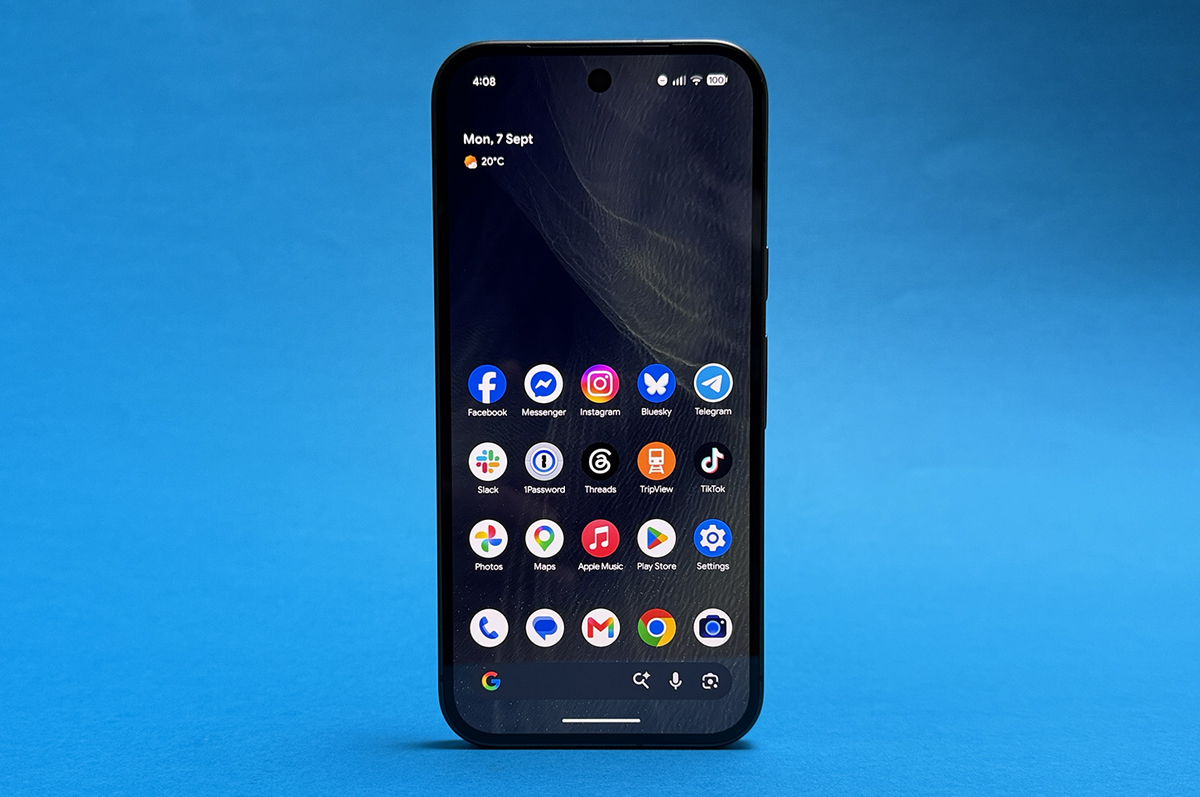
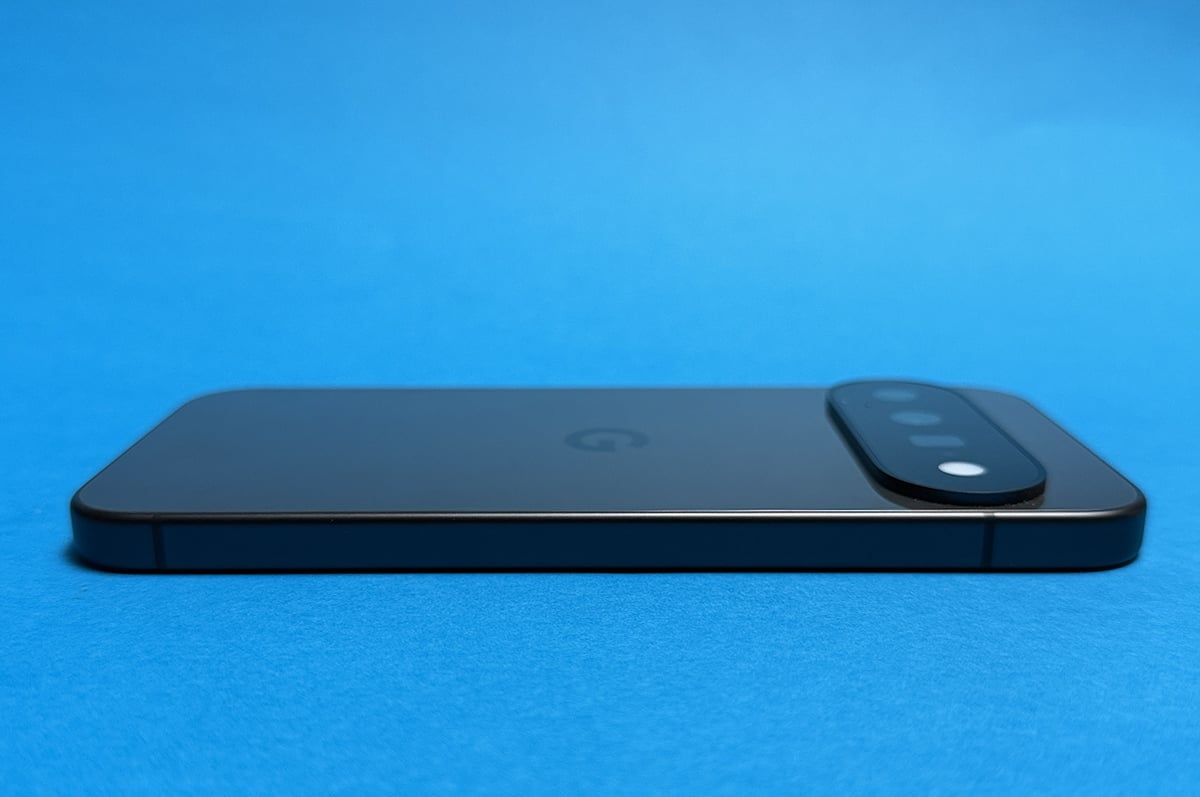
Colour options aren’t a reason most consider a phone, but I do appreciate the boldness Google has gone for with the hibiscus and pistachio hues. As you can see in the photos, my review unit was black, but I’ve seen the alternatives in the flesh, and they really pop. Sure, many of us immediately put our phones into a case, but I always love to see devices in interesting hues.
We also need to talk about price. Like most gadgets, the Pixel 11 is more expensive than its predecessor, starting at $1,499 for a 256GB model. Technically, that’s the same price as the 256GB Pixel 10 at launch last year, but there’s no longer the option for a cheaper 128GB variant. While you can make the argument 128GB of storage isn’t enough these days anyway, the Pixel 10’s $1,349 starting price gave it a slight edge.
At the least, Google continues to promise the Pixel 11 will get seven years of major operating system and security updates. This is a best-in-class promise, in line with Google’s Pro phones, and Samsung’s flagships. Even if you don’t plan on keeping a phone for seven years, longer support can help with resale value, or make it more viable as a hand-me-down.
Google Pixel 11 - Final Thoughts
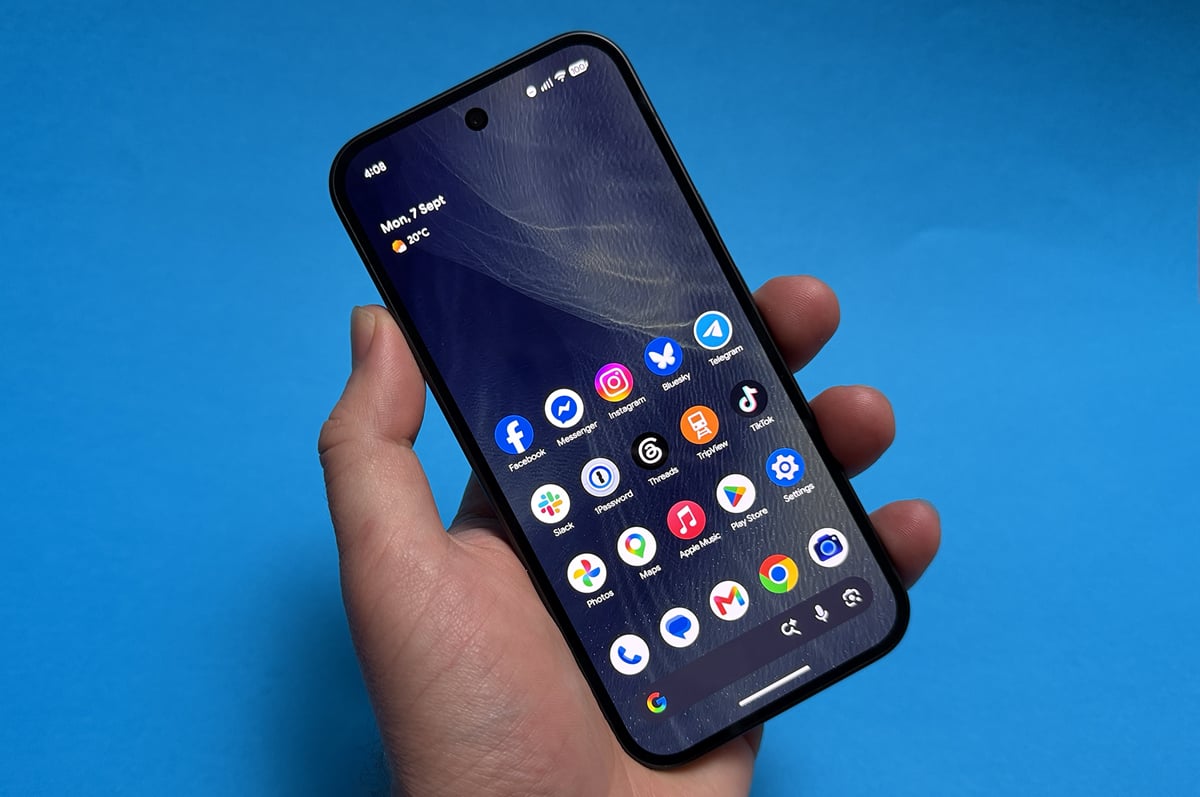
At the end of the day, the Pixel 11 is fine. It’s certainly a good phone, even if it isn’t exciting or particularly ambitious. If you’re looking at Android phones around the $1,500 mark, I’d pick it over the Galaxy S26 for the more potent camera, even if it does mean sacrificing performance. And if you’re on a Pixel 8 or older and are happy to stick with the base model, the Pixel 11 is a safe upgrade.
Alex Choros

Related Articles


