
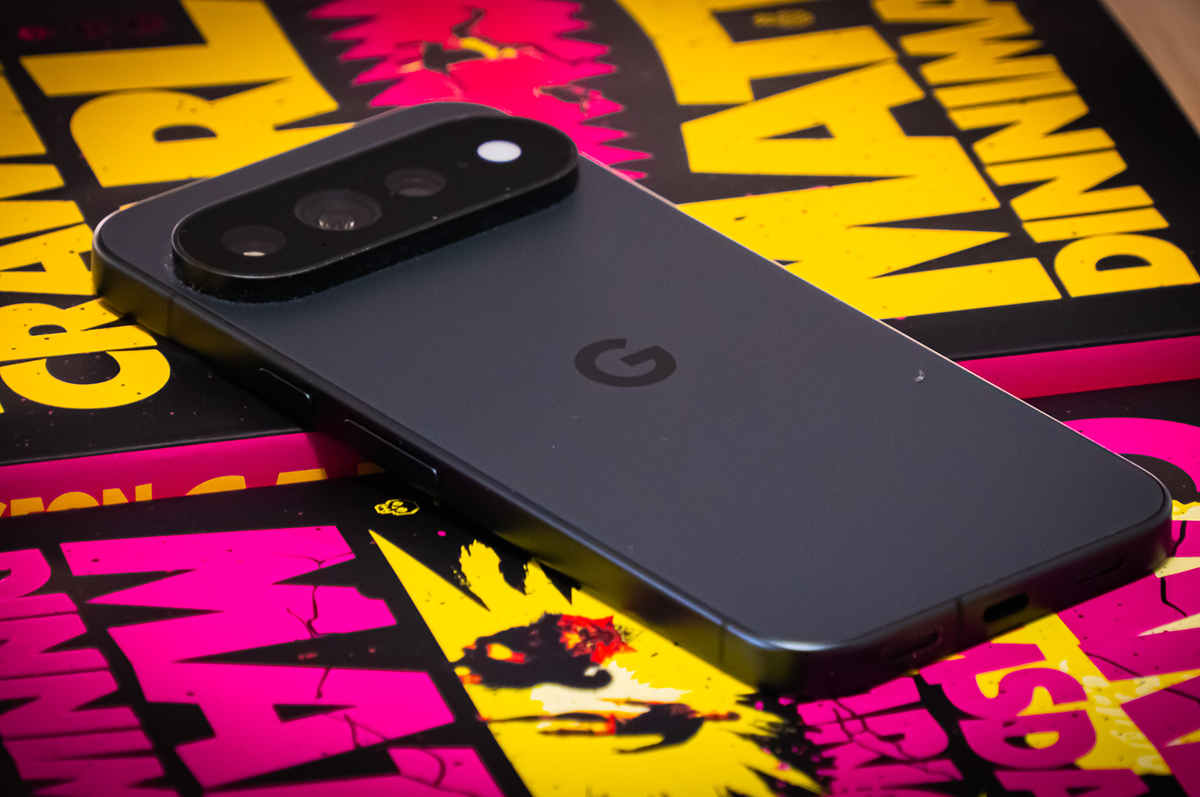
- Upgraded camera
- Polished design
- AI features aren’t as obnoxious
- HiLight needs more functionality
- Camera bump is getting a little chunky
- Gaming performance isn’t anywhere near in line with the price
- Proactive Assistance still feels more than a little MIA
The last few generations of Pixel phones have seen the device’s identity drift towards the idea that its biggest drawcard is as a vehicle for Google’s wider ambitions to get generative AI in the hands of as many consumers as possible. For some, that’s not necessarily going to be the worst thing in the world. However, as someone won over by the focus on camera quality and bang for buck that past Pixel phones have embodied, it’s easy to get nostalgic for what’s been lost along the way to this futuristic destination.
The new Pixel 11 Pro and Pixel 11 Pro XL don't quite wind back the clock on that trend, but they do find a better balance between those aspects. It’d be an exaggeration to say Google has reinvented the wheel here, but a handful of smart subtractions and tangible tweaks quickly add up to something that feels fresher than the last few Pixel phones have been – even if there are still fronts where Google’s handset ends up on the wrong end of a gamble gone awry.
Google Pixel 11 Pro 256GB Plans

|
#1
|
Optus

$60 Optus Choice Plus Plan
$76.46/mth
Min. cost $1,887.96
|
|
#2
|
Telstra

$84 Essential Upfront Mobile Plan
$125.36/mth
Min. cost $1,922.96
Link not supplied
|

Google Pixel 11 Pro XL 256GB Plans

|
#1
|
Optus
$60 Optus Choice Plus Plan
$97.30/mth
Min. cost $2,137.80
|
|
#2
|
Vodafone

$58 Small Plan
$103.30/mth
Min. cost $2,143.80
|
|
#3
|
Telstra
$84 Essential Upfront Mobile Plan
$132.30/mth
Min. cost $2,172.80
Link not supplied
|
Smarter smartphone photography
In 2026, I’m still itching to find out what Google’s equivalent of an iPhone X-style overhaul looks like. If you’re in the same boat, you probably won’t be all that impressed with the sense of familiarity that underpins the look and feel of this year’s Google Pixel 11 and Google Pixel 11 Pro XL.
Ultimately, there’s no getting around the fact that this year’s flagship without a foldable screen looks a lot like the same one Google wheeled out this time last year. Having said that though, there are a few key differences that separate this year’s Google Pixel 11 Pro and Google Pixel 11 Pro XL from its siblings and predecessors.
For one, both feature LTPO screens that are clocked at 120Hz and capable of delivering a higher peak brightness than last year’s Pixel 10 Pro and Pixel 10 Pro XL of up to 3,600 nits.
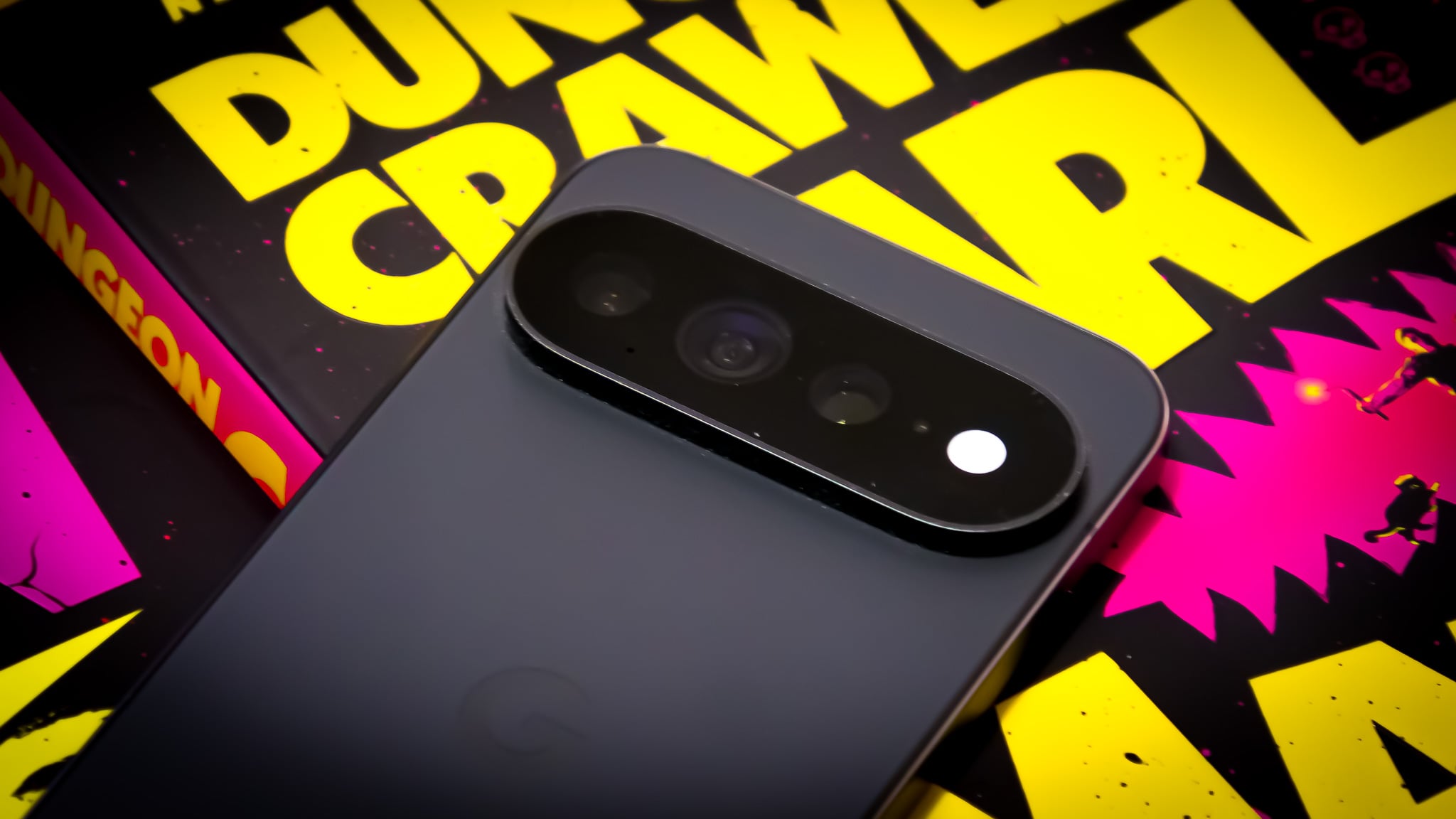
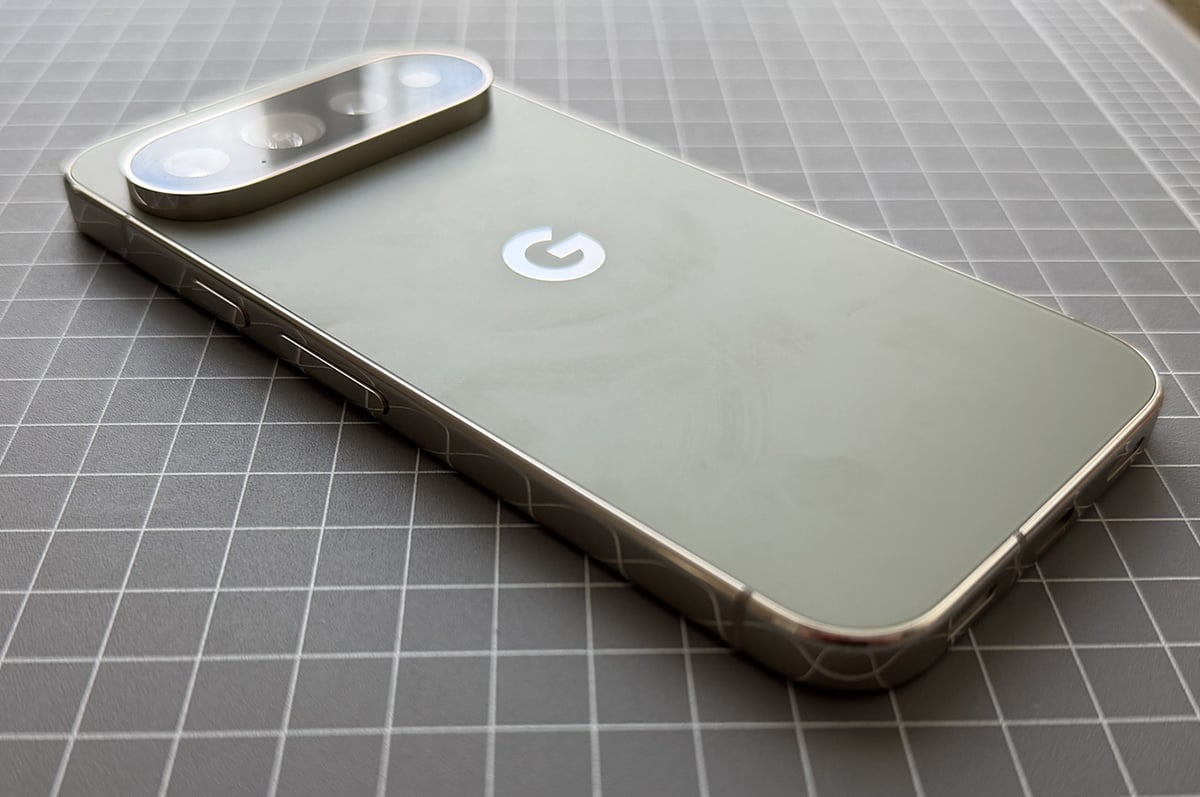
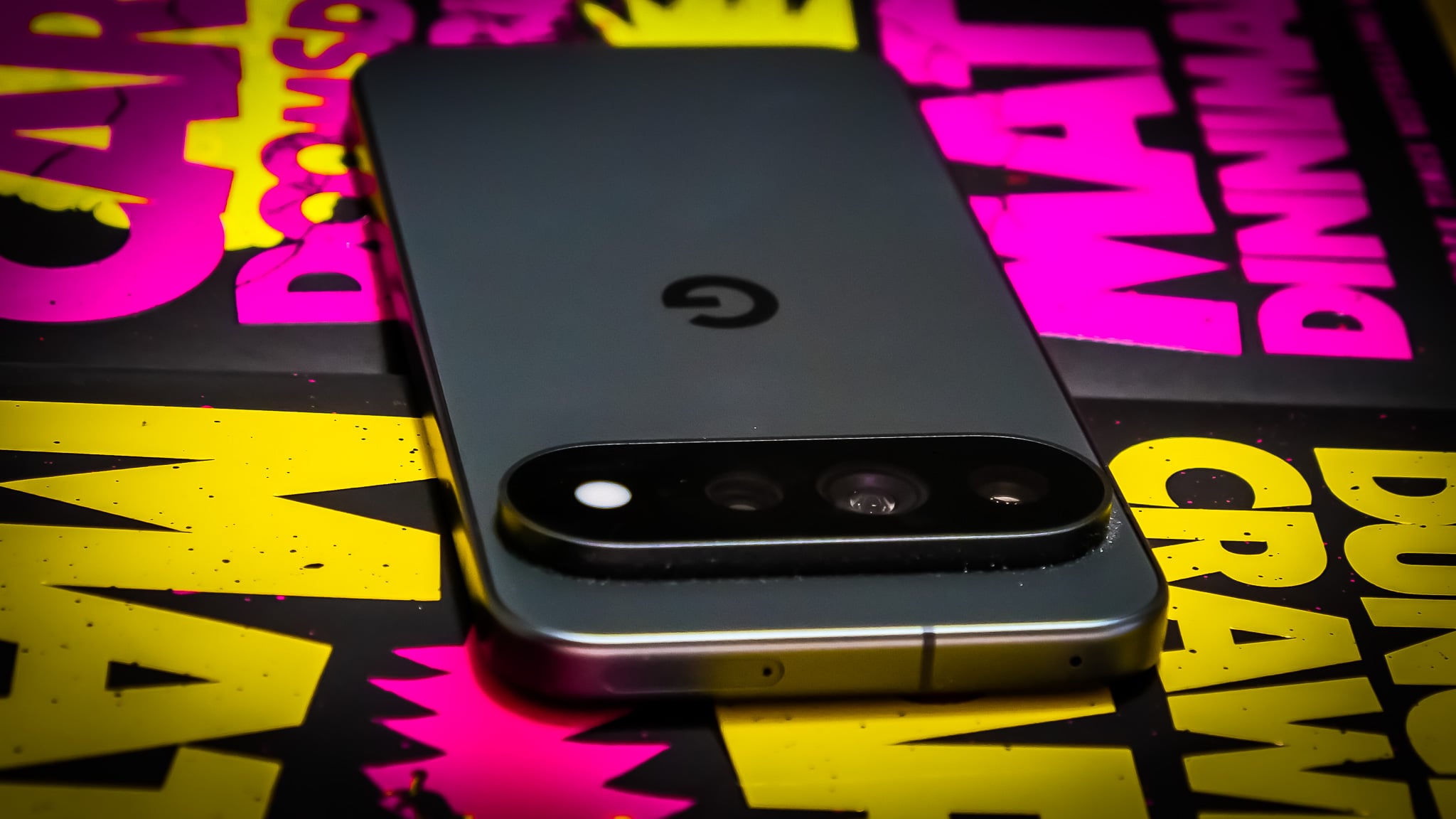
Both the Pixel 11 Pro and the Pixel 11 Pro XL also ship with improved scratch resistance and a new all-glass camera bar on the back. This side of the Pixel 11 Pro and Pixel 11 Pro XL is where the more visual tweaks that Google has made to the formula can be found. The camera bump itself is a bit bigger this time around, but the oft-mocked thermometer has been traded out for a new status indicator called HiLight.
Reminiscent of something like the Glyph Matrix found on the back of some of the latest Nothing Phones, like the Phone 4a Pro, this notification light can be customised in a number of ways but, broadly speaking, promises to keep you in the loop even when your device is face-down on a surface.
On paper, the HiLight is a nifty addition, and it doesn’t do much to offend. Unfortunately, it doesn’t really do much, period. You can set it to flash when a favourite contact calls you or light up when you call Gemini. That’s about it, though. When you compare it to the wealth of customisability found elsewhere, it’s little shock that the novelty fades fast.
That’s less the case when it comes to the camera setup here, though. Measured in megapixels, the triple-lens rear camera found on the back of the Pixel 11 Pro and Pixel 11 Pro XL might first appear to be the same as the ones seen on the Pixel 10 Pro and Pixel 10 Pro XL. There’s a 50MP wide-angle lens, a 48MP ultra-wide lens and a 48MP telephoto lens on the back, plus a 42MP selfie shooter on the front.
In spite of these similarities, though, the newer devices are poised to benefit from a new wide lens sensor and a larger telephoto one. These tweaks deliver the gains you’d expect from that low-key spec bump, and come accompanied by some similarly significant improvements on the software front as well.
Thanks to the new Tensor G6 processor inside the device, the Pixel 11 Pro and Pixel 11 Pro XL are able to offer greater Pro Zoom capabilities of up to 120x zoom and faster Night Sight. Both devices also ship with a verified grab-bag full of creator-oriented inclusions.
Many of these – like built-in teleprompting – are just part of the wider Android 17 rollout. Others – like Camera Looks – are basically just Google’s take on Apple’s Photography Styles feature. Annoyingly, a number of these features are tied up with a new Project system – which I could not get working. It’s possible that this was just a case of pre-launch software jitters, but the inability to take the content I’d used the camera on the back of Pixel 11 Pro XL to capture into a more coherent workflow was a definite pain point during my time testing the device. At times, it felt like I was missing the one critical piece that completes the puzzle.
Aside from that cul-de-sac of camera capabilities, the Pixel 11 Pro and Pixel 11 Pro XL made for a pretty good showcase of how having these features built into the camera app can really add to the experience. Having said that though, I am a little more lukewarm about the new Magic Capture setting.
When you have this feature turned on, the camera on the Pixel 11 Pro and Pixel 11 Pro XL will start capturing content. When you’re done filming, the device will then use AI to riffle through that footage and pull out a few highlights. This foray into semi-automatic photography left me wanting a little bit more from it. The images it produced were in-focus, and all that, but the composition was often a little bit bland.
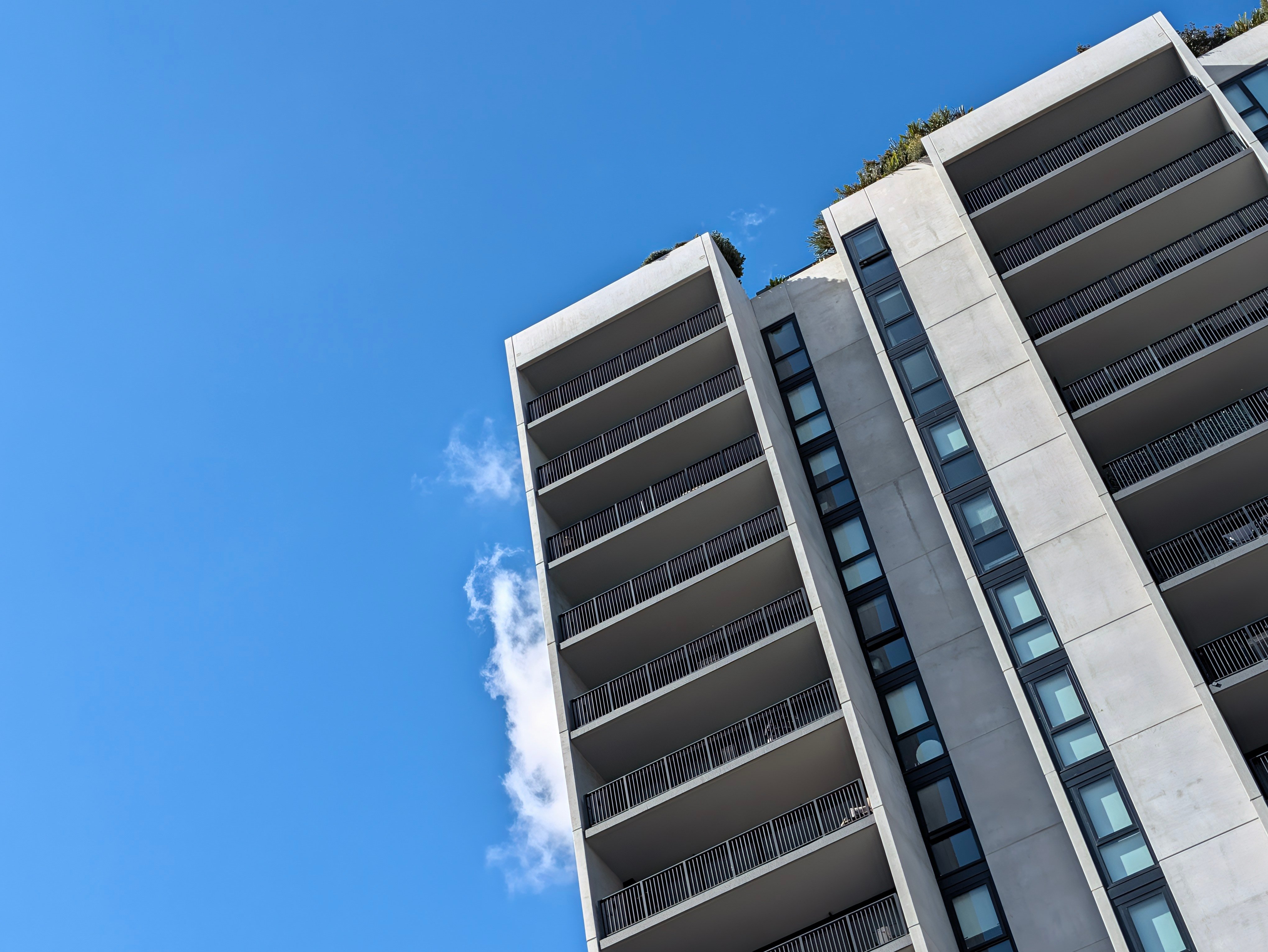
Google Pixel 11 Pro and Google Pixel 11 Pro XL camera samples
For a sense of what the camera on the Google Pixel 11 Pro and Pixel 11 Pro XL can do fresh out of the box, check out the image gallery below. Click or tap on any photo to see a larger version.









I do not like this G6
While the processor inside this year’s Pixel phones does do a lot to enhance the camera side of the equation, I can’t say that it yielded as impressive an impact when it comes to performance in general.
Under the hood, the Google Pixel 11 Pro and Google Pixel 11 Pro XL are powered by Google’s new Tensor G6 processor. The cheapest version of each device comes with 12GB of memory and 256GB of storage. Upping that to 16GB and 512GB will cost you an extra $200 on top of the usual price. Going up to 1TB will cost you even more, but it won't come with any extra RAM.
For what it’s worth though, the Pixel 11 Pro and Pixel 11 Pro XL ship with seven years of software and security updates. That’s as good as Android gets, and exactly what you’d expect from a premium device like this one.
While AI still remains a pretty big part of the pitch here, I did find it somewhat refreshing that Google seems to be moving away from loading up the hardware here with more and more AI-powered apps and towards containing more of this aspect of the experience within the Gemini app.
According to Google, proactive Gemini features like Proactive Assistance (the rebrand of Magic Cue) should be more noticeable with the Pixel 11 Pro and Pixel 11 Pro XL. However, despite my efforts to look for it, I can’t say that I ever encountered it during my time testing the device. As someone who does not appreciate being nudged, I wouldn’t necessarily call this a bad thing, but as someone trying to test this functionality out and see if it lives up to the hype, it was a bit irksome and hard to pin down.
In any case, when it came to everyday usage, I found that the Pixel 11 Pro and Pixel 11 Pro XL to be a clear improvement on last year’s flagships. As a daily driver, the Pixel 11 Pro XL felt snappier and more responsive to use than its immediate predecessor was. Apps loaded fast, multitasking wasn’t too much of a drag on performance, and I didn’t encounter any crashes while testing the device.
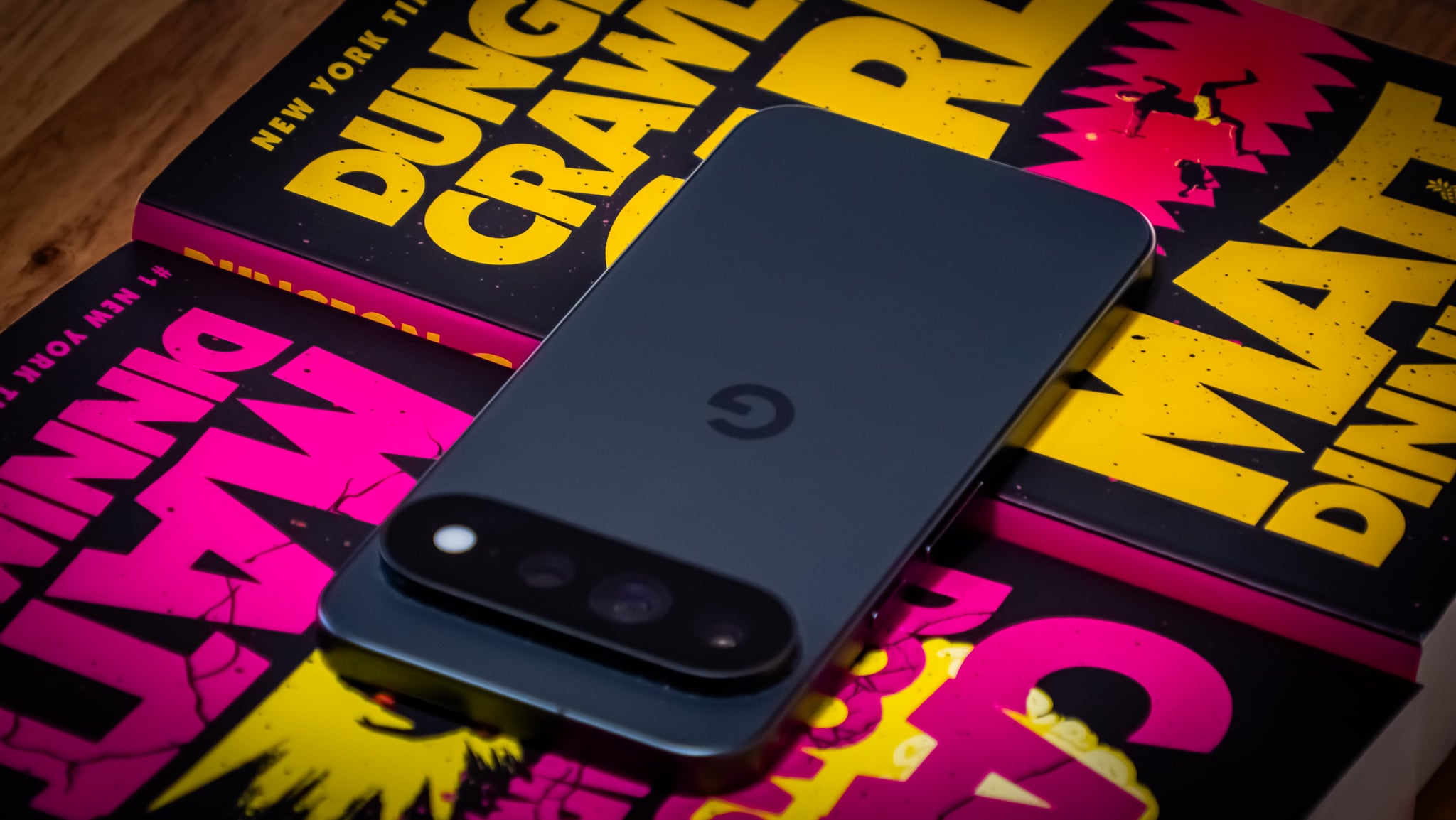
Gaming performance was notably disappointing, though. As with last year’s Pixel 10 Pro XL, I encountered choppy performance with almost every game I tested on the device. Whether we’re talking about Genshin Impact, Destiny Rising, or Diablo Immortal, the Tensor G6 just doesn’t deliver the performance you would expect given the price. It’s plausible that part of the problem is that these games aren’t optimised for Tensor just yet.
Even so, I was far from impressed. More than just lagging behind what Apple’s silicon and Qualcomm’s latest Snapdragon processors can do, the results that the Pixel 11 Pro and Pixel 11 Pro XL delivered on this front would be unacceptable even if it was half the asking price.
Fortunately, the battery life side of things is a little rosier – though it does come with its fair share of thorns. In practice, I could comfortably get through around two days of usage on a single charge, with around seven hours of screen time. I usually find four to five hours of screen time will get me through a long day of moderate-to-heavy usage with a decent buffer. More often, I'm getting to the end of the day with less than three, though, so your mileage may vary.
The Pixel 11 Pro didn't perform quite as well in battery, offering closer to six hours of screen time per charge. That's more than enough for a full day of usage for most, however.
If you pair either device up with the right charging cables, you’ll be able to get 30W fast-charging out of it. The Pixel 11 Pro and Pixel 11 Pro XL’s wireless credentials are similarly accomplished, with both offering as much as 25W when paired with a compatible Pixelsnap charger.
Google Pixel 11 Pro & Pixel 11 Pro XL - Final Thoughts
Even with the qualms I have about the gaming performance and the issues I encountered with the creator suite, I would say that my experiences with the Pixel 11 Pro and Pixel 11 Pro XL are easily more positive than the past few generations of Google hardware have been. Yes, there’s still plenty of AI going on here. However, that emphasis hasn’t come at the expense of everything else.
The Pixel 11 Pro and Pixel 11 Pro XL aren't perfect, but they're sharper where it counts.
Additional testing and camera samples by Alex Choros
These are the most popular NBN 50 plans with WhistleOut users this week:
|
#1
|
Dodo

All Fixed Line nbn®
Editor's Pick
nbn50 Unlimited Plan
$57.99/mth
Min. cost $57.99
|
|
#2
|
amaysim

All Fixed Line nbn®
NBN50
$45/mth
Min. cost $45
|
|
#3
|
Belong

All Fixed Line nbn®
NBN Standard Plus – Unlimited
$55/mth
Min. cost $55
|
|
#4
|
Tangerine Telecom

All Fixed Line nbn®
Value Plus NBN 50/20
$64.90/mth
Min. cost $64.90
|
|
#5
|
Superloop

All Fixed Line nbn®
Extra-value nbn50/20
$69/mth
Min. cost $69
|
|
#6
|
TPG

All Fixed Line nbn®
nbn50 Unlimited Plan
$69.99/mth
Min. cost $69.99
Link not supplied
|
|
#7
|
iiNet

All Fixed Line nbn®
nbn50 Liimitless
$69.99/mth
+ $10 Upfront
Min. cost $79.99
Link not supplied
|
|
#8
|
Kogan Internet

All Fixed Line nbn®
Silver Unlimited
$69.90/mth
Min. cost $69.90
|
|
#9
|
Aussie Broadband

All Fixed Line nbn®
Value nbn - Unlimited
$70/mth
Min. cost $70
Link not supplied
|
|
#10
|
Flip

All Fixed Line nbn®
Unlimited Family nbn50
$68/mth
Min. cost $68
|
Fergus Halliday
Digital Content Editor

Related Articles


