
The most interesting stories from the world's largest mobile tradeshow were the ones furthest off from reality.
When you read between the lines from the slew of last week's Mobile World Congress announcements, there's a clear message: the industry is a bit boring now, but there's innovation in the pipeline. The same old devices paired with promises about far more intriguing future developments. Tech demos, prototypes, improbable speed tests. At the same time, we have to ask if these will become a reality, or if they're just an eye-catching distraction.
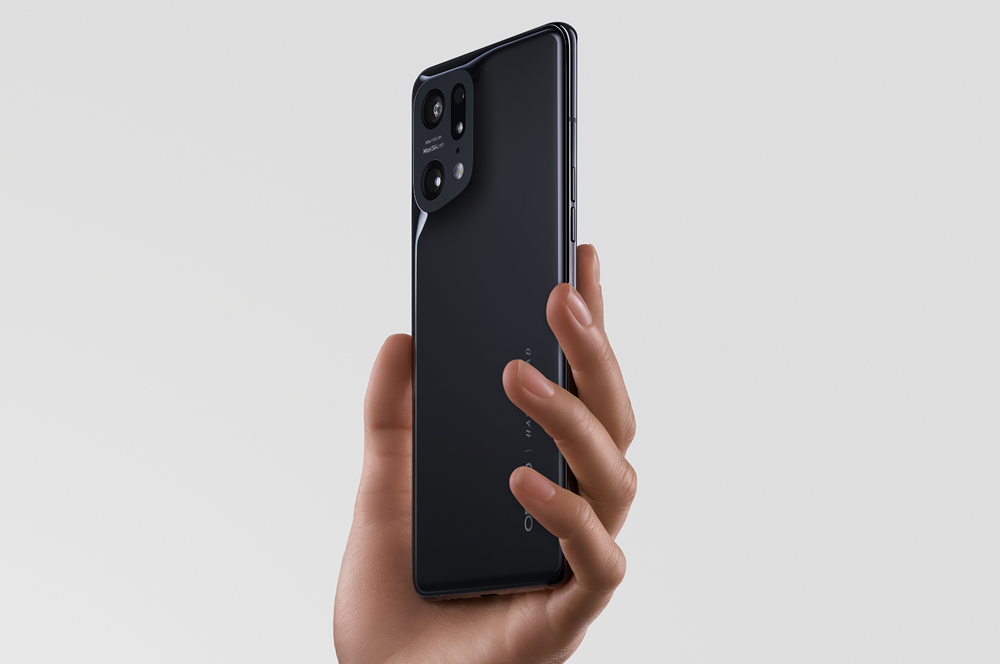
The OPPO Find X5 Pro was easily the most exciting phone announced at Mobile World Congress, even though it was technically revealed a few days beforehand. It's a phone I'm looking forward to checking out, but it isn't immune from how iterative even flagship phones have become. The most significant difference between the Find X5 Pro and last year's Find X3 Pro is a custom-made Neural Processing Unit designed to enhance photography.
OPPO has made some pretty big claims about it, saying the Find X5 Pro can record 4K lowlight video where each frame is as clear as a still. It sounds impressive, but there's still the question of just how big a step up it is over last year, and how it compares to the competition. Camera aside, the Find X5 Pro's key improvements include a new processor and a slightly bigger battery. None of this is bad, but it is par for the course for an annual upgrade.
What's far more interesting is the fast charging tech OPPO showed off. OPPO is working on 240W fast charging that can take a phone from last to full in just nine minutes. A 3-and-a-half minute top-up will take a phone from flat to 50%. That's insane. It's the kind of innovation that could genuinely change how we use our phones, and free us from the nightly charging ritual.
Of course, this technology is still in the demo phase, and there's no word on when it will come to a phone you can actually buy. Or what toll it will have on battery health. OPPO is however planning on shipping a phone with 150W fast charging this year, which is still freakishly fast. The manufacturer says it will be able to charge a phone from flat to full in 15 minutes, without degrading the battery.

It's a similar story with TCL, one of the only other manufacturers from the show where devices are likely to come to Australia. TCL dropped a slate of five budget phones - the 30 series - that are all varying shades of the same. They've either got 6.7-inch or 6.5-inch screens, and all range between $200 and $400, based on exchange rate conversions.
They're phones built to hit a price point, and that's okay. TCL has been doing a pretty solid job of affordable handsets over the last two years, and I'm sure the same will be the case going forward. There's just nothing that makes any of them feel particularly unique, at least from a pure specs perspective.
Conversely, TCL also had two foldable prototypes on display: one that can fold both inward and outwards, and one that unfolds and then unrolls. The first is dubbed the Ultra Flex, and since it has a 360-hinge, the idea is that it doesn't need an external display, as we've seen on phones like the Samsung Galaxy Z Fold 3. The second is the Fold N' Roll, where you can expand the size of the screen after you've unfolded it, using similar technology to OPPO's X 2021 Concept phone.
Both are unique approaches to folding phones we've not seen any other manufacturer attempt, and more competition in the folding space is a great thing. At the same time, TCL hasn't provided any timeline for when it actually intends to actually sell a foldable, and has been teasing prototype devices since 2019.
TCL General Manager for Global Marketing, Stefan Streit, previously told us the company is in no rush to bring a foldable to market. Streit says TCL wants to wait until the tech is both more mature and more affordable.
"We don't want to make the user a beta tester," said Streit. "We're not worried about timing."
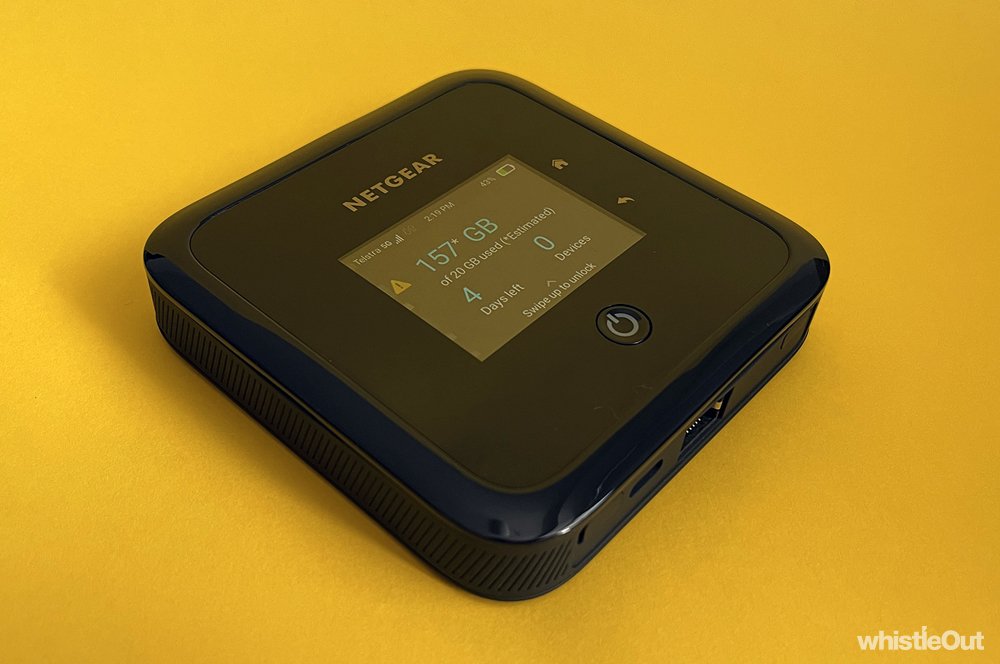
Telstra even got in with some Mobile World Congress announcements of its own. The telco boasted about a record 5G speed test, hitting download speeds of 5.9Gbps on its mmWave network, and announced it will range a new mmWave portable hotspot in April - the Netgear Nighthawk M6 Pro.
But even if Telstra is selling mmWave-capable devices, the reality of mmWave 5G is much further off. Coverage is scant, and has yet to detail any goals for how quickly it will deploy the tech. A spokesperson previously told us mmWave will initially be used to grow "capacity and depth of coverage in larger cities and towns".
I've no doubt that we'll eventually get to the point where Telstra, Optus, and Vodafone all have significant mmWave coverage in capital cities across Australia, but that will be years away. Manufacturers like Apple and Samsung haven't even bothered bringing mmWave variants of their 5G devices to Australia, which is rather telling. I want 5.9Gbps mobile download speeds as much as any other geek, I'm just not expecting it any time soon.
To take the optimist's view, the key takeaway from Mobile World Congress is the best is yet to come. Innovation in the mobile space isn't dead, even if the pace has slowed. Ludicrous charging speeds, weird foldables, and insane 5G all sound great.
Of course, tech demos and prototypes and far easier to showcase than actual products. They're free from the concerns a manufacturer normally considers when shipping a device or launching a service. It's easier to dream big when reality doesn't matter, and dreaming big is especially welcome with how pedestrian the mobile industry has become as it's matured. Who isn't craving something new? I'm just hoping that we see some follow-through.
Alex Choros

Related Articles


