

2021 definitely was a year. Amidst another 87 months filled with pandemic blues and rolling lockdowns, there was a whole lot of time for the tech world to do its thing. We saw The Big Three all get on board the 5G home internet train, rollables and foldables and oh my, a whole heap of colourful gadgets, and I briefly became a father. But that's all done and dusted now, so with that in mind, we're going to take a look at what 2022 might bring.
A boring year for phones

2022 is going to be a boring year for phones. As a gadget-loving geek, I desperately want to be wrong about this, but I'm not optimistic.
Phones are such a mature product category now that yearly improvements are smaller than ever. Sure, cameras get better, processors get faster, and bezels get thinner, but we're past the point where devices feel genuinely new.
Foldables are a fun category, and at their best, can change our relationship with our phone. At the same time, they don't really enable anything new. They aren't really changing what we use our phones for.
I'm always here for a better camera or an interesting new design, but these improvements just don't have the same wow-factor or user impact they once did. And that's okay. After all, it's not like I can think of any new features that would genuinely make my day-to-day phone experience better.
Again, I'd love to be surprised by genuine innovation in the phone market this year. I'm just going in with low expectations, rather than setting myself up for disappointment.
5G stays premium
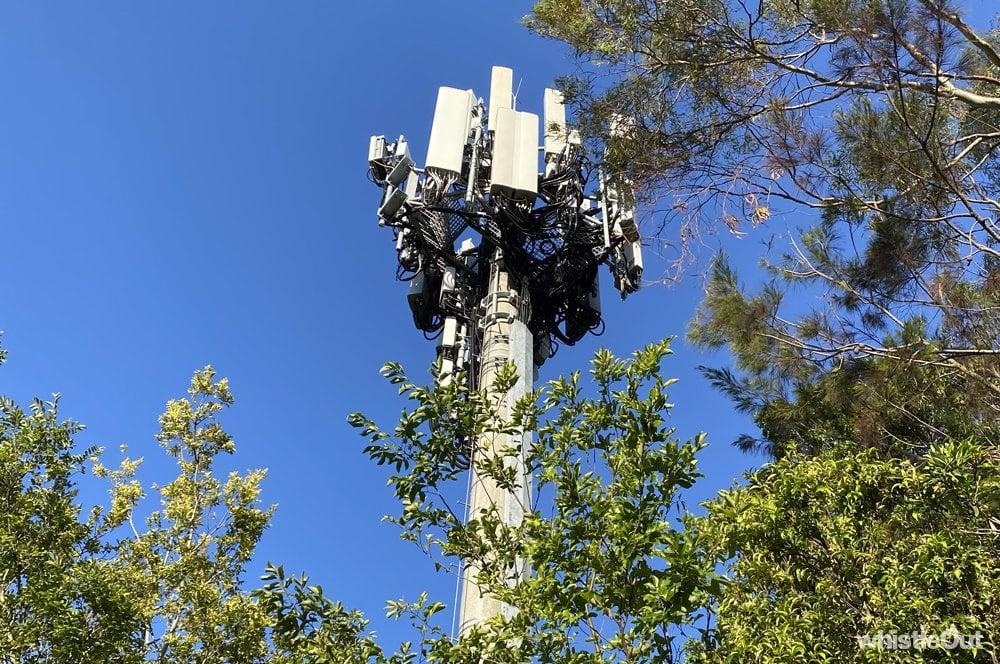
5G networks keep growing, but the number of providers offering 5G connectivity has very much stayed the same. Telstra and Vodafone have yet to provide any timeline for offering 5G to their MVNO partners, while Optus MVNOs have largely decided not to sell 5G plans due to a higher wholesale cost.
I can't see this changing over the course of 2022. The Big Three providers are going to want to keep 5G as a premium proposition for as long as possible. After all, building a new mobile network is pretty expensive and the telcos clearly want to recoup their investment. That's hard to do if smaller providers are undercutting your premium plans. Hell, Telstra still doesn’t include 5G on its entry-level options.
5G will eventually become the new standard for mobile networks, across every provider - big or small. You won't need to ask if a plan has 5G or not. It just won't happen this year.
eSIM finally opens up
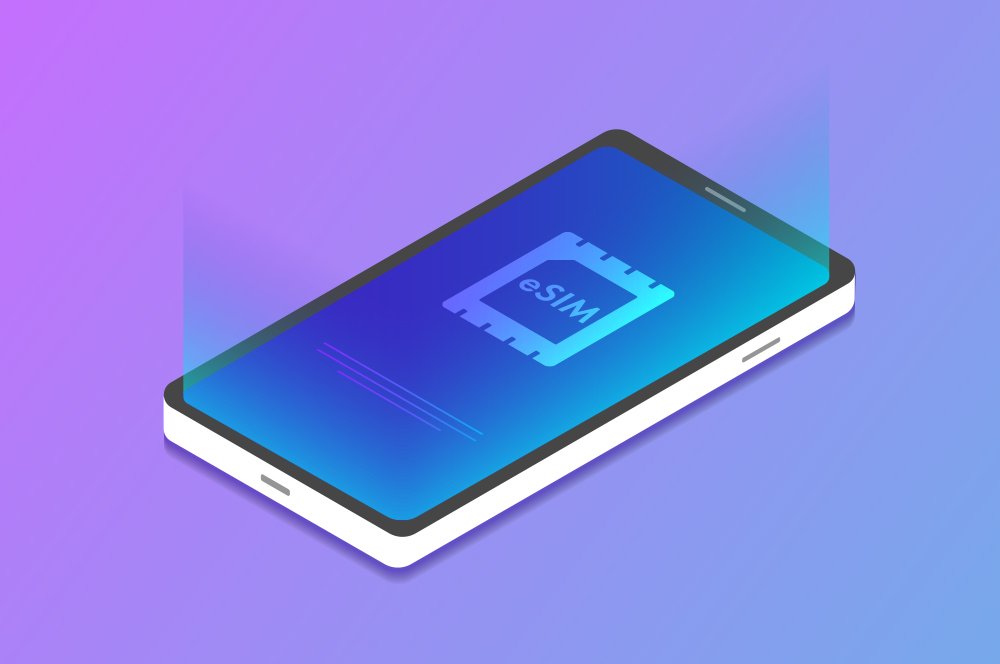
eSIMs are digital SIM cards that replace the need for a physical SIM. Instead of inserting a physical SIM into your phone or tablet, you download your SIM to the device instead.
eSIM has been available as an alternative to a physical SIM from Telstra, Optus, and Vodafone since 2019, but the vast majority of other providers don't have it available as an option yet. gomo - owned by Optus - is currently the only Australian MVNO that offers that eSIM.
This could change in 2022, with more and more phones now offering support for eSIMs. There are even rumours that suggest the iPhone 14 will ditch the physical SIM slot for an eSIM. If these rumours end up being real, you can bet that The Big Three would very quickly open up eSIM to smaller providers powered by their network.
Not only would MVNOs rightfully be upset about not being able to sell plans to iPhone 14 owners, the ACCC has previously noted the potential competition issues around smaller providers being locked out from eSIM, and said that it will be watching the space.
Broadly speaking, smaller providers getting access to eSIM would be a win for consumers. While changing mobile providers can be a rather frictionless process, the move to eSIM removes the physical and mental barrier of actually needing to get a SIM card. Switching phone plans would theoretically be as easy as downloading an app, which would also mean telcos need to work harder and offer more competitive deals to keep their customers from switching.
A glut of smart glasses that are a little too beta

Manufacturers have been experimenting with the idea of smart glasses for almost a decade now, with Google, Snap, OPPO, and Facebook all having given the concept a crack. So far, no idea has really stuck.
Smart glasses certainly aren't going to become mainstream, but we're going to see more manufacturers try their hand at making the next big thing. Apple is expected to reveal a pair this year, and Samsung is almost certainly has something similar in development. The rest of the industry will either follow or try and beat Apple and Samsung to the punch. Even TCL recently revealed a smart glasses prototype.
Like early smartwatches, smart glasses will initially be a curiosity. They'll be cool, but they won't be polished enough for anyone other than early adopters. It's going to take some time for smart glasses to be a must-have.
A 5G MacBook
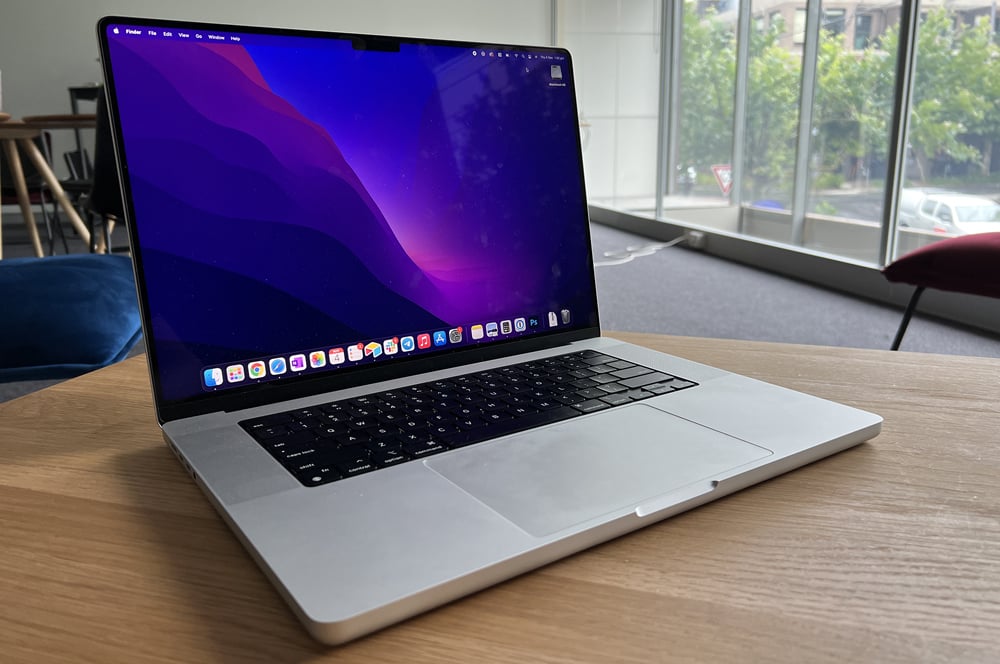
To be honest, I'm just trying to manifest this. I've wanted a MacBook with mobile connectivity for ages, and maybe 2022 is finally the year Apple relents and pops a modem in its laptops. Please.
Alex Choros

Related Articles


