

Android or iPhone. If only it was as simple as those two choices. While most of today’s smartphones are either Android or iOS-powered iPhones, there are scores of new handsets released each year that make it trickier to pick the right handset for your needs.
Let’s make it easier by breaking down the essentials when it comes to comparing phones.
How often should you upgrade?
It used to be that telcos were implying smartphones should be upgraded every two years, given the popularity of 24-month handset repayment terms. These days, handset repayment terms are also available in 12-month and 36-month forms. The shorter the term, the steeper the monthly fee for those paying off a new handset via a postpaid plan.
Buying outright gives you the most control with a greater range of SIM-only and prepaid plans. That said, it’s not great for cash flow to spend hundreds or even thousands of dollars on a new handset upfront. These days, smartphone improvements each year feel more incremental than monumental so, hardware quirks and declining battery life notwithstanding, you can practically hang onto a smartphone for at least two or three years.
Compare phones: Operating system
The original iPhone set the bar for what mobile phone users should expect from the look, feel and experience of a smartphone. Fast-forward more than a decade and you’re effectively buying into one of two mobile operating systems: Apple iOS on iPhones or Google Android OS on pretty much everything else.
We’ll let you in on a not-so-well-kept secret: Android and iOS have a knack for pinching ideas off each other. At least this means there’s not a massive divide between the two, although there are still exclusive apps on one ecosystem or the other, so factor that in if you want to jump ship.
Buying an iPhone means you’re using iOS while buying any number of other smartphones—Samsung, Motorola, OPPO, Nokia - and many more—means you’ll be working with an Android phone. Generally speaking, the newer the phone, the newer the operating system, but older model Android or iOS smartphones may have access to newer OS updates (the more recent the phone, the more likely this is).
Whichever you go with, you can safely expect to make and receive calls, browse the web, take pictures and download apps that let you extend the functionality of your smartphone. In general, iOS is more user-friendly because of its closed ecosystem. It’s an operating system that’s built to be used by everyone—young and old, tech guru through to tech-phobic—and it’s built to play nice with other Apple smart products. The popularity of iPhones also means it’s easy to find support or simple additions like a variety of case options.
For comparison across popular iPhone handsets, check out the daily updating list below:
iPhone 18 Pro 256GB
- 6.3 inch display
- Rear Cameras: 48MP, 48MP, 48MP
- Front Camera: 18MP

iPhone 18 Pro Max 256GB
- 6.9 inch display
- Rear Cameras: 48MP, 48MP, 48MP
- Front Camera: 18MP

iPhone 18 Pro 512GB
- 6.3 inch display
- Rear Cameras: 48MP, 48MP, 48MP
- Front Camera: 18MP

iPhone 18 Pro Max 512GB
- 6.9 inch display
- Rear Cameras: 48MP, 48MP, 48MP
- Front Camera: 18MP

iPhone 18 Pro 1TB
- 6.3 inch display
- Rear Cameras: 48MP, 48MP, 48MP
- Front Camera: 18MP

iPhone 18 Pro Max 1TB
- 6.9 inch display
- Rear Cameras: 48MP, 48MP, 48MP
- Front Camera: 18MP

iPhone 18 Pro 2TB
- 6.3 inch display
- Rear Cameras: 48MP, 48MP, 48MP
- Front Camera: 18MP

iPhone 18 Pro Max 2TB
- 6.9 inch display
- Rear Cameras: 48MP, 48MP, 48MP
- Front Camera: 18MP

iPhone 17 256GB
- 6.3 inch display
- Rear Cameras: 48MP, 48MP
- Front Camera: 18MP
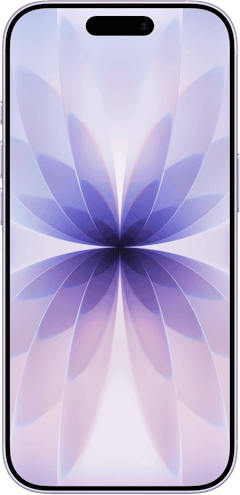
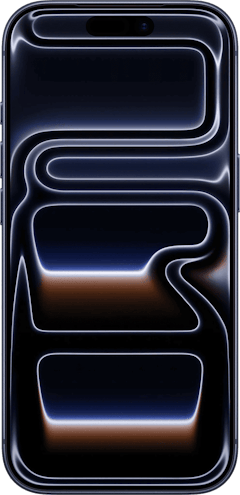
iPhone 17 Pro 256GB
- 6.3 inch display
- Rear Cameras: 48MP, 48MP, 48MP
- Front Camera: 18MP

These days, Android smartphones aren’t necessarily harder to use than iPhones but they do allow a greater degree of freedom, from brand choice through to any number of hardware variables. Certain Android features may be locked behind the brand-specific tech, which can make Android devices feel less integrated than their iOS counterparts. That said, if you want a smartphone that lets you deeply customise your experience and even download apps that aren’t Google Play Store approved, Android makes this a lot more straightforward.
Compare Samsung phones and other popular Android handsets in the daily updating round-up below:
Galaxy S26 Ultra 256GB
- 6.9 inch display
- Rear Cameras: 200MP, 10MP, 50MP, 50MP
- Front Camera: 12MP

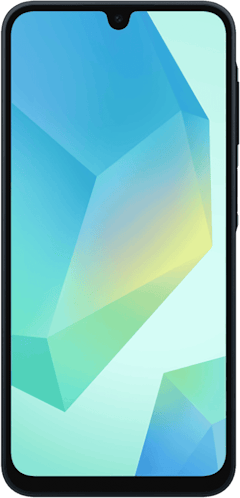
Galaxy A16 5G
- 6.7 inch display
- Android 14, One UI 6.1
- 5G Capable
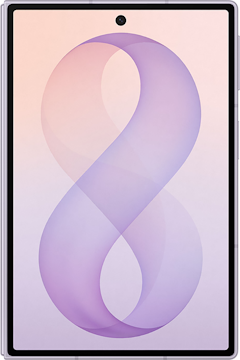
Galaxy Z Fold8 256GB
- 7.6 inch display
- Rear Cameras: 50MP, 50MP
- Front Camera: 10MP
Pixel 11 Pro XL 256GB
- 6.8 inch display
- Rear Cameras: 50MP, 48MP, 48MP
- Front Camera: 42MP
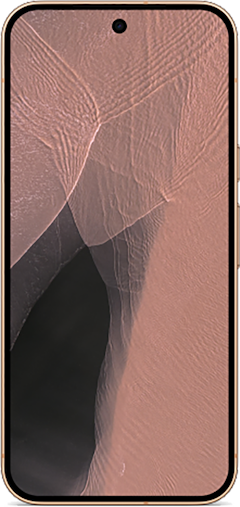
Galaxy S26 FE 256GB
- 6.7 inch display
- Rear Cameras: 50MP, 8MP, 12MP
- Front Camera: 12MP
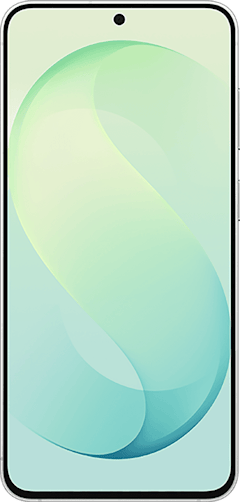
Galaxy S26 FE 128GB
- 6.7 inch display
- Rear Cameras: 50MP, 8MP, 12MP
- Front Camera: 12MP
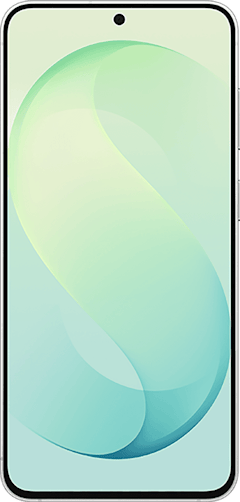
Pixel 11 Pro XL 512GB
- 6.8 inch display
- Rear Cameras: 50MP, 48MP, 48MP
- Front Camera: 42MP
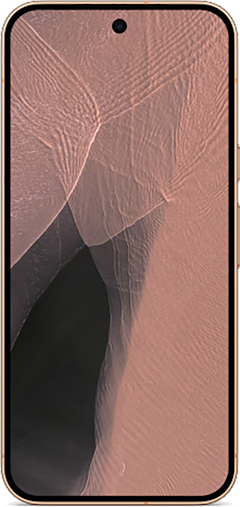
Pixel 9 256GB
- 6.3 inch display
- Rear Cameras: 50MP, 48MP
- Front Camera: 10.5MP

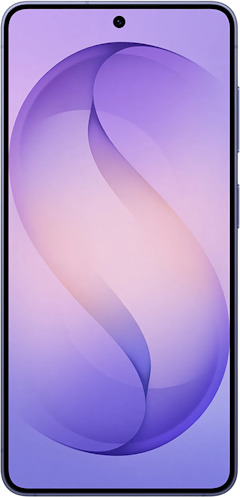
Pixel 11 256GB
- 6.3 inch display
- Rear Cameras: 48MP, 10.8MP, 13MP
- Front Camera: 10.5MP
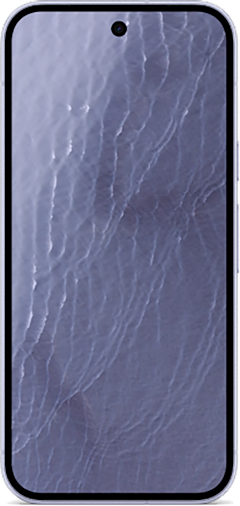
Galaxy S26 256GB
- 6.3 inch display
- Rear Cameras: 50MP, 10MP, 12MP
- Front Camera: 12MP
Compare phones: Smartphone prices
Smartphones range in price from hundreds of dollars for an entry-level affordable option like the Samsung Galaxy A range to multiple thousands of dollars for something like the Samsung Galaxy Z Fold range. The cheaper the phone, the more likely there are to be concessions on all of the key sections below: namely, screen size and resolution, battery, camera, processing speed and internal storage.
A truly budget smartphone will likely use an older operating system and have minimal processing power, which results in a noticeable delay particularly when multitasking. Up the budget beyond $500 and you get into mid-tier territory, where you may still have a plasticky body and less impressive camera but performance should still be great.
Boost the spend again to around $1,000 and you’re looking at semi-premium smartphone territory, with great options like the Google Pixel flagship models and, for a couple of hundred more, the iPhone Mini range. Around the $1,500 mark is where you’ll find the likes of the main iPhone line and the Samsung Galaxy S Plus range. All of these smartphones are great all-rounders with speedy performance, solid battery life and great cameras.
Add another $500 to the smartphone budget and you’re looking at the flagship models from the big names like Apple and Samsung, so the iPhone Pro Max range and the Samsung Galaxy S Ultra line. This extra investment nets you truly impressive cameras, beefier performance, gorgeous screens and bolstered battery life.
Anything over the $2,000 mark tends to be the domain of larger internal storage for those aforementioned flagship phones or foldable smartphones, like the Samsung Galaxy Z range.
Phone size comparison: Screen size and resolution
Unlike TVs, a bigger screen doesn’t necessarily equate to a better experience with smartphones. For starters, a bigger smartphone screen tends to mean more weight, less mobility (does it slide into your pocket?) and lower battery life. That said, a bigger phone screen is easier to see with fewer input whoopsies, particularly for those with larger fingers. It’s worth noting that a larger screen doesn’t always mean a better screen resolution.
The list below is a round-up of popular smartphones with small or mid-sized screens:
215
- 2.4 inch display
- 128MB int. memory (useable capacity will be less)
- Released in October 2020

These days, screen resolutions of higher-end smartphones tend to hang around the Full HD+ zone. While there was once a push towards Quad HD+ territory, these days there’s a sweet point between screen size, 1080p-ish resolution and battery life. Things will be a lot easier on the eye with a higher resolution, but larger screens, higher resolutions and newfangled inclusions like faster refresher rates all drain battery life faster.
Check out some big-screen smartphone options below:
iPhone 18 Pro 256GB
- 6.3 inch display
- Rear Cameras: 48MP, 48MP, 48MP
- Front Camera: 18MP
iPhone 18 Pro Max 256GB
- 6.9 inch display
- Rear Cameras: 48MP, 48MP, 48MP
- Front Camera: 18MP
iPhone 18 Pro 512GB
- 6.3 inch display
- Rear Cameras: 48MP, 48MP, 48MP
- Front Camera: 18MP
iPhone 18 Pro Max 512GB
- 6.9 inch display
- Rear Cameras: 48MP, 48MP, 48MP
- Front Camera: 18MP
iPhone 18 Pro 1TB
- 6.3 inch display
- Rear Cameras: 48MP, 48MP, 48MP
- Front Camera: 18MP
iPhone 18 Pro Max 1TB
- 6.9 inch display
- Rear Cameras: 48MP, 48MP, 48MP
- Front Camera: 18MP
iPhone 18 Pro 2TB
- 6.3 inch display
- Rear Cameras: 48MP, 48MP, 48MP
- Front Camera: 18MP
iPhone 18 Pro Max 2TB
- 6.9 inch display
- Rear Cameras: 48MP, 48MP, 48MP
- Front Camera: 18MP
iPhone 17 256GB
- 6.3 inch display
- Rear Cameras: 48MP, 48MP
- Front Camera: 18MP
iPhone 17 Pro 256GB
- 6.3 inch display
- Rear Cameras: 48MP, 48MP, 48MP
- Front Camera: 18MP
If you want larger screen real estate that you can still slip into your pocket, consider a smartphone with a foldable screen.
Phone comparison: Battery life
Gone are the days of the Nokia 3310 age where you could leave the house with 50% battery life and still not need to charge it for another couple of days. Thankfully, smartphone battery life has improved in recent years and actual all-day battery life isn’t a sci-fi fantasy. All-day battery life is the norm, but there are handsets that viably offer multiple days of battery life.
The numbers don’t tend to lie when it comes to battery capacity, which is measured in milliampere per hour (mAh). Admittedly, Apple keeps its battery capacities close to its chest. Generally speaking, the larger the number before mAh, the more juice you can expect from your smartphone battery. This helps level things out when manufacturers use different metrics of comparison (e.g. call time, video playback time, music playback, browsing, etc.).
It’s worth noting that 5G networks are not yet optimised, so battery drain is greater when 5G smartphones are connected to 5G networks.
Compare mobile phones: Camera considerations
Cameras are one of the key ways that smartphone manufacturers are competing. And these days, smartphones are offering more than just a rear camera and a selfie camera. Rear cameras, for instance, are multi-lens affairs, which may include two, three or four lens options as part of the rear-camera stack. At first glance, it’s easy to fall into the trap of chasing larger numbers, but having more megapixels doesn’t necessarily equate to better pics.
If you want easy-to-use rear cameras with great results, look to the iPhone Pro range. You can safely expect beautiful photos care of a great primary sensor, practical stabilisation and impressive lowlight performance. For an Android alternative, consider the OPPO Find Pro range, which offers beautiful results across lenses.
For those who fancy zoomed photography, the Samsung Galaxy Ultra range is a safe bet these days care of multiple optical zoom lenses. If you’d rather have a semi-premium alternative, rather than a flagship option, the Google Pixel range is a great all-rounder.
Phone comparison: CPU and RAM
Understanding the specifics of a smartphone’s processor is a little trickier, but newer, higher-end handsets tend to come with the latest CPUs. The speed and power of a smartphone’s processor will determine how responsive it is and how seamlessly you can use basic functions and installed apps. You can easily get lost in interpreting the numbers for core counts and clock speeds but let’s simplify all of that by saying the ranking tends to be Apple’s latest-gen A series CPUs, followed by the newest Snapdragon processor and then the latest Exynos offering.
A series CPUs are found in iPhones, Snapdragon processors are in certain Android phones (like the Google Pixel range) while Exynos is a Samsung CPU found in many Samsung phones. You can still safely expect solid performance across all three main processors, especially if you’re opting for flagship models.
In terms of memory (of the RAM variety), the general rule is that more RAM equals more seamless multitasking between apps. That said, iOS is optimised to use less RAM than Android. Pitting, say, the 4GB of RAM in the iPhone 13 against the 8GB inside the Samsung Galaxy S22 doesn’t mean you can expect twice the responsiveness from the latter handset. If you’re after a number, treat 4GB as a good safe amount and anything above that as a bonus (for Android phones in particular).
Compare mobile phones: Internal storage
Internal storage is a critical smartphone consideration as it determines how many apps you can install, how many files you can download as well as how many pictures and videos you can store on your handset. As camera resolution goes up, so too does the required storage size for pictures and videos.
It used to be that 64GB was the minimum but, these days, 128GB should be seen as the new peace-of-mind benchmark so you don’t have to worry too much about backing up photos and videos or deleting apps to make space. Note that certain model Android phones also include expandable internal storage via microSD slots, which is a cheaper way to store more on your smartphone.
Nathan Lawrence
Freelance Contributor

Related Articles


