

Photo quality is one of the most important features in any smartphone these days, especially when you're spending top dollar. After all, everyone wants great photos.
In fact, if you're buying a high-quality phone, you're really buying a camera. The camera might also happen to make phone calls, but photo quality is increasingly becoming a key point of difference between the latest handsets.
So here's a look at the phones that will get you the best pics possible.
Apple iPhone 12 Pro Max

The iPhone 12 Pro Max camera configuration is made up of the following lenses:
- A 12P primary lens
- A 12MP ultra-wide angle lens
- A 12MP 2.5x telephoto lens
- A LiDAR sensor
While the majority of the iPhone 12 family has an almost identical camera configuration, the iPhone 12 Pro Max stands out from the pack thanks to a longer range zoom lens and a better primary sensor with improved stabilisation. The improvements aren't always noticeable, but the exceptional primary lens makes the iPhone 12 Pro Max the best smartphone camera around right now.
Where the iPhone 12 Pro Max really shines when compared to other devices is in lowlight. Photos shoot faster, are sharper, a little brighter, and exhibit less noise. For example, if you're using night mode to take a lowlight image, the iPhone 12 Pro Max may only need a one second exposure to take the photo, where the iPhone 12 Pro may need three. Since you don't need to hold your hands steady for as long, you're also going to get a sharper image.
Lowlight photos are all less noisy across the board. Camera noise is the grainy look you can get when you're shooting images at night that can mask details.
If you're just looking at these photos on your phone, you may not notice the benefits of the iPhone 12 Pro Max's better primary camera. But as soon as you zoom or crop in and start looking at details, the difference is clear.
The iPhone 12 Pro Max also benefits from a 2.5x zoom lens, whereas the standard iPhone 12 Pro only has a 2x zoom lens. It doesn't match the long range zoom we've seen on some Android phones, but it's still nice to be able to punch in it a little bit further.
Here are a couple of iPhone 12 Pro Max camera samples:
iPhone 12 Pro Max Camera Gallery
Check out these camera samples taken on the iPhone 12 Pro Max. Click or tap on any photo to see a larger version.


OPPO Find X3 Pro

The OPPO Find X3 Pro camera configuration is made up of the following lenses:
- A 50MP primary lens
- A 50MP ultra-wide angle lens
- A 13MP 2x telephoto lens
- A 3MP microscope lens
The OPPO Find X3 Pro is the Android smartphone to beat when it comes to photography right now, thanks to a primary lens and ultra-wide lens backed by the same flagship sensor. For the most part, ultra-wide cameras rely on a lesser lens when compared to the primary, which creates a noticeable drop-off in quality. This isn't the case on the Find X3 Pro; you'll get excellent photos on both lenses, no matter what condition.
The primary lens in particular does an impressive job of handling dynamic range, which means it can capture both shadows and highlights without compromising either.
These lenses are joined by a 2x zoom lens and a microscope lens. The 2x zoom lens is fairly conventional, and unfortunately a step back from the 5x zoom we saw in last year's Find X2 Pro. The microscope lens is a rather unique addition, and a feature you won’t find on any other phone. It magnifies a subject next to the phone by either 30x or 60x, capturing rather unique images.
On one hand, the microscope lens can be a bit gimmicky, but on the other, it's a very fun addition to your photographic tool kit.
Here are a couple of OPPO Find X3 Pro camera samples:
OPPO Find X3 Pro Camera Gallery
Check out these camera samples taken on the OPPO Find X3 Pro. Click or tap on any photo to see a larger version.


Apple iPhone 12 Pro

The iPhone 12 Pro camera configuration is made up of the following lenses:
- A 12MP primary lens
- A 12MP ultra-wide lens
- A 12MP 2x telephoto lens
- A LiDAR sensor
The iPhone 12 Pro camera isn't quite as flash as what you get on the Pro Max, but nonetheless a top-tier option when it comes to phone photography. It reliably takes excellent photos in almost any environment, producing sharper, brighter, and clearer images in lowlight when compared to the iPhone 11.
While the iPhone 12 Pro shares its primary and ultra-wide lens with the standard iPhone 12 and iPhone 12 mini, it also benefits from a 2x telephoto lens and LiDAR sensor (which further improves night-time photography).
Here are a couple of iPhone 12 Pro camera samples:
iPhone 12 Pro Camera Gallery
Check out these camera samples taken on the iPhone 12 Pro. Click or tap on any photo to see a larger version.


Samsung Galaxy S21 Ultra

The Samsung Galaxy S21 Ultra camera configuration is made up of the following lenses:
- A 108MP primary lens
- A 12MP ultra-wide lens
- A 10MP 3x telephoto lens
- A 10MP 10x telephoto lens
Samsung's Galaxy S21 Ultra is unique in that it's the only mainstream smartphone on the market with two optical zoom lenses, which creates a whole lot of photographic potential. The 3x zoom is a nice midrange option, while the 10x shoots genuinely great photos at a distance - at least if you have enough light.
These are paired with a massive 108MP primary sensor that shoots and focuses quickly, and can take wonderful photos. It isn't always the best at snapping fast moving objects, however, and can occasionally miss focus in a rather subtle way when you're shooting close ups of a subject.
Lowlight performance is great, even without night mode. The ultra-wide lens is reliable for the most part, but isn't very useful in lowlight environments.
Here are a couple Galaxy S21 Ultra camera samples:
Galaxy S21 Ultra Camera Gallery
Check out these camera samples taken on the Galaxy S21 Ultra. Click or tap on any photo to see a larger version.


Apple iPhone 12 and iPhone 12 mini
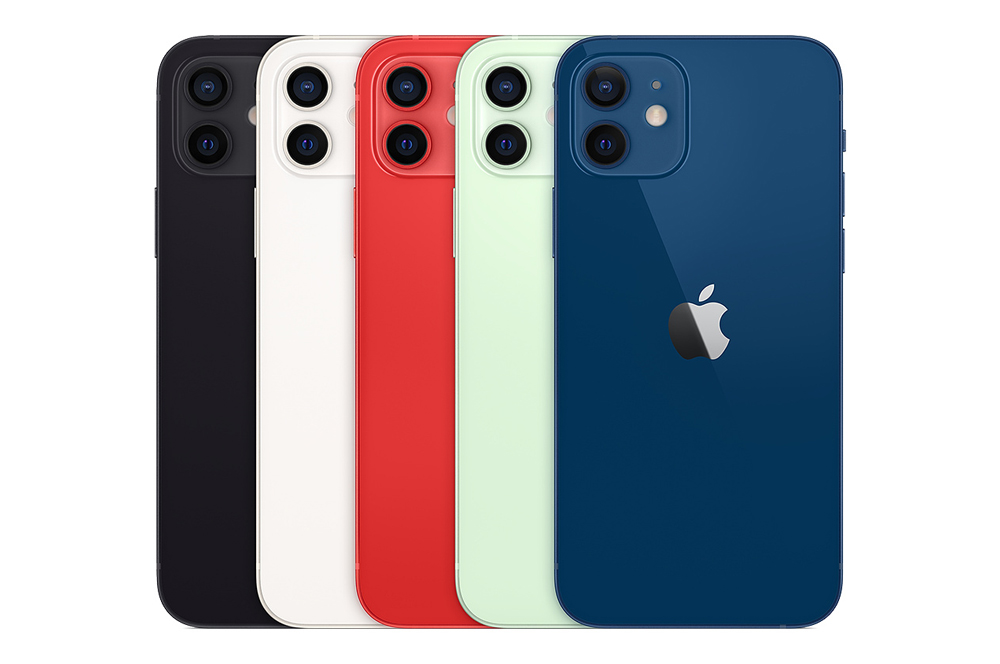
The iPhone 12 and iPhone 12 mini camera configuration is made up of the following lenses:
- A 12MP primary lens
- A 12MP ultra-wide angle lens
The iPhone 12 and iPhone 12 mini share the same excellent primary camera you'll find in the iPhone 12 Pro and the same ultra-wide lens.
They are however missing the 2x zoom lens, which makes them a little bit less versatile. You won't find a LiDAR sensor either, which further improves lowlight photography - especially portraiture.
Here are a couple of iPhone 12 camera samples:
iPhone 12 Camera Gallery
Check out these camera samples taken on the iPhone 12. Click or tap on any photo to see a larger version.


Google Pixel 5
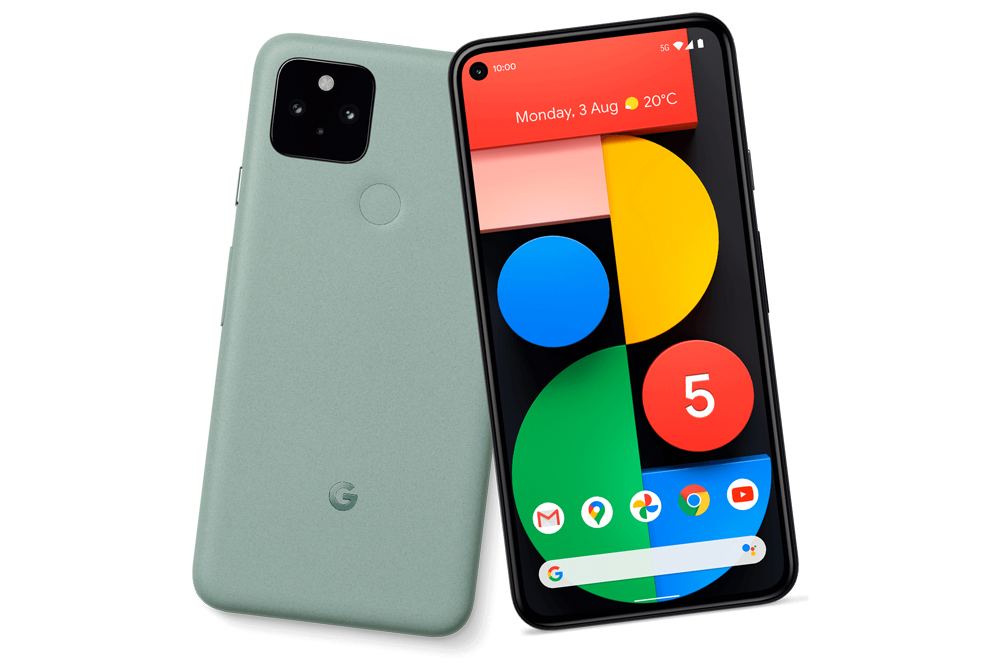
The Google Pixel 5 camera configuration is made up of the following lenses:
- A 12MP primary lens
- A 16MP ultra-wide angle lens
The Pixel 5 may fit into the semi-premium space, rather than the flagship, but its camera goes toe-to-toe with the best.
It's not quite chart topping, but it's also hard to fault the Pixel 5 primary lens. It takes great photos in any condition, other than extreme lowlight. You'll also get a reliable ultra-wide lens, which while a step back from the primary camera, still does a solid job.
Here are a couple of Pixel 5 camera samples:
Google Pixel 5 Camera Gallery
Check out these camera samples taken on the Pixel 5. Click or tap on any photo to see a larger version.


Samsung Galaxy S21 & Galaxy S21+
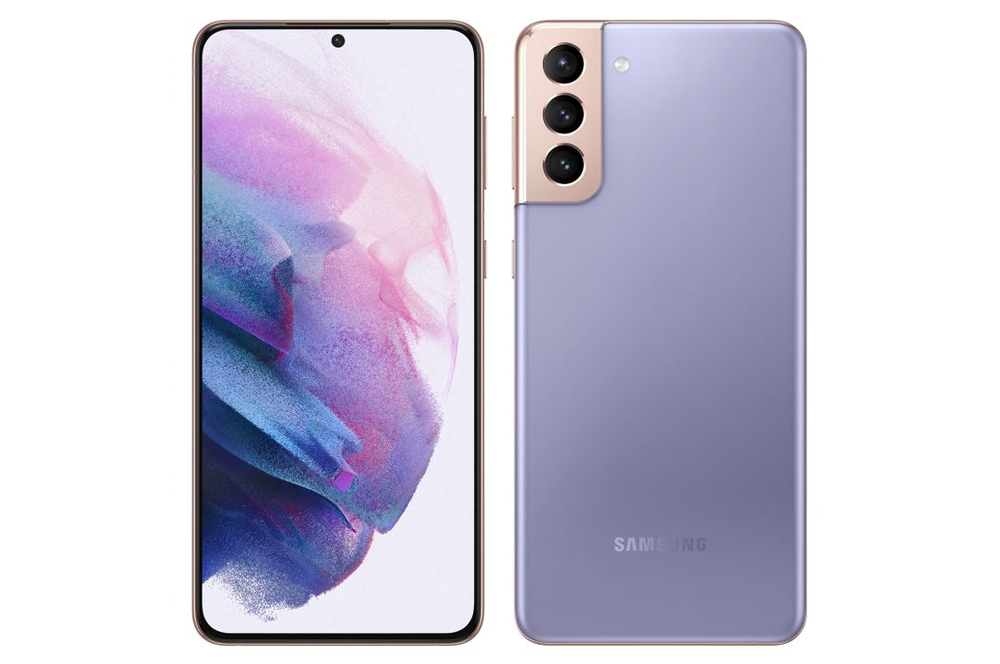
The Samsung Galaxy S21 and Galaxy S21+ camera configuration is made up of the following lenses:
- A 12MP primary lens
- A 12MP ultra-wide lens
- A 64MP 3x telephoto lens
While not as exciting as the Galaxy S21 Ultra, the standard Galaxy S21 and Galaxy S21+ still offer a great experience for the most part. The camera setup is identical across both, and when it comes to daytime photography all three lenses are reliable performers.
They have a slight tendency to oversaturate colours, but you can rein this in by turning off the scene optimiser. The 3x zoom lens still does alright when pushed as much as 10x, but you don't really want to go any further. 30x zoom gives off strong impressionist vibes.
Neither the ultra-wide or zoom do are strong performers in lowlight, but the primary camera still does a very good job. It can get a great shot even without relying on night mode. This is for the best, as Samsung's night mode tends to brighten a photo uniformly, which tends to rob it off contrast.
Here are a couple of Galaxy S21 camera samples:
Galaxy S21 Camera Gallery
Check out these camera samples taken on the Samsung Galaxy S21. Click or tap on any photo to see a larger version.


Alex Choros

Related Articles


