
The Australian energy market isn't something the average person has to know much about. But if you've ever had questions such as "Who's my distributor?" or "Why can't I compare energy plans?", this is the place for you.
Deregulated energy markets
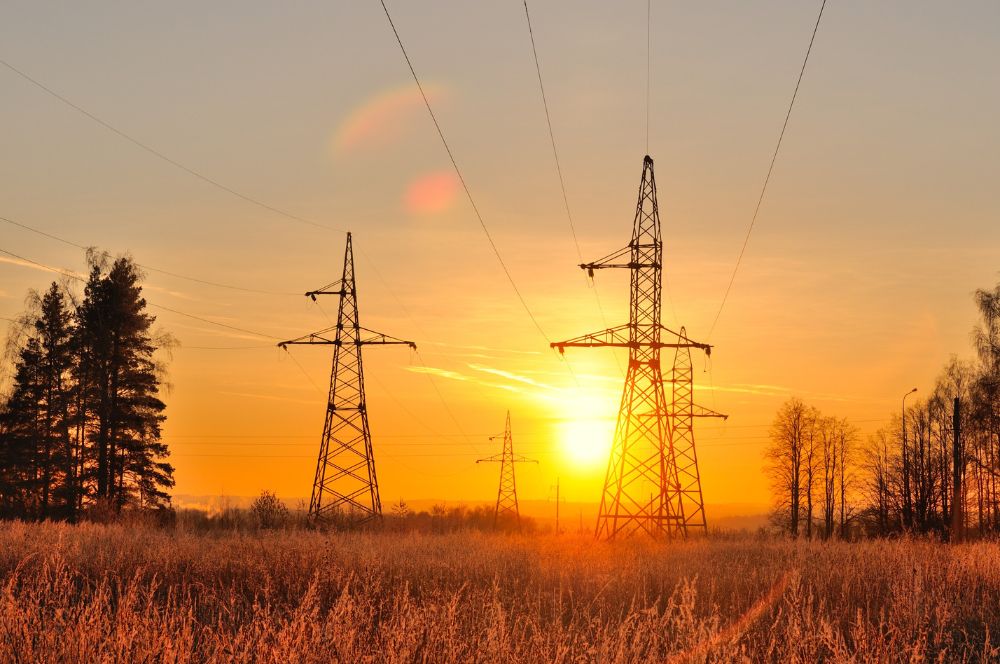
While Australia is one country, the Australian energy market is made up of various different stakeholders and regulations vary between states and territories.
In the last 30 years, several states have introduced "Full Retail Competition" allowing private energy retailers who aren't owned by the government to offer plans to customers. Since then states have also begun to ease regulations on pricing so that those private retailers can set their own prices (within reason).
Here's how the state of play currently looks:
| State | Competition | Pricing |
|---|---|---|
| New South Wales | Deregulated | Deregulated |
| Victoria | Deregulated | Deregulated |
| Queensland | Deregulated (South East only) | Deregulated (South East only) |
| South Australia | Deregulated | Deregulated |
| Western Australia | Regulated in some areas | Regulated |
| Tasmania | Deregulated | Regulated |
| Australian Capital Territory | Deregulated | Regulated |
| Northern Territory | Deregulated | Regulated |
As you can see the majority of states (and a majority of the population) have deregulated competition and pricing.
Prices tend to be regulated in more regional parts of the country where smaller populations mean a free-for-all market wouldn't be competitive.
The Northern Territory and Tasmania are good examples. Competition is deregulated so that private retailers can put together a substantial service offer but prices are regulated so that one business can't undercut the other on price. Consequently, this does mean fewer providers and fewer choices for households and businesses.
In Western Australia and South East Queensland, you can't switch electricity providers if you're a residential customer. In Western Australia, businesses with high energy needs count as "contestable customers" which means they can shop around for a deal from retailers.
Now none of this means that there's no regulation at all in the deregulated states. In those states, there exists a benchmark called the reference price which retailers have to use when marketing plans to customers. This helps customers make better decisions by choosing a plan that is cheaper than the benchmark.
In the majority of states energy regulators release new reference prices that take effect form July 1 each year.
Energy generators, distributors and retailers
Three groups participate in the Australian energy market: producers, distributors and retailers. Here's a breakdown of what each one is responsible for.
Energy generators
A range of businesses in Australia produce power for the energy market. This power comes from both non-renewable sources such as black and brown coal and renewable sources including hydro, solar and wind. There are over 100 energy generators operating in Australia.
Energy distributors
Energy distributors are the next chain in the process. They are responsible for building the poles and wires that provide power to the country as well as taking care of maintenance and repair of the lines and any substations.
Energy retailers
Retailers are the last piece in the puzzle and act as the middlemen between consumers (households and businesses) and energy generators. They buy power from the spot market wholesale and sell it to consumers through a range of plans. This is similar to how some telcos operate as mobile virtual network operators buying network capacity from Telstra, Optus and Vodafone and selling their own plans to consumers. Your energy retailer is the business you as a consumer will have most of your interactions with.
Who is my energy distributor?
While you generally only deal with your energy retailer in the course of daily life there are occasions where you might need to contact your energy distributor or at least check their website. This can include notice of any scheduled power outages, reporting unscheduled ones, or reporting fallen lines or gas leaks. In any emergency situation, you should call 000.
Energy distributors service different regions and so they vary depending on where you live.
See the table below for a list of electricity distributors and the region they service.
| Distributor | State | Region |
|---|---|---|
| Ausgrid | NSW | Greater Sydney, Newcastle, and Central Coast |
| Endeavour Energy | NSW | The Blue Mountains, Western NSW, the Southern Highlands, the Illawarra, and the South Coast |
| Essential Energy | NSW/ACT/QLD | Rural NSW, parts of South-west QLD, and Queanbeyan in ACT |
| AusNet Services | VIC | Eastern Victoria, northern and eastern suburbs of Melbourne |
| Citipower | VIC | Melbourne CBD |
| Jemena | VIC | North and South-west Melbourne |
| Powercor | VIC | Western Victoria, except for Melbourne |
| United Energy | VIC | Southern Melbourne, Mornington Peninsula |
| Energex | QLD | South-east QLD including Brisbane, the Gold Coast and the Sunshine Coast |
| Ergon Energy | QLD | The rest of QLD including the Torres Strait Islands |
| SA Power Networks | SA | All of SA |
| EvoEnergy | ACT | The majority of the ACT |
| TasNetworks | TAS | All of Tasmanian |
| Western Power | WA | South-eastern WA including Albany, Bunbury, Busselton, Geraldton, Kalbarri, Kalgoorlie, Merredin, and Perth |
| Horizon Power | WA | The rest of WA |
| Power and Water Corporation | NT | All of the NT |
Dylan Crismale
Digital Content Editor

Find a better internet plan
Thousands of internet plans unpacked. All the facts. No surprises.

Related Articles


Internet Plans by State
- Internet Plans in ACT
- Internet Plans in NSW
- Internet Plans in NT
- Internet Plans in QLD
- Internet Plans in SA
- Internet Plans in TAS
- Internet Plans in VIC
- Internet Plans in WA


