

LG V30+ Review: The Verdict
The LG V30+ is a no frills flagship with enough unique little features to make it worth considering if you're after a high-end smartphone.
What we love
- Excellent sound quality & great bundled headphones
- 128GB of storage as a default
- Competitive price
What could be improved
- Poor front-facing camera
- Blue tint on display
- Slight fish-eye on wide-angle camera
80/100
RRP: $1,199
What's the LG V30+?
2017 was a bit of a back to basics year for LG's phone division. The Korean electronics giant gave up on gimmicks like curved displays and modular accessories with its flagship G-series and ditched the V-series' longstanding second screen with the V30+.
Gimmick-free doesn't mean the V30+ is without flavour. While many smartphone manufacturers are ditching the headphone jack, LG's doubled down on audio.
One of the V30+'s headline features is "Quad DAC", which is to say the phone has four digital-to-analogue converters. A DAC is the circuitry that converts digital music into an analogue signal that can be played back by headphone or speakers. This isn't a simple process, so the quality of a DAC will affect the quality of your music.
Notably, wireless headphones all have an integrated DAC, so the V30+'s souped up audio hardware won't affect quality on Bluetooth headphones. The V30+ is all about making use of the headphone jack, so it helps that you get a pretty decent pair of buds in the box.
It's worth noting that the V30+'s "Plus" doesn't refer to the physical size, but storage size - 128GB - and the high-end audio features. If you're buying the "standard" V30 in other markets, you don't even get headphones in the box.
Key specifications for the V30+ include a 6-inch Quad HD+ display running at 2880x1440, a Qualcomm Snapdragon 835 processor, 128GB of expandable storage, 4GB of RAM, IP68 water-resistance, and a 3300mAh battery. It ships with Android Nougat 7.1.2, rather than the newly finished Android Oreo, but should get the upgrade soon.
What's good about the LG V30+?
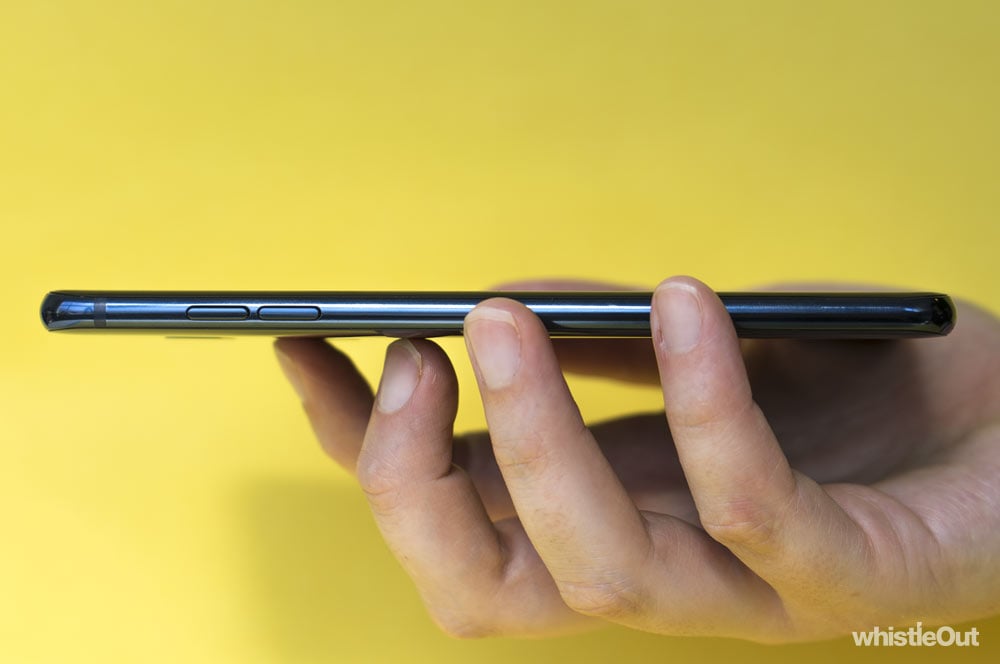
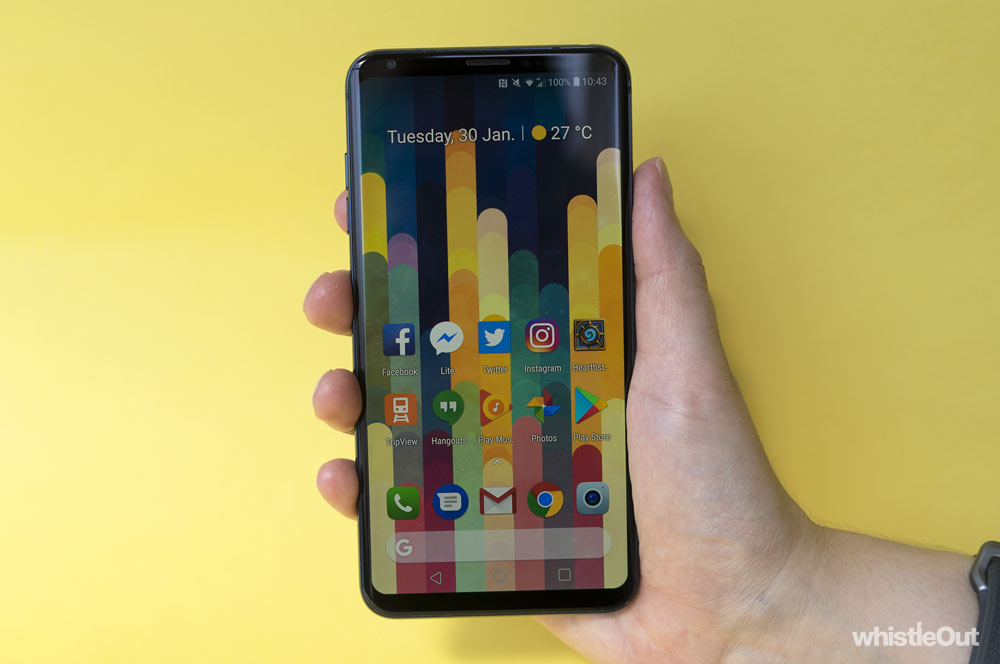
The V30+ is a super sleek device that feels "just right" in terms of size. The combination of a 6-inch display and just the slightest amount of bezel make the V30+ a big screen phone that's still mostly painless to use one-handed. It's only a teensy bit smaller than other 6-inch phones, such as the OPPO A73 and the Pixel 2 XL, but these slight differences help give the V30+ a surprisingly compact feel.
The in vogue extra-tall 18:9 display does mean you'll need to adjust your grip or use a second hand to reach the top of the screen, but I found it easy enough to bang out text-messages with one hand. The volume rocker is however a touch high, so you'll likely need to adjust your grip to reach it.
While the V30+ has also jumped on the glass-front-and-back bandwagon, the phone's back is surprisingly smudge resistant. You'll notice fingerprints on the back if you're looking for them, but it's not a grease magnet in the same way many other all glass flagships are.
Despite the large-screen-small-body dichotomy, the V30+ will still comfortably last a full day; we found we'd typically end up with 40% or so left before plugging it in at night. It's not quite a two day battery, but it's a healthier buffer than we found on the Note 8 and Pixel 2 XL.
One slight design quirk is the V30+'s rear-facing power button. Many phones these days have the fingerprint reader on the back, but this also doubles as a power button on the V30+. You'll need to click it in to put the phone back to sleep, for example. This can result in a slight learning curve when coming from another device - there's been countless times where I've tried pressing a side-facing button that simply doesn't exist - but you get used to it after a couple of days.
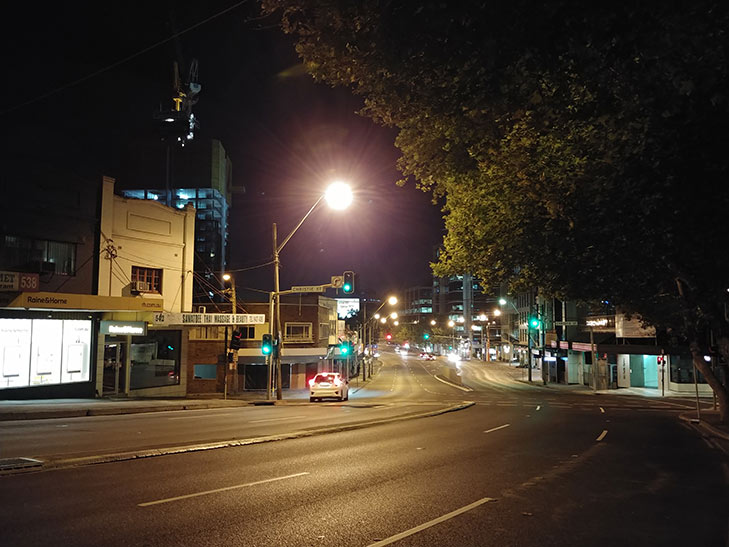
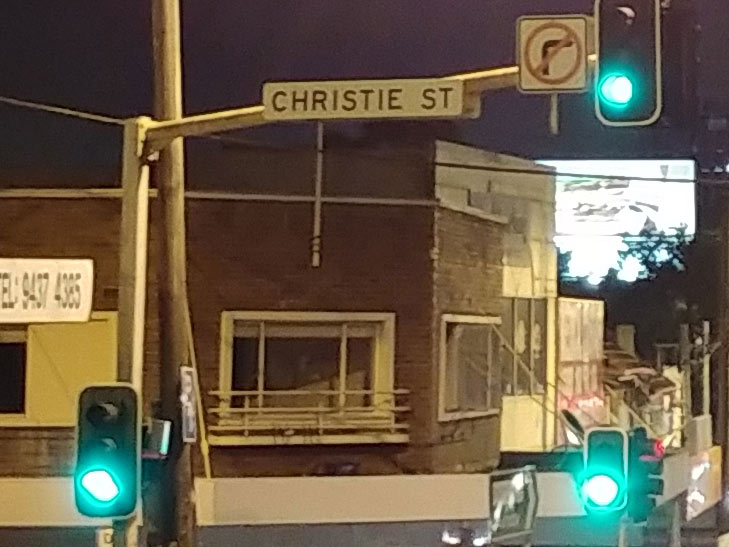
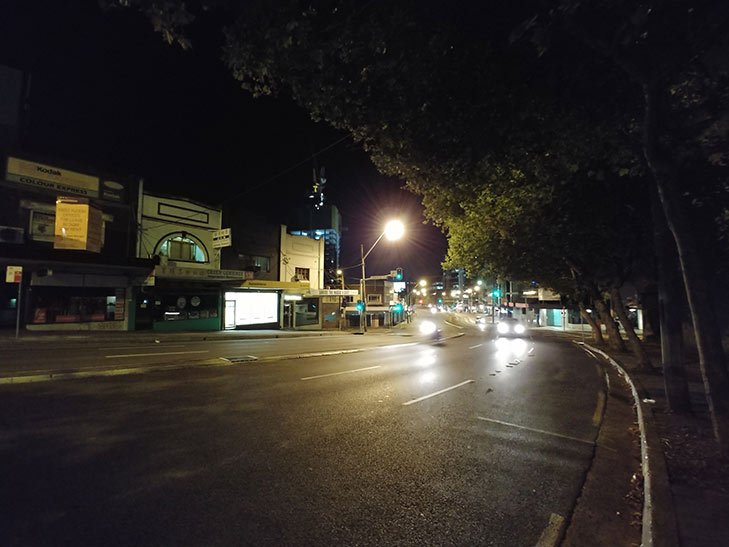
The V30+'s camera is great for the most part, but not quite on par with the likes of the Pixel 2, Huawei Mate 10, or iPhone X. Despite the industry-leading f/1.6 aperture lens, it's not quite as good at illuminating lowlight scenes at the competition, and it struggles with focus in the dark. Manual settings can help compensate this, but the V30+'s lowlight results didn't quite live up the lofty standards set by the aforementioned trinity.
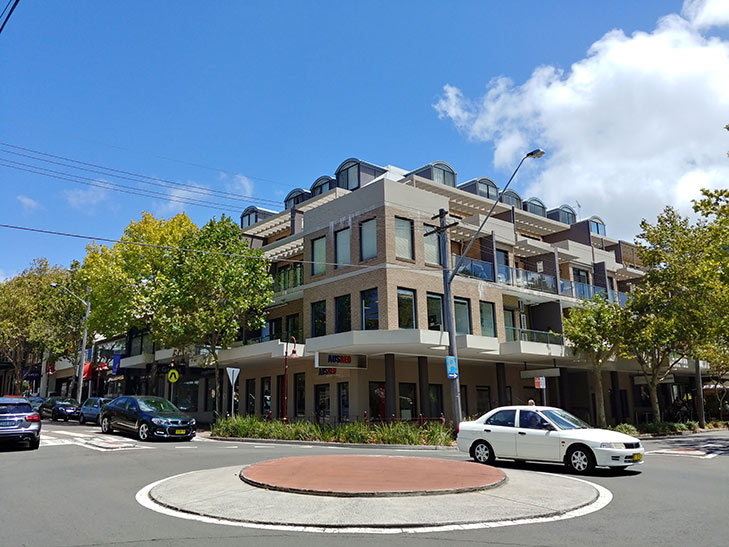
You'll get lovely photos from the V30+ in most other lighting conditions, except for harsh light. If you're shooting toward a bright source (the sun, for example), you'll either end up with a blown-out background, or a subject that's too dark.
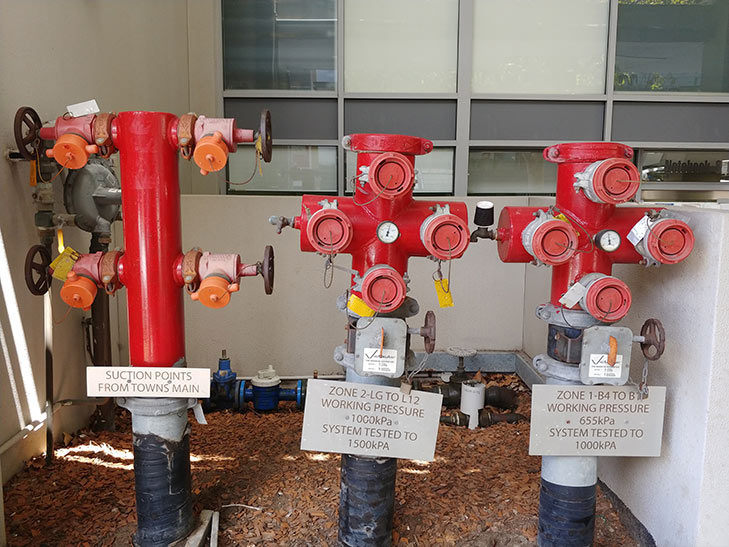
While most smartphone manufacturers tend to kit out their flagships with a zoom lens for a secondary camera, LG has opted for a wide-angle lens on the V30+ instead. It's a nice point of difference. I'd personally prefer a zoom lens (they're very useful when it comes to getting highly grammable photos at gigs), but the wide-angle lens can get stunning results when shooting landscape style photography. It really comes down to what you use your smartphone to take photos of. Maybe we'll start seeing tri-lens smartphones soon.
Photos taken using the wide-angle lens are subject to a bit of fisheye distortion, but otherwise, are mostly on par with images from the V30+'s primary camera.

The V30+'s high-end audio features are arguably its most unique inclusion, and though they might be niche, they're certainly worthwhile: the difference between the V30+ and its bundled headphones and iPhone X and its bundled headphones is like day and night. Sure, the iPhone X and its bundled headphones are "good enough", but you get a richer, clearer, and bassier audio experience out of the box with the V30+. And if you own a high-end pair of wired headphones, the V30+'s high-end audio hardware should deliver even further benefits.
Other audio features include a couple of software equaliser presets which give you extra control of how your music sounds. For example, if you want to dial up the bass.
Once again, it's worth noting that this functionality is designed for use with wired headphones. Bluetooth headphones have their own internal DAC, so the V30+'s high-end hardware won't matter if you're using wireless buds or cans. Your sound quality will be determined by your wireless headphones, not your phone.
At $1,199, the V30+ is available at a competitive outright price-point, undercutting the ever-creeping upper echelon of top tier devices. Notably, promotional pricing has seen the V30+ available for as low as $999. If you can find it under a grand, the V30+ is an even better deal, especially when you get all the trimmings: a top-of-the-line processor, IP68 water-resistance, wireless charging, dual SIM support, and 128GB of expandable storage.

What's not so good about the LG V30+?
The LG V30+'s display is subject to an issue called "blue shift". If you're not looking at the V30+ straight on, the screen will appear slightly blue, as if the display were a cooler colour temperature. This is most noticeable if you're rotating the phone in your hand, where you can actually notice the transition in colour.
The issue doesn't actually affect the viewability of a display - just it's apparent colour - but it’s nonetheless a surprising problem for a flagship smartphone in 2017. Most smartphone displays no longer distort when viewed from odd angles, so the V30+'s blue shift problem feels a tad anachronistic.
Given the V30+'s display is still viewable on an angle, the severity of this issue is a matter of opinion. I've found it doesn't bother me day-today; I'm either looking at the V30+ directly, where blue shift isn't an issue, or at it on my desk, where the colour has already shifted so I'm not dealing with the awkward transition where the display is half and half. It's not ideal, but I wouldn't call it a deal breaker.
Of course, there is the school of thought that when you're buying a phone that retails at $1,199, you shouldn't be making these kind of trades off. The issue hasn't impacted my day-to-day usage, but if you're concerned, head into a store and get hands on with a V30+ before you make the purchase. JB Hi-Fi is the exclusive retailer for the V30+, and should have demo units on display.
The LG V30+'s display has a lower maximum brightness than most other flagship smartphones. While this is a non-issue indoors or in shade, it can impact outdoor visibility in direct sunlight.
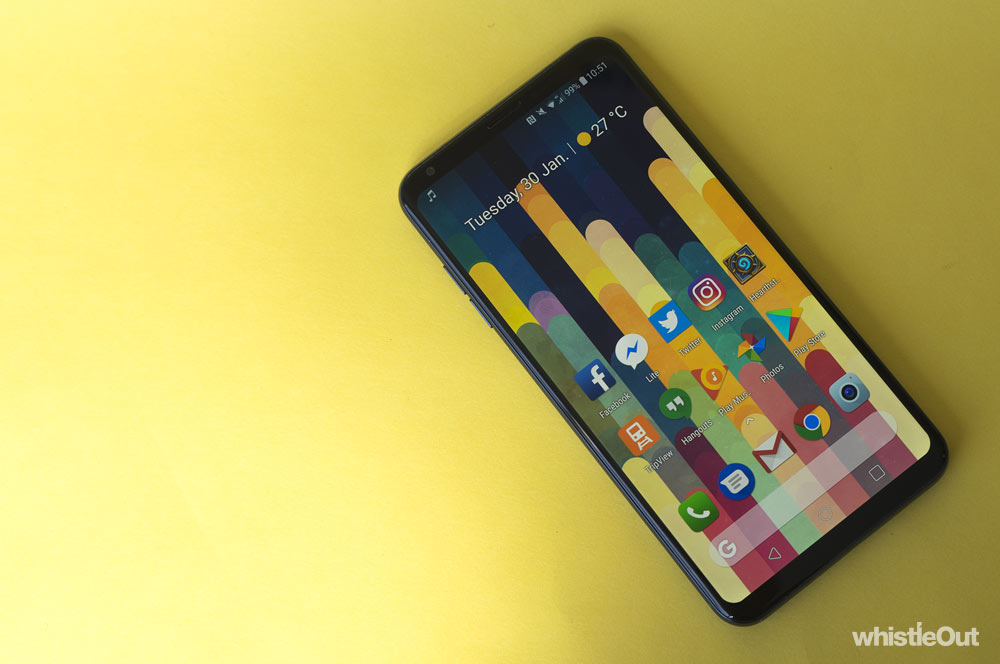
LG's made a couple of odd software choices when it comes to the V30+'s take on Android. Out of the box, the V30+ is more like an iPhone: all of your apps are spread out on your home screen, rather than hidden away in an app drawer. There's a setting that brings back the app drawer if you'd prefer, but it's an odd choice given how many preloaded apps the V30+ ships with. You end up with quite a few duplicates - for functionality including photos, music, and email - and there's no way to delete or disable the vast majority of these. This doesn't really effect the day-to-day experience, but it's kinda unnecessary.
Selfie fiends might find themselves disappointed by the V30+'s front-facing camera. Measuring in at just 5MP, the V30+'s selfie shooter is surprisingly low resolution, and tends to take photos lacking detail and contrast. Results often look washed out and grainy, even when you're shooting in well-lit environments.

LG V30+ camera samples







Who's the LG V30+ for?
The LG V30+ is a competent allrounder for a fair price. Other than slight blue shift on the display, there's very little you can fault the V30+ for, but at the same time, there's no "must have" features. There are however plenty of small differentiators that could make it a compelling option for anyone in the market for an Android phablet.
You get amazing audio, which may be enough to sell you if you're a music lover who still prefers wired headphones over wireless. And a great pair of earbuds in the box.
You get 128GB storage out of the box, with is double most of the V30+'s competition.
You get dual SIM support, which is pretty rare in flagship grade phones.
And in our opinion, you get a phone that's a bit sleeker than the Pixel 2 XL and the Note 8.
These aren't necessarily must-have features, but they're all welcome. And for the right person, they could be just enough to help the V30+ edge out the likes of the Note 8 and the Pixel 2 XL. Especially if it means saving a couple of hundred bucks.
What else can I buy?
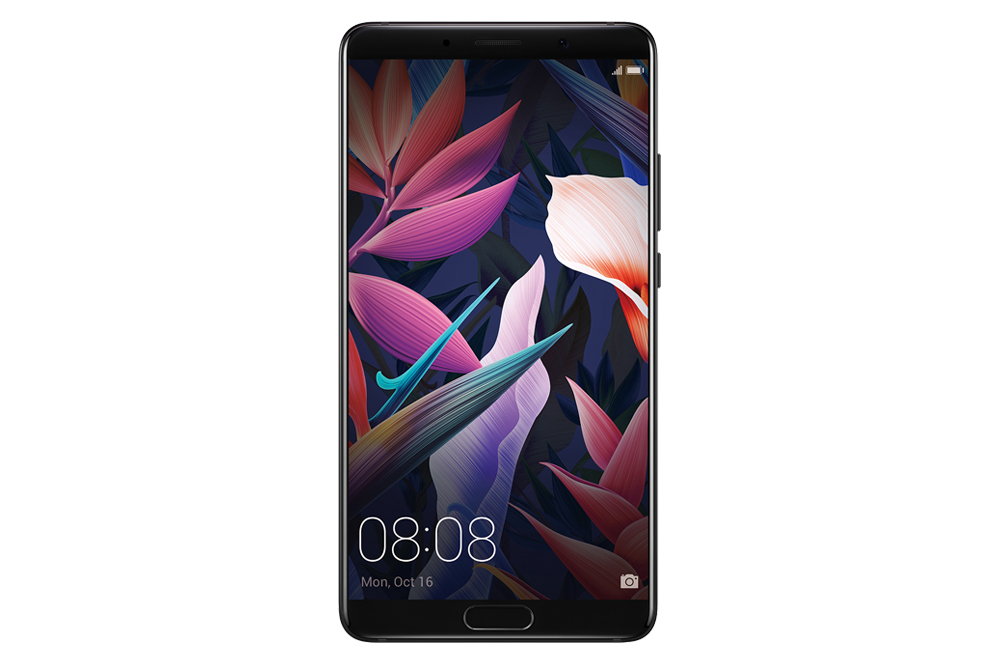
Huawei Mate 10
If you’re looking at saving a little extra, Huawei's Mate 10 is quite possibly the best bang-for-buck flagship smartphone around right now. It has a polished design, an amazing camera, and it's superfast. The Mate 10 isn't water-resistant and it runs Huawei's customised version of Android, but is still part of the headphone jack club.
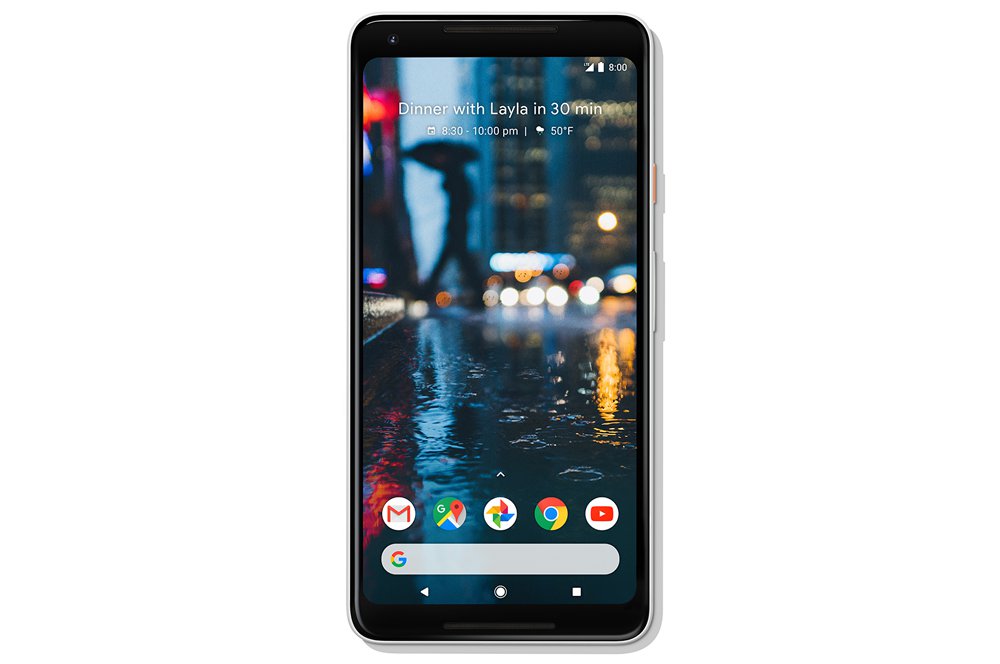
Pixel 2 XL
If you'd prefer a phone that runs a clean take on Android, the Pixel 2 XL is definitely worth considering. It's a little pricier than the V30+, but it helps that that the Pixel 2 XL camera is one of the very best around. It's worth noting that the Pixel 2 XL is actually based on the V30+, so it shares the same screen issues when it comes to blue shift. And there's no headphone jack.
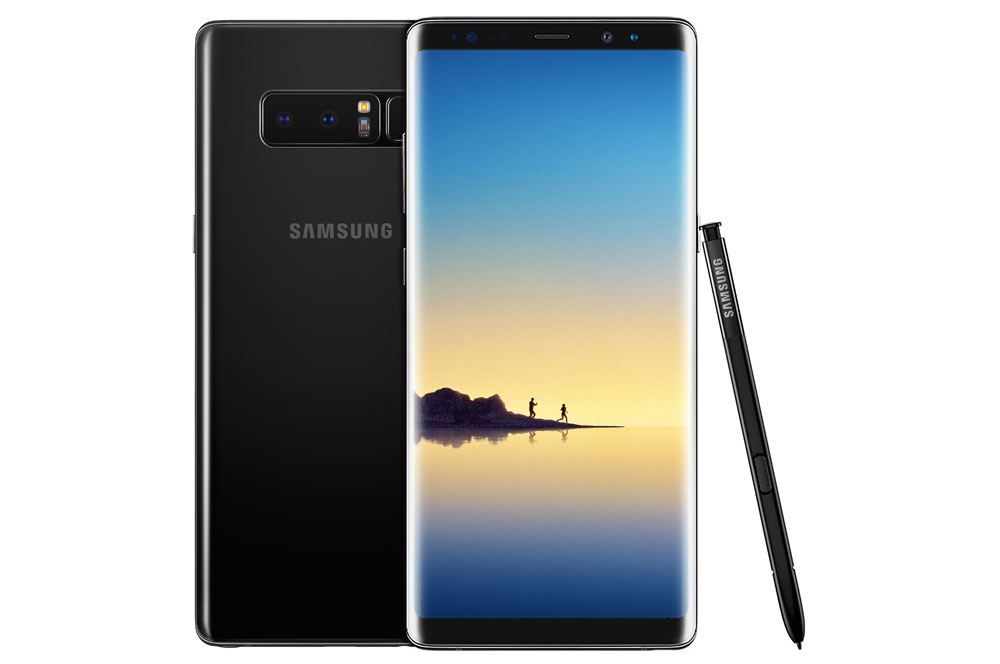
Samsung Galaxy Note 8
If you're after a big screen phone, Samsung's Note 8 is one of the largest around, touting a massive 6.3-inch display. It's a great allrounder, but has a couple of standout features in its secondary zoom lens and its trademark S Pen stylus.
Alex Choros

Related Articles


