

Nokia 9 PureView Review: The Verdict
The Nokia 9 PureView is an ambitious smartphone with a unique camera setup that unfortunately doesn't quite hit the mark.
What we love
- Can genuinely take stunning photos
- Runs Android One
- Good performance
What could be improved
- Photos take forever to process
- Bad biometric authentication
- No headphone jack, no expandable storage
The essentials
- Performance: More than fast enough.
- Battery: About a day per charge.
- Screen: Great for the most part, but could be a little brighter.
- Camera: Can genuinely take stunning photos, but lowlight performance isn't as good as the competition and you need to put in a lot of work to get the best possible results.
60/100
$1,099
Bleeding edge technology often asks us to make concessions, but there's always a limit to how much we're willing to forgive. The Nokia 9 PureView pushes the friendship to the ceiling. On one hand, it has a camera unlike anything we've seen on a smartphone before. On the other, it's marred by fundamental flaws that not only impact photography, but the day-to-day experience.

The more cameras the merrier?
- 5.99-inch 1080p+ display
- Snapdragon 845
- 128GB storage, 6GB RAM
- 12MP x5 + ToF rear-facing camera
- 3,220mAh battery
- IP68 water-resistance
The Nokia 9 PureView is unique because of its somewhat ridiculous five rear-facing camera configuration. While smartphone manufactures seem intent on outdoing one another in sheer quantity of camera lenses, HMD has taken a somewhat different approach to its trypophobia-inducing camera array. Most other camera smartphones use their additional lens to add functionality such as zoom or wide angles. Instead, the Nokia 9 PureView uses its extra lenses to capture more detail.
The camera array is made up of five 12MP sensors. Two shoot colour, and the remaining three shoot monochrome. When you take a photo, these lenses all fire simultaneously, shooting at different exposure levels. 15 photos are then stitched together to get your final image. HMD says this gets you 12.4 stops of dynamic range, which is similar to what you’d get with a pro cinema camera.
In lay-terms, dynamic range is the difference between the darkest element of a photo and the lightest. The wider the dynamic range, the more vibrant and detailed your photo looks. Extra dynamic range also gives you more flexibility when editing a photo with tools like Snapseed and Lightroom. You're even prompted to install Lightroom during setup.
The Nokia 9 PureView camera setup can also capture more depth - 1,200 layers of information according to HMD - which can be used to create more realistic bokeh in photos. There's also a Time-of-Flight (ToF) sensor to help with this, which many manufacturers - such as Huawei and OPPO - would count as an additional camera. If you're being generous, you can say the Nokia 9 PureView has six rear-facing cameras.
So is it any good?
To some extent, yes, but the answer is a lot more complicated. The Nokia 9 PureView can take stunning photos.
The images it captures are among the most detailed I've seen on a smartphone. Here's a photo I took at a gig:

And here's a 100% crop of the previous photo:

It almost makes up for the lack of zoom; you could easily believe the photo isn't a crop. It's sharper and more detailed than it has any right to be.
The portrait mode is pretty convincing too. It's easily one of the best we've seen to date. Here's a photo without portrait mode:

And here's a photo with portrait mode on:

The Nokia 9 PureView has done an excellent job of separating the subject from the background. This is especially evident when you look at the subject's hair; the individual strands are still sharp, but the light behind them is out of focus.
For the best results, the Nokia 9 PureView demands you edit your photos. Out of the lens, you'll get fairly flat looking photos, but it's easy to give them a little pop with either just Google Photos or an app like Lightroom or Snapseed.
Here's the out-of-camera JPEG:

Here's the edited version:

If you choose to shoot high resolution RAW (a file format that captures all data recorded by the sensor), you'll have even more flexibility when it comes to editing. It is however worth noting that RAW photos are a lot larger (around 30MB instead of 3MB), can't be shared easily until compressed into a JPEG, and often require editing. Shooting RAW on the Nokia 9 PureView does however give you a companion JPEG image that's already been tweaked a little.
As nice as the result photos are, you have to put in a lot of work to get them. To start, the Nokia 9 PureView takes its sweet time shooting a photo. Given it's taking 15 shots every time you hit the trigger, that's not too surprising. This does however make the Nokia 9 PureView quite prone to motion blur, especially in low light. Even still subjects can lose sharpness if your hands aren't still enough.
Motion blur aside, lowlight photography on the Nokia 9 PureView is only just passable. It's possible to get good shots with a bit of luck, but the phone tends to blow out light sources and wash out scenes (some of which can be accounted for with editing, at least if you're shooting RAW).

In addition to being slow to shoot, the Nokia 9 PureView drags its feet when it comes to processing photos afterwards. While most smartphones let you see your photo instantly as you take it, the Nokia 9 PureView also has to assemble it. I've found it can take anywhere from ten seconds to over a minute to actually see the finished photo, depending on what camera settings you're using (RAW and portrait mode both add time). Taking multiple photos in succession further blows this out. I used the Nokia 9 PureView to shoot a gig, and still had photos left processing after the show was over.
These processing requirements mean the Nokia 9 PureView can run quite warm when taking photos. Again, especially when you're taking a lot at once. Taking ten or so photos in the space of a minute or two is enough to get the Nokia 9 PureView to heat up. I've even had the phone get uncomfortably hot, especially when using burst mode. That's one way to burn a hole in your pocket.
All of this just adds friction to the photo-taking experience, and that's before you even think about opening your photos in Snapseed or Lightroom. If you want your Nokia 9 snaps to look their best, you're going to need to spend time editing them first. Everyone loves smartphones that take good photos, but convenience is paramount. Convenience is arguably the reason we fell in love with smartphone cameras in the first place; after all, the best camera is the one you have on you.
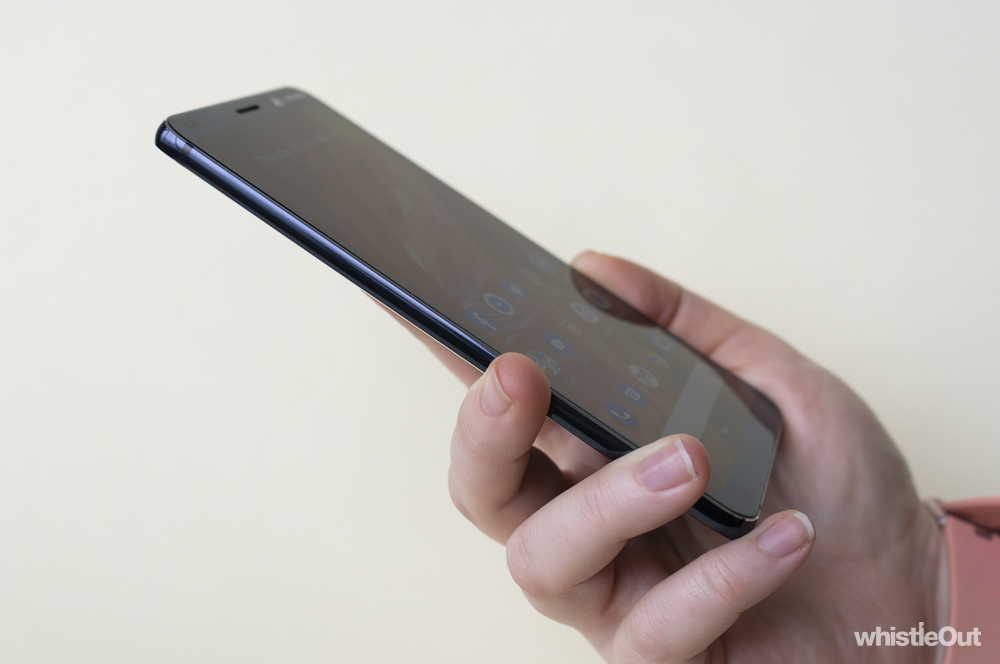
While the Nokia 9 PureView is packed full of ambitious tech, it just takes away from that convenience. It makes you work for your photos. Hell, it even just gets in the way of how we're using our smartphones. I tried to snap a quick photo of what I was cooking to show a friend, and I had to wait a full 30 seconds before I could even send it on Messenger. Even if you can get stunning photos on the Nokia 9 PureView, the device fails to account for the day-to-day reality of how most of us use smartphone cameras.
A few too many compromises
As inconvenient as working for your photos is, it would be a lot more acceptable if the Nokia 9 PureView didn't have other fundamental flaws.
Neither form of biometric authentication works overly well. Facial recognition is okay, but inconsistent - it's fine with good light, but struggles in the dark. Maxing out your screen brightness can improve performance, but that's not enough to make unlocking your phone a sure thing.
On the other hand, the Nokia 9's in-screen fingerprint reader is a hot mess. The setup process is frustratingly broken; when I first tried to add a fingerprint, it constantly told me to try a different finger, even though I was halfway through registration. Adding just a single fingerprint took far too long. To make matters worse, the in-screen fingerprint reader is unreliable; it only unlocked the Nokia 9 around 50% of the time, and that's not good enough. Registering the same finger an extra two times significantly improved the accuracy, but that's not something you should have to do get basic functionality working.
In short, the most reliable way to unlock the Nokia 9 PureView is with a good old-fashioned PIN. That might be fine for some, but it feels a little too 1999 for a smartphone released in 2019.
Oddly, the Nokia 9 PureView doesn't have expandable storage. 128GB out of the box would be okay for most phones, but the Nokia 9's emphasis on RAW photography makes it feel a little lacking. When a single photo takes up over 30MB, 128GB can go a lot faster than you might expect.
The rest of the Nokia 9 PureView package is good enough. It's powered by last year's top-end processor, but that's still more than fast enough. The screen doesn't go as bright as competitors (and auto-brightness levels can be too conservative), but it's a nice display nonetheless. Battery capacity is a tad modest, but you should manage to get a full day, albeit without much buffer. You may need a top up earlier if you're taking a lot of photos, however.
All of this is fine, but it feels like the bare minimum for a $1,099 smartphone. Especially when so many other high-end smartphones are going above and beyond.
On the plus side, as with all recent Nokia smartphones, the Nokia 9 PureView runs Android One. Android One is a pure version of Android that Google plays a hand in maintaining. All Android One smartphones get security updates every month for a minimum of three years, and two major operating system updates. This will see the Nokia 9.1 through to Android R.

Who is the Nokia 9 PureView for?
The Nokia 9 PureView overflows with promise, but it doesn't realise its lofty ambitions. As much as I love the weird camera tech and the shots it can get, it's hard to love to the phone itself. It's a camera smartphone without the convenience, which is ultimately self-defeating.
If you want to take high resolution RAW photos that you can endlessly tinker with, you're much better off getting a DSLR or MFT camera. If you want a great smartphone camera, you should think about a different option. While I hope HMD keeps iterating on the technology powering the Nokia 9 PureView's crazy cameras, it's stuck in a no-man's land right now. It's makes too many compromises as a camera, and too many too compromises as a smartphone.
More Nokia 9 PureView camera samples








I don't want a Nokia 9 PureView, what else can I buy?

Huawei P30 Pro
If you're after the best smartphone photography experience you can get right now, the Huawei P30 Pro is it. It can take crystal clear photos in complete darkness. It can zoom to an absurd level without losing detail. No matter what kind of environment you're taking photos in, the P30 Pro is versatile enough to handle it.
Google Pixel 3a
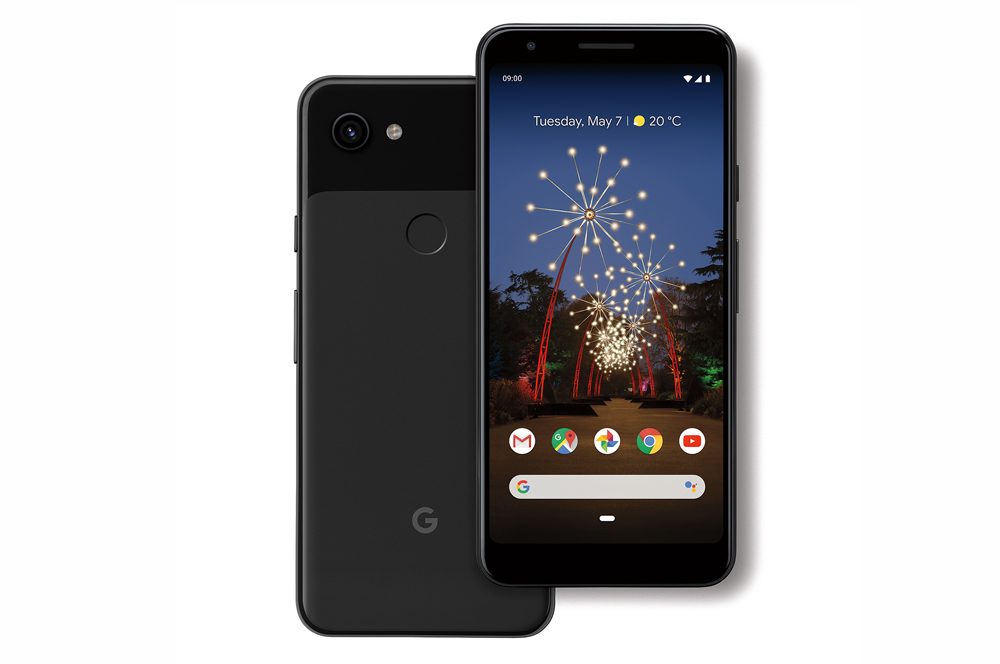
The best smartphone cameras have typically been locked away behind four-digit price tags, and those have just kept climbing higher. With the Pixel 3a, Google has changed this. The $649 handset has same camera you find in the $1,199 Pixel 3, and the results are almost indistinguishable. You don't get extra lenses like ultra-wide or zoom, but it's still one the best cameras around.
Alex Choros

Related Articles


