

- Versatile outer display
- Comparatively low price
- Finally some dust resistance
- Stale design
- Limited software updates
- Performance could be better for the price
As someone who grew up in the heyday of the OG Motorola Razr, seeing the new generation of foldables is always a nice throwback. Even though foldable smartphones have been around for a good few years now, they still feel fun and novel compared to the stock-standard slabs we’ve become so used to.
We’re now into the sixth iteration of the revived Razr, and although that joy and nostalgia are still present, it feels like Motorola has lost some steam, with little difference to be seen between this year’s Razr 60 and last year’s Razr 50. It almost has me wondering, is the second coming of Razr doomed to repeat its predecessor’s history?
A familiar face

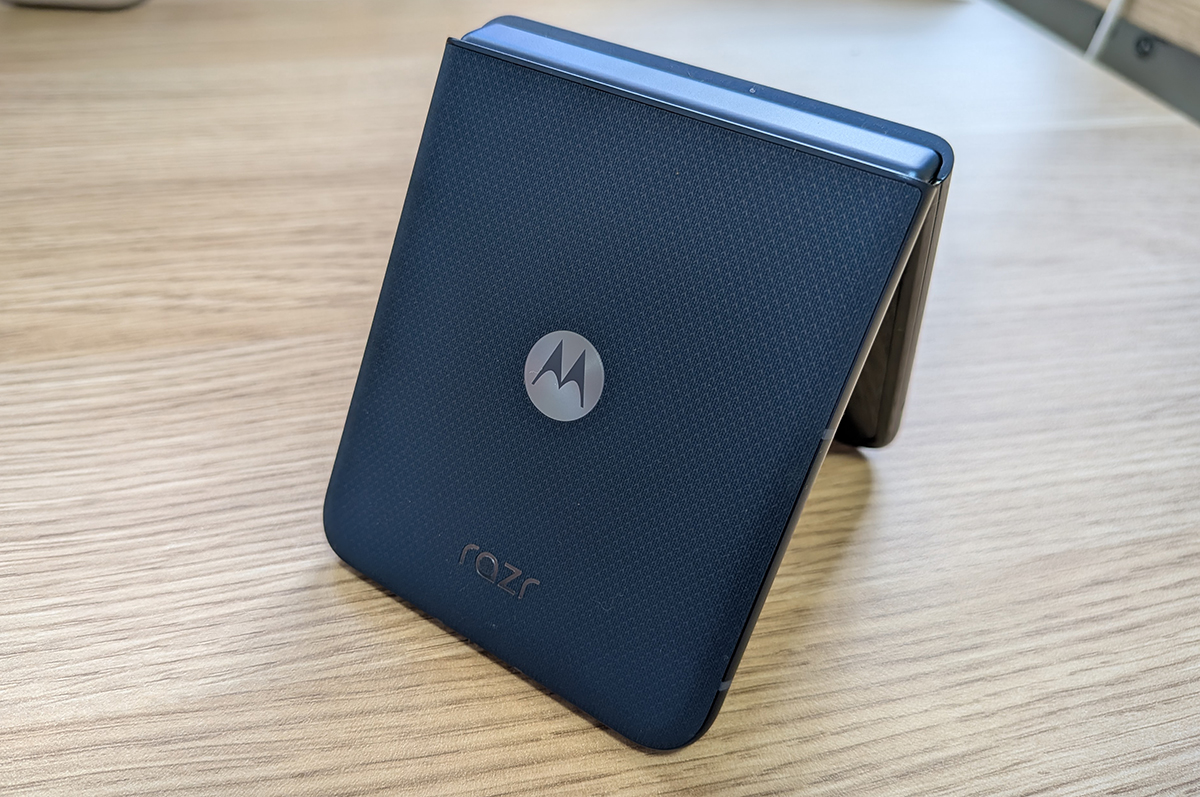
If you put a Razr 60 side-by-side with a Razr 50, I wouldn’t blame you if you couldn’t tell them apart. On the outside, almost everything, from the cameras to the dimensions of the phone itself, is identical. There’s finally some dust resistance, bringing the Razr 60’s ingress protection rating from IPX8 to IP48.
The materials are mostly the same, albeit with a stronger titanium hinge plate and new finishes. These are fine additions, but on the whole, nothing meaningful has really changed. The external display is identical. The internal display, too, maintains the noticeable crease and awkward 22:9 aspect ratio found on the Razr 50, but at least both screens are lovely, bright, and exceptionally smooth.
Granted, Motorola is far from the first tech brand to recycle designs year after year. My issue is that the Razr, from the OG to the modern, has always been about fun and innovation. Although still cute and compact, this year’s iteration just feels a bit stale.
Despite those lingering feelings of stagnation, the design of the Razr 60 still works. The external display is the biggest and most usable you’ll find on a sub-$1,200 foldable. It’s plenty large enough for following directions in Google Maps, taking a selfie, choosing your next song in Spotify and quickly checking emails or texts. Hell, I even managed a few (admittedly squinty) games of Marvel Snap, though that was more in response to the weird way the internal display’s looong aspect ratio cropped the game.

You may not like it, but this is what peak performance looks like.
Like the vast majority of its features, the Razr 60’s camera is unchanged from its predecessor. You’re stuck with the same 50MP wide lens, 13MP ultrawide lens, and 32MP hole-punch selfie camera. Fortunately, all three performed perfectly fine during the day, and being able to use the external display to take better-quality selfies came in clutch at the hen's party I attended during testing. Where it struggled, however, was in low-light conditions. Photos taken at night appeared noisy and out-of-focus, and one selfie I took on the train made me look… well, jaundiced.
Motorola Razr 60 camera samples
Check out these camera samples taken on the Motorola Razr 60. Click or tap on any photo to see a larger version.
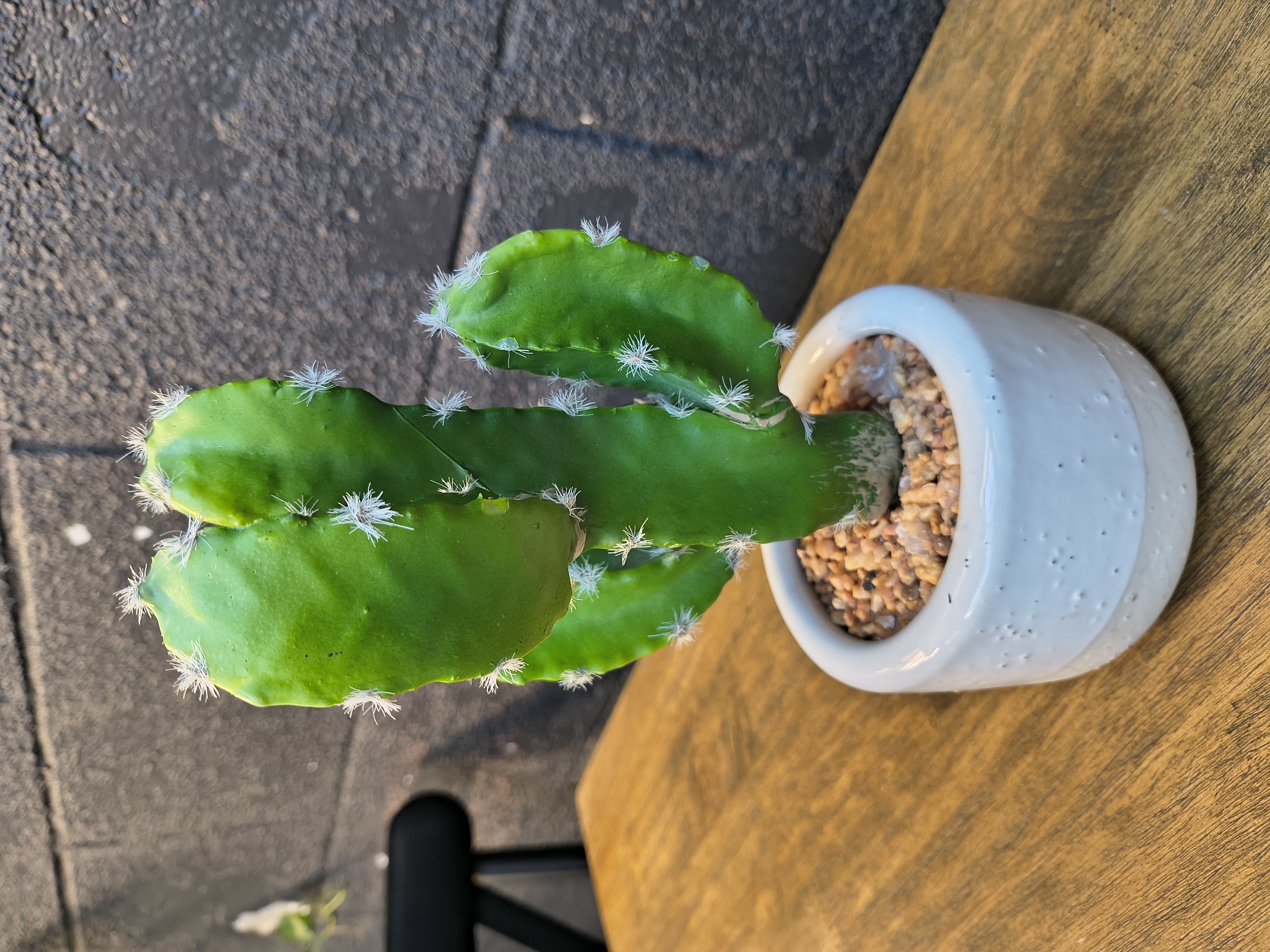


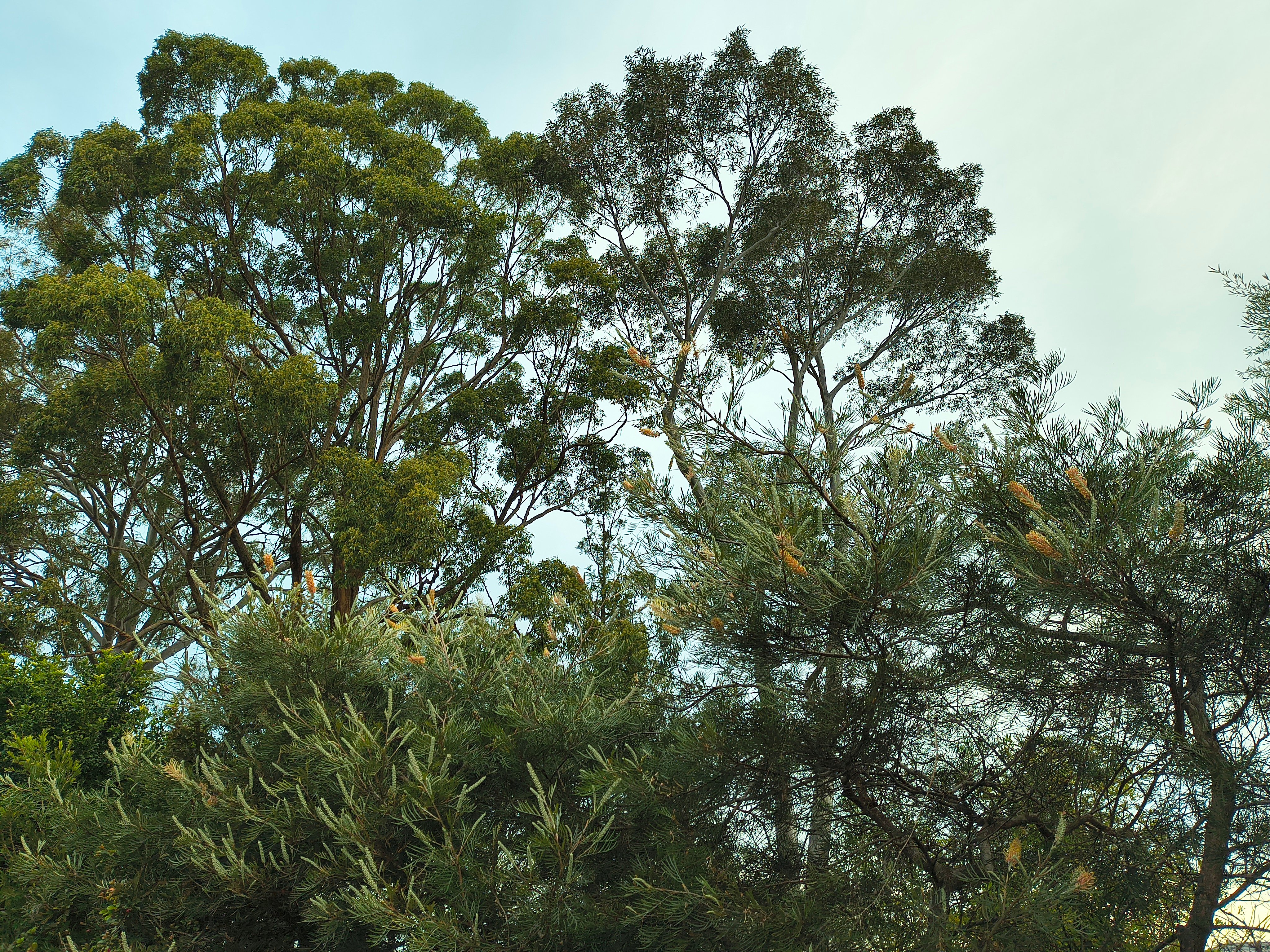




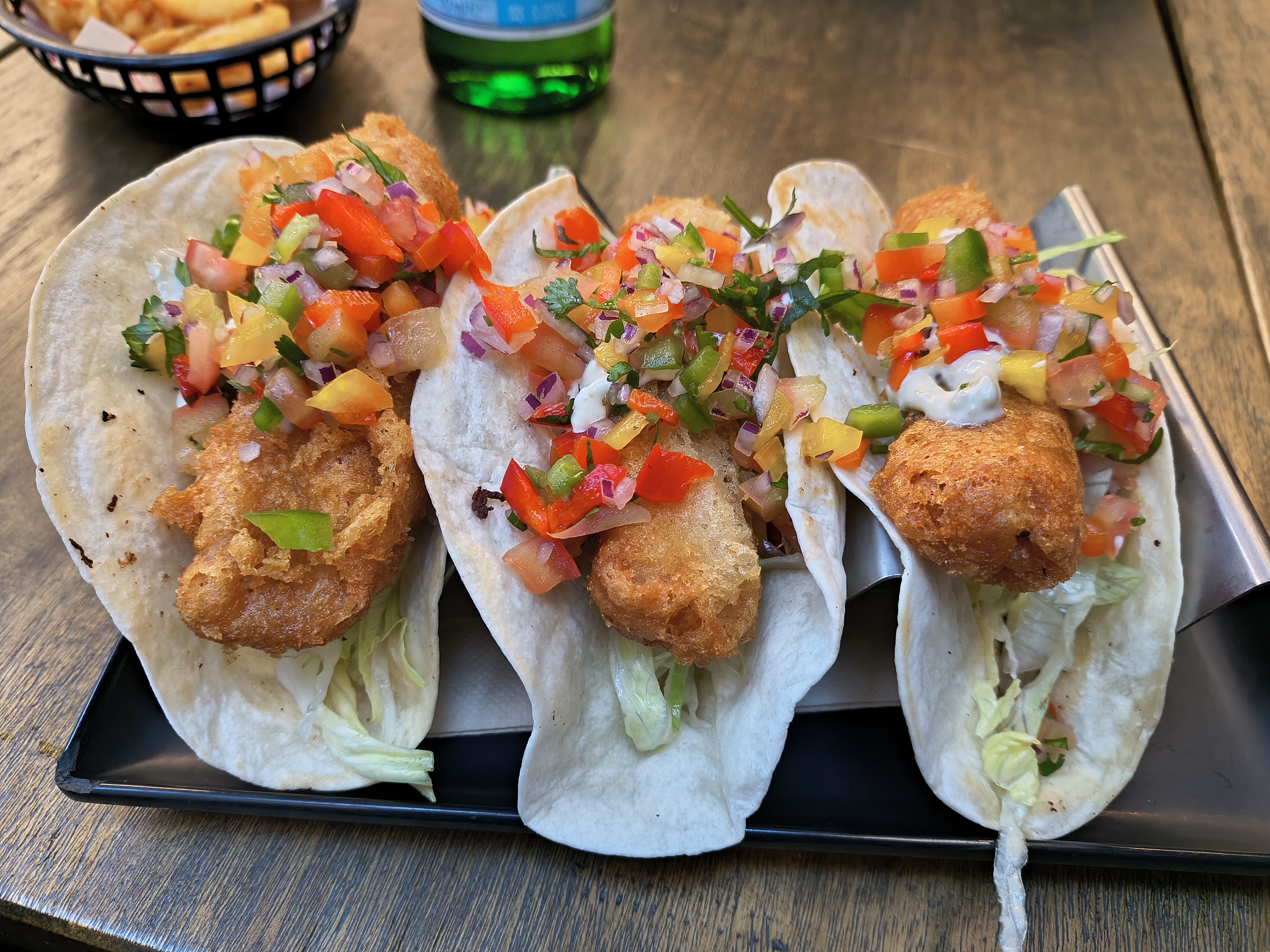

All dressed up and nowhere to go
Regardless of my issues with its copy-and-paste design, the Motorola Razr 60 still looks like a foldable in this price range should, if not better. The problem is, it doesn’t feel like one. The Mediatek Dimensity 7400X is simply the 2025 version of the chip found on last year’s Razr 50, the 7300X. For context, the Dimensity 7300X is similar to the chipsets found in the likes of the OPPO Reno 12 and the CMF Phone 2 Pro, phones which retailed at release for $799 and $449, respectively.
I get that sacrifices need to be made to keep a foldable phone under a certain price point, but sticking a budget-to-mid-range chip in a phone that sells for $1,199 is certainly a choice. As a result, the Razr 60 managed basic tasks just fine, but performance took a noticeable hit when playing mobile games and editing videos.
Performance isn’t the only mid-tier hallmark that’s snuck into the Razr 60. While competitors are promising up to seven years of software and security updates, Motorola has only committed to three years of software and four years of security updates, which these days feels like the bare minimum, especially at this price.
One of the few upgrades the Razr 60 did get, however, was a slightly bigger battery (4,500mAh vs 4,200mAh on the Razr 50). Although it’s not exactly a behemoth, it proved more than capable enough to carry me through a full day of light to moderate usage. It even kept me powered through an eight-hour tattoo appointment, which is no mean feat.
The 30W wired charging isn’t as fast as some of its competitors, but it’s quick enough that you can recharge it fully in less than an hour. It also supports 15W wireless charging, which is actually pretty decent and should get you fully charged in about two hours.
Motorola Razr 60 - Final Thoughts
At $1,199, the Motorola Razr 60 is one of the most affordable foldables you can get in Australia right now, but that lower price comes at a different cost. It is, essentially, a mid-range phone packed into a more premium carcass.
Don’t get me wrong, the Razr 60 has its merits. The external display is fantastic and surprisingly useful, the cameras are capable of taking some great shots, and, perhaps the best part of all, it actually fits in my tiny pockets. But those virtues aren’t quite enough for me to look beyond the disappointing performance, poor low-light photography, and middling software support.
Georgia Dixon
Managing Editor - Singapore

Related Articles


