

- Self-repairable
- Decent day-to-day performance
- Two years of operating system updates
- Bad cameras
- Underpowered compared to the competition
- No 5G
The HMD Pulse Pro is a decent budget phone, but you're effectively paying a premium so that you're able to fix it yourself. The fact you can just order parts to repair the Pulse Pro yourself is a great initiative and something I hope other manufacturers copy. This feature seems to have come at a cost, however. The Pulse Pro is sorely under-specced when compared to phones in the price bracket.
What we like about the HMD Pulse Pro

Repairability. The fact you can repair the HMD Pulse Pro yourself is undeniably a good thing. The phone is designed to be easy to repair at home, without the need for professional help. Replacement parts are available to order through iFixit, and come with the tools needed. A replacement screen costs $74.99, for example.
For comparison, it would cost around $120 to get a similarly priced Motorola or OPPO repaired by the manufacturer, in the event of a damaged screen.
I didn't try repairing the Pulse Pro myself, but my colleague Anula attempted the self-repair process on a previous HMD phone - the Nokia G42. The process was a bit finicky, but Anula had a fresh screen in the phone in around 40 minutes. Anula's take was "most people could do it", and HMD says the process is easier with the Pulse Pro.
Even if you don't feel confident in repairing a phone yourself, it's great that repair shops can easily order official replacement parts.
Solid software support. HMD says the Pulse Pro will get two major operating system upgrades and three years of security updates. That's pretty solid for a $299 phone. Many other devices in this price bracket may not even get a single operating system update.
Decent day-to-day performance for the money. The HMD Pulse Pro isn't going to win any awards for speed, but it's surprisingly reliable for day-to-day tasks. Despite being powered by a low-end chipset from 2021, web browsing, scrolling through socials, streaming, and the like are all reasonably smooth experiences. Apps can take a little bit longer to open than pricier phones, but run pretty well - which isn’t something that can be said for all cheap phones.
It's worth being aware of the Pulse Pro's limitations, however. Anything more demanding than the basics is going to be pretty laggy. Even a simple game like Marvel Snap runs pretty poorly at the lowest settings. Having apps updating in the background can also make the entire phone feel slower.
Battery life. Expect around five hours of screen time per charge from the HMD Pulse Pro. That's a full day of moderate usage, with a comfortable buffer at the end of the day. While my experiences fell short of the two-day battery life HMD promises, you shouldn't be left looking for a top-up as the day goes on.
What we dislike about the HMD Pulse Pro

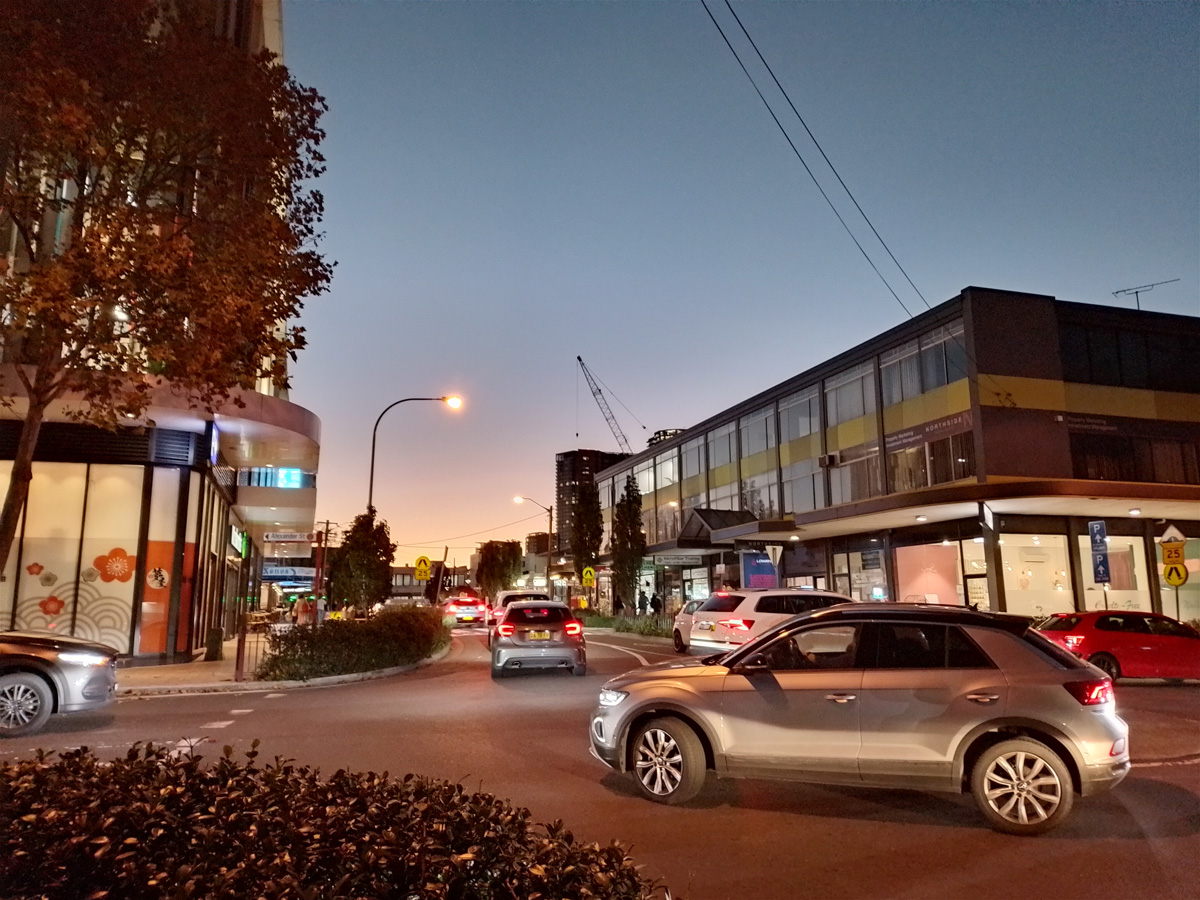
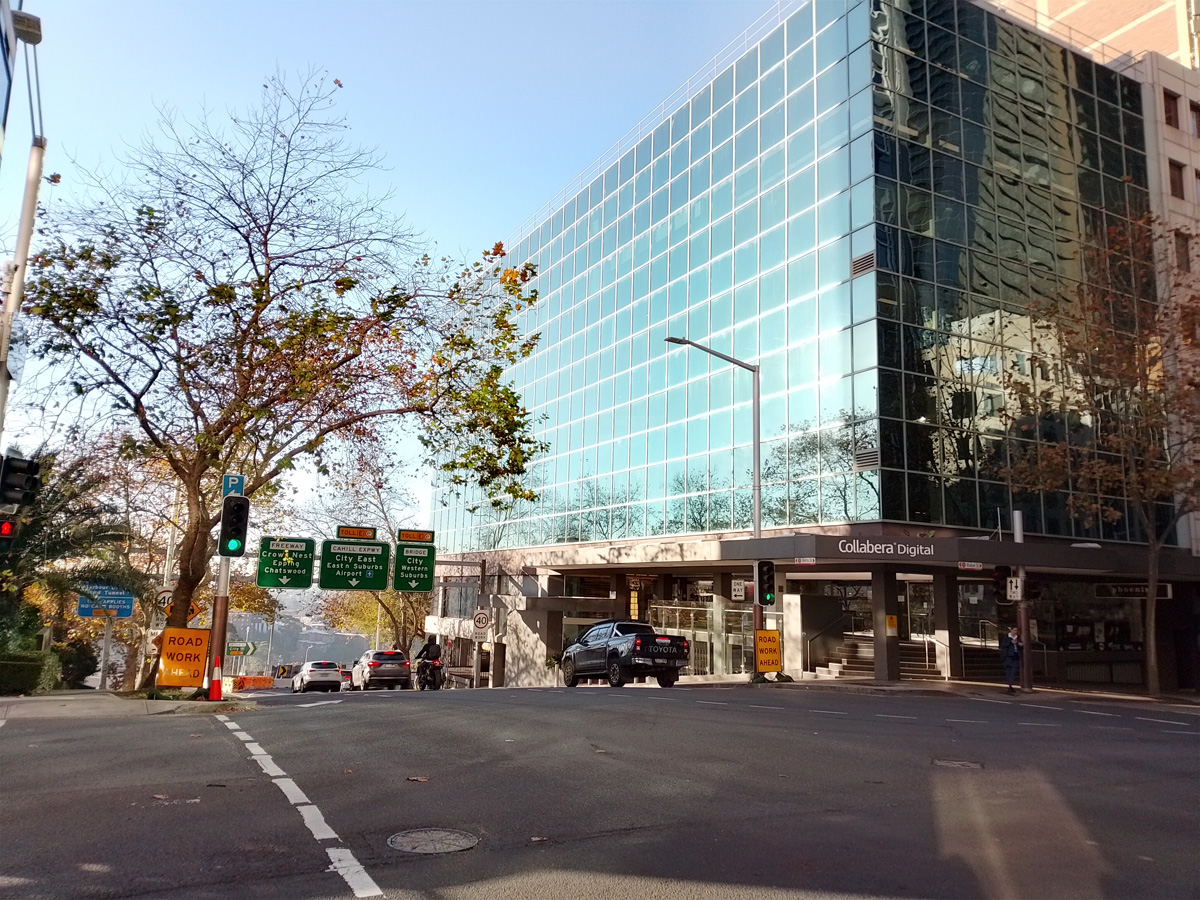
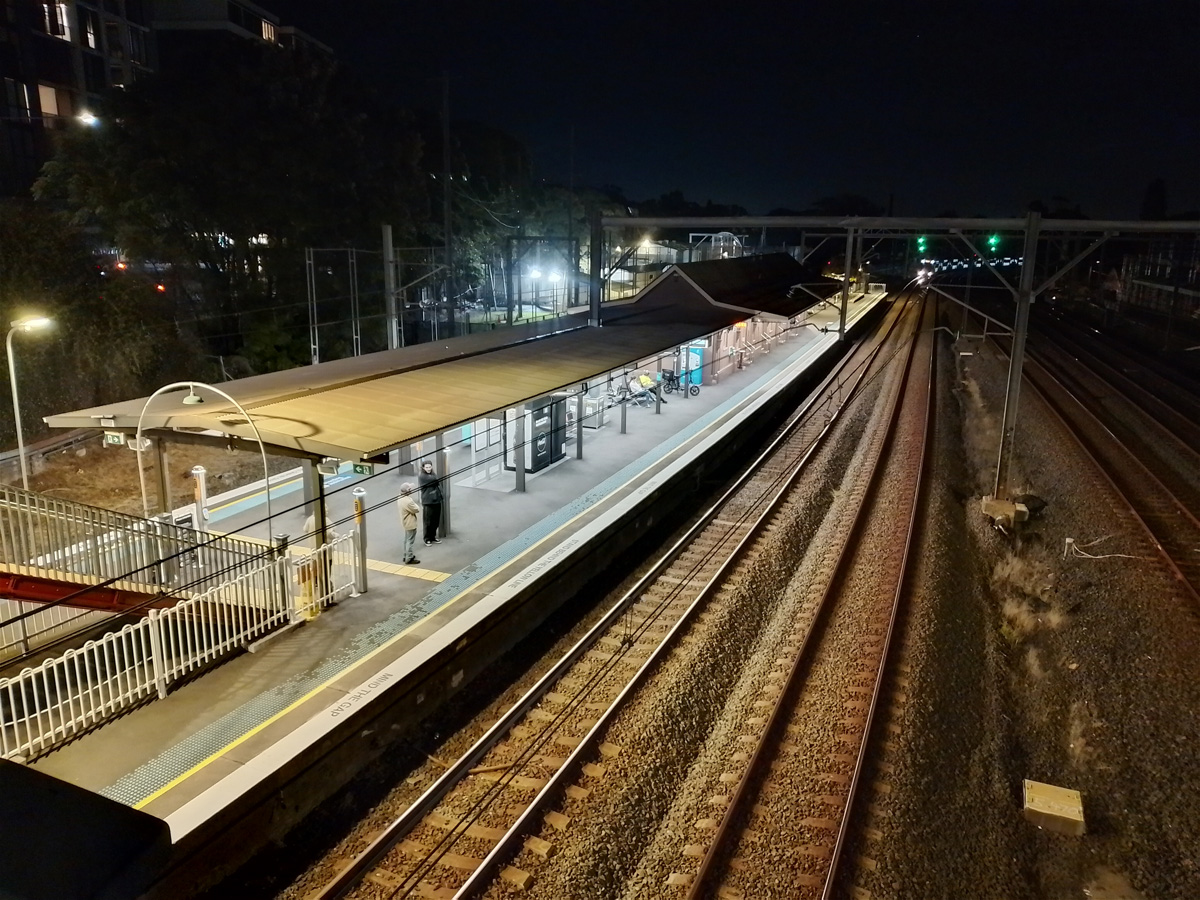
Poor camera. Photo quality is always the biggest compromise you make with a budget phone, but it's especially apparent on the Pulse Pro. Getting a photo with a moving subject is next to impossible, even in ideal lighting. I could simply not take a sharp photo of my dog, even when she was as still as a kelpie-cross-border collie can be.
Low-light photography is even more unreliable, with results varying from bad to awful. If you stabilise the Pulse Pro, you might be able to get a passable photo in dark environments. Otherwise, the results are not good. I scrolled back as far as my camera roll would go, and I was getting far better low-light photos on the iPhone 6 in 2014.
Taking a selfie is also a complete roll of the dice. Most of the time, I wound up with a photo with somewhere between a medium and a large amount of blur. So many were completely unusable.
HMD Pulse Pro camera samples
Check out these camera samples taken on the Pulse Pro. Click or tap on any photo to see a larger version.










Can get better specs for the same money. While the Pulse Pro is fine for the most part in terms of performance, it's very easy to get more bang for your buck. To start, it's missing 5G connectivity, which is all but standard on most $300ish phones now.
Similarly, the display is only 720p+, while you can easily buy a phone with a higher resolution 1080p+ display for the same money. The Moto G54 also sells for $299, and has a 1080p+ display, 5G, and a much newer chipset. It also gets three years of security updates, but only one major operating system update. You can't repair the Moto G54 yourself, but a screen repair should only cost you around $120, depending on the damage in question.
Alternatively, you could look at the OPPO 79 5G, which is now just $30 more than the Pulse Pro, retailing for $329. You get 5G, a higher resolution screen, and a faster processor. As with the Moto G54, the OPPO A79 5G gets one major operating system update and three years of security updates. A screen repair is in that similar $120 ballpark.
No matter which way you slice it, you can get a better value phone for the same price as the HMD Pulse Pro. You just won't be able to fix it yourself.
HMD Pulse Pro - Final Thoughts
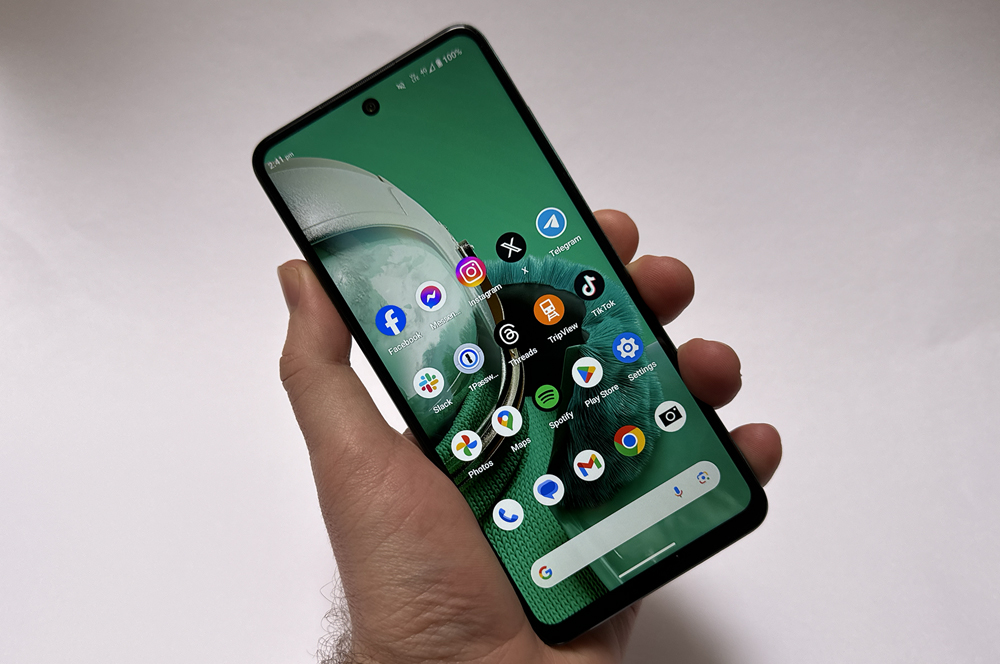
I like the HMD Pulse Pro more from a philosophical standpoint than a practical one. If I had a $300 or so budget and had to pick between the Pulse Pro, or a similarly priced phone with worse repairability and better specs - like the Moto G54 or OPPO A79 5G - I'd take the better specs every time.
HMD's commitment to self-repairability is great, but the Pulse Pro isn't. It's not a bad phone (well, other than the camera), but you can buy a phone that offers a better day-to-day experience for the same price. It doesn't make sense to buy an underpowered phone. While knowing your option for cheap DIY repairs might be enough to get the Pulse Pro over the line for some, prevention is better than cure. Buy a case.
As HMD's "hero" phone for launching itself as a brand, separate from the Nokia name, the Pulse Pro feels like starting on the wrong foot. Features like self-repairability are definitely pro-user, but skimping on specs is not. Hopefully HMD's next attempt will offer a bit more bang-for-buck.
These are the most popular SIM-only mobile plans with WhistleOut users this week:
|
#1
|
SpinTel

Editor's Pick
$23 Mobile Plan
$12.00/mth
Min. cost $12
|
|
#2
|
Boost Mobile

$39 Prepaid
$39.00
Per 28 Day Renewal
|
|
#3
|
Dodo

Editor's Pick
Medium Mobile Plan
$30.00/mth
Min. cost $15
|
|
#4
|
TPG

Editor's Pick
30GB Small Plan
$15.00
Per 1 Month Renewal
Link not supplied
|
|
#5
|
Tangerine Telecom

30GB 5G Mobile SIM
$30.00/mth
Min. cost $15
|
|
#6
|
Yomojo

Starter 29GB Plan
$24.90
Per 30 Day Renewal
Link not supplied
|
|
#7
|
Pivotel

25GB Mobile Swift Plan
$11.45/mth
Min. cost $11.45
|
|
#8
|
Swoop

30GB SIM Only 5G
$14.00/mth
Min. cost $14
|
|
#9
|
felix mobile

felix 25GB Mobile Plan
$30.00
Per 1 Month Renewal
|
|
#10
|
Vodafone

$58 Small SIM Only Plan
$45.00/mth
Min. cost $45
|

Alex Choros

Related Articles


