
 Prefer WhistleOut in Google
Carl Pei’s eye-catching take on tech has taken off in recent years, but it’s been disappointing to see that the asking price involved has followed a similar arc.
Where other manufacturers have set their sights on the mainstream, Nothing’s entire angle has always been about embracing the idea of a more boutique approach to brand power. If you can’t be better, it’s better to be different. However, as the years have passed, Nothing is beginning to look more like its competition.
The numbers don’t lie. If they’re not already ensconced within the Apple ecosystem, most mainstream consumers usually default to either Samsung or Motorola. Nothing can't compete with either in terms of marketing spend or brand loyalty, so the smarter bet has been to take aim at consumers who are already on the fence.
So far, this is all fairly textbook for challenger brands. Rather than pitch itself as the widest possible audience, Nothing has been laser focused on making the most compelling one to a very specific crowd: those already willing to do research before making their next big tech purchase.
If you’re already squinting to split the difference when it comes to the rest of the high-end Android crowd, chances are that Nothing’s LED-laden designs are going to stand out. When everything else in the market is so samey, a little bit of customisability can go a long way.
While the degree to which Nothing has successfully wooed tech enthusiasts over the past few years has been something of a surprise, the fact that it went with this playbook is anything but.
The company is simply too small and too young to be a serious threat to someone like Samsung. Consumers often overestimate Google’s success within the smartphone scene, but even the Pixel is a colossus when compared to Nothing and the market-share it currently commands.
Faced with that problem of scale, it’s only natural that the company opted to change the narrative to one that plays up quality over quantity. The strategy isn’t about shipping more smartphones so much as shipping them to the right consumers. It’s less about cementing itself as a household and more about being the go-to- brand of choice for tech trend-setters.
Doing what other manufacturers don’t is a good way to sum it up, but that shorthand is as much a tactic as anything else and Nothing’s tendency to take advantage of the agility that comes with being a smaller brand says more about the competition than it does about itself. Behemoths like Samsung and Apple plot out their production pipeline years in advance and operate at a scale that makes it much more difficult to do something as ambitious as a new design or a niche feature.
The average Nothing device might not ship anywhere near as many units, but that smaller scale and tighter cycle of product iteration makes it much easier for the brand to make more interesting design choices from one generation to the next. The Nothing Phone 2, Nothing Phone 3 and Nothing Phone 4a Pro all feature a version of the brand’s iconic glyph display but the specific implementation of that singular feature varies in a way that puts other manufacturers to shame.
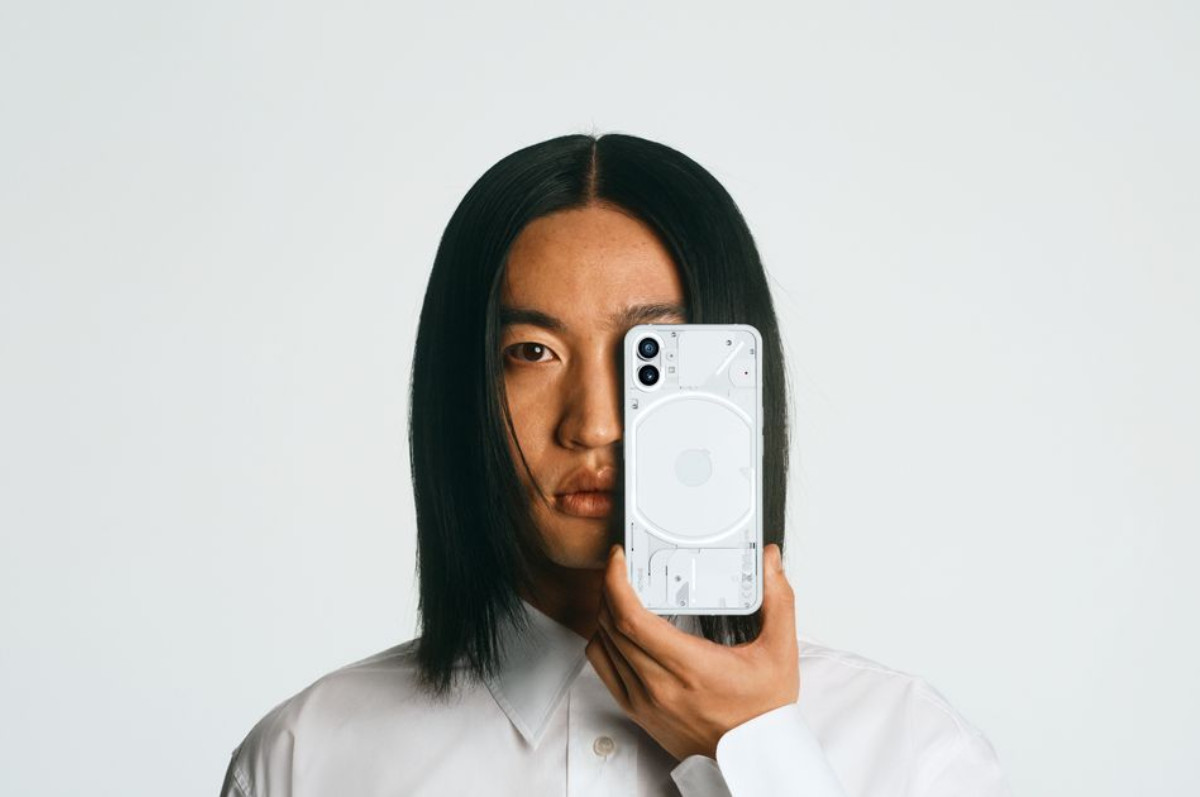
All this is to say is that Nothing’s biggest advantage is that it can iterate faster and in more meaningful ways than larger companies can. You only need to look at how far the company has come from 2020’s Phone 1 to this year’s Phone 4a Pro to see how fast things can change.
Of course, these looks are far from the only thing that’s shifted. The price has gone up fairly significantly too, and given the broader concerns around the components crisis that seems certain to continue in the years to come. Where the first generation Phone 1 came in at a price on par with that of the Google Pixel A, the next one seems likely to come in at somewhere close to double that sum.
Perhaps that’s not a huge shock though. For all that Nothing originally promised to position itself as a break from its CEO’s tenure as the head of OnePlus, it’s certainly not shying away from running the same playbook. Start cheap as a challenger brand, then jack up the prices once you’ve proven you’re the real deal.
Given this path ultimately led to increasingly expensive devices (and Pei himself spinning off to create Nothing), it’s easy to wonder if all this is heading for the same final destination and easier still to feel nostalgic for the version of Nothing that shipped the Phone 1.
I recently put together a thread compiling photos of my cat over the years, and I was actually struck not just by how many photos I had taken using the original Nothing Phone 1 – but how well they held up even years later. Nothing’s more recent efforts haven’t quite bridged the gap between it and heavy-hitters like the OPPO Find X9 Ultra or the Google Pixel 10 Pro XL. However, I suspect they’ll age more gracefully than the price-tags involved.
I don’t know if it’s too early to be nostalgic for a brand like Nothing, but I think I might be – and I suspect that feeling isn’t going to fade anytime soon. Although the company has said it doesn't plan to release a new flagship in 2026, it seems increasingly likely that the Nothing Phone 4 will be the brand's most expensive device to date.
The higher that asking price goes though, the further that Nothing feels from the things that made it such a fresh alternative to the likes of Apple and Samsung. I'm sure that more affordable options like the Phone 4a and the CMF line will stick around, but it feels like Nothing's mainline devices are fast speeding towards a disappointingly familiar final destination.
Fergus Halliday
Digital Content Editor

Related Articles


