
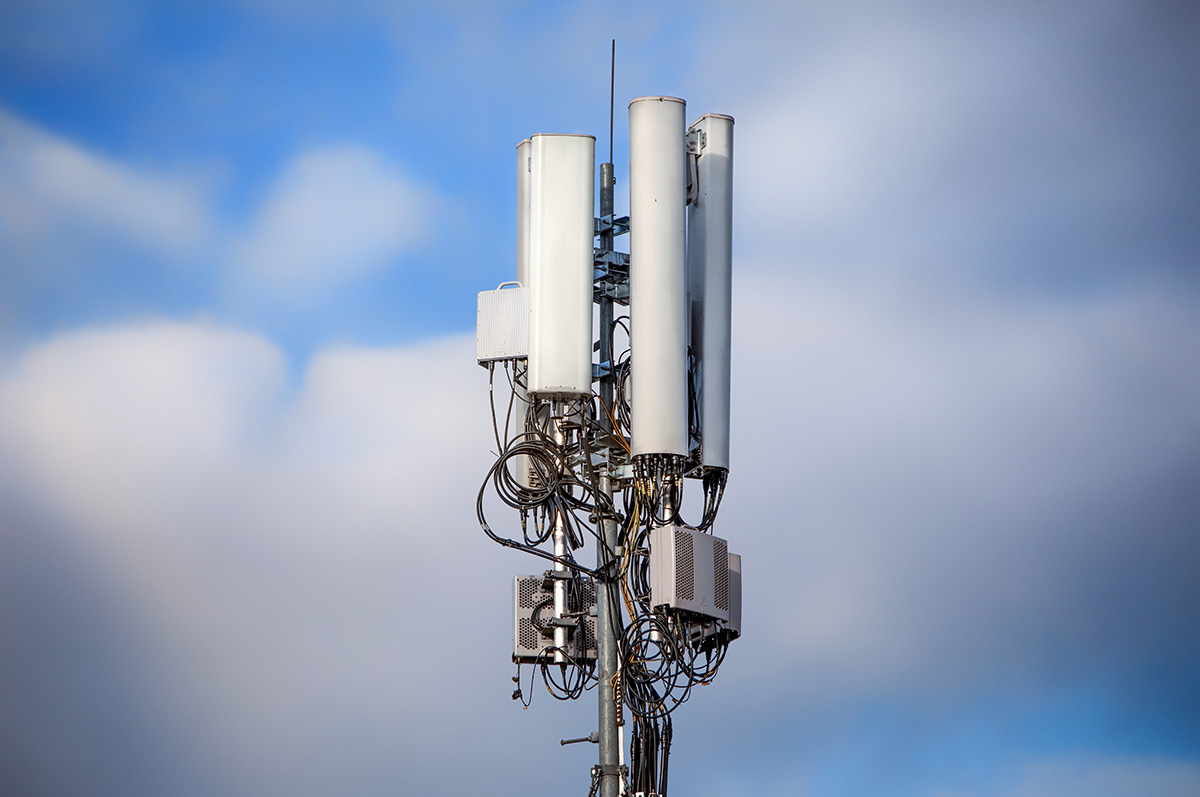
There’s no correlation between head cancer and the use of mobile phones, according to a recent joint announcement between the World Health Organisation (WHO) and the Australian Radiation Protection and Nuclear Safety Agency (ARPANSA). The review also found no association between exposure from broadcasting antennas and base stations with childhood leukimia or paediatric brain tumours.
The review, which was commissioned by WHO and led by ARPANSA’s Associate Professor Ken Karipidis, assessed 63 studies with the participants spanning 22 countries. These 63 studies were picked after identifying 5,102 scientific articles from between the years of 1994 and 2022, and discounting many that didn’t meet the review’s inclusion criteria.
But the authors were quick to point out a common factor in assessing these risks, which is a lack of laboratory conditions. Everyone lives life differently, so it’s difficult to conduct research when there are so many uncontrolled variables with regards to exposure and other factors.
The negative results are an effective downgrade from the “possibly carcinogenic” result of a review in 2011 by the International Agency for Research on Cancer (IARC), which Karipidis states had access to less data than this latest review.
“This systematic review of human observational studies is based on a much larger dataset compared to that examined by the IARC, that also includes more recent and more comprehensive studies, so we can be more confident that exposure to radio waves from wireless technology is not a human health hazard,” said Karipidis.
The previous categorisation put radio waves in “Group 2B”, which famously includes such everyday items as “Pickled vegetables (traditional Asian)”, aloe vera extract and, more recently, the globally common artificial sweetener, Aspartame, among other things.
WHO is currently preparing an Environmental Health Criterion Monograph on the subject, which is a publication for the benefit of those responsible for creating and enforcing safety standards and regulations.
Once published, it could also spell the beginning of the end for smartphone anti-radiation accessories. Such useless products include radiation-blocking phone cases (which do little but block your mobile coverage), plug-in handsets for your mobile phone, mesh covers for your WiFi router (if you’re getting WiFi, you’re getting radio waves), ‘EMF-shielding’ headwear (literally all light is EMF), and anti-radiation blankets, among other things.
These are the most popular mobile phone plans on our website right now with at least 15GB of data, sourced from our database of 28 mobile providers:
|
#1
|
SpinTel

Editor's Pick
$23 Mobile Plan
$12.00/mth
Min. cost $12
|
|
#2
|
Boost Mobile

$39 Prepaid
$39.00
Per 28 Day Renewal
|
|
#3
|
Dodo

Editor's Pick
Medium Mobile Plan
$30.00/mth
Min. cost $15
|
|
#4
|
TPG

Editor's Pick
30GB Small Plan
$15.00
Per 1 Month Renewal
Link not supplied
|
|
#5
|
Tangerine Telecom

30GB 5G Mobile SIM
$30.00/mth
Min. cost $15
|
|
#6
|
Yomojo

Starter 29GB Plan
$24.90
Per 30 Day Renewal
Link not supplied
|
|
#7
|
Pivotel

25GB Mobile Swift Plan
$11.45/mth
Min. cost $11.45
|
|
#8
|
TPG
100GB Large Plan
$22.50
Per 1 Month Renewal
Link not supplied
|
|
#9
|
Swoop

30GB SIM Only 5G
$14.00/mth
Min. cost $14
|
|
#10
|
Dodo
Large Mobile Plan
$40.00/mth
Min. cost $20
|

Alex Angove-Plumb
Digital Content Editor

Related Articles


