
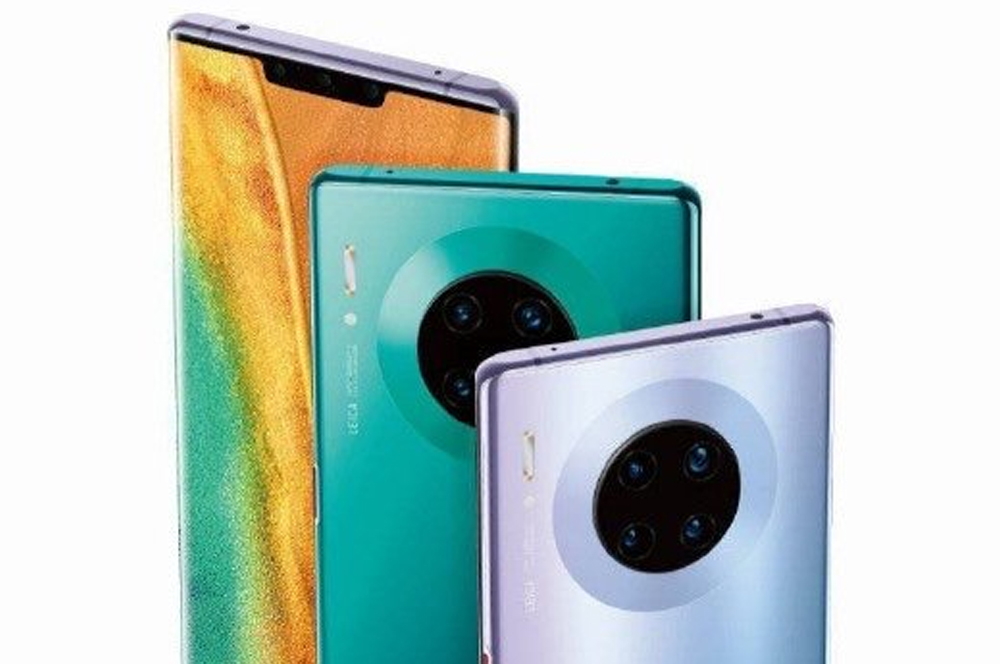
Huawei's next flagship phones, the Mate 30 and Mate 30 Pro, won't be able to launch with Google's apps and services according to a report published by Reuters. If this is the case, the Mate 30 device won't ship with the Play Store, Google Maps, YouTube, Gmail, and more.
A Google-less Mate 30 would be the direct result of US government executive order that prevents American companies working with business deemed a "national security risk". Huawei was added to the entity list back in May, which caused Google to suspend its relationship with Huawei. This effectively cut Huawei from Android.
The US government has now provided two 90-day extensions, which allow US companies to continue working with Huawei. Under these reprieves, which last until November 19, Google is allowed to continue working with Huawei to support existing devices. While there was a possibility that Huawei obtained an Android license for the Mate 30 before the ban went into effect, comments provided to Reuters by a Google spokesperson make this seem less likely.
US companies can seek a license to be exempted from the trade ban, but according to Reuters, Google would not confirm as to whether it had applied for one. Earlier in the week, the publication reported that the US Commerce Department had received over 130 companies for licenses, but so far, none have been granted.
The Huawei Mate 30 is still able to run Android, however. Android is an open source operating system, the base version - Android Open Source Project, or AOSP - is free for anyone to use. AOSP, however, doesn’t include Google's apps or services.
These include the Google Play Store, Google Maps, YouTube, Gmail, and more. In order to ship a phone with Google apps, a manufacturer needs to license these from Google, which Huawei is no longer able to do due to the trade ban.
While many of us rely on Google apps and services, access to the Google Play Store would be the biggest blow to Huawei. Cutting off Huawei from the Play Store would essentially mean Mate 30 users have no easy way to install apps.
Huawei has its own app store, but under the trade ban, it may be difficult for US companies - such as Facebook, Netflix, and Microsoft, for example - to distribute their apps through it.
It is of course possible to sideload Android apps and services, but this adds a lot of friction to the process. It also means apps have to be updated manually.
We've reached out to Huawei Australia for comment.
Existing Huawei handset devices already in consumer hands and on shelves - such as the P30 Pro - will continue to run Google apps and services. You can read more about the Huawei Android ban here.
Alex Choros

Related Articles


