
 Prefer WhistleOut in Google
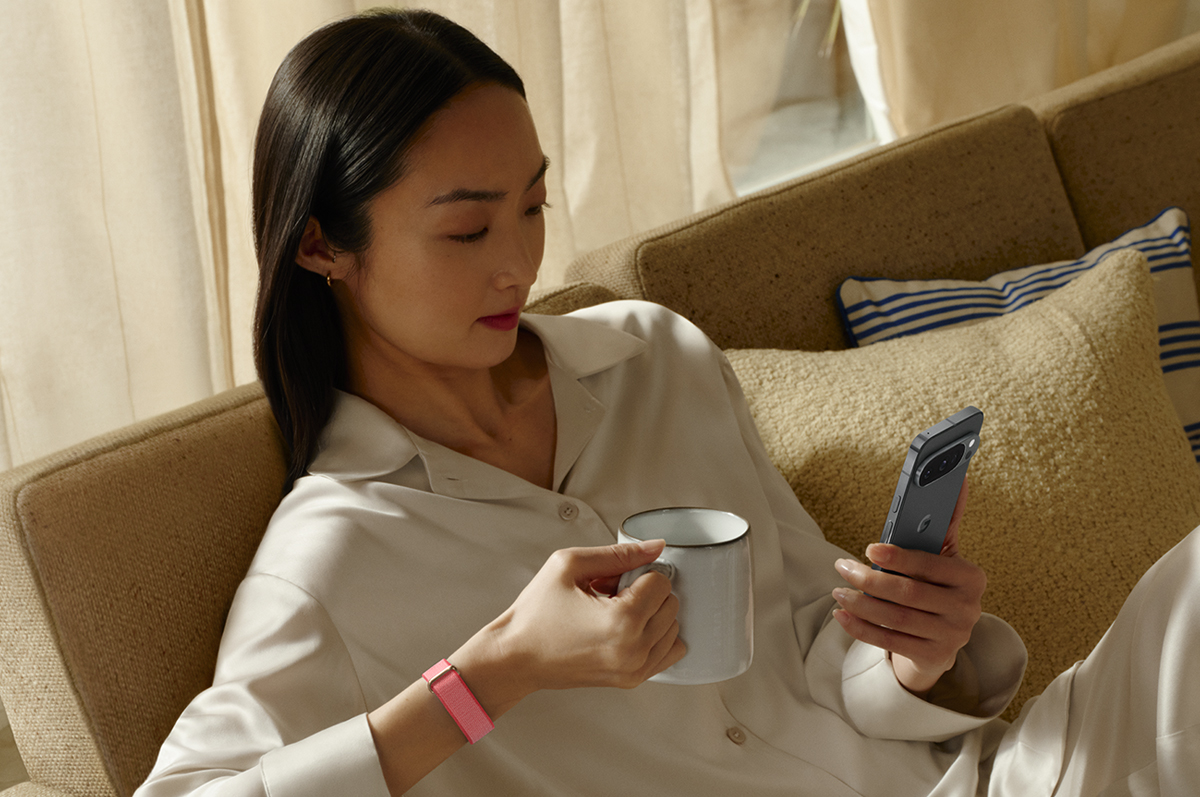
Google, which acquired Fitbit in 2021, has launched its first dedicated fitness tracker in three or so years. Dubbed the Fitbit Air, the tracker could be called a back-to-basics wearable. It eschews a screen and notification support for core fitness tracking functionality.
The Fitbit Air has the core sensors one might expect: a heart rate monitor, an accelerometer, a gyroscope, infrared sensors for oxygen saturation monitoring, and a temperature sensor. With these, it logs information like step count, cardio load, heart rate, and sleep. The Fitbit Air can auto-detect select workouts such as running, cycling, and elliptical sessions, but others need to be started from the companion app.
Google says the Fitbit Air battery will last up to seven days per charge, and that a five-minute top-up will give it a full day of use. A full recharge from flat to full takes around 90 minutes.
Alongside the Fitbit Air, Google has launched a revamped Google Health app that replaces the Fitbit app. Premium subscribers get access to Google Health Coach, which can create AI-powered fitness plans. The app is available for both Android and iPhone.
The Fitbit Air is available to pre-order now, ahead of a May 27 release date, priced at $199. It includes free three months of Google Health premium, which is normally billed at $14.99 per month or $149.99 per year. It is also included in Google AI Pro and Ultra tiers for those already paying for those subscriptions.
The Fitbit Air comes in four colour options: obsidian, lavender, berry, and fog. Additional bands start at $59.
Alex Choros

Related Articles


