
Premium and mid-tier devices have all seen price increases this year due to the rising cost of components like memory and storage, but the cheapest phones on the market will be disproportionately impacted, according to one manufacturer.
Charlie Brown, the founder of G-Mee - an Australian brand making phones and smart devices aimed towards children - told WhistleOut that the price his company pays for memory and storage has skyrocketed over the last few months. While G-Mee used to pay just under $11 for 3GB of DDR3 RAM and 32GB of storage, that cost has risen to over $23 at current exchange rates.
“[Prices] have more than doubled,” said Brown, “and there’s no guarantee that that’s the ceiling.”
Brown says the demand for memory and storage means manufacturers like G-Mee now need to lock in their component purchases much further ahead of time. While G-Mee could make component orders quarter-to-quarter, Brown said G-Mee has already had to consider its RAM needs for quarter four.
“You’ve got a hit to your cash flow,” said Brown. “You have to leave a deposit, and that could be 30%, or it could be higher. It could be all the way up to pre-purchasing all the memory needs.”
This means the cost of making a device can’t just go up by the increased component cost; the increase also needs to cover the cost of future component purchases. Based on this, Brown said manufacturers charging $99 for a phone in October last year would now need to charge $150.
“That’s a 50% increase,” said Brown. “Customers are not going to buy a phone that was selling for $99 in October [last year] that’s selling for $149 this year, and is much the same thing.”
Brown said these changes mean the devices G-Mee is currently selling for $179 would cost over $250. A 40% increase. For comparison, the Galaxy S26's price hike represented a 14.3% increase, while the Galaxy S26 Ultra's was a 2.38% increase.
While a $50 to $80 increase might not seem like much, Brown noted it’s the kind of change that can meaningfully impact people buying budget devices.
“It’s $50 more, or it’s $80 more, it’s not that bad?” said Brown. “Well, if you don’t have $50 or $80, it is.”
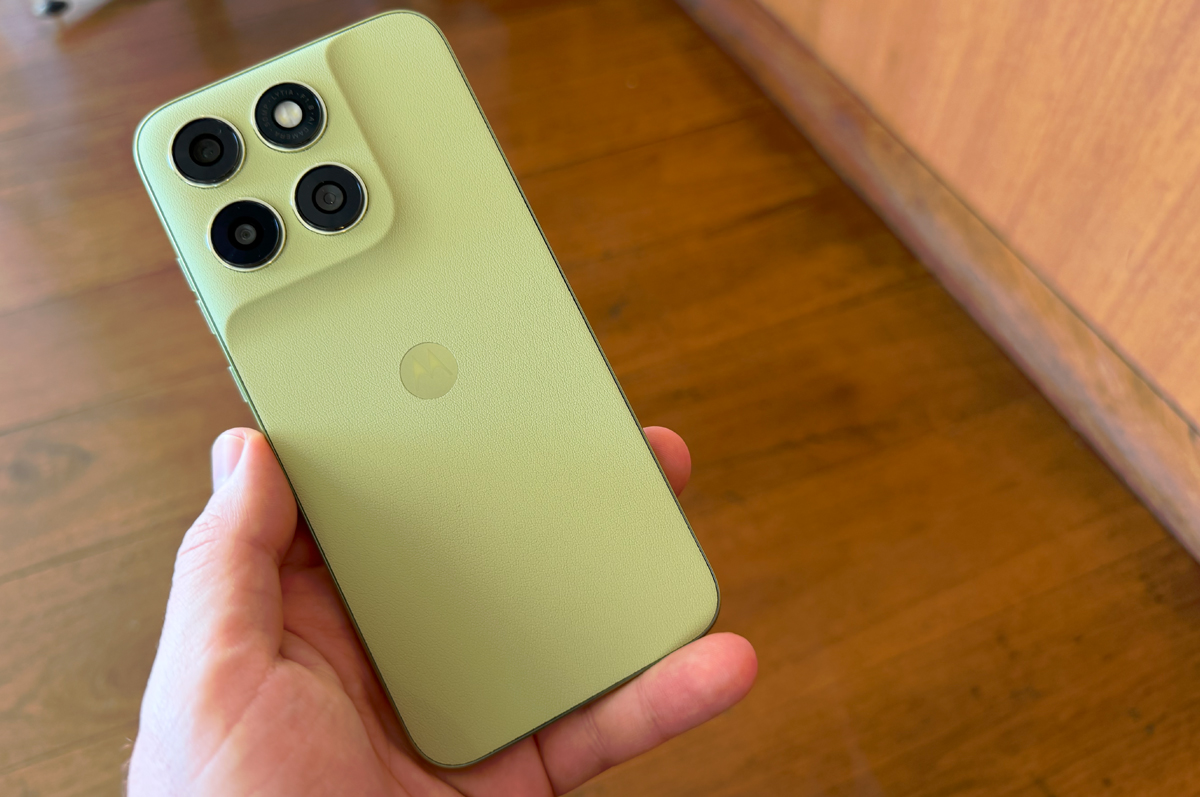
The Head of Motorola Australia, Praveena Raman, told WhistleOut she also expects to see component pricing hurt budget devices more.
“What happens to [phones] under $300? Under $400? What happens to 4G? Because those are the devices that will be under pressure,” said Raman. “How long can you hold on to the price points you’ve got? My expectation is super premium [devices] would be more resilient to some of these changes.”
Raman says that Motorola will do its best to maintain its current pricing, but acknowledged prices may have to go up. Even so, she says Motorola still wants to “hold on to the competitive position” it has today.
Samsung and OPPO are two of the few manufacturers that have already launched cheaper phones in the market this year. Samsung’s Galaxy A37 went up by $50 compared to last year’s model, while OPPO’s A-series devices went up between $10 and $100.
Samsung Australia's Head of Product for Smartphone, Nathan Rigger, pointed to the component crisis when asked about this year's A-series price hikes.
"There are pressures from memory, storage, and semiconductor costs that have meant we’ve had to make tough decisions around price," said Rigger. "There was a decision we had to make whether to despec the device or continue to improve the experience for our users."
Meanwhile, OPPO Australia Managing Director Michael Tran told WhistleOut the company’s “focus was on making deliberate choices about where we add value” with its A-series, pointing to bundled extras like cases and screen protectors.
On top of rising component costs, the war in Iran presents another supply chain risk for phone manufacturers. Increased oil prices lead to increased shipping costs at all points, but for the time being, these may not end up hitting customers.
G-Mee’s Brown told WhistleOut that G-Mee ships devices to Australia by boat, so it shouldn’t be too impacted.
Samsung’s Rigger said he doesn't envisage the rising cost of oil (and as such shipping) causing any further short-term price increases to the company’s devices.
"We will try to absorb any other increases to supply chain costs," said Rigger. “When we launch a product, we try and ensure the price stays the same while in market, but if it becomes exponential, we may have to reevaluate.”
OPPO’s Tran didn’t flag any immediate price increases because of the cost of oil, but did note there could still be impacts.
“It’s still a developing situation and something the whole industry is watching closely,” said Tran. “Oil and shipping costs influence parts of the supply chain, but they’re one of several variables, alongside component demand and broader economic conditions. These kinds of disruptions can have a flow-on effect, but it really depends on duration and scale.”
While oil costs may not be flowing on to phones yet, some predictions estimate that memory pricing could stay high until well into 2027. When coupled with pre-existing issues like new tariffs, it has been one crisis after another for phone manufacturers, and as tends to be the case, those doing tough will feel it the most.
Did you like this article? Good! Why not make us a preferred source in Google? Click below, tick the box, and WhistleOut stories will show up more often when you search for related content.
Alex Choros

Related Articles


