iPhone 17 Pro Max 256GB Prices On Telstra Plans
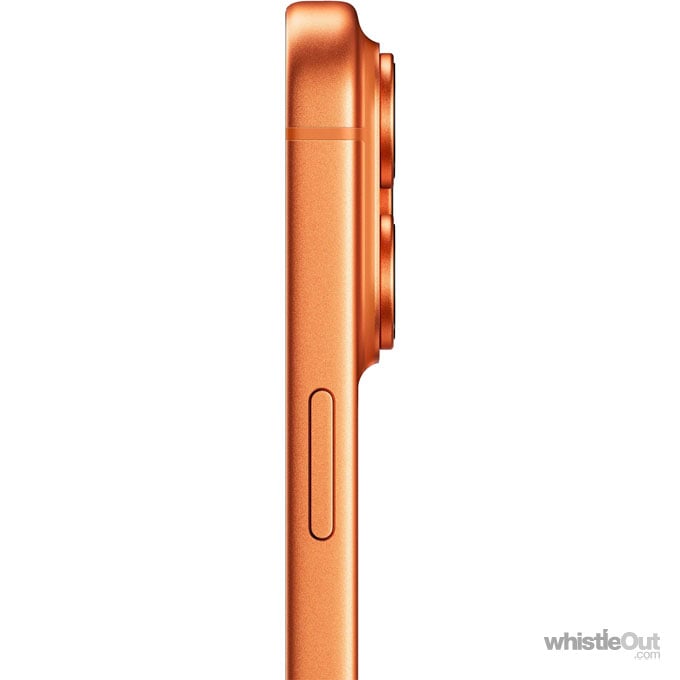
Features
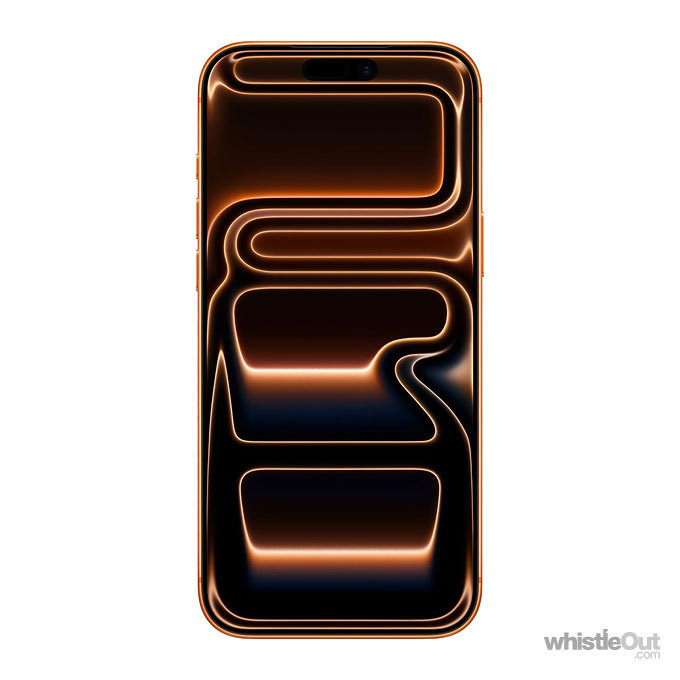
- 6.9 inch display
- Rear Cameras: 48MP, 48MP, 48MP
- Front Camera: 18MP
- Apple iOS 26
- 5G Capable
- 256GB int. memory (useable capacity will be less)
- Water and Dust Resistance IP68 (maximum depth of 6 metres for up to 30 minutes)
- Released in September 2025
- View full specs
Average Score
80/100
The iPhone 17 Pro and iPhone 17 Pro Max aren't as intriguing as the iPhone Air or as good value as the standard iPhone 1...
WhistleOut
Read our full review
Compare Telstra Plans for the iPhone 17 Pro Max 256GB
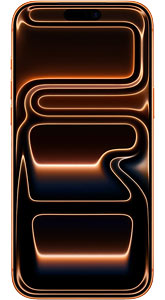 iPhone 17 Pro Max 256GB




$84 Essential Upfront Mobile Plan
- Telstra 5G Network in selected areas with 5G devices
- Uncapped 5G speeds. eSIM available
- No excess data charges in Australia
- Pay by AutoPay + Data Sharing for up to 10 eligible services
- Deal: Get $10 off for first 12 months on new Upfront Essential Mobile Plan. New services only. Ends 05.10.26
(1mth plan cost + 36mth device repayments)
$74 Basic Upfront Mobile Plan
- Telstra 5G Network in selected areas with 5G devices
- Uncapped 5G speeds. eSIM available
- No excess data charges in Australia
- Pay by AutoPay + Data Sharing for up to 10 eligible services
(1mth plan cost + 36mth Device repayments)
$99 Premium Upfront Mobile Plan
- Telstra 5G Network in selected areas with 5G devices
- Uncapped 5G speeds. eSIM available
- No excess data charges in Australia
- Pay by AutoPay + Data Sharing for up to 10 eligible services
- Deal: Get $15 off for first 12 months on new Upfront Premium Mobile Plan. New services only. Ends 05.10.26
(1mth plan cost + 36mth device repayments)
$84 Essential Upfront Mobile Plan
- Telstra 5G Network in selected areas with 5G devices
- Uncapped 5G speeds. eSIM available
- No excess data charges in Australia
- Pay by AutoPay + Data Sharing for up to 10 eligible services
- Deal: Get $10 off for first 12 months on new Upfront Essential Mobile Plan. New services only. Ends 05.10.26
(1mth plan cost + 24mth device repayments)
$74 Basic Upfront Mobile Plan
- Telstra 5G Network in selected areas with 5G devices
- Uncapped 5G speeds. eSIM available
- No excess data charges in Australia
- Pay by AutoPay + Data Sharing for up to 10 eligible services
(1mth plan cost + 24mth Device repayments)
$99 Premium Upfront Mobile Plan
- Telstra 5G Network in selected areas with 5G devices
- Uncapped 5G speeds. eSIM available
- No excess data charges in Australia
- Pay by AutoPay + Data Sharing for up to 10 eligible services
- Deal: Get $15 off for first 12 months on new Upfront Premium Mobile Plan. New services only. Ends 05.10.26
(1mth plan cost + 24mth device repayments)
$84 Essential Upfront Mobile Plan
- Telstra 5G Network in selected areas with 5G devices
- Uncapped 5G speeds. eSIM available
- No excess data charges in Australia
- Pay by AutoPay + Data Sharing for up to 10 eligible services
- Deal: Get $10 off for first 12 months on new Upfront Essential Mobile Plan. New services only. Ends 05.10.26
(1mth plan cost + 36mth device repayments)
$74 Basic Upfront Mobile Plan
- Telstra 5G Network in selected areas with 5G devices
- Uncapped 5G speeds. eSIM available
- No excess data charges in Australia
- Pay by AutoPay + Data Sharing for up to 10 eligible services
(1mth plan cost + 36mth Device repayments)
$99 Premium Upfront Mobile Plan
- Telstra 5G Network in selected areas with 5G devices
- Uncapped 5G speeds. eSIM available
- No excess data charges in Australia
- Pay by AutoPay + Data Sharing for up to 10 eligible services
- Deal: Get $15 off for first 12 months on new Upfront Premium Mobile Plan. New services only. Ends 05.10.26
(1mth plan cost + 36mth device repayments)
$84 Essential Upfront Mobile Plan
- Telstra 5G Network in selected areas with 5G devices
- Uncapped 5G speeds. eSIM available
- No excess data charges in Australia
- Pay by AutoPay + Data Sharing for up to 10 eligible services
- Deal: Get $10 off for first 12 months on new Upfront Essential Mobile Plan. New services only. Ends 05.10.26
(1mth plan cost + 24mth device repayments)
$74 Basic Upfront Mobile Plan
- Telstra 5G Network in selected areas with 5G devices
- Uncapped 5G speeds. eSIM available
- No excess data charges in Australia
- Pay by AutoPay + Data Sharing for up to 10 eligible services
(1mth plan cost + 24mth Device repayments)
$99 Premium Upfront Mobile Plan
- Telstra 5G Network in selected areas with 5G devices
- Uncapped 5G speeds. eSIM available
- No excess data charges in Australia
- Pay by AutoPay + Data Sharing for up to 10 eligible services
- Deal: Get $15 off for first 12 months on new Upfront Premium Mobile Plan. New services only. Ends 05.10.26
(1mth plan cost + 24mth device repayments)
$84 Essential Upfront Mobile Plan
- Telstra 5G Network in selected areas with 5G devices
- Uncapped 5G speeds. eSIM available
- No excess data charges in Australia
- Pay by AutoPay + Data Sharing for up to 10 eligible services
- Deal: Get $10 off for first 12 months on new Upfront Essential Mobile Plan. New services only. Ends 05.10.26
(1mth plan cost + 36mth device repayments)
$74 Basic Upfront Mobile Plan
- Telstra 5G Network in selected areas with 5G devices
- Uncapped 5G speeds. eSIM available
- No excess data charges in Australia
- Pay by AutoPay + Data Sharing for up to 10 eligible services
(1mth plan cost + 36mth Device repayments)
$99 Premium Upfront Mobile Plan
- Telstra 5G Network in selected areas with 5G devices
- Uncapped 5G speeds. eSIM available
- No excess data charges in Australia
- Pay by AutoPay + Data Sharing for up to 10 eligible services
- Deal: Get $15 off for first 12 months on new Upfront Premium Mobile Plan. New services only. Ends 05.10.26
(1mth plan cost + 36mth device repayments)
$84 Essential Upfront Mobile Plan
- Telstra 5G Network in selected areas with 5G devices
- Uncapped 5G speeds. eSIM available
- No excess data charges in Australia
- Pay by AutoPay + Data Sharing for up to 10 eligible services
- Deal: Get $10 off for first 12 months on new Upfront Essential Mobile Plan. New services only. Ends 05.10.26
(1mth plan cost + 24mth device repayments)
$74 Basic Upfront Mobile Plan
- Telstra 5G Network in selected areas with 5G devices
- Uncapped 5G speeds. eSIM available
- No excess data charges in Australia
- Pay by AutoPay + Data Sharing for up to 10 eligible services
(1mth plan cost + 24mth Device repayments)
$99 Premium Upfront Mobile Plan
- Telstra 5G Network in selected areas with 5G devices
- Uncapped 5G speeds. eSIM available
- No excess data charges in Australia
- Pay by AutoPay + Data Sharing for up to 10 eligible services
- Deal: Get $15 off for first 12 months on new Upfront Premium Mobile Plan. New services only. Ends 05.10.26
(1mth plan cost + 24mth device repayments)
$84 Essential Upfront Mobile Plan
- Telstra 5G Network in selected areas with 5G devices
- Uncapped 5G speeds. eSIM available
- No excess data charges in Australia
- Pay by AutoPay + Data Sharing for up to 10 eligible services
- Deal: Get $10 off for first 12 months on new Upfront Essential Mobile Plan. New services only. Ends 05.10.26
(1mth plan cost + 36mth device repayments)
$74 Basic Upfront Mobile Plan
- Telstra 5G Network in selected areas with 5G devices
- Uncapped 5G speeds. eSIM available
- No excess data charges in Australia
- Pay by AutoPay + Data Sharing for up to 10 eligible services
(1mth plan cost + 36mth Device repayments)
$99 Premium Upfront Mobile Plan
- Telstra 5G Network in selected areas with 5G devices
- Uncapped 5G speeds. eSIM available
- No excess data charges in Australia
- Pay by AutoPay + Data Sharing for up to 10 eligible services
- Deal: Get $15 off for first 12 months on new Upfront Premium Mobile Plan. New services only. Ends 05.10.26
(1mth plan cost + 36mth device repayments)
$84 Essential Upfront Mobile Plan
- Telstra 5G Network in selected areas with 5G devices
- Uncapped 5G speeds. eSIM available
- No excess data charges in Australia
- Pay by AutoPay + Data Sharing for up to 10 eligible services
- Deal: Get $10 off for first 12 months on new Upfront Essential Mobile Plan. New services only. Ends 05.10.26
(1mth plan cost + 24mth device repayments)
$74 Basic Upfront Mobile Plan
- Telstra 5G Network in selected areas with 5G devices
- Uncapped 5G speeds. eSIM available
- No excess data charges in Australia
- Pay by AutoPay + Data Sharing for up to 10 eligible services
(1mth plan cost + 24mth Device repayments)
$99 Premium Upfront Mobile Plan
- Telstra 5G Network in selected areas with 5G devices
- Uncapped 5G speeds. eSIM available
- No excess data charges in Australia
- Pay by AutoPay + Data Sharing for up to 10 eligible services
- Deal: Get $15 off for first 12 months on new Upfront Premium Mobile Plan. New services only. Ends 05.10.26
(1mth plan cost + 24mth device repayments)
$84 Essential Upfront Mobile Plan
- Telstra 5G Network in selected areas with 5G devices
- Uncapped 5G speeds. eSIM available
- No excess data charges in Australia
- Pay by AutoPay + Data Sharing for up to 10 eligible services
- Deal: Get $10 off for first 12 months on new Upfront Essential Mobile Plan. New services only. Ends 05.10.26
(1mth plan cost + 36mth device repayments)
$74 Basic Upfront Mobile Plan
- Telstra 5G Network in selected areas with 5G devices
- Uncapped 5G speeds. eSIM available
- No excess data charges in Australia
- Pay by AutoPay + Data Sharing for up to 10 eligible services
(1mth plan cost + 36mth Device repayments)
$99 Premium Upfront Mobile Plan
- Telstra 5G Network in selected areas with 5G devices
- Uncapped 5G speeds. eSIM available
- No excess data charges in Australia
- Pay by AutoPay + Data Sharing for up to 10 eligible services
- Deal: Get $15 off for first 12 months on new Upfront Premium Mobile Plan. New services only. Ends 05.10.26
(1mth plan cost + 36mth device repayments)
$84 Essential Upfront Mobile Plan
- Telstra 5G Network in selected areas with 5G devices
- Uncapped 5G speeds. eSIM available
- No excess data charges in Australia
- Pay by AutoPay + Data Sharing for up to 10 eligible services
- Deal: Get $10 off for first 12 months on new Upfront Essential Mobile Plan. New services only. Ends 05.10.26
(1mth plan cost + 24mth device repayments)
$74 Basic Upfront Mobile Plan
- Telstra 5G Network in selected areas with 5G devices
- Uncapped 5G speeds. eSIM available
- No excess data charges in Australia
- Pay by AutoPay + Data Sharing for up to 10 eligible services
(1mth plan cost + 24mth Device repayments)
$99 Premium Upfront Mobile Plan
- Telstra 5G Network in selected areas with 5G devices
- Uncapped 5G speeds. eSIM available
- No excess data charges in Australia
- Pay by AutoPay + Data Sharing for up to 10 eligible services
- Deal: Get $15 off for first 12 months on new Upfront Premium Mobile Plan. New services only. Ends 05.10.26
(1mth plan cost + 24mth device repayments)
$84 Essential Upfront Mobile Plan
- Telstra 5G Network in selected areas with 5G devices
- Uncapped 5G speeds. eSIM available
- No excess data charges in Australia
- Pay by AutoPay + Data Sharing for up to 10 eligible services
- Deal: Get $10 off for first 12 months on new Upfront Essential Mobile Plan. New services only. Ends 05.10.26
(1mth plan cost + 24mth device repayments)
$74 Basic Upfront Mobile Plan
- Telstra 5G Network in selected areas with 5G devices
- Uncapped 5G speeds. eSIM available
- No excess data charges in Australia
- Pay by AutoPay + Data Sharing for up to 10 eligible services
(1mth plan cost + 24mth Device repayments)
$99 Premium Upfront Mobile Plan
- Telstra 5G Network in selected areas with 5G devices
- Uncapped 5G speeds. eSIM available
- No excess data charges in Australia
- Pay by AutoPay + Data Sharing for up to 10 eligible services
- Deal: Get $15 off for first 12 months on new Upfront Premium Mobile Plan. New services only. Ends 05.10.26
(1mth plan cost + 24mth device repayments)
$84 Essential Upfront Mobile Plan
- Telstra 5G Network in selected areas with 5G devices
- Uncapped 5G speeds. eSIM available
- No excess data charges in Australia
- Pay by AutoPay + Data Sharing for up to 10 eligible services
- Deal: Get $10 off for first 12 months on new Upfront Essential Mobile Plan. New services only. Ends 05.10.26
(1mth plan cost + 36mth device repayments)
$74 Basic Upfront Mobile Plan
- Telstra 5G Network in selected areas with 5G devices
- Uncapped 5G speeds. eSIM available
- No excess data charges in Australia
- Pay by AutoPay + Data Sharing for up to 10 eligible services
(1mth plan cost + 36mth Device repayments)
$99 Premium Upfront Mobile Plan
- Telstra 5G Network in selected areas with 5G devices
- Uncapped 5G speeds. eSIM available
- No excess data charges in Australia
- Pay by AutoPay + Data Sharing for up to 10 eligible services
- Deal: Get $15 off for first 12 months on new Upfront Premium Mobile Plan. New services only. Ends 05.10.26
(1mth plan cost + 36mth device repayments)
iPhone 17 Pro Max 256GB Specs
Display
| Type | Super Retina XDR display |
|---|---|
| Screen Resolution | 1320 x 2868 pixels |
| Screen Size | 6.9 inch (17.5 cm) |
| Touch Screen | Yes |
Camera
| Front |
|
|---|---|
| Rear |
|
| Flash Type | True Tone flash |
| Video Recording | Dolby Vision up to 4K at 120 fps |
General
| Release Date | September 2025 |
|---|---|
| Operating System | Apple iOS 26 |
| Processor Type | Apple A19 Pro chip, 6‑core CPU |
| Processor Speed | - |
| Graphics Processor Type | 6‑core GPU with Neural Accelerators |
| SIM Card | Nano-SIM, eSIM |
| Battery Capacity | 5088 mAh |
| Battery Features | - |
| RAM | 8GB |
| Internal | 256GB |
| Expandable | - |
Physical
| Width | 78 mm |
|---|---|
| Height | 163.4 mm |
| Thickness | 8.75 mm |
| Weight | 231 grams |
| Material | Aluminium unibody design, Ceramic Shield 2 front, Ceramic Shield back |
| Colours | - |
| Water and Dust Resistance | Yes, IP68 (maximum depth of 6 metres for up to 30 minutes) |
Features
| Intelligence | Siri |
|---|---|
| NFC | Yes |
| GPS | Yes |
| Sensors | Accelerometer, Ambient light sensor, Barometer, Face ID, Gyrometer, Magnetometer, Proximity sensor |
| Audio Formats | AAC‑LC, HE‑AAC, HE‑AAC v2, Protected AAC, MP3, Linear PCM, Apple Lossless, FLAC, Dolby Digital (AC‑3), Dolby Digital Plus (E‑AC‑3), Dolby Atmos and Audible (formats 2, 3, 4, Audible Enhanced Audio, AA |
| Video Formats | HEVC, H.264, MPEG‑4 Part 2 and Motion JPEG |
Connectivity
| Maximum Data Speed | - |
|---|---|
| WiFi | 802.11ax Wi‑Fi 6 with 2×2 MIMO |
| USB | USB Type-C 3.2 Gen 2, DisplayPort |
| Networks | - |
| Frequencies | - |
| Headphone jack | Yes |
| Connectivity Features | Bluetooth, Voice over LTE (VoLTE), Wifi-Calling |
iPhone 17 Pro Max 256GB Reviews
|
Positive
|
WhistleOut Review
Alex Choros (WhistleOut) |
|---|
iPhone 17 Pro Max 256GB Review

- Excellent battery life
- Anti-reflective display is great
- Orange!
- Price increases
- Primary camera could use an upgrade
- Heavier than previous models
In 2025, I don't think there's any expectation that new phones can be revolutionary. Sure, we've had some fun diversions - super-thin phones and folding phones - but the commodification of the category has seen the impact of annual updates slow down. That doesn't mean phones don't get better, though, and the iPhone 17 Pro and iPhone 17 Pro Max both offer up more of a good thing.
This year's Pro models benefit from bigger batteries, longer zoom, faster charging, a speedier processor, an improved selfie camera, and an anti-reflective display. While none of these were issues with the iPhone 16 Pro or iPhone 16 Pro Max, you're getting more.
The iPhone 17 Pro and iPhone 17 Pro Max are still a case of refinement rather than revolution, but they show Apple still cares about the physical device. Tangible hardware improvements elevate the iPhone 17 Pro and iPhone 17 Pro Max above this year's flagship cohort, which has largely been defined by barely there changes and poorly performing AI features.
Core competencies

With the iPhone 17 Pro and iPhone 17 Pro Max, Apple has improved all of what we consider the "essentials". The core components of your phone that affect your day-to-day experience.
While last year's Pro models were no slouch when it comes to battery, Apple has kitted out the iPhone 17 Pro and iPhone 17 Pro Max with even capacity. This translates to between six and seven hours of screen time on the iPhone 17 Pro, and between seven and nine hours of screen time on the iPhone 17 Pro Max. In both cases, that's as much as an hour more screen time than last year's models.
In real-world terms, you can safely expect a full day of moderate usage with a very healthy buffer on the iPhone 17 Pro, and as much as two days on the iPhone 17 Pro Max. Battery life isn't something you have to be concerned about with these phones.
The iPhone 17 Pro and iPhone 17 Pro Max also charge faster. If you have a 40W charger, you can get from flat to 50% in 20 minutes, which is a 10-minute increase over previous models.
Apple has maintained the 6.3-inch display for the iPhone 17 Pro and the 6.9-inch display for the iPhone 17 Pro Max, but these now feature an anti-reflective coating. Similar to the tech Samsung introduced with the Galaxy S24 Ultra, the new coating prevents the sun and other bright lights from causing glare or impacting readability. This also reduces the "black mirror" effect you get when you look at your phone's screen with nothing on, which is also welcome.
In addition, Apple says its displays are three times more scratch-resistant when compared to previous models thanks to Ceramic Shield 2 protection. The anti-reflective coating and Ceramic Shield 2 are used across the entire 2025 iPhone line.
When it comes to performance, there's nothing to complain about. The iPhone 17 Pro and iPhone 17 Pro Max are powered by Apple's beefiest chip of the year: the new A19 Pro chipset with six GPU cores. Thanks to the new chipset and a redesigned thermal system, Apple says the iPhone 17 Pro family can offer up to 40% better sustained performance than the iPhone 16 Pro.
The biggest benefit to this is Triple A games such as the Resident Evil titles and Death Stranding. Performance is more consistent than on past Pro models, and the phones themselves run much cooler during extended sessions.

On the camera front, the big change is a new zoom lens. The iPhone 17 Pro and iPhone 17 Pro Max now feature a new 48MP "Fusion" zoom lens. It's technically a 4x optical zoom lens, but the 48MP size means it can take a 12MP crop to get 8x optical quality zoom.
The 4x is a slight downgrade in optional zoom range compared to the 5x optical zoom lens found on Pro iPhones from the past few years, but it still has the same (comparatively) speedy aperture. While there can still be a bit of luck involved in getting a good shot in a tricky environment, such as a gig, it means you can get surprisingly great 8x zoom shots like the one below.

When coupled with the ultra-wide lens, you get pretty significant zoom range. Here's an 0.5x ultra-wide shot:

And here's the equivalent 8x zoom image:

Otherwise, the rear-facing cameras on the iPhone 17 Pro and iPhone 17 Pro Max are largely unchanged. You've got the same primary lens from the iPhone 15 Pro, and the same ultra-wide camera that was introduced with the iPhone 16 Pro. This mirrors a trend we've seen with Samsung and Pixel devices, where cameras are only getting upgraded every few years. You get some slight improvements from a new chipset and software optimisations, but you'll largely struggle to tell a photo from the iPhone 17 Pro and iPhone 16 Pro primary lens apart.
One software-driven improvement is better quality 2x "optical quality" zoom. Since Apple upgraded its primary camera to 48MP, iPhones have been able to take a 12MP crop from the centre of the image to effectively achieve 2x zoom.
While the iPhone 17 Pro and iPhone 17 Pro Max cameras continue to be excellent, there are still some upgrades that would have been nice to have. The pair can't focus on close objects, and instead default to a macro shot, which isn't an issue with the standard iPhone 17. While a macro shot can work well in some instances, it changes the depth of field, and as such, the vibe. I've managed to use 2x zoom to get around this, but it's not the ideal solution for every situation.
On the front, the iPhone 17 Pro and iPhone 17 Pro Max both use Apple's new "Center Stage" selfie camera. The 18MP camera is backed by a unique square sensor, which allows you to take landscape selfies while holding the phone vertically (and vice versa), and facilitates face tracking when making video calls. By and large, the new camera takes great-looking selfies. The same selfie camera is also used by the iPhone 17 and the iPhone Air - it isn't exclusive to the Pro models.
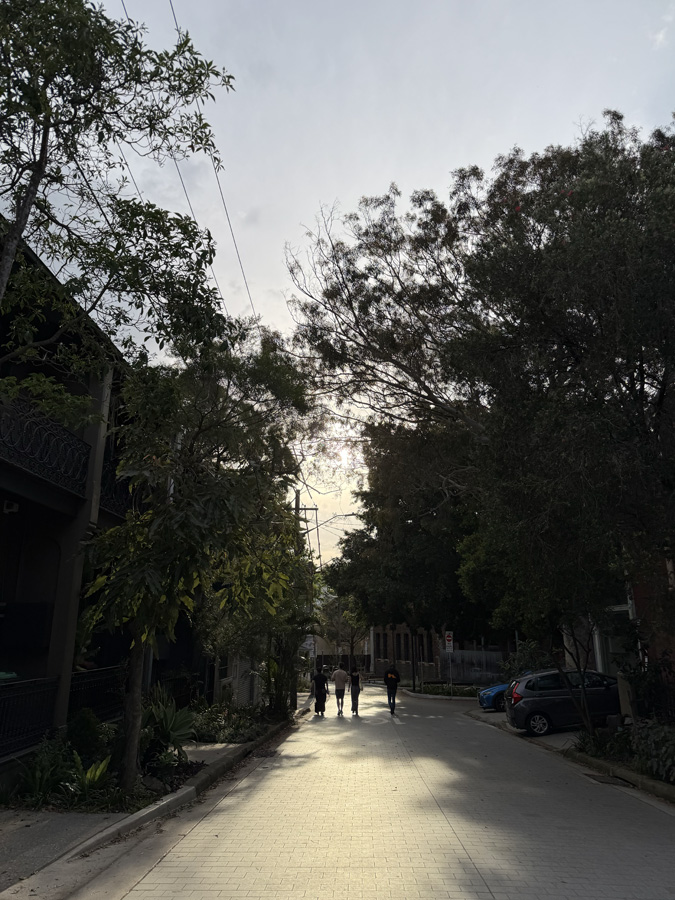
iPhone 17 Pro camera samples
Check out these camera samples taken on the iPhone 17 Pro and iPhone 17 Pro Max. Click or tap on any photo to see a larger version.








Pro name, Ultra energy

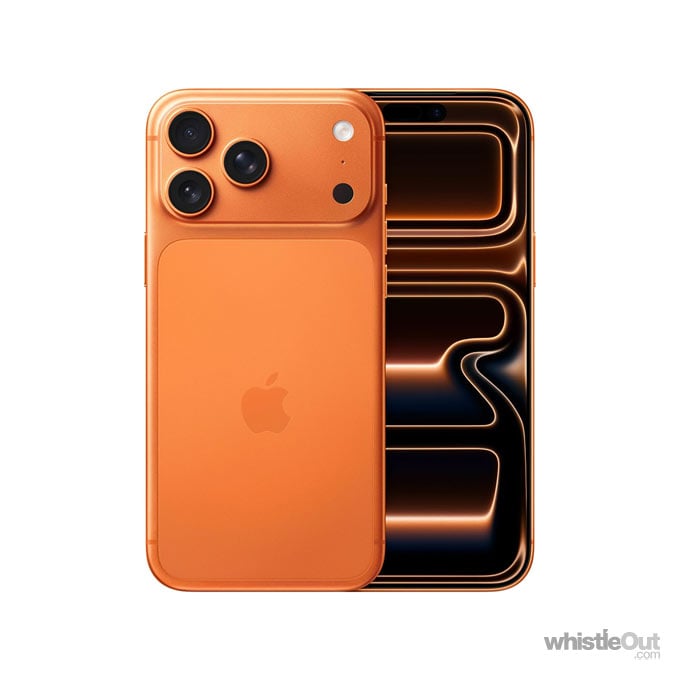
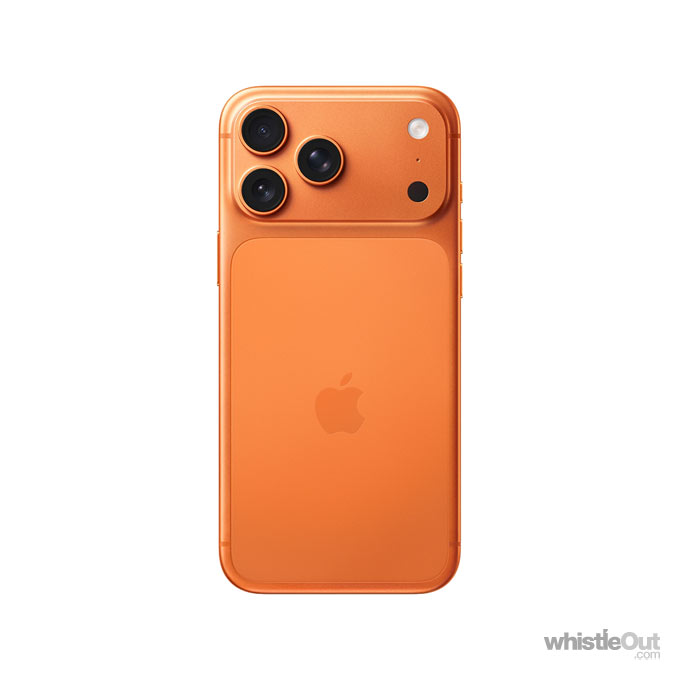
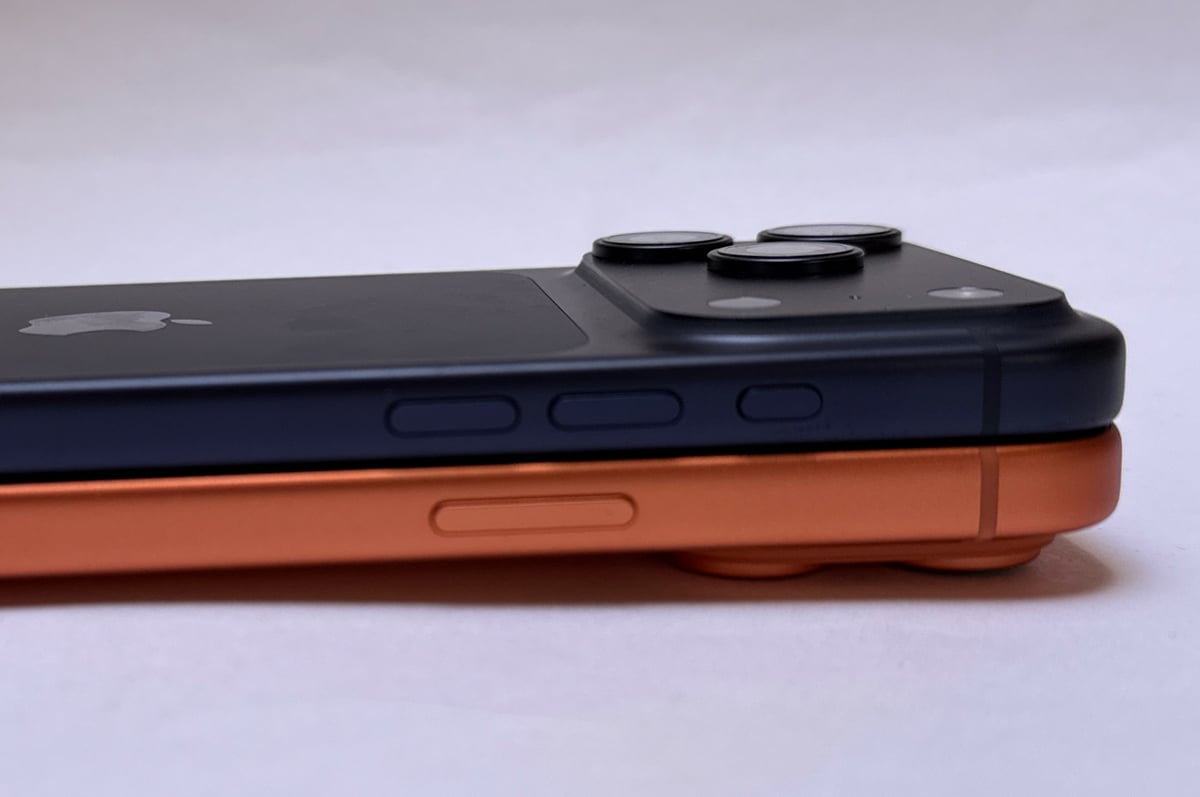
The iPhone 17 Pro and iPhone 17 Pro Max boast the most significant aesthetic changes we've seen since the iPhone X. Sure, you're still getting a slab made of glass and metal, but the composition is a bit different. Instead of a glass and a metal sandwich, the new Pro phones now have an aluminium unibody. What this means is most of the phone's back is also metal, on top of the sides.
There is still a glass cutout on the back of the phone, to allow for wireless charging and MagSafe accessories. This results in a two-tone finish, which is another departure from convention. Of course, putting on most cases will hide this element. Even Apple's transparent cases have a white panel that hides the colour underneath.
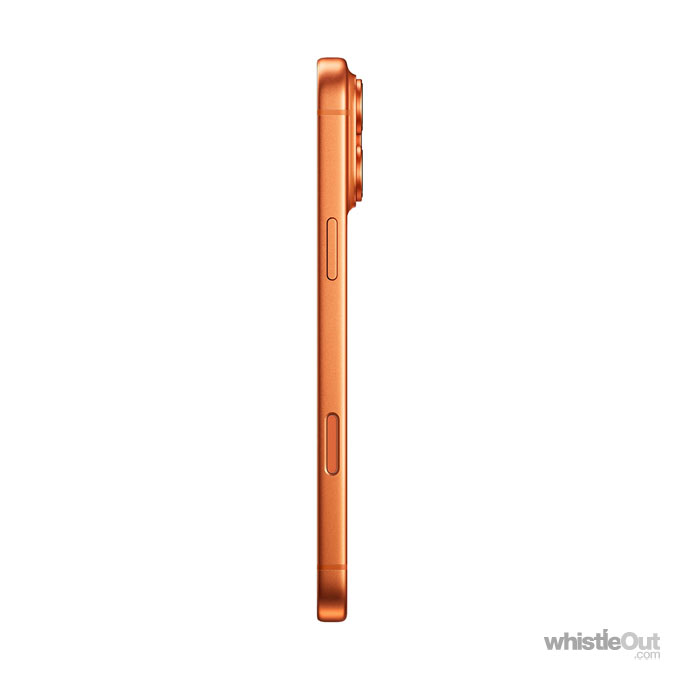
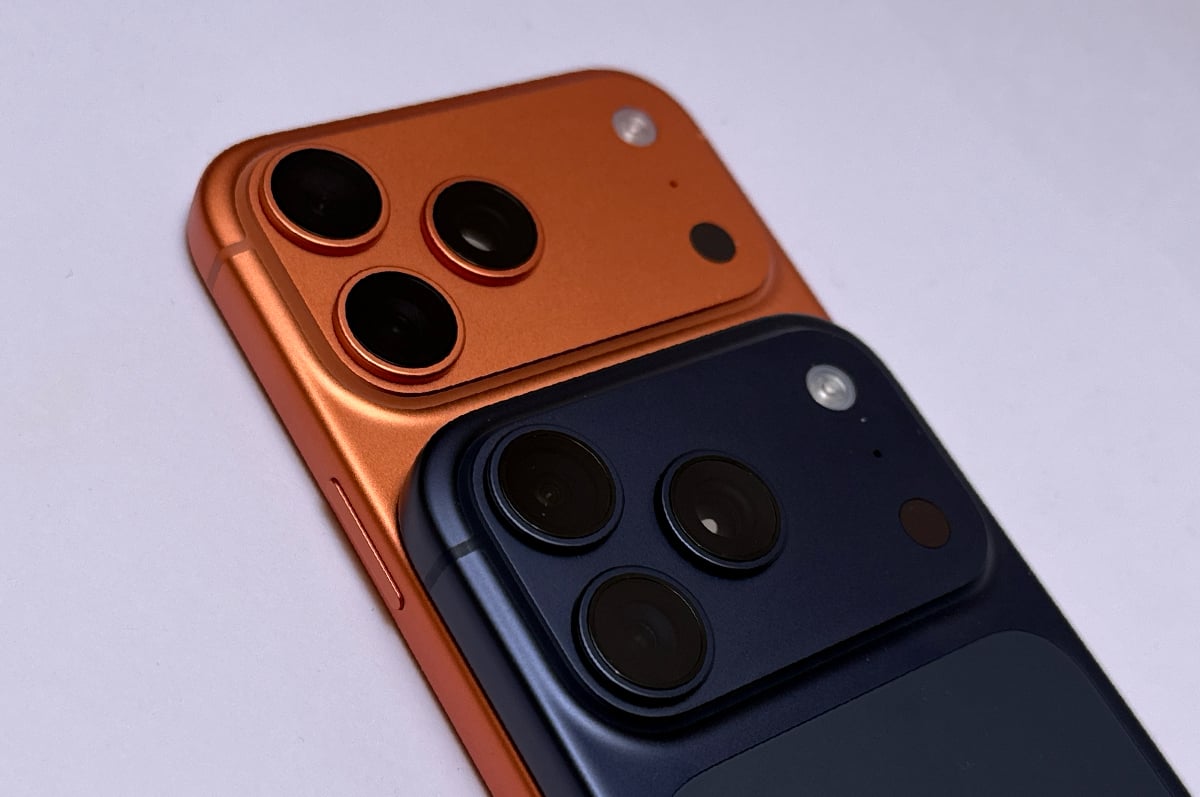
And then there's the "camera plateau", an elongated camera bump that now takes up the full width of the phone. On top of housing the cameras, Apple has moved other components to the plateau to free up space for a larger battery.
When combined with a slightly heavier and thicker build, this gives the iPhone 17 Pro and iPhone 17 Pro Max a utilitarian vibe. It's not that they're unattractive phones, but there's a pragmatism to how they're built, where design choices like a larger camera bump are okay if it means more space for battery. It's almost how the buttons on the Apple Watch Ultra jut out, rather than the flusher design on the standard models.
I don't normally talk about phone colours in reviews, but I am a massive fan of Cosmic Orange. It's nice that Apple has introduced a "fun" colour for the Pro phones, given they've historically been fairly muted. Even the more adventurous colours like purple on the iPhone 14 Pro were reasonably dark, tame shades. While Cosmic Orange is clearly the correct choice, Deep Blue is dark enough to pass for black, and the Silver almost feels like a throwback to the original iPhone.
Bits and bobs
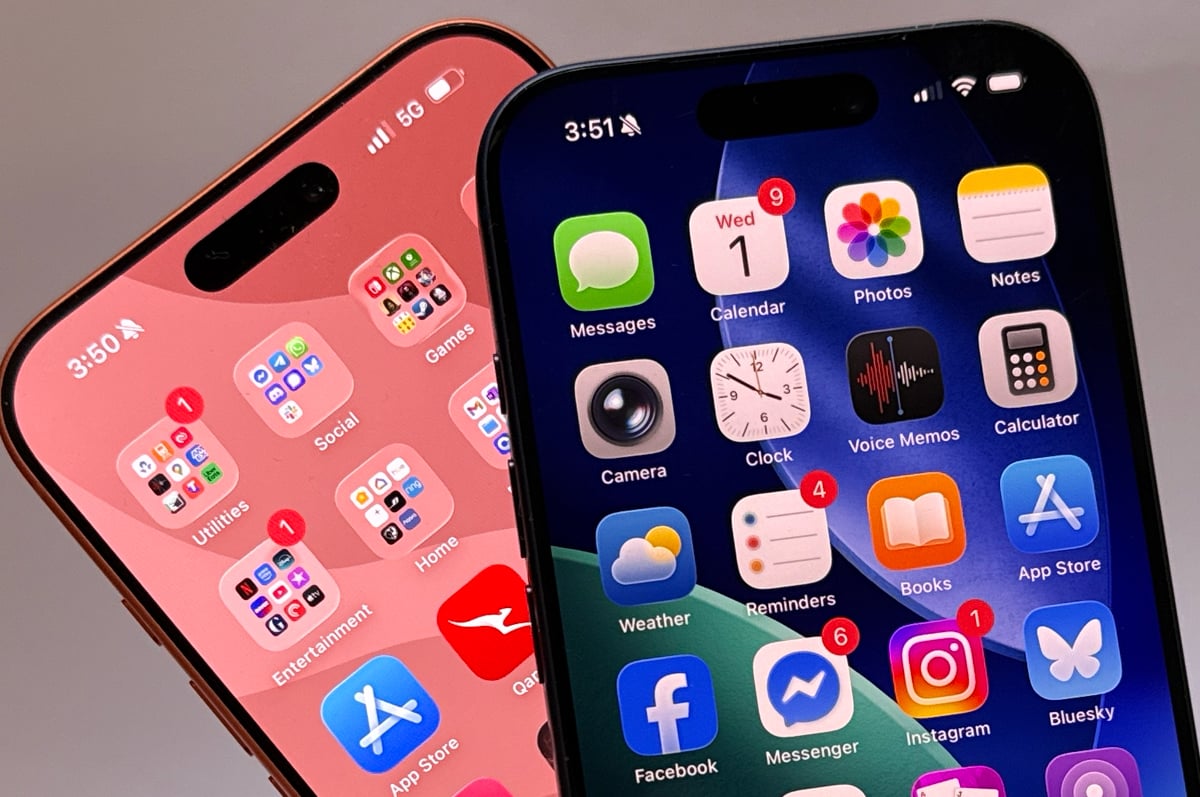
If you haven’t upgraded your iPhone for a few years, there are a few other features worth noting on the iPhone 17 Pro and iPhone 17 Pro Max. They’re not new, but they might be new to you.
Dynamic Island: First introduced with the iPhone 14 Pro, the Dynamic Island is a pill-shaped cut-out that houses the selfie camera and the tech used for Face ID. On top of this, it's also a UI element. The Dynamic Island expands and contracts to show extra information. If you're listening to music, for example, the Dynamic Island highlights the album art and gives you a little waveform. Long pressing this then gives you access to quick controls, while tapping it takes you back to your music app of choice. The Dynamic Island can also highlight other activities like timers or Uber ETAs.
Action Button: Introduced with the iPhone 15 Pro, the Action Button replaces the old mute switch found on previous models. By default, it still works as a mute switch, but it's a lot more flexible. Out-of-the-box options that let you use the Action Button to open the camera, start a voice memo, or turn on the torch, but you can also use it to trigger a Shortcut. If you feel like going down a rabbit hole, Shortcuts on the Action Button allow for a very deep level of customisation.
USB-C: Apple moved from Lightning to USB-C with the iPhone 15 family. If you've got an iPhone 14 or older, this means you'll now have to charge with a USB-C cable when you upgrade to the iPhone 17 Pro or iPhone 17 Pro Max. There is a USB-C cable in the box, however.
Camera Control: Introduced last year on the iPhone 16 family, Camera Control is a new "button" for taking photos. While you can click the Camera Control button, it also acts like a tiny trackpad and scrolling back and forth across it allows functionality like zoom. I'm too used to taking photos the "classic" way, and have mostly only used Camera Control by accident outside of testing, but some - like my colleague Dylan - may like a more tactile photography option.
Second Generation Photographic Styles: Another feature from last year, Second Generation Photographic Styles are an update to the filter-like adjustments Apple introduced with the iPhone 13. These let you adjust the "tone", "colour", and in some cases "palette" of an image before you shoot. Colour and palate can be fun, but tone is more important. iPhone cameras have historically skewed toward brighter images with minimal shadows, which can make some photos look flatter. Adjusting the tone setting lets you bring them back if that’s your thing.
Slightly Larger Screens: Last year, Apple increased the size of its Pro phones to 6.3-inch and 6.9-inch, respectively. Prior to the iPhone 16 Pro and iPhone 16 Pro Max, they were a little smaller with 6.1-inch and 6.7-inch displays. The phones themselves are only a little bigger with slimmer bezels also contributing to the larger display size.
Our take on TechWoven
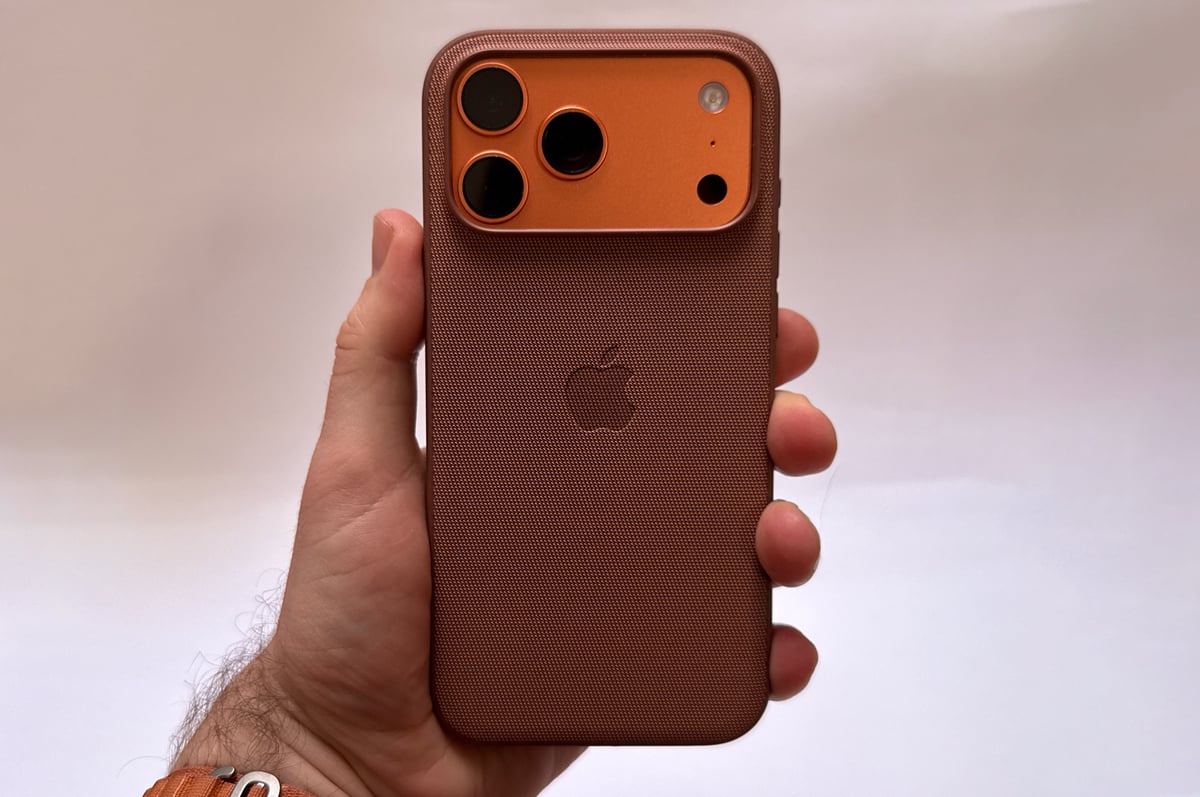
Alongside the iPhone 17 Pro Max, I've been testing out one of Apple's new TechWoven cases. TechWoven is the replacement for Apple's FineWoven material from 2023, which held up so poorly it was quietly disappeared after a year. While TechWoven is also made from a plastic knit, it's a lot more durable. Where FineWoven would scuff and stain without trying, TechWoven has seemingly solved these issues. It holds up to car key scratches, and sweat and splashes quickly dry out with no lingering smell. I'm also a fan of how grippy the TechWoven case feels in my hand.
Price, price baby
The Pro series iPhones have always been expensive devices, and they've become even pricier this time around. The 256GB iPhone 17 Pro is priced at $1,999, which is line with what you'd pay for a 256GB iPhone 16 Pro at launch last year, but there's no longer a cheaper 128GB model. As such, you're looking at spending a minimum of $200 more. Apple already cut the 128GB from the Pro Max family last year, but there's been a $50 price increase on the 256GB variant, taking the starting price to $2,199.
Prices have also increased a little for higher storage variants. You're looking at $50 more for a 512GB iPhone 17 Pro or $100 more for a 512GB iPhone 17 Pro Max. The 1TB Pro Max had an even steeper hike, costing $150 more than what you'd pay last year. There's also an all-new 2TB iPhone 17 Pro Max, priced at $3,799, which, quite frankly, feels like way more storage than 99% of people need. If you're using more than 1TB of storage on your phone, please let me know why.
Premium pricing might be part of the parcel for Apple's Pro phones, but the improvements to the entry-level iPhone 17 make it worth considering if you need to spend that much. Apple's finally given the "standard" iPhone a 120Hz refresh rate ProMotion display, closing the biggest gap between it and the Pros. It now also comes with a minimum of 256GB storage, but still starts at $1,399 like the iPhone 16. The iPhone 17 is the most compelling a non-Pro iPhone has been. If you're not too fussed about a third camera or don't want the iPhone 17 Pro Max's massive battery or larger screen, the iPhone 17 is better value, as so far as you can say about a $1,399 product.
iPhone 17 Pro & iPhone 17 Pro Max - Final Thoughts
The iPhone 17 Pro and iPhone 17 Pro Max build on already great phones with meaningful improvements like better battery life, the anti-reflective display, and the longer range zoom. Of course, the phones are also a bit more expensive this year. You're getting more, but you're spending more.
With the standard iPhone 17 getting some of the best Pro features this year, saving between $600 and $800 is going to be the right call for many. At the same time, there are still good reasons to consider Apple's priciest phones, even if that list has gotten a little bit smaller.
The new zoom lens is great, the battery life is fantastic, and the Pro Max is now the only way to get a properly big display on an iPhone. And hey, the orange finish is sick.
-
 iPhone 17 Pro Max 1TB6.9" / Apple iOS80/100
 -
 iPhone 17 Pro Max 2TB6.9" / Apple iOS80/100
 -
 iPhone 17 Pro Max 512GB6.9" / Apple iOS80/100
 -
 iPhone 18 Pro Max 1TB6.9" / Apple iOS
 -
 iPhone 18 Pro Max 256GB6.9" / Apple iOS
 -
 iPhone 18 Pro Max 2TB6.9" / Apple iOS
 -
 iPhone 18 Pro Max 512GB6.9" / Apple iOS
 -
 iPhone 16 Pro Max 1TB6.9" / Apple iOS80/100
 -
 iPhone 16 Pro Max 256GB6.9" / Apple iOS80/100
 -
 iPhone 16 Pro Max 512GB6.9" / Apple iOS
 -
 iPhone 16 Plus 128GB6.7" / Apple iOS90/100
 -
 iPhone 16 Plus 256GB6.7" / Apple iOS90/100
-
 iPhone 18 Pro 256GB6.3" / Apple iOS
 -
iPhone 18 Pro Max 256GB6.9" / Apple iOS
-
iPhone 18 Pro Max 1TB6.9" / Apple iOS
-
iPhone 18 Pro Max 512GB6.9" / Apple iOS
-
iPhone 18 Pro Max 2TB6.9" / Apple iOS
-
 iPhone 18 Pro 512GB6.3" / Apple iOS
 -
 iPhone 18 Pro 1TB6.3" / Apple iOS
 -
 iPhone 18 Pro 2TB6.3" / Apple iOS
 -
 iPhone 17 256GB6.3" / Apple iOS90/100
 -
 iPhone 17 Pro 256GB6.3" / Apple iOS80/100
 -
 iPhone 17e 256GB6.1" / Apple iOS
 -
iPhone 17 Pro Max 256GB6.9" / Apple iOS80/100
-
 iPhone Air 256GB6.5" / Apple iOS75/100
 -
iPhone 16 Pro Max 512GB6.9" / Apple iOS
-
 iPhone 15 128GB6.1" / Apple iOS
 -
 iPhone 16 128GB6.1" / Apple iOS90/100
 -
 iPhone 17e 512GB6.1" / Apple iOS
 -
 iPhone 17 512GB6.3" / Apple iOS90/100
 -
iPhone 17 Pro Max 512GB6.9" / Apple iOS80/100
-
iPhone 17 Pro Max 1TB6.9" / Apple iOS80/100
-
 iPhone 17 Pro 512GB6.3" / Apple iOS80/100
 -
iPhone 16 Plus 128GB6.7" / Apple iOS90/100
-
 iPhone 16e 128GB6.1" / Apple iOS75/100
 -
 iPhone 16e 512GB6.1" / Apple iOS75/100
 -
iPhone 16 Pro Max 1TB6.9" / Apple iOS80/100
-
 iPhone 16 512GB6.1" / Apple iOS90/100
 -
 iPhone 15 256GB6.1" / Apple iOS
 -
 iPhone Air 1TB6.5" / Apple iOS75/100
 -
 iPhone 15 512GB6.1" / Apple iOS
 -
 iPhone 16 256GB6.1" / Apple iOS90/100
 -
iPhone 16 Plus 256GB6.7" / Apple iOS90/100
-
 iPhone 16 Plus 512GB6.7" / Apple iOS90/100
 -
iPhone 16 Pro Max 256GB6.9" / Apple iOS80/100
-
 iPhone 16e 256GB6.1" / Apple iOS75/100
 -
 iPhone 17 Pro 1TB6.3" / Apple iOS80/100
 -
iPhone 17 Pro Max 2TB6.9" / Apple iOS80/100
-
 iPhone Air 512GB6.5" / Apple iOS75/100


