
- Great battery
- Good physical design
- Six years of security updates
- Screen is dim and auto-brightness has problems
- Cameras aren't great
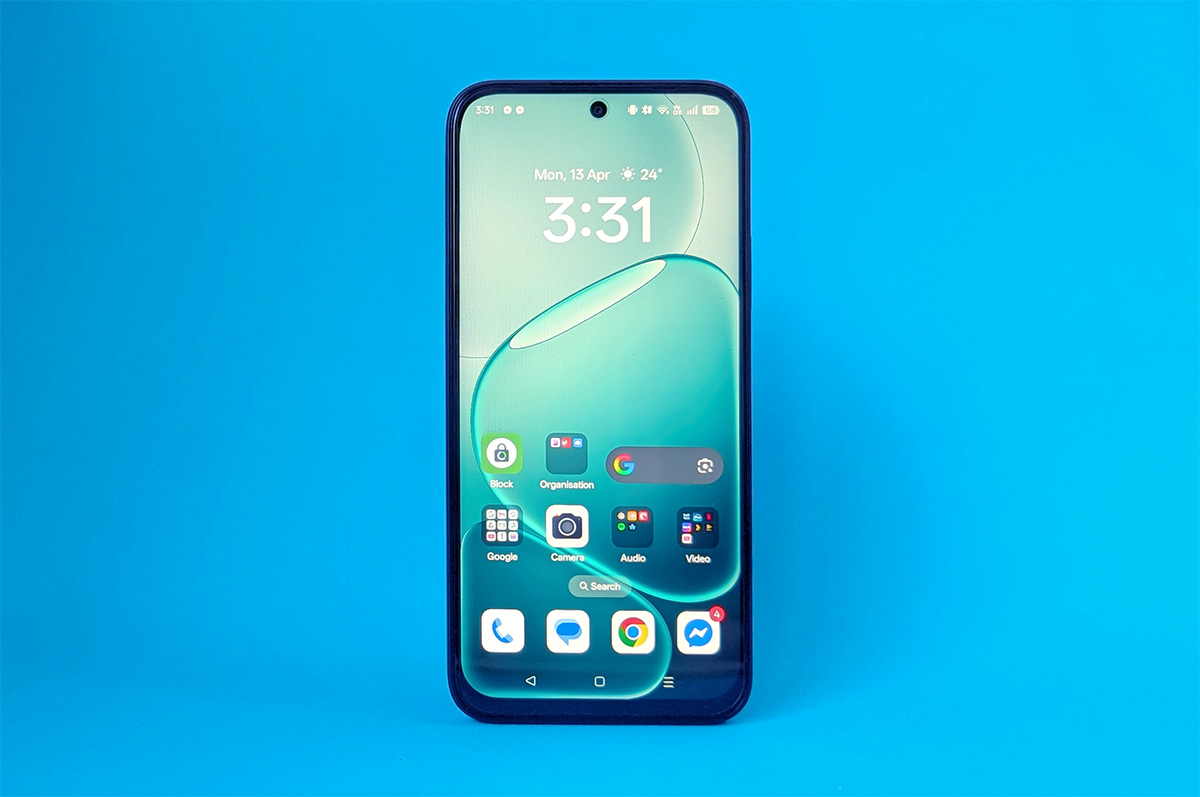
Budget smartphones are always an exercise in trade-offs, ultimately coming down to whether the manufacturer made the right choices and if there are any major red flags. The OPPO A6 5G rides that line pretty deftly.
The absolute must-haves are: all-day battery life, good heat control (either through processing power or smart temperature management), enough processing power that basic tasks aren’t frustrating, and a screen that is at least partially visible during the day.
You’ll notice a decent camera isn’t on that list, though you admittedly want one that's functional. At this price point, better-than-passable photos are a big bonus, but too often come at the expense of something more essential.
What we like
With the A6, OPPO made some good decisions about what to keep and what to cut.
For one, battery is great. On average, I got around 15 hours of screen time out of it, which is impressive. OPPO's Game Engine feature also lends a helping hand with clever resource management. I still managed to push battery down to around 30% a couple of times with games like the GPS-based Orna and the deceptively demanding Balatro, but that was a concerted effort.
Performance-wise, I have no complaints. It’s a bit laggy from time to time, but what $400 handset isn’t? Overheating isn’t an issue and most games are surprisingly smooth. GPS can occasionally glitch for a second or two, but it was never enough to cause problems.
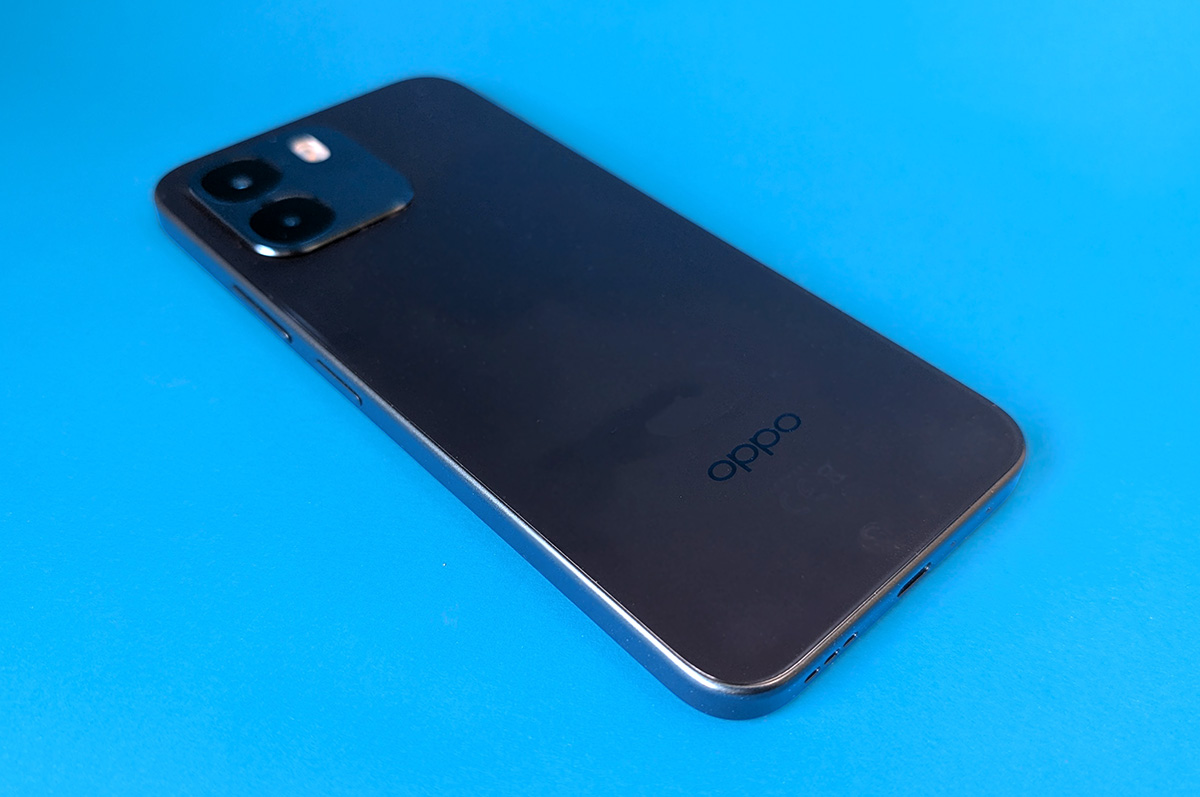
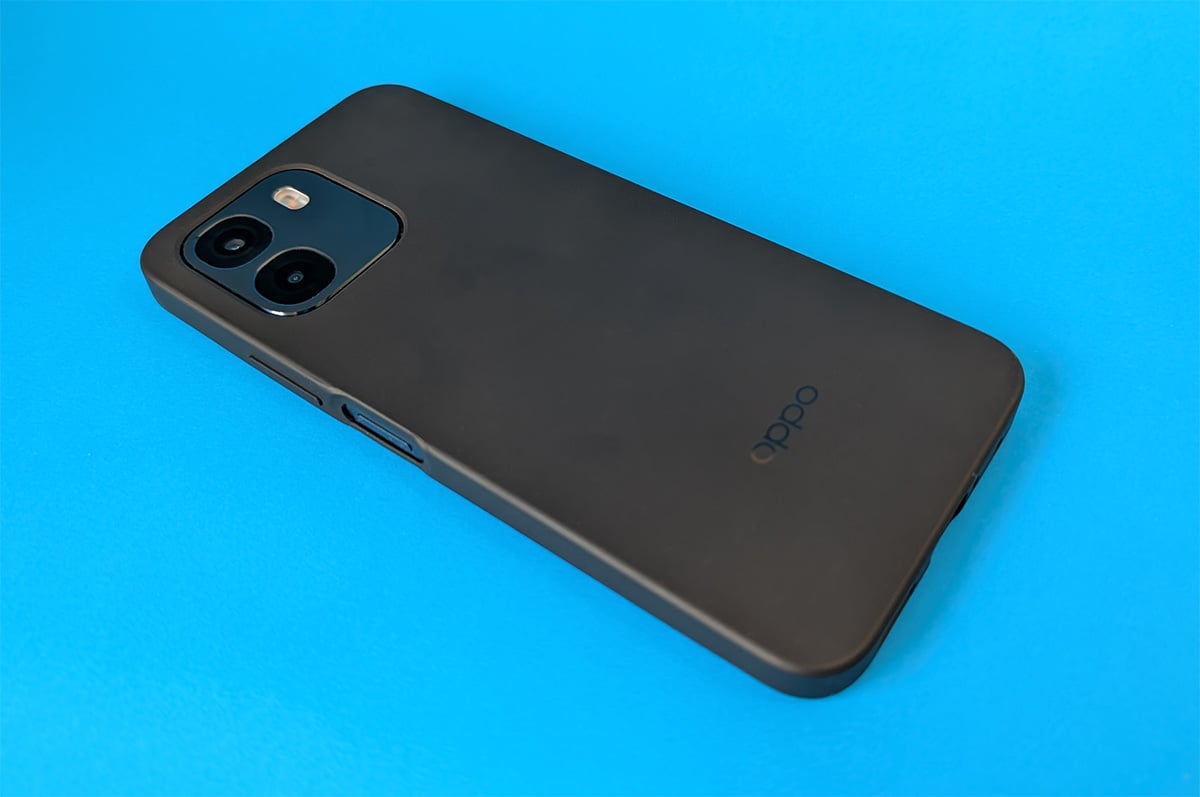
The design doesn’t look or feel particularly cheap, thanks to the metallic colour options hiding its plastic construction in plain sight. The metal camera bump helps the overall look, though do make the phone a little top-heavy in the hand.
Another nice touch is the inclusion of a protective case, right in the box. As a bonus, the case also helps to even out the aforementioned top-heaviness.
Unusually, the A6 is IP69 water resistant, which is about as good as it gets in the smartphone world and not expected of something this cheap.
Last but not least among its virtues, OPPO is providing three years of OS updates and six years of security updates for the A6. Not all premium smartphones get that long a life, let alone budget ones, so it's good to see here.
The trade-offs
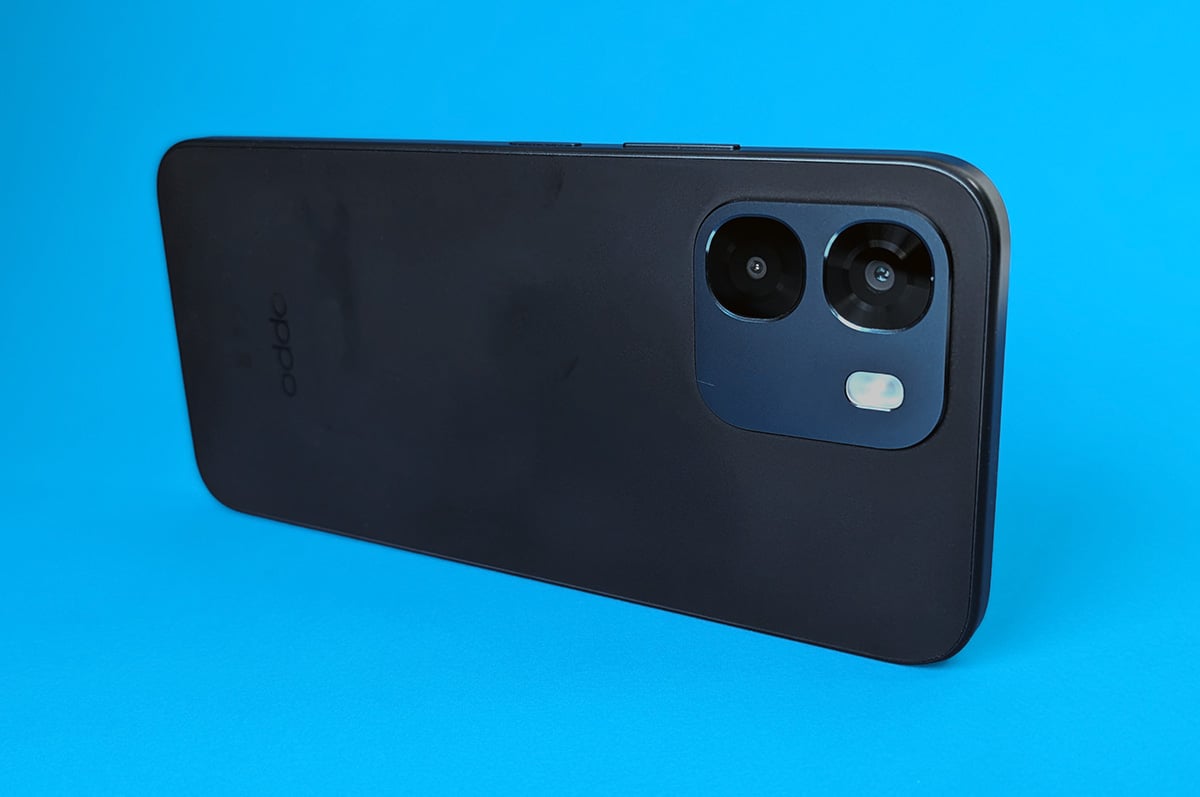
The camera experience is typical for a budget handset; it’s not good, but it's also not unusually bad for $399. The rear cameras take passable shots during the day, but are replete with familiar issues. For example, contrast is too high, colours are oversaturated, and you can lose detail when your shot has variation between high and low lighting. Occasionally there are some weird results for fast-moving objects, but this was rare. And don’t even bother with the zoom.
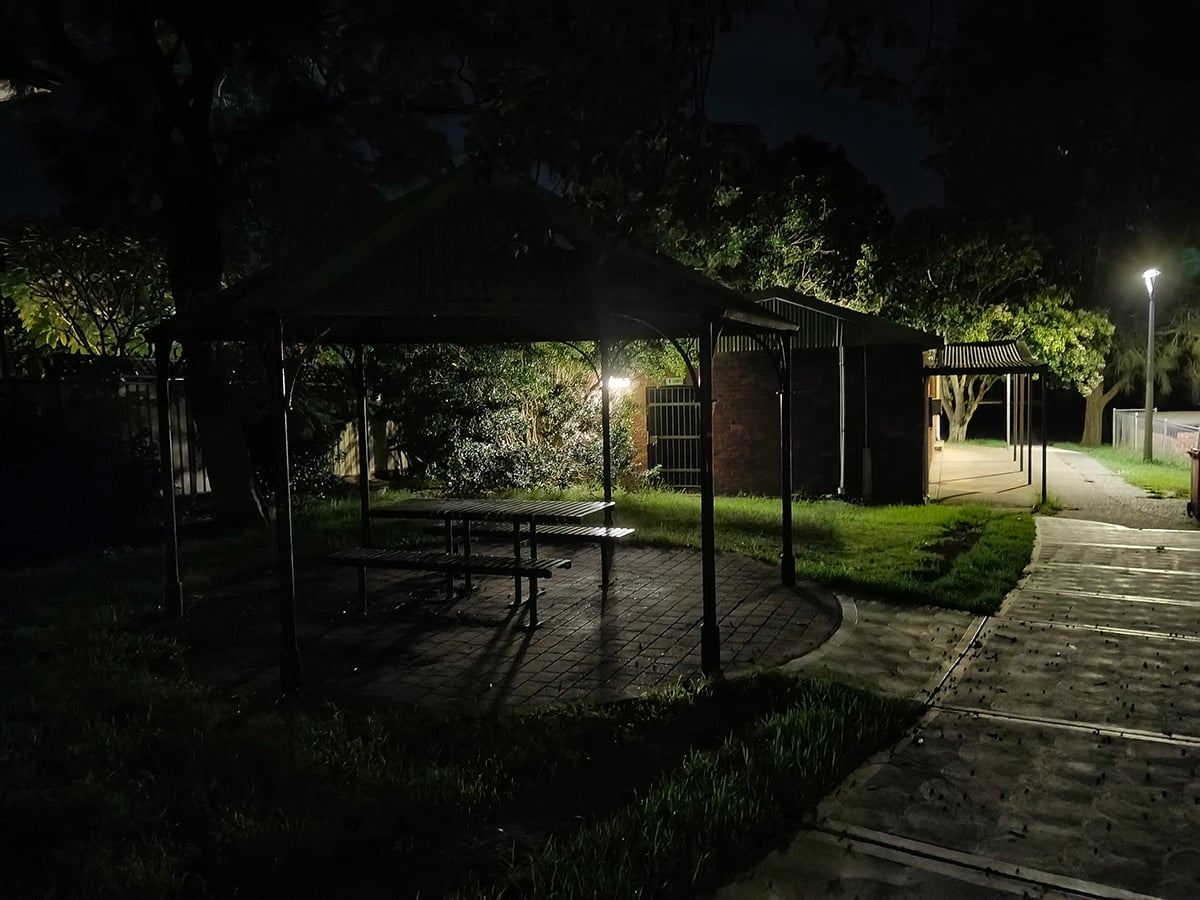
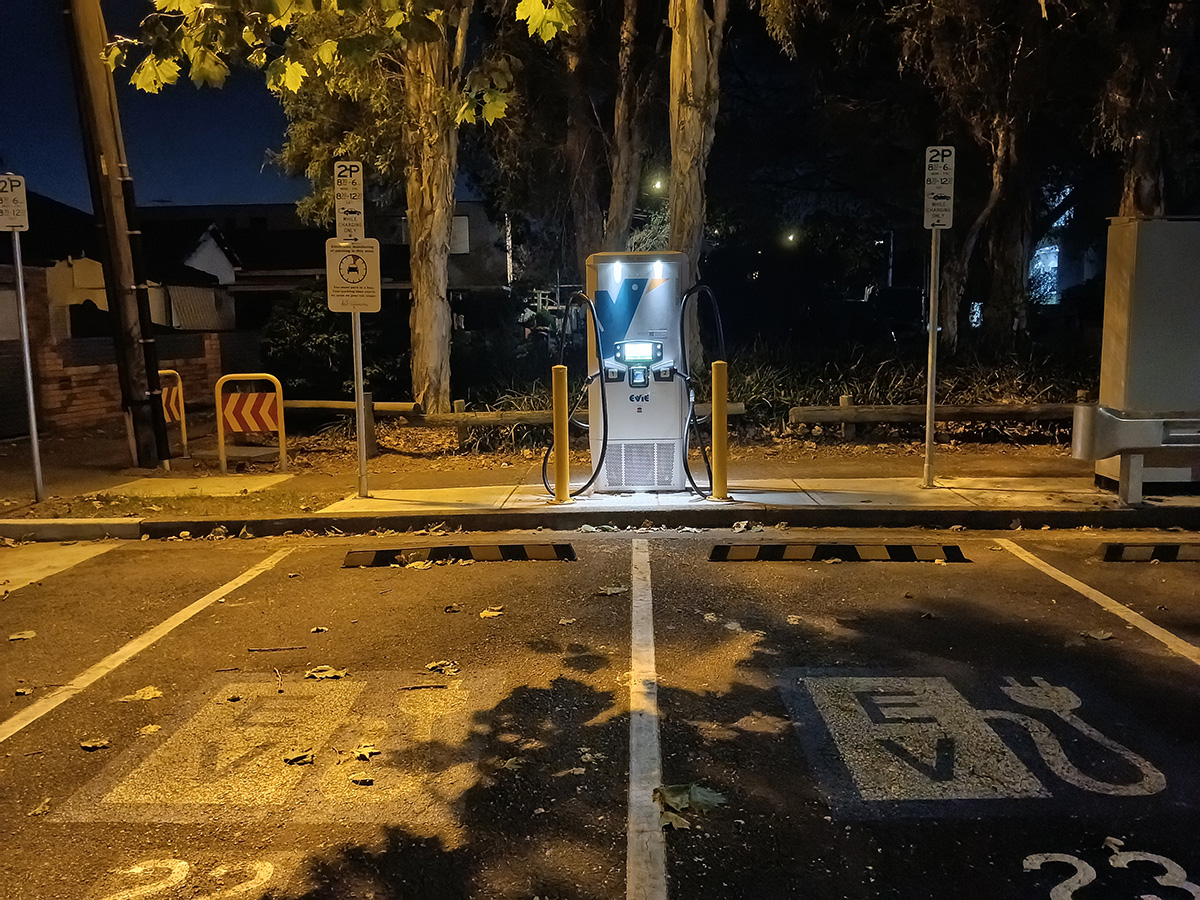
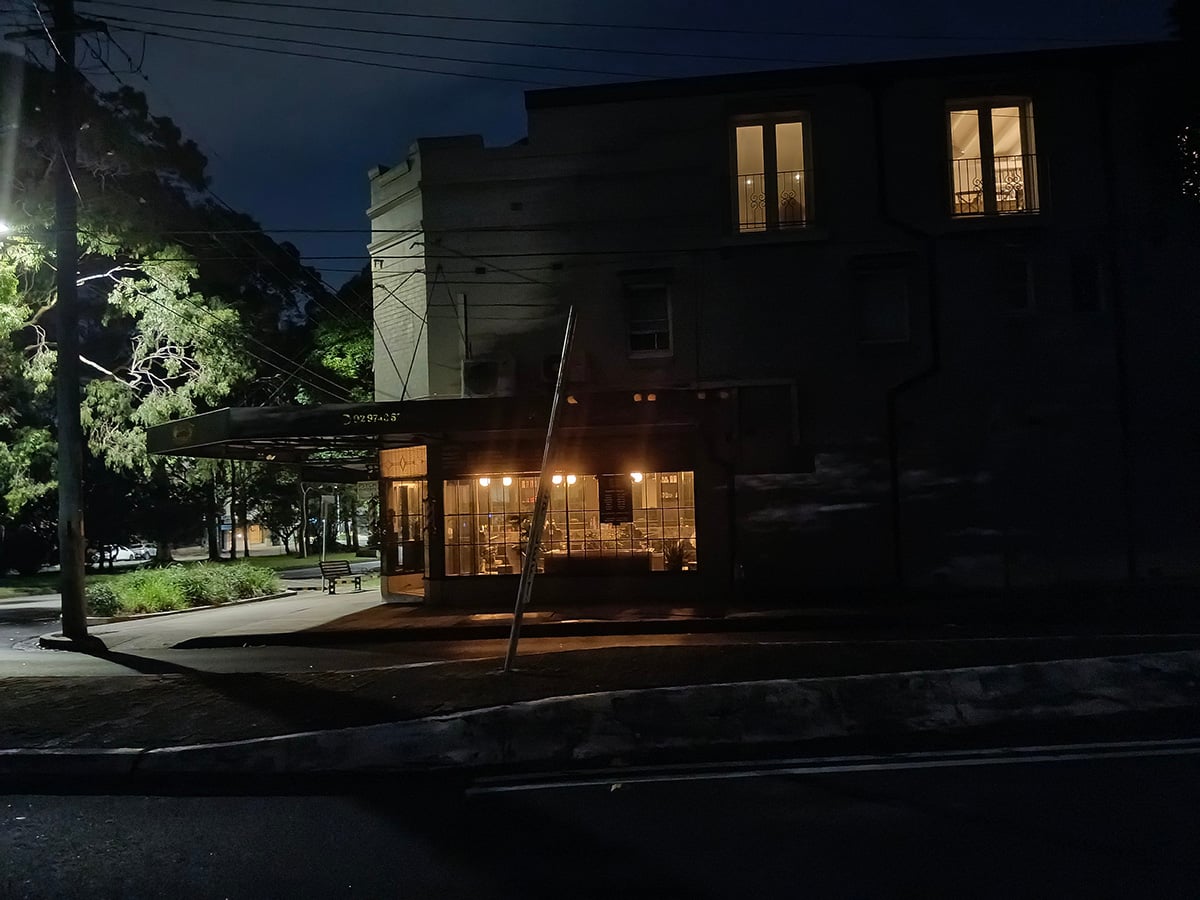
In darker environments, you’ll need to leave the automated night mode activated if you want a chance of a decent shot. But even then, results aren’t great and a particularly dimly lit scene is simply beyond its abilities. Once again – all par for this particular course.
OPPO A6 camera samples
Check out these camera samples taken on the A6. Click or tap on any photo to see a larger version.
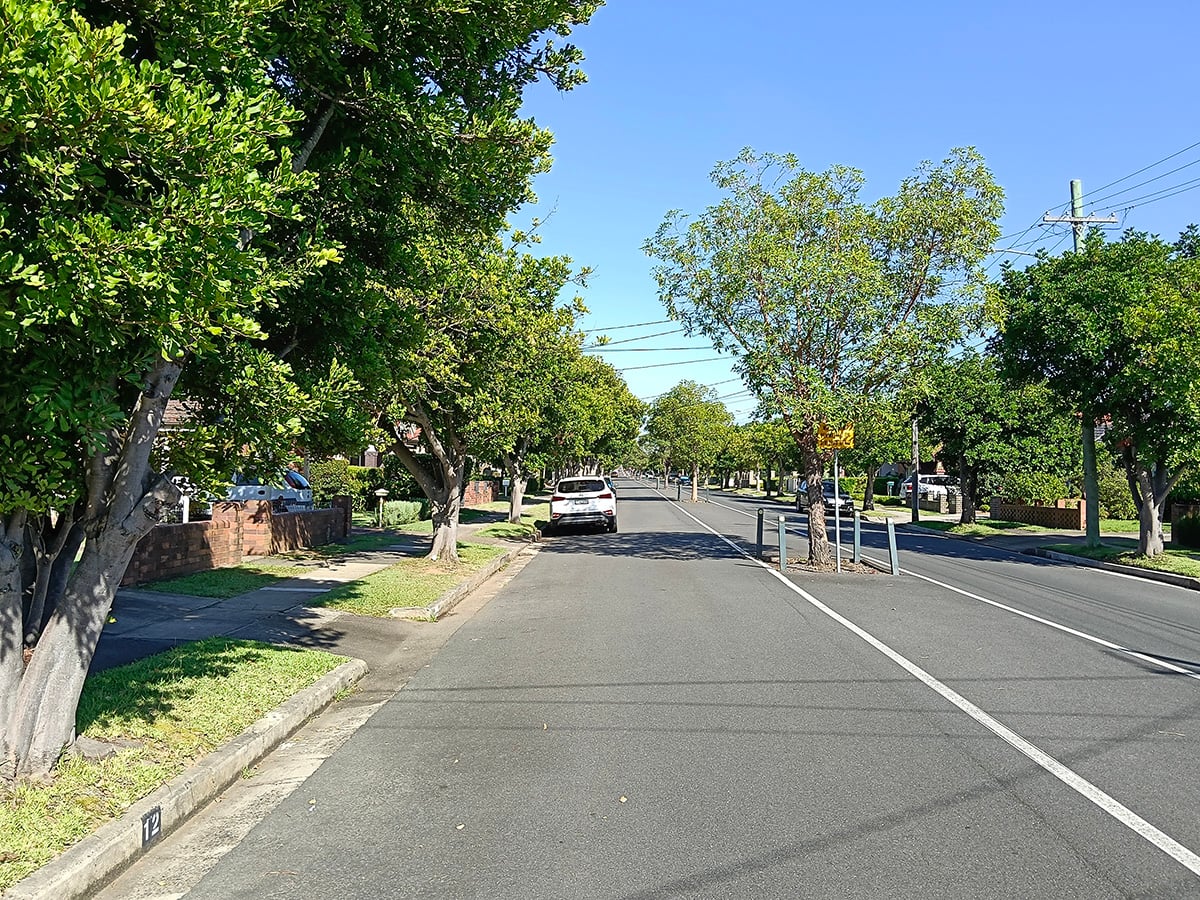
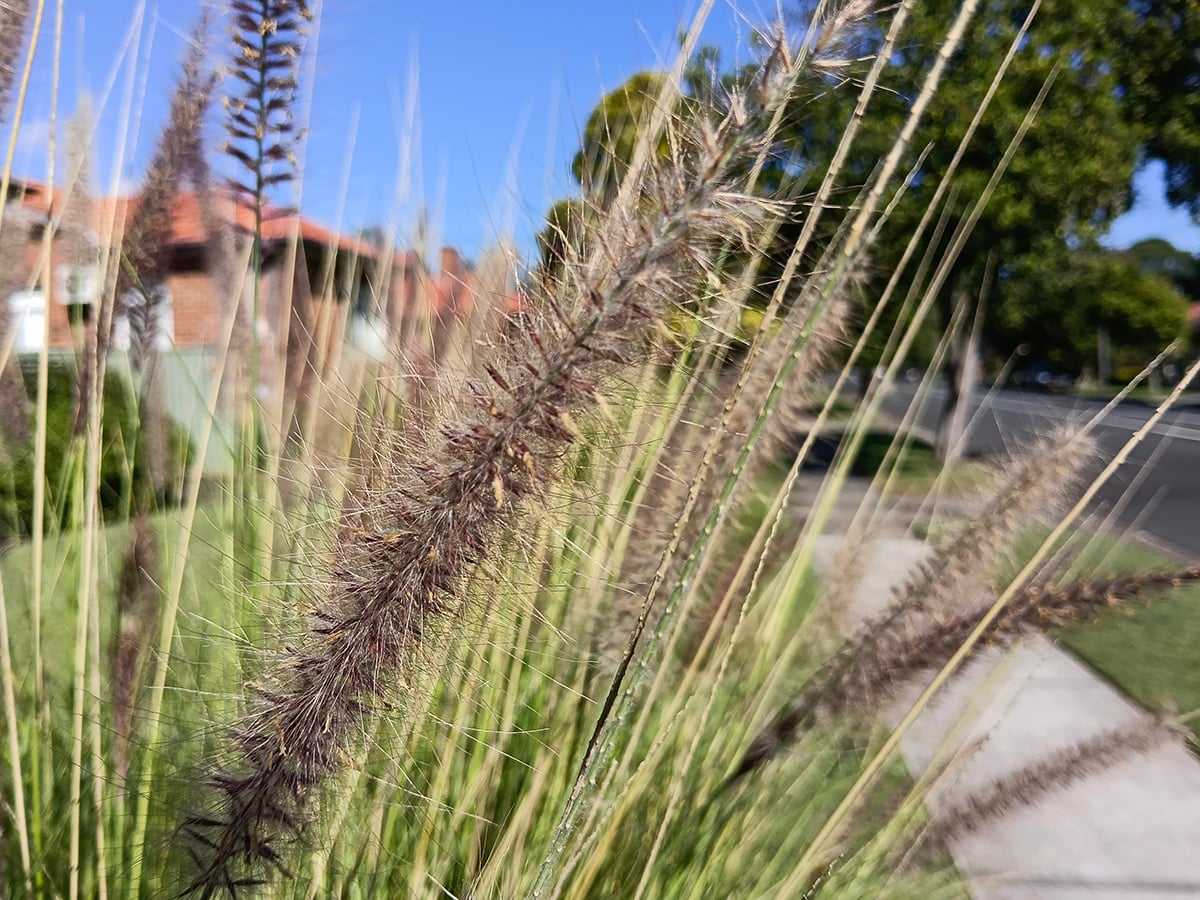

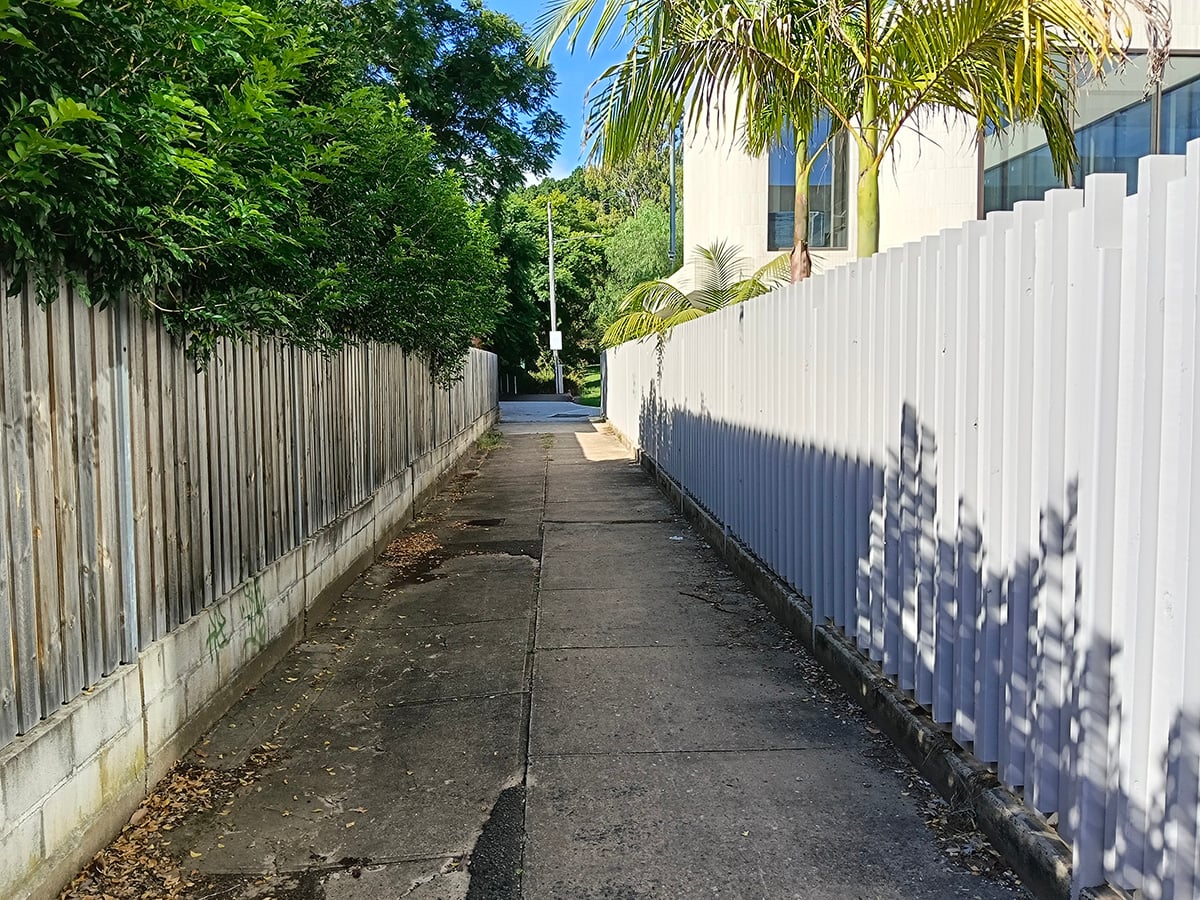
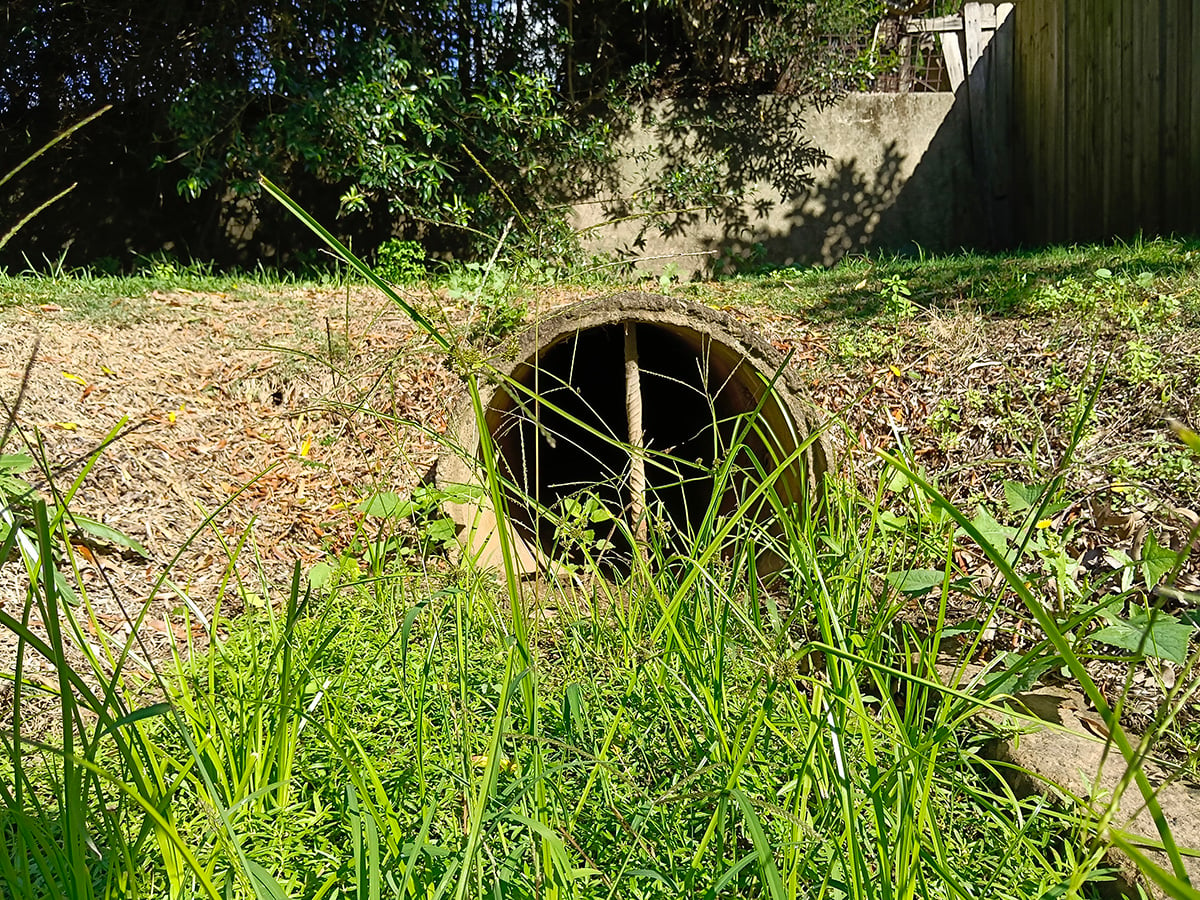
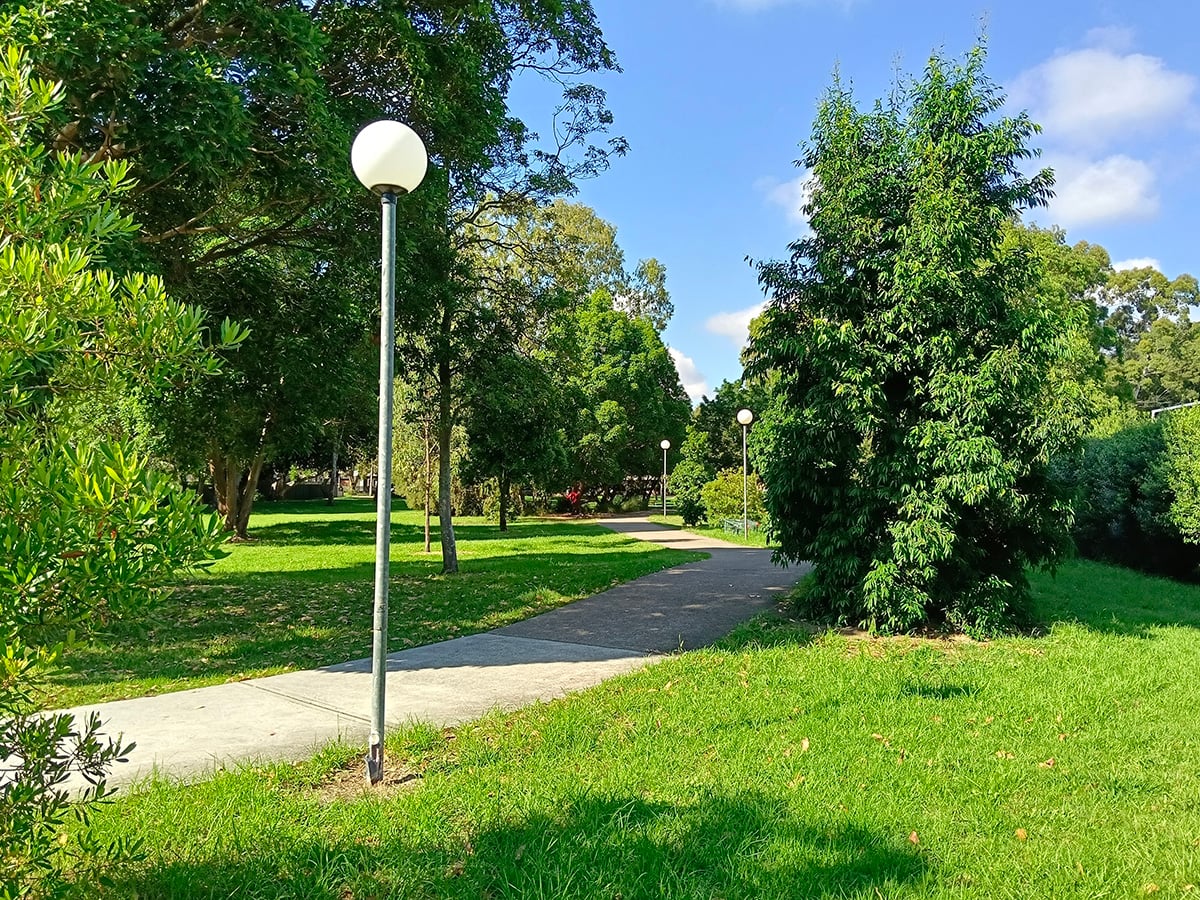

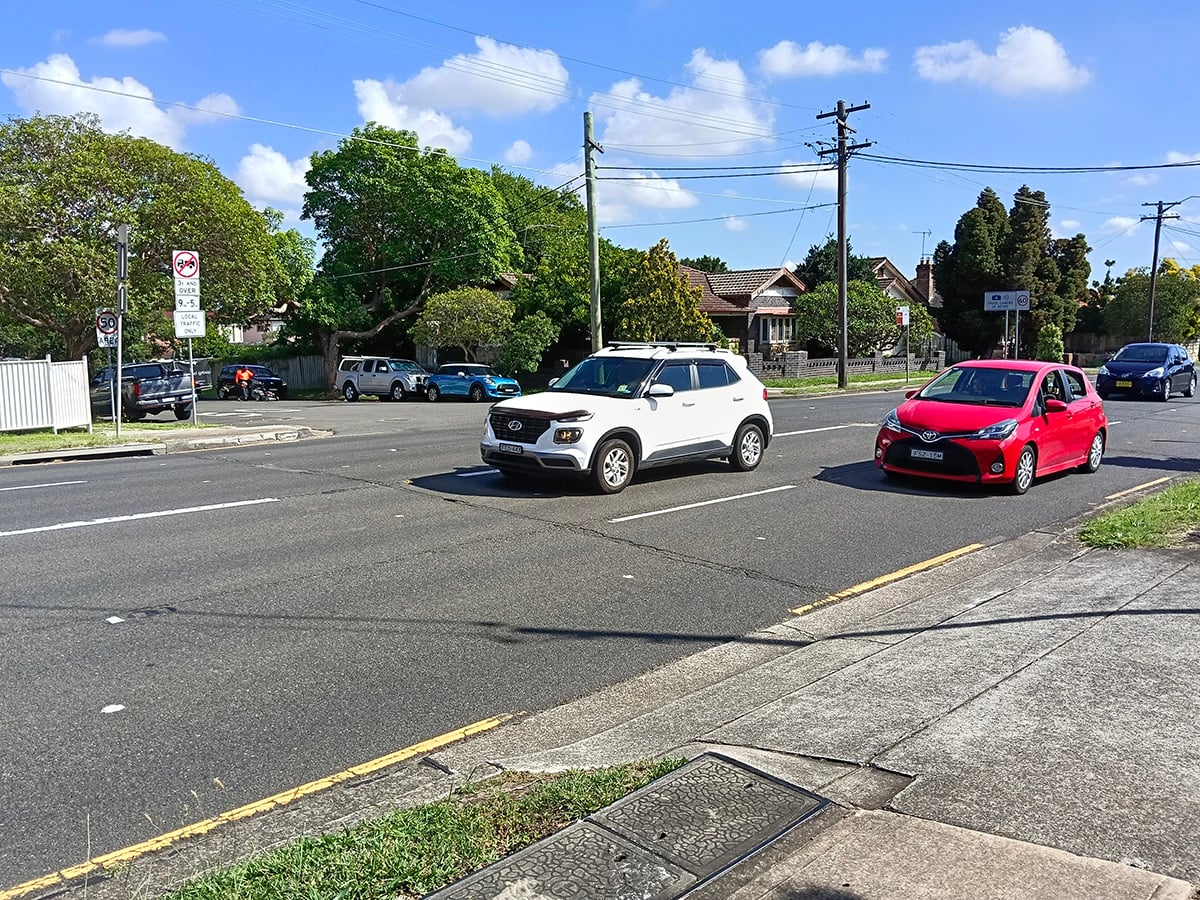
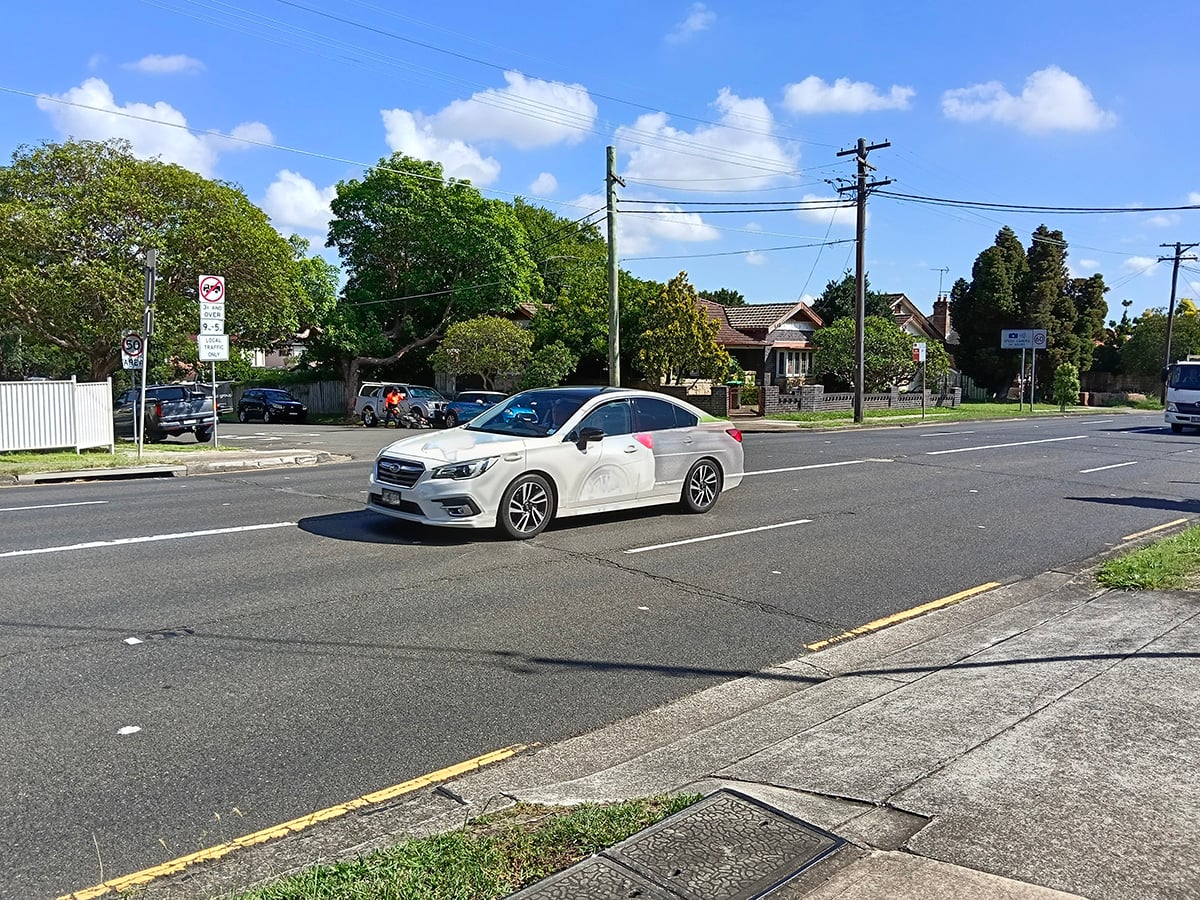
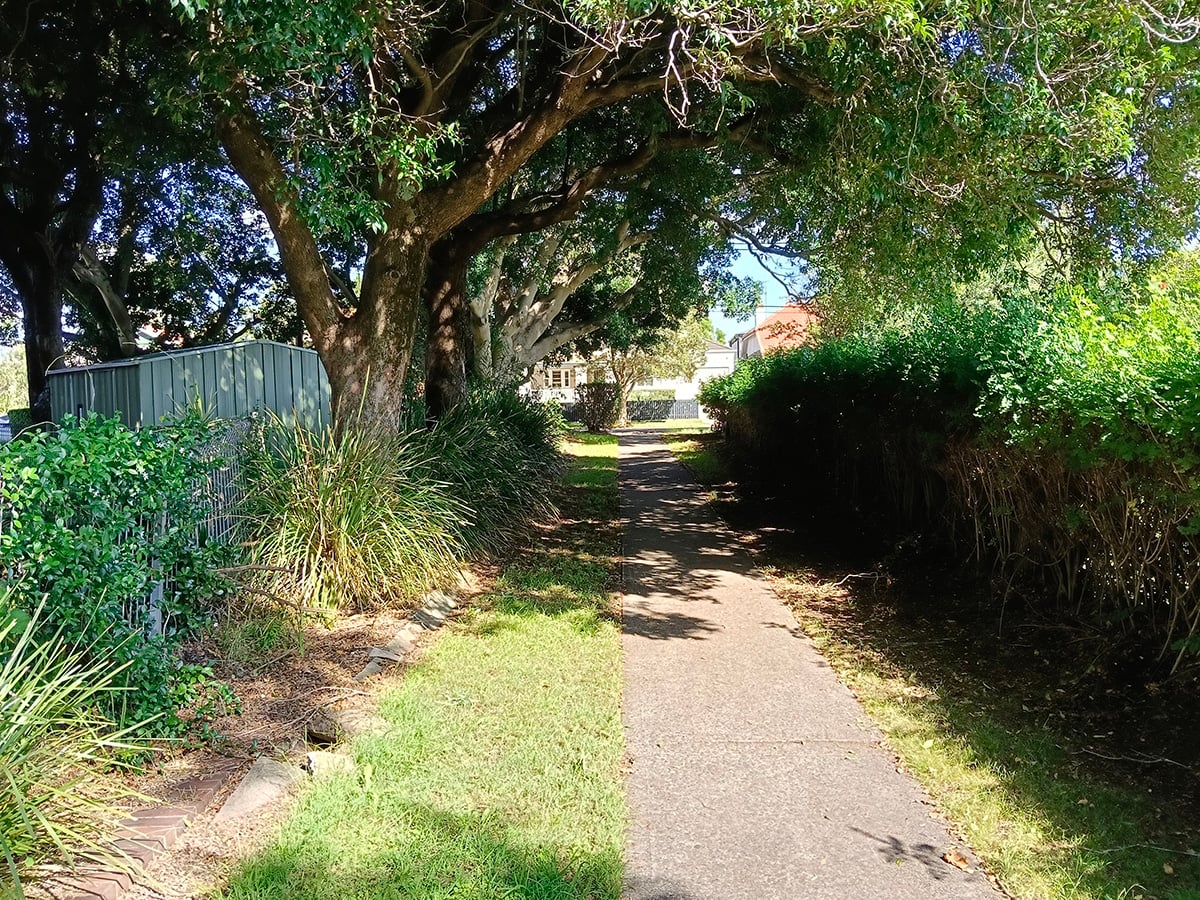
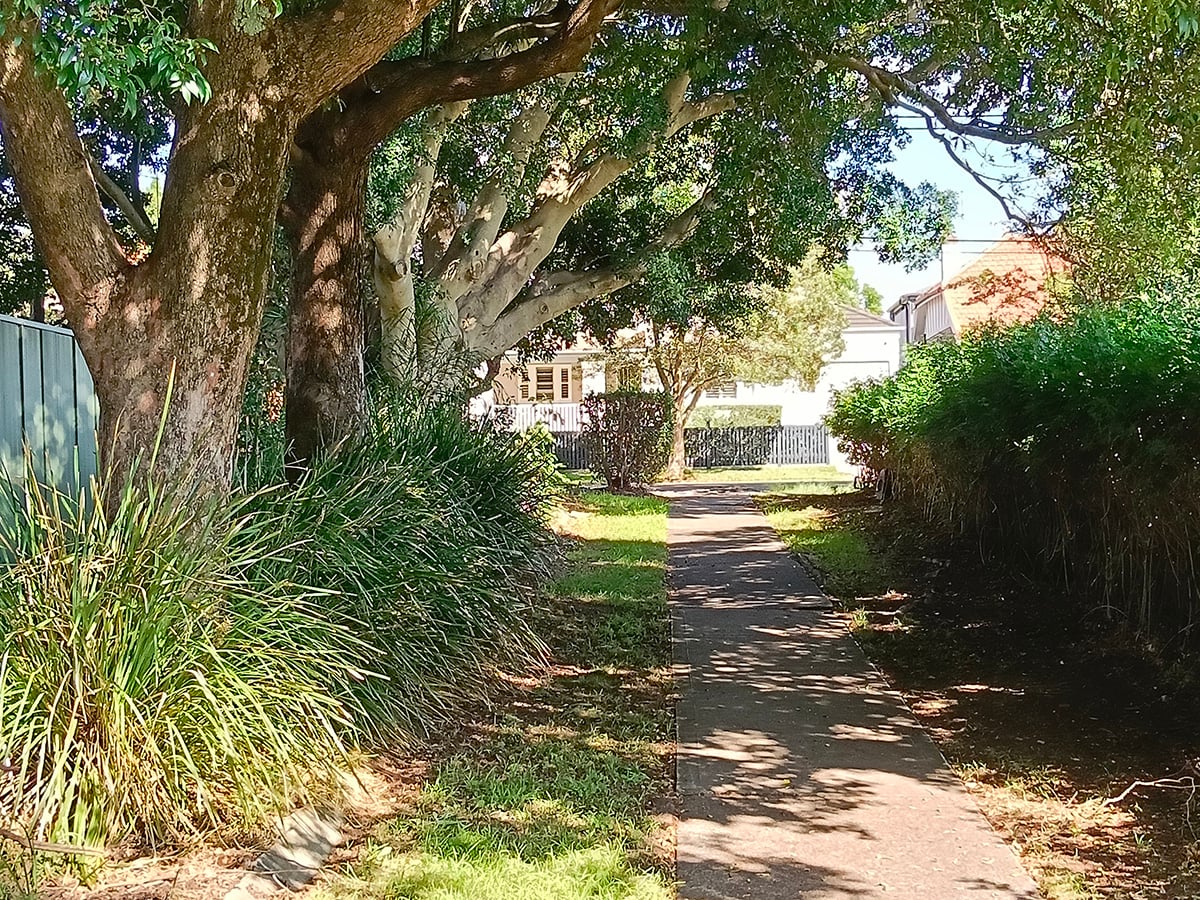
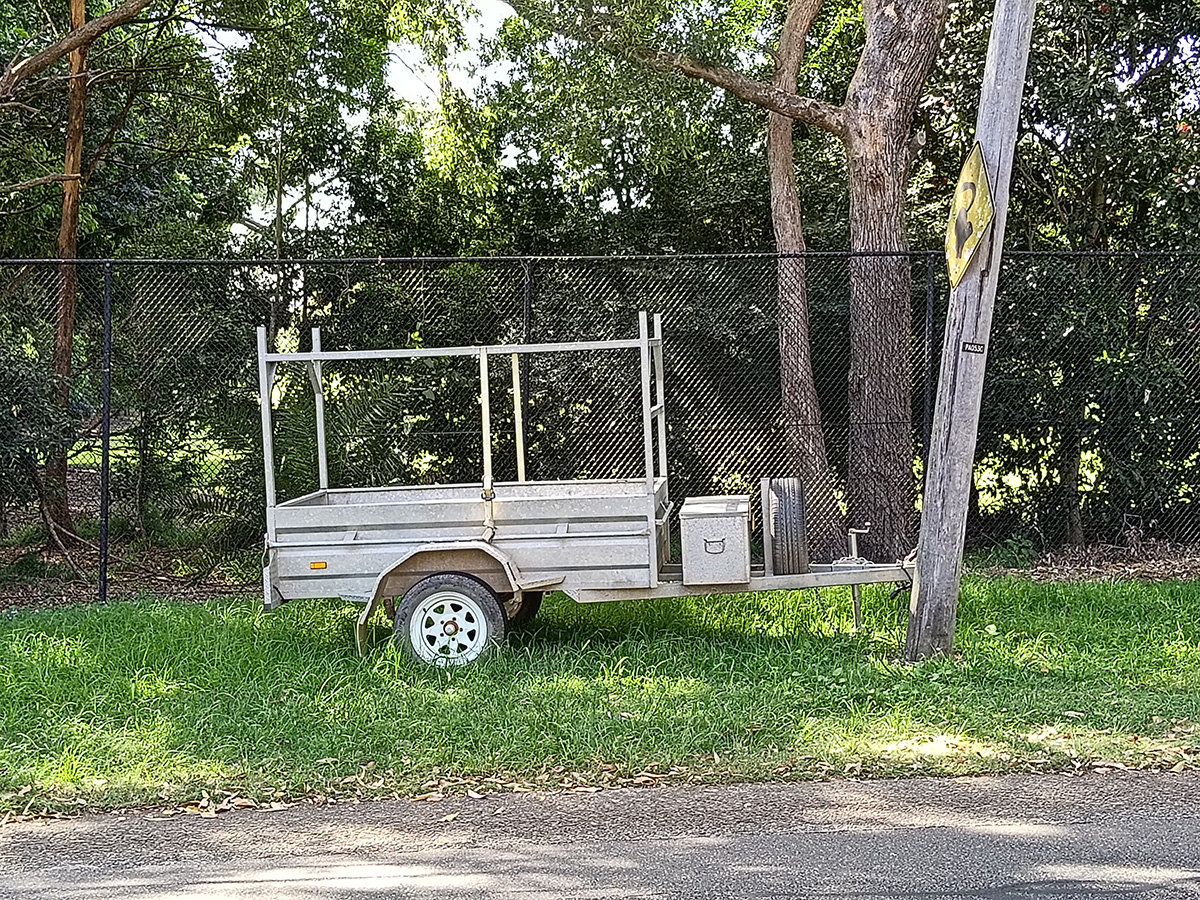
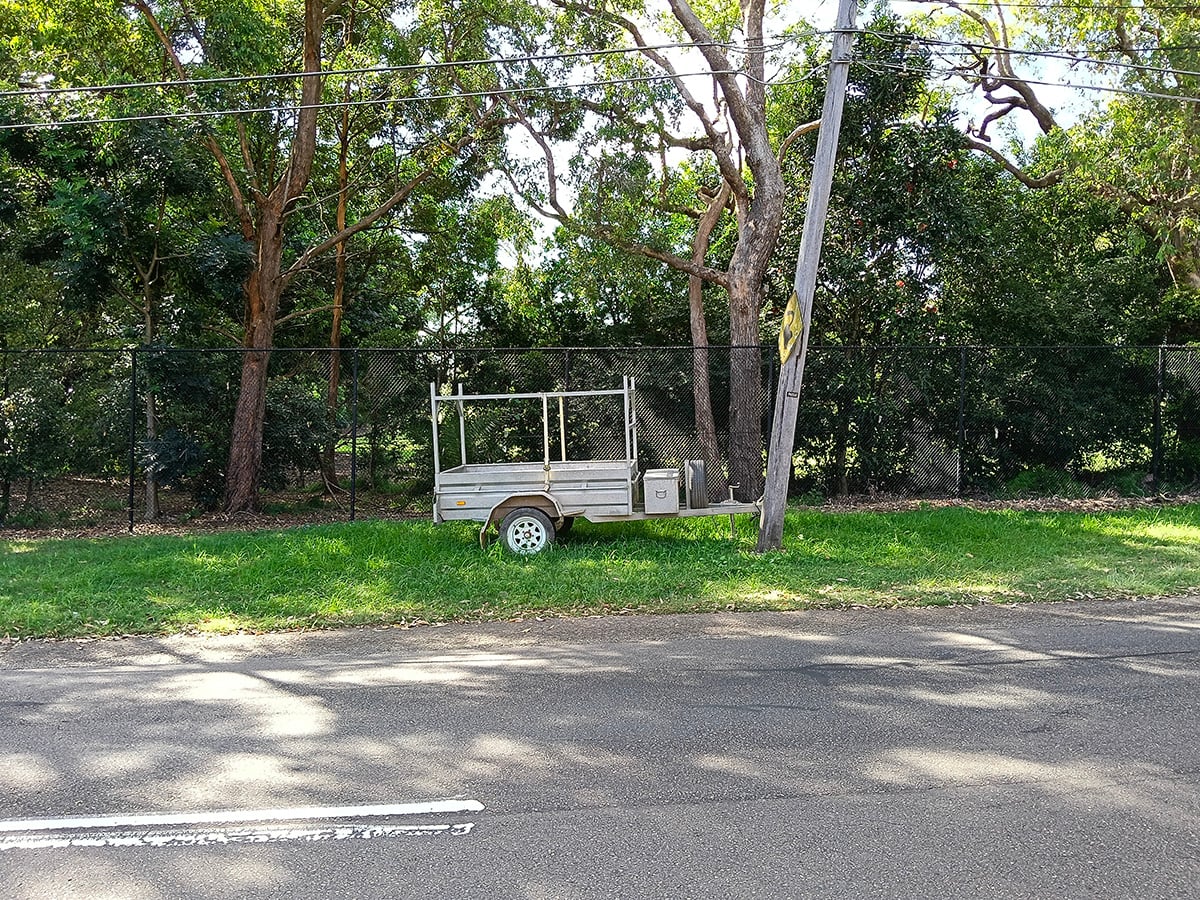
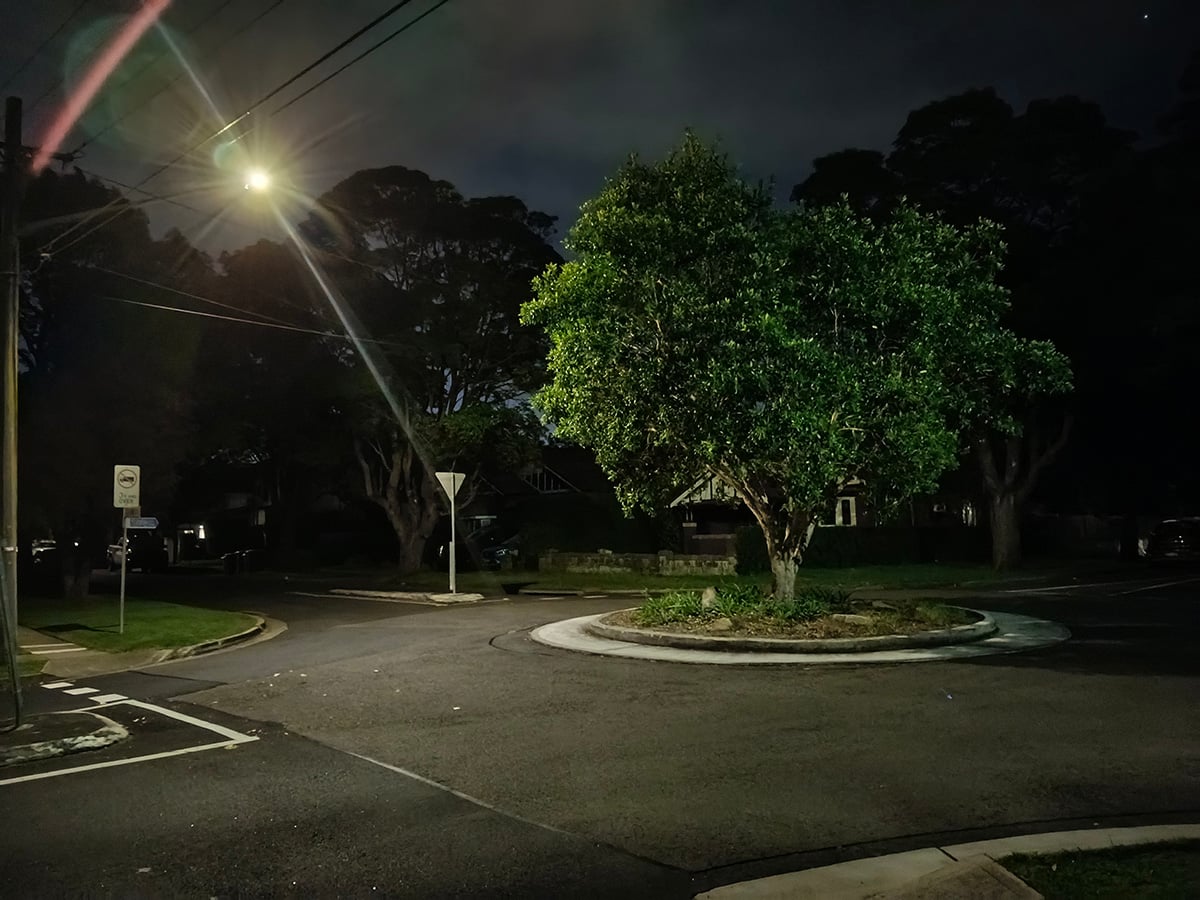


The selfie cam is adequate, if unforgiving. It actually prompted me to check in a mirror, and I don’t think I’m kidding myself when I say my forehead is not this bumpy, despite the camera's insistence.

The selfie cam is also unusually sensitive to distance, so much so that your head can take on an odd shape if you’re not careful with positioning (my forehead is also not quite that big... I think).
The 6.75-inch display has a maximum refresh rate of 120Hz, but the default is 60Hz and, given its lack of processing power, you’ll probably want to keep it at that for smooth sailing. Colours are nice and vibrant, the 256ppi pixel density means clear imagery, and the screen-to-bezel ratio is minimal.
This is all commonplace for a $399 phone’s screen and would normally secure it a place in the “What we like” category, but I take issue with OPPO's claims about (and execution of) brightness. In particular, naming it an “Ultra Bright display” with “clear visibility” in direct sunlight is a bit on the nose.
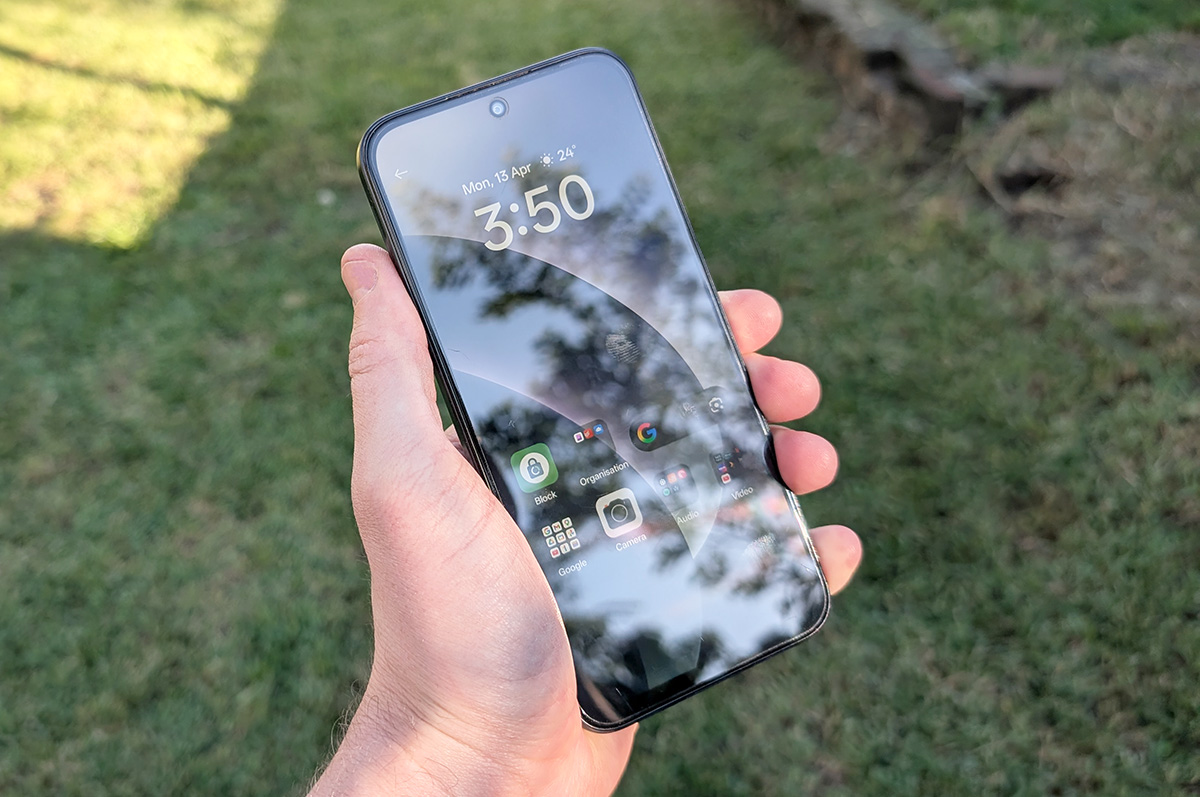
The normal peak brightness is a meagre 700 nits, bumping up to 1,125 nits under direct sunlight. This is barely enough for indirect sunlight on a bright day; as for direct sunlight, forget about it.
To be clear, this isn’t unusual in this price range, but the “Ultra Bright” name suggests it can play in the big leagues, which it can’t. Even in the mid range, it can barely hold a candle to the highly visible 3000 nits of the Google Pixel 10a. On top of that, the A6’s automatic brightness adjustment is downright miserly, to say the least. Just why it so heavily favours dimness is unclear to me – forcing it to full brightness still gave me well over a day’s battery, even when I whittled away hours on YouTube or gaming.
OPPO A6 – Final thoughts
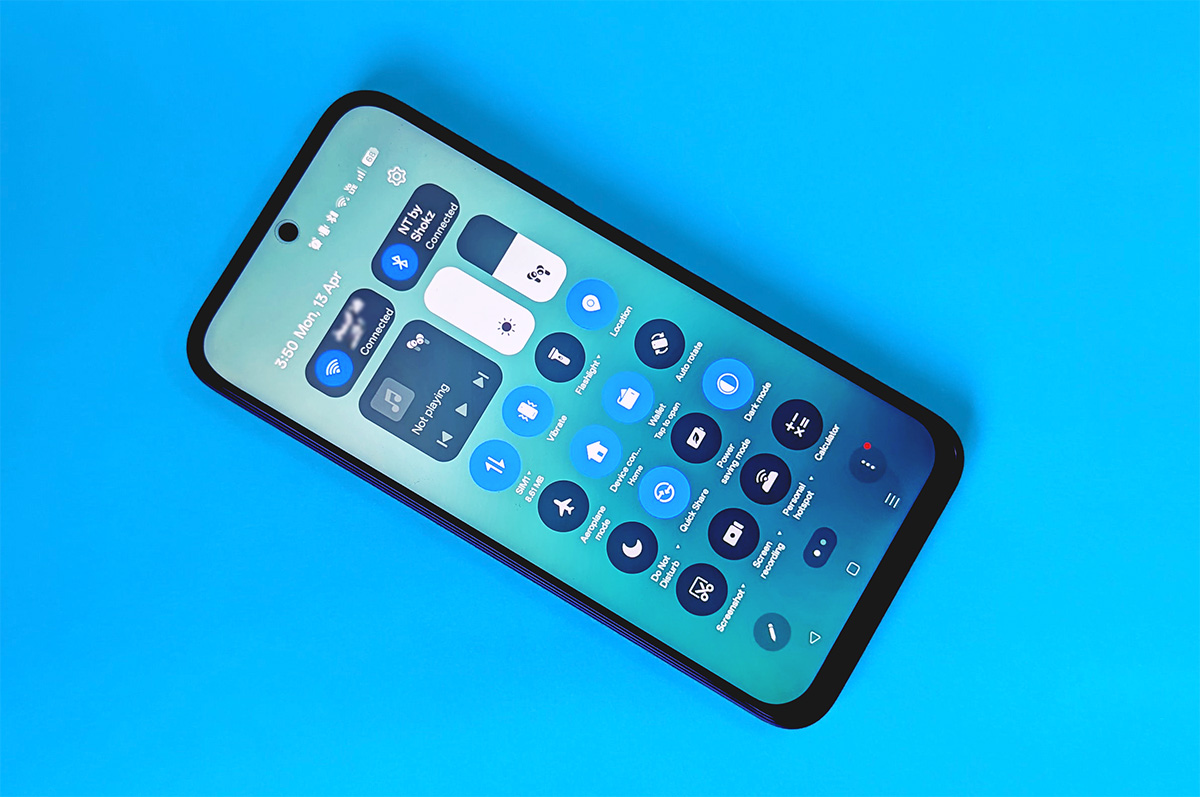
The OPPO A6 is definitely worth considering for $399. Its biggest problem is the automatic screen brightness, which is inconsistent and favours far dimmer settings than it needs to.
But the positives outweigh that one notable issue. Battery life is great and those six years of security updates shouldn't be overlooked. It also gets bonus points for its IP69 dust and water protection, as well as the included protective case.
This phone won't wow you, but it's a good buy for the budget-conscious shopper.
Alex Angove-Plumb
Digital Content Editor

Related Articles


