
Motorola One Vision Review: The Verdict
The Motorola One Vision is a solid mid-range smartphone with a novel screen, a decent camera, and a promise of guaranteed software updates. It's a good device for a good price.
What we love
- Guaranteed software and security updates
- Unique design
- Good value
What could be improved
- Battery life could be better
- Lowlight photography can lack detail
The essentials
- Performance: Smooth day-to-day performance.
- Battery: Should make it through a full day but won't have much of a buffer.
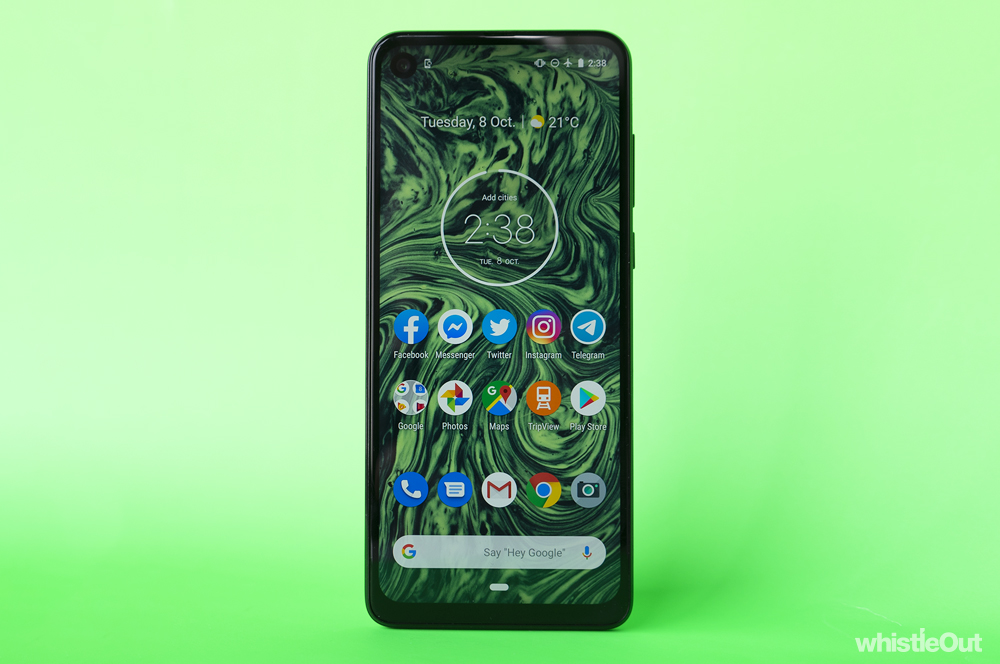
- Screen: Lovely display, although the camera cut-out is a little large.
- Camera: Good for the most part, but can be slow to shoot and images taken at night can lack detail.
75/100
$499
Motorola has a reputation for making great midrange phones; the company's G series has become ubiquitous with affordable quality. The G series isn't going away, but Motorola is trying something new: a range of affordable smartphones powered by Android One, each with their own unique twist.
The first of these to launch in Australia is the Motorola One Vision, named for its camera's 48MP sensor and lowlight capacities. When combined with a $499 asking price, the Motorola One Vision sure sounds promising.
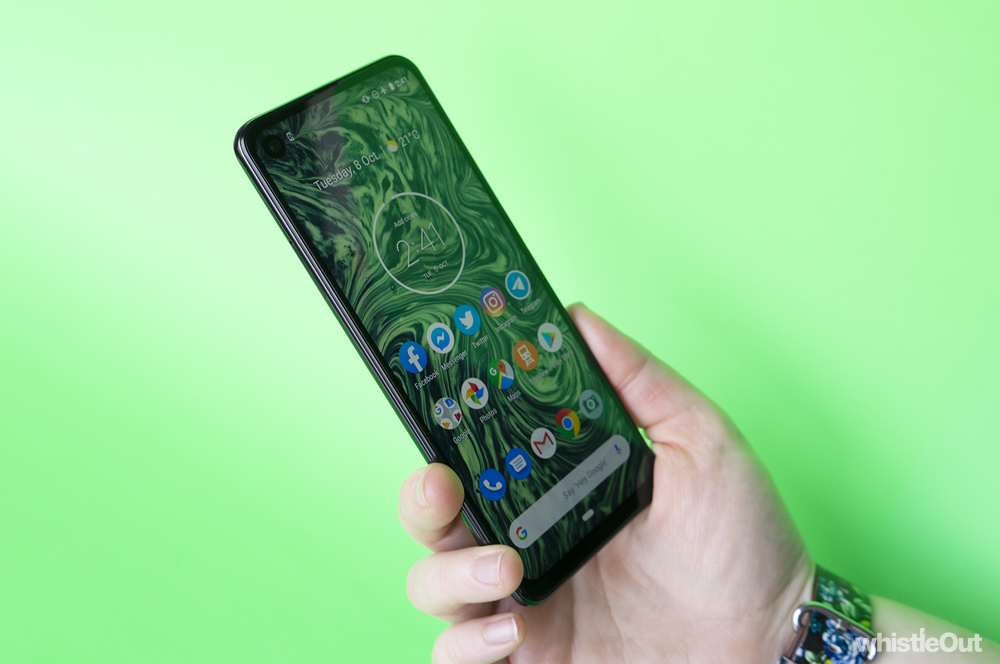
- 6.3-inch 1080p+ display
- Exynos 9609
- 128GB storage, 4GB RAM
- 48MP + 5MP rear-facing camera
- 3,500mAh battery
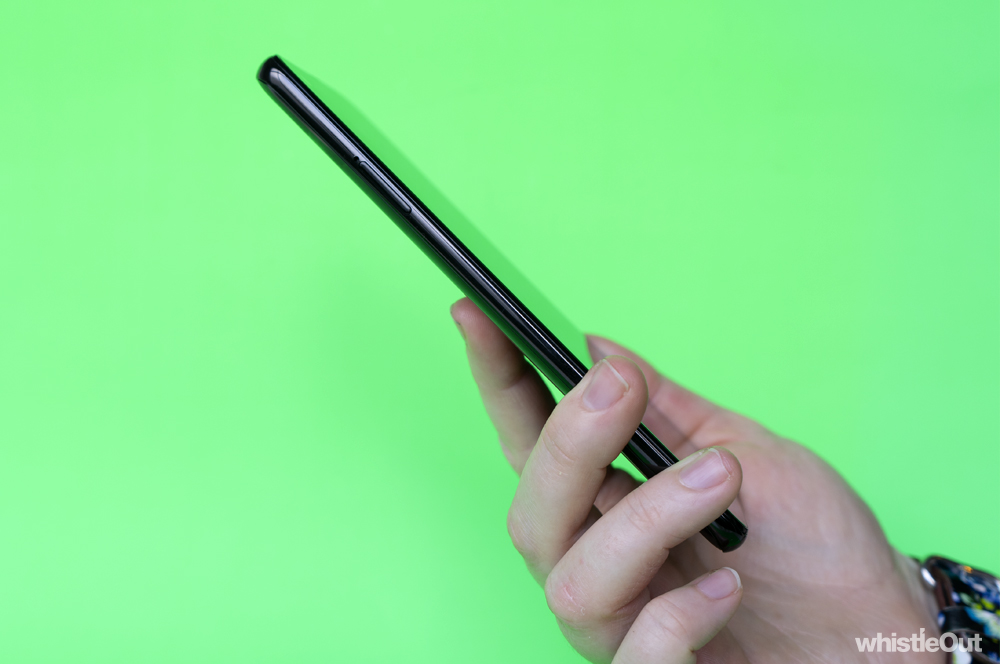
This makes the Motorola One Vision surprisingly great for one-handed usage, at least when it comes to day-to-day stuff like banging out messages. The thinner display means you access the entire keyboard without needing to stretch or strain your fingers. It's a big phone that feels small.
While the 21:9 aspect ratio is certainly novel, there's a question of utility. It's nice to have a little bit of extra screen for scrolling through social media and browsing the web, but it doesn't really do much when it comes to video. Most video on the web is 16:9, so you're left with black bars on either side of the screen. You can pinch to zoom, but then there's a chance you'll crop out part of what's on the screen.
And there is of course the camera cut-out situation. The Motorola One Vision has a rather sizeable selfie camera embedded in the top left-hand corner of the display. While I definitely prefer camera cut-outs on the left, the One Vision's is larger than those we've seen on devices like the S10 and Note 10+. It's not particularly egregious, but it does blow out the size of the notification bar, which in turn reduces your usable screen real estate.

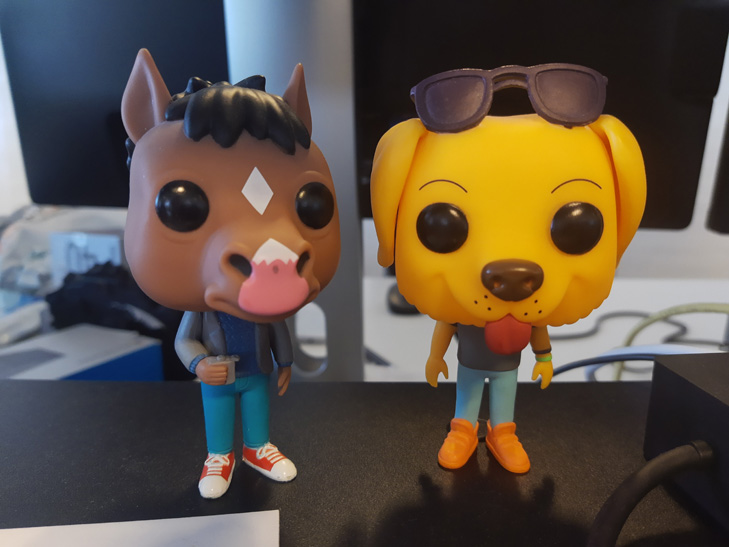
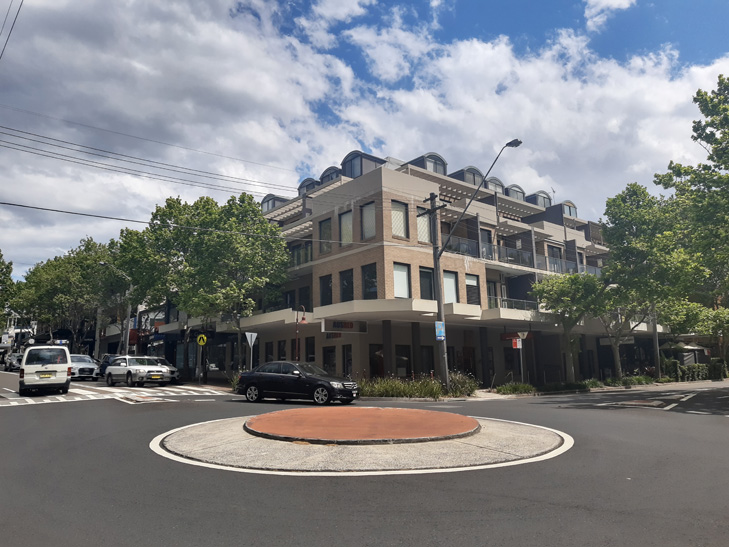
On the back of the Motorola One Vision you'll find a 48MP primary camera (and a 5MP depth lens, for an obligatory portrait mode). While a 48MP camera on a $499 device may seem impressive, the phone's photos feel par for the course. Great shots are possible with good lighting, while consistency decreases as you lose light.
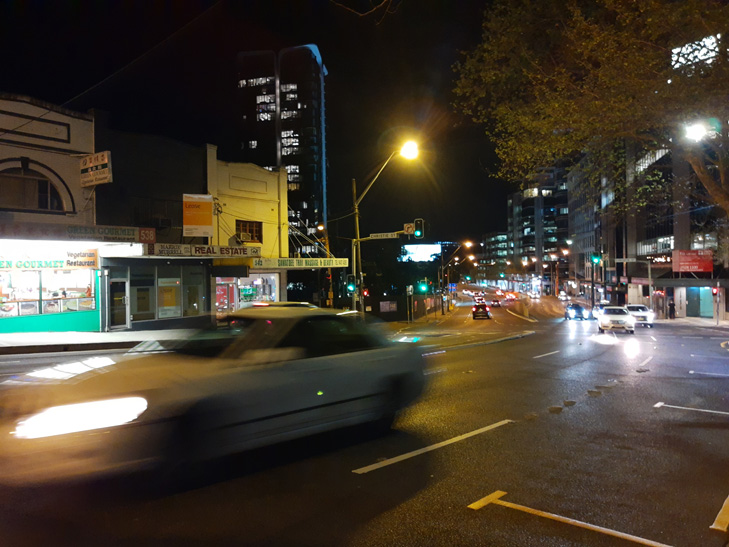
The biggest issue with the Motorola One Vision camera is that it can be slow to shoot, especially in darker environments. This isn't too much of a problem when you're shooting a still subject (although it can soften your shot and reduce detail), but it can add motion blur to your shots when you're dealing with moving subjects.
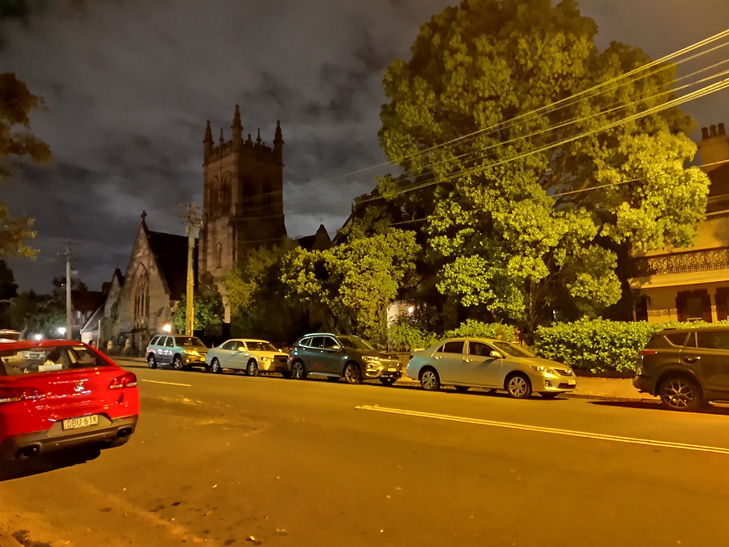
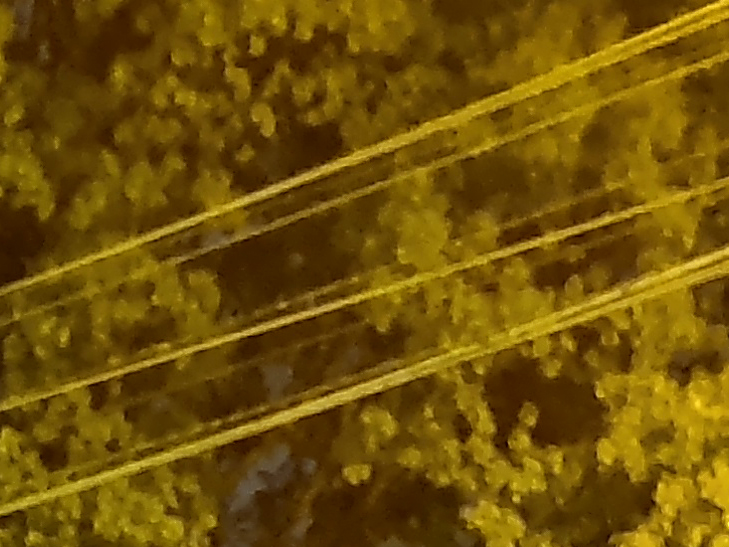
The Motorola One Vision also has a dedicated night mode to help bolster lowlight photography. In general night mode on smartphones takes multiple photos over a longer period of time to stitch them together into one brighter image, but it requires pretty stand hands. While you can get noticeably brighter images using the Motorola One Vision's night mode, this often comes at the expense of fine detail. This isn't too much of a problem if you're just sharing images online, but you'll notice a lot of blurriness as soon as you zoom in.
Here's a shot without night mode:

Here's night mode switched on:
And here's a 100% crop:
The Motorola One Vision is the first Motorola smartphone we've seen in Australia that runs Android One. Android One is a pure version of Android that Google plays a hand in maintaining. All Android One smartphones get security updates every month for a minimum of three years, and two major operating system updates. This should see the Motorola One Vision through to Android 11.
Other than Motorola One Vision, we've really only seen Nokia smartphones launch with Android One in Australia. Motorola moving into this space is a win for consumers, as affordable and mid-range smartphones can often get left behind when it comes to software updates and security. Security patches can be infrequent, and in some cases, devices never see a single update.
Post-purchase software support should be a given when it comes to cheaper smartphones, but unfortunately, it's often not. This alone is a big tick in the Motorola One Vision's favour.
One potential red flag is a less than stellar battery life. You should still be able to get through a full day on the Motorola One Vision, but you might find yourself needing a top-up if you're not intending to go home after work.
Who is the Motorola One Vision for?
The Motorola One Vision is a capable mid-range phone with a price-tag that fairly represents it's capabilities. A larger battery would have been nice, but otherwise, there's not much to complain about when it comes to the Motorola One Vision. On the other hand, there's not much to rave about either. Android One and guaranteed software updates are a big plus, but otherwise, the Motorola One Vision is on par with what you'd expect from a $499 handset right now.
Motorola One Vision camera samples






I don't want a Motorola One Vision, what else can I buy?

Google Pixel 3a
If you can spend $150 more, the Pixel 3a is the best mid-range phone you can buy right now. It's not quite as flash as the Motorola One Vision - it's plastic rather than glass, is heavier on bezels, and just a little less modern - but the Pixel 3a has one of the very best cameras you can get in a phone right now. For a $649 device, that's nuts.
OPPO Reno Z
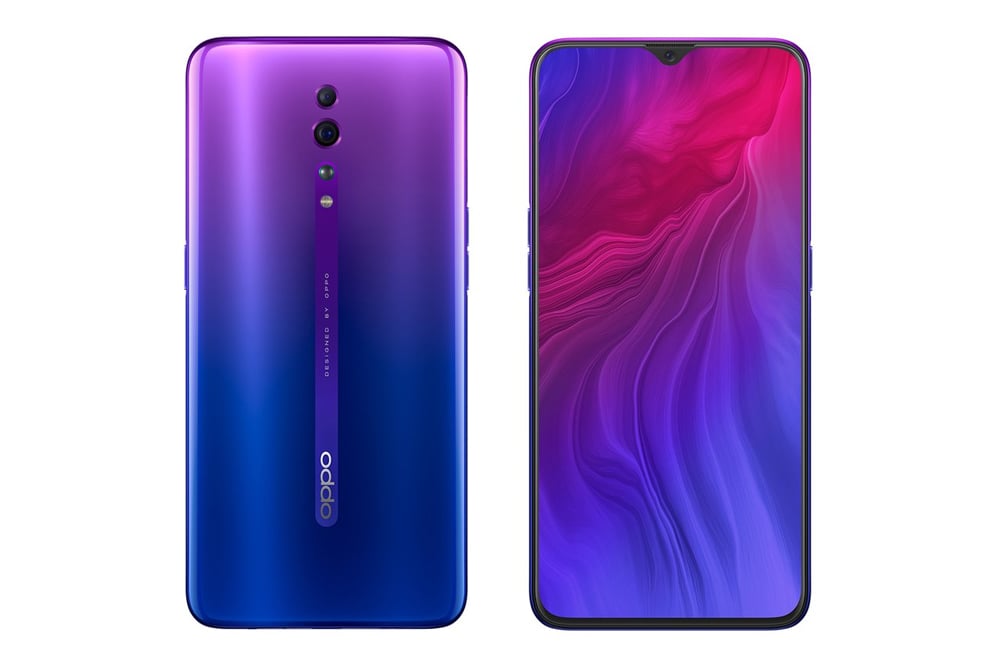
OPPO's Reno Z is pretty similar to the Motorola One Vision, even coming in at the same $499 price-point. There are a few key differences, however. The Reno Z has a better battery life and a more conventional display, but it runs OPPO's custom take on Android rather than Android One. Camera quality on both is roughly on par.
Alex Choros

Related Articles


