

Motorola Moto G7 Plus Review: The Verdict
The Moto G7 Plus is an incredibly polished device that doesn't feel too far removed from the far pricier phones it goes up against. The camera won't blow you away, but otherwise, the Moto G7 Plus is a fantastic alternative to spending $1,000+ on a new handset.
What we love
- Great value
- Excellent display
- Snappy performance
What could be improved
- Average camera quality
- Doesn't distinguish
itself from the standard G7 enough
The essentials
- Performance: Real snappy. You're not making any day-to-day performance trade-offs by opting for a more affordable device.
- Battery: A full day with a bit of a buffer
- Screen: Lovely, no complaints. Will make you believe the Moto G7 is a far pricier phone.
- Camera: Fine for the most part, but hit-and-miss in dark environments or when dealing with challenging lighting.
80/100
Motorola's G series handsets have always represented excellent value, and in 2019, this is truer than ever. Smartphone prices may have risen to new heights over the last 12 months, but Motorola has held firm with the Moto G7 Plus. Last year you'd pay for $499 for a Moto G6 Plus. This year, you'll pay $499 for a Moto G7 Plus. Better yet, Motorola has refined the Moto G7 Plus to the point where it feels like more than just an affordable phone.
Not just affordable
- 6.2-inch 1080p+ display
- Snapdragon 636
- 64GB storage, 4GB RAM
- 16MP + 5MP rear-facing camera
- 3,000mAh battery
Affordable smartphones often come with a stigma. After all, surely you're missing out by spending less. And while a $500 smartphone isn't going to go toe-to-toe with a $1,500 smartphone, they're closer to doing so than ever.
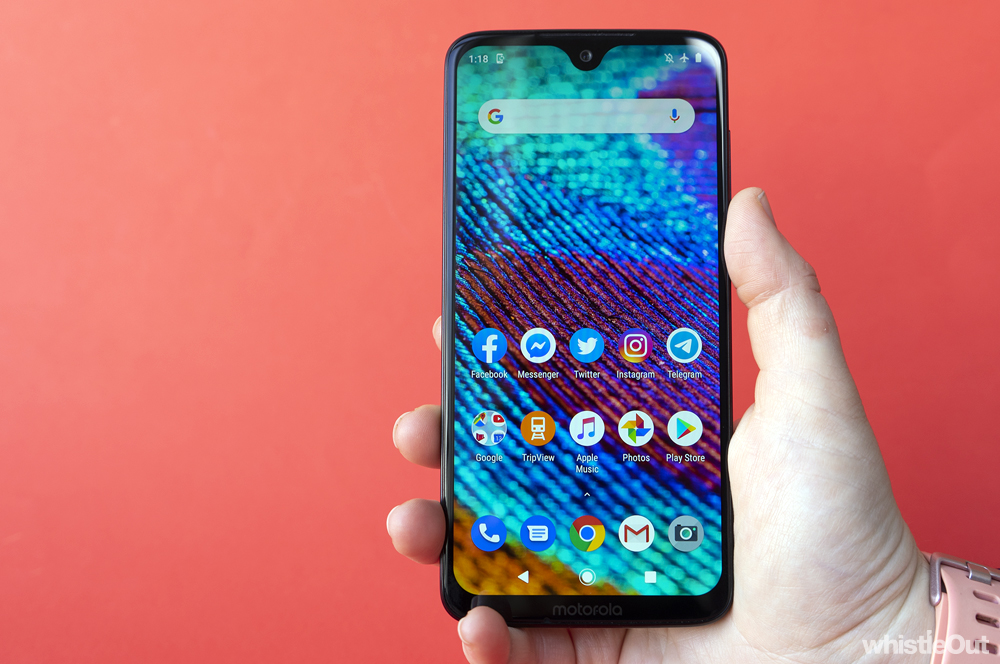
The Moto G7 Plus is the epitome of modern smartphone design. It has a huge 6.2-inch display wrapped in a tiny frame with a tear-drop notch. The display itself is sharp, bright, and vibrant; it wouldn't be out of place on a phone that costs twice as much. There's curved glass on the back, which is a nice touch. The phone's frame is plastic rather than metal, but it doesn't feel like the Motorola skimped out on build quality.
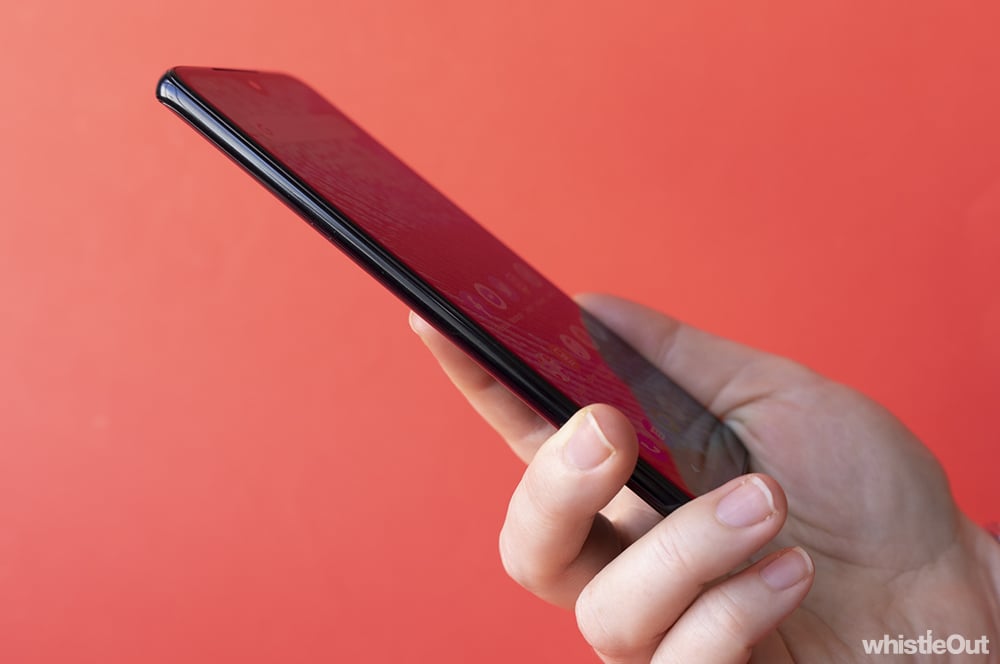
While the Moto G7 Plus doesn't always feel quite as smooth as a top-tier device, it's more than snappy enough. Day-to-day performance is excellent, and the chipset is even beefy enough to handle 3D games reasonably well. Battery life is solid too; I'd typically have at least 30% left at the of the day.
There are a few other additions worth calling out: USB Type-C fast charging (from flat to 80% in half an hour), dual SIM support with a separate slot for a microSD card (other phones typically make you choose between a second SIM and expandable storage), and NFC (at least on the Australian version, even though it's absent on some international models). The Moto G7 Plus runs a mostly clean version of Android, but Motorola has a made a few minor customisations. For example, there's a super useful karate chop gesture that can be used to turn the flash light on and off.
Photo quality is the biggest concession you'll make by opting for the Moto G7 Plus over a more expensive phone, which isn't all too surprising given the $499 asking price. The camera performs well with good lighting, but becomes more inconsistent as soon as you lose light. While you can still get decent shots at night provided you have a bit of luck, the camera itself can be quite slow to shoot. This makes it hard to capture moving objects, and can make it easy to flub a shot if you don't have steady hands.

What's in a name?
Motorola's "Plus" phones have typically been bigger than their standard siblings, but this isn't the case with the Moto G7 Plus. Both the Moto G7 and Moto G7 Plus have 6.2-inch displays this time around, running at the same resolution.
The pair are actually quite similar across the board. The Moto G7 Plus has a slightly faster processor (paired with a faster GPU that will benefit 3D games), a higher resolution primary camera and selfie camera, and faster charging. And it's $100 more outright, naturally. Otherwise, the pair are identical. They've got the same design, the same notched display, the same 64GB of storage, the same 4GB of RAM.
It's a shame the Moto G7 Plus doesn't standout a little bit more. Despite having the faster processor on paper, there isn't a huge difference in day-to-day usability between the pair. The Moto G7 Plus' camera has a slight edge over the standard Moto G7, but results tend to be pretty similar most of the time. One area where the Moto G7 Plus easily performs better is lowlight. While neither camera is great with darker environments, the Moto G7 Plus gets sharper photos more consistently.
Who is the Moto G7 Plus for?
The Moto G7 Plus is a reliable midrange phone that's priced perfectly for what it is. It would have been nice to see a little more improvement in the camera and a bit more distinction from the standard Moto G7, but all in all, it's hard to want more for $499. The display is gorgeous, the design screams flagship, the battery will last you the day, and the phone just runs well. Motorola has done it again.
See on Amazon
Moto G7 Plus camera samples










I don't want a Moto G7 Plus, what else can I buy?

Motorola Moto G7
The Moto G7 is $100 cheaper than the Moto G7 Plus, but incredibly similar. The pair have the same size display, the same capacity battery, and identical design. The processor is tad slower (although this will only affect gaming) and you won't get as sharp photos in lowlight, but otherwise, the Moto G7 makes few other sacrifices.
Motorola Moto G7 Power
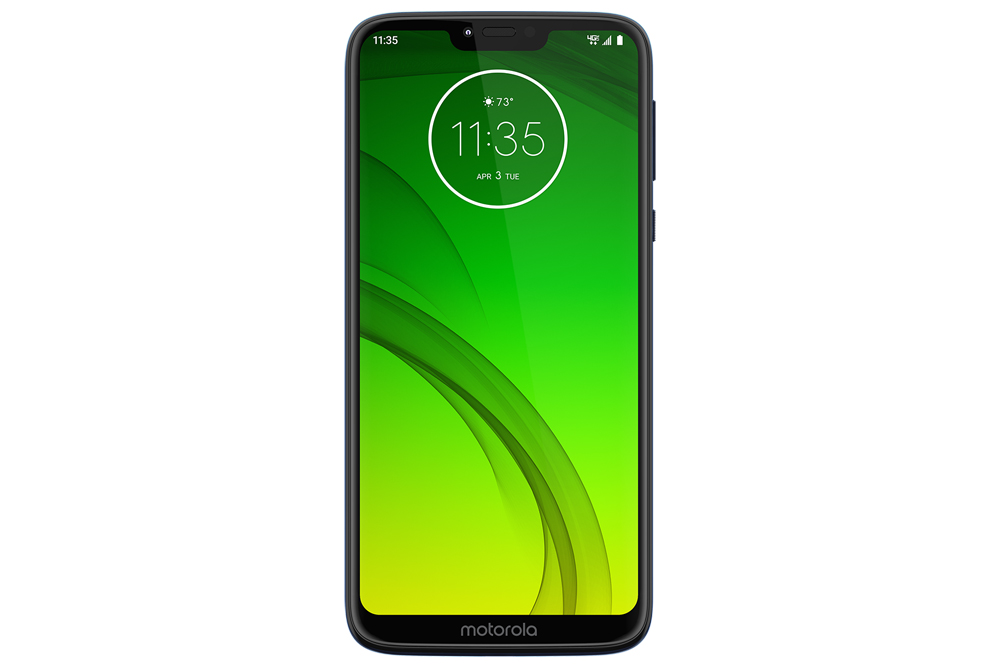
If battery life is your primary concern, you might prefer the Moto G7 Power. The screen resolution is a little lower and there's only one rear-facing camera, but in exchange, you get a massive 5,000mAh battery said to last three days per charge. The Moto G7 Power is also a bit cheaper, retailing for $336.
Google Pixel 3a
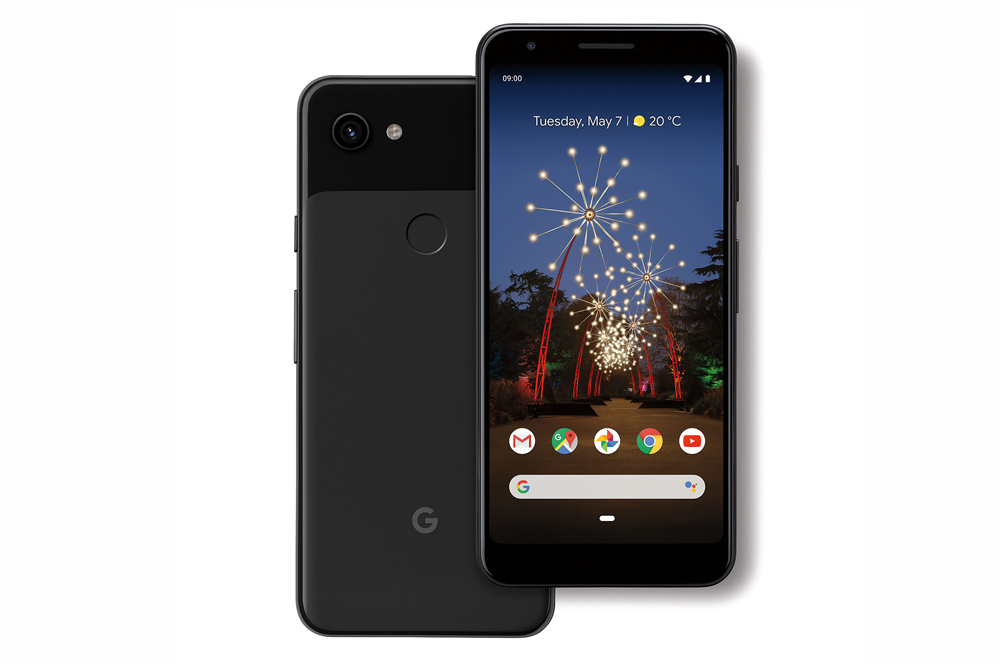
If you're okay with spending a little more, the Google Pixel 3a is currently the mid-range phone to beat. It doesn't look quite as swish as the Moto G7 Plus, but the Pixel 3a easily has the best camera on any mid-range phone right now, even besting some $1,000+ smartphones.
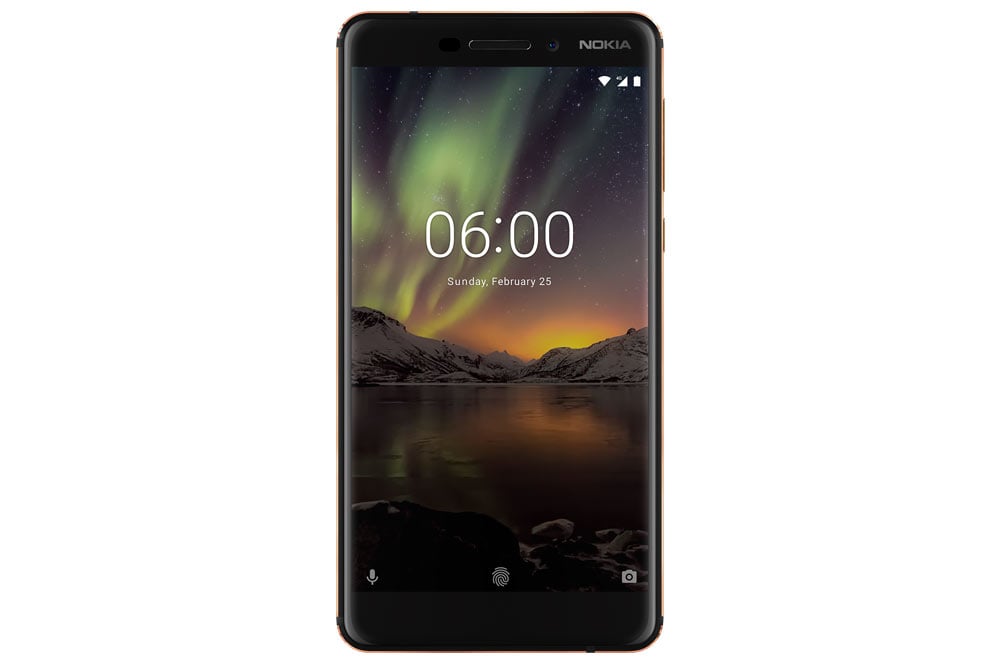
Nokia 6.1
The Nokia 6.1 is another great affordable smartphone running a pure version of Android. It's a little bit blockier, but it runs Android One, which comes with the promise of monthly security updates and at least one more major operating system upgrade. The Nokia 6.1 retails for $399 outright, but you can often find it for less on sale.
Alex Choros

Related Articles


