
.jpeg "Apple Watch next to iPhone")
I have been an Apple Watch devotee for nigh on five years. In that time, it’s accompanied me on international trips and countless swimming sessions, to friends’ weddings, and even hospital visits. I wore it so often that I quickly cultivated what I consider to be the worst watch tan a human being has ever had.

Please accept this as evidence.
So how, after all these years, does someone as addicted to their Apple Watch as I was simply take it off one day and never look back?
It’s simple. I believed my Apple Watch was making me a fitter, healthier, stronger person. Looking back, I understand that the opposite was true. It was turning me into a bit of a wreck.
Data + health anxiety = 🥲
Streaks are great motivators. They're the only reason I’ve kept up with French lessons on Duolingo for the last 1,163 days. Unfortunately, streaks are also toxic as hell. I found myself doing anything and everything to close my rings in pursuit of that Perfect Month badge on my Apple Watch. If I realised right before bed that I was three minutes short of my activity goal, I would jog on the spot, right there in my jammies, even if I could barely keep my eyes open.
If I didn’t close each ring every day, I felt guilty and disappointed. And let me tell you, guilt and disappointment are two of the worst motivators you could possibly have on any health journey. But still, I did it, because at the time I believed it was making me both physically and mentally stronger, and I loved watching all the numbers do what I wanted them to do. It became something of an addiction.
Having so much data about yourself is a double-edged sword. Was it fascinating to watch my resting heart rate slowly drop over time as I got healthier? Sure. Did I love seeing my VO2 max (a measure of cardiorespiratory fitness) increase each month since I started running? You bet. Was it handy being able to track my cycle right from my wrist? Definitely.
But watch any one of those metrics take a turn for the worse, and that sense of guilt again rears its ugly head. Did I not work out hard enough this month? Should I really have eaten those last three slices of pizza? Take that data too much to heart, and you’ll stop living. Instead of having that much-needed quiet day to rot on the couch with my dog and a big bag of chips, I’d end up forcing myself to do a workout I didn’t enjoy, all for the sake of my precious rings. I’d order some boring salad instead of the burger my soul was craving.
Humans, and particularly health anxiety-riddled humans like myself, simply aren’t meant to have this much data on themselves. Sure, you hear about the occasional story of a smartwatch alerting someone that they may be having a heart attack. But for a reasonably healthy, ordinary person, what good is knowing my blood oxygen level while I’m working at my desk job? Do I really need a smartwatch to remind me to breathe?
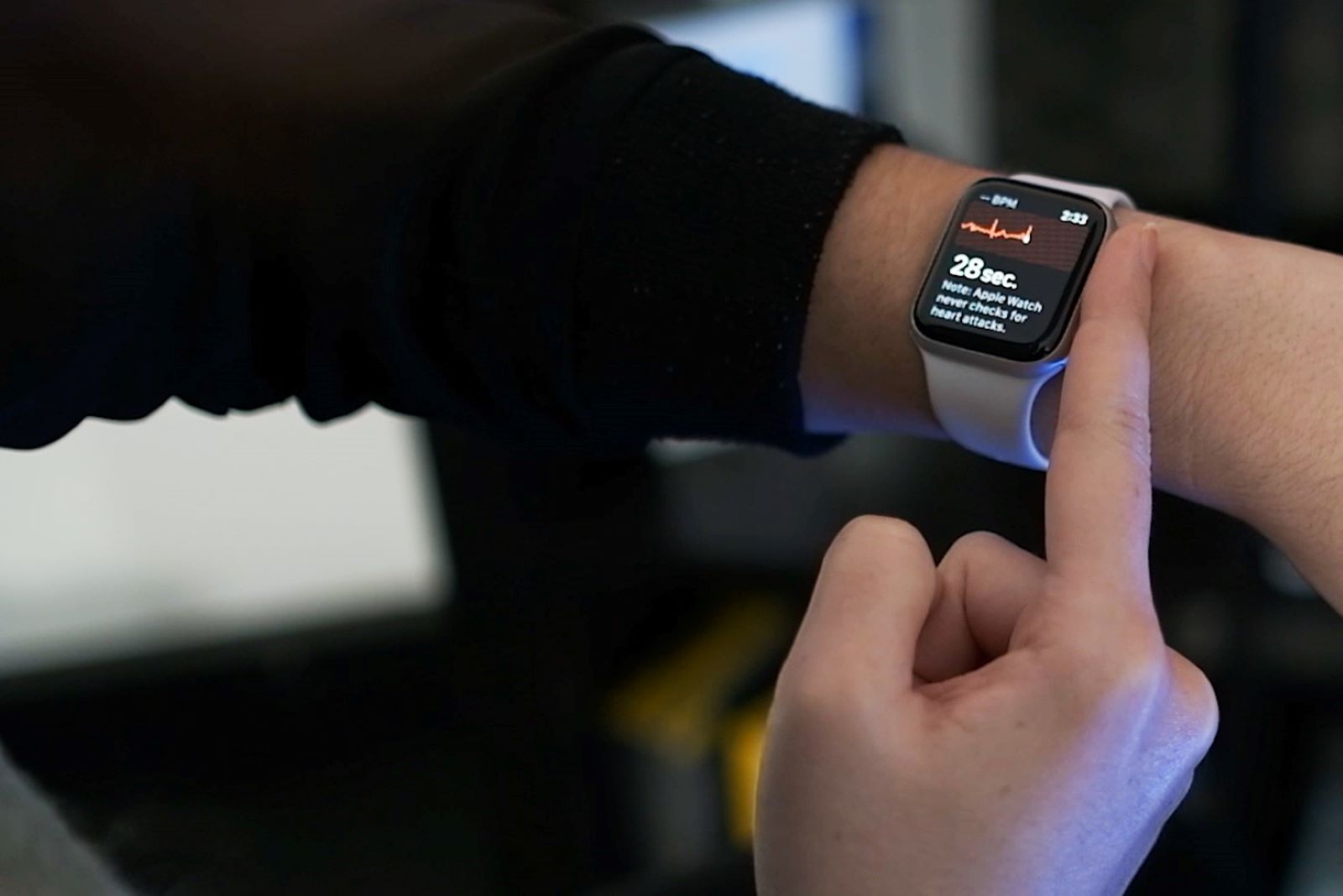
The era of the smartwatch is over
Humans love shiny new things, and at first, the idea of a little computer on your wrist felt like the stuff of science fiction. But 10 years on from the first Apple Watch release, the novelty of smartwatches has well and truly worn off. After you spend some time with one, you quickly come to realise that it’s an extension of your phone. One that you’re wearing every single second of every single day.
Australians recently got the right to disconnect, meaning employees can legally refuse to read, answer or respond to work-related messages and calls outside of working hours. But why stop there? Why not extend that right to disconnect to our non-working lives, too?
We don’t need to be as connected as we are, receiving calls or getting social media notifications at all hours of the day and night, regardless of whether you want them. And yes, I know Do Not Disturb exists. But it’s hard to feel truly disconnected when you’re literally physically connected to a device 24/7.
Which brings me to my next point. Smartwatches are ugly. I look back at photos from formal events and holidays alike, and there it is, sticking out like a sore thumb, my Apple Watch. Despite gathering a diverse collection of watch straps designed to make it less conspicuous, in the end, it’s just putting lipstick on a pig.
That being said, I haven’t quite swung from smartwatch stan to hater. Do I miss it? Honestly, sometimes. I’m constantly missing calls because I don’t have something buzzing insistently at my wrist until I answer. I no longer track workouts, which is better for my mental health, but makes achieving fitness goals a bit trickier.
Like every tool, when used correctly, a smartwatch can truly improve a person’s quality of life. The Apple Watch can detect falls in older people, it can alert emergency services and loved ones if it thinks you’ve been in a car crash, and it can warn you when you’re in an area with such high noise levels that your hearing is at risk of damage. For the right kind of person, it can be a true motivator, making you fitter, healthier, and happier. I’m just not that kind of person.
I didn’t completely fall off the health wagon, as I feared I would when I ditched the Apple Watch. I kept the good habits, but I can feel the toxic ones I’d built over those years slowly melting away. My mental health has never been better. And my wrist? Almost completely watch tan-free.
These are the most popular NBN 50 plans with WhistleOut users this week:
|
#1
|
Dodo

All Fixed Line nbn®
Editor's Pick
nbn50 Unlimited Plan
$57.99/mth
Min. cost $57.99
|
|
#2
|
amaysim

All Fixed Line nbn®
NBN50
$45/mth
Min. cost $45
|
|
#3
|
Tangerine Telecom

All Fixed Line nbn®
Value Plus NBN 50/20
$64.90/mth
Min. cost $64.90
|
|
#4
|
TPG

All Fixed Line nbn®
nbn50 Unlimited Plan
$69.99/mth
Min. cost $69.99
Link not supplied
|
|
#5
|
Belong

All Fixed Line nbn®
NBN Standard Plus – Unlimited
$55/mth
Min. cost $55
|
|
#6
|
Superloop

All Fixed Line nbn®
Extra-value nbn50/20
$69/mth
Min. cost $69
|
|
#7
|
Aussie Broadband

All Fixed Line nbn®
Value nbn - Unlimited
$70/mth
Min. cost $70
Link not supplied
|
|
#8
|
iiNet

All Fixed Line nbn®
nbn50 Liimitless
$69.99/mth
+ $10 Upfront
Min. cost $79.99
Link not supplied
|
|
#9
|
Kogan Internet

All Fixed Line nbn®
Silver Unlimited
$69.90/mth
Min. cost $69.90
|
|
#10
|
Flip

All Fixed Line nbn®
Unlimited Family nbn50
$68/mth
Min. cost $68
|

Georgia Dixon
Managing Editor - Singapore

Related Articles


