

2014 was a great year for smartphones. We saw awesome releases almost across the board, a shake-up of old release cycles and even a few much-needed changes to the thinking of the industry’s biggest manufacturers.
Before we get in to naming names, we'll quickly cover some popular features.
- Water resistance: water resistance debuted before this year, but 2014 was definitely when it broke through to the mainstream
- IR blasters: this one's a 2013 introduction, but using your phone as a universal remote never gets old
- Bigger batteries: the last 12 months saw its fair share of 2-day phones. This definitely needs to continue.
- Fast charging: a few devices came out that could charge in a fraction of the time we're used to - very useful and very cool.
- Screen resolutions: 2K screens made their popular debut this year. While we were a fan of this introduction, we'd like to see screen res plateau in 2014 in favour of bigger batteries and other features.
Sony
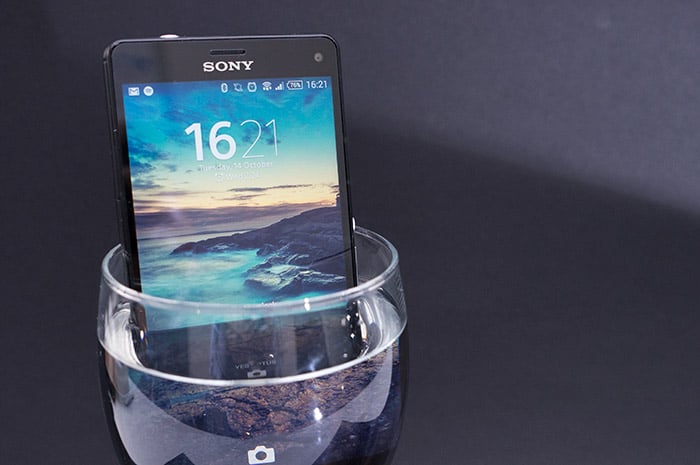
Not being the most popular manufacturer, Sony might seem like a strange place to start this story but stick with us. It’s all about water-resistance and common sense. Sony was the first company to take on waterproofing for its flagship devices in a big way.
Granted, it started in 2013, but back then it was obvious that sacrifices were being made in order to accommodate its new aquatic angle. Those sacrifices stopped in 2014 and we finally saw some great top-tier devices that weren't afraid of a little liquid.
Suddenly even Samsung is on board with its IP67-rated Galaxy S5. Almost every smartwatch released, too, has sported an IP67 water resistance rating. Even HTC has jumped in the pool with the HTC Desire Eye, which doesn't even require a little flap over its USB port to keep the water out.
Sony continues to have the best water resistance – the Z3 and Z3 Compact are both a combination of IP65 and IP68.
Lastly, Sony brought compact quality back to Android. The Xperia Z3 Compact is the first pint-sized Android (4.7 inches is apparently small now) in quite a while that doesn’t seriously sacrifice on hardware. Android fans that like pocket-sized handsets are finally catered for again.
Two of the Android platforms biggest complaints – water resistance and no options for small phones – were addressed by one maufacturer. Well done, Sony.
|
Sony Xperia Z3 Compact Telstra Plans |
Sony Xperia Z3 Compact Optus Plans |
Apple
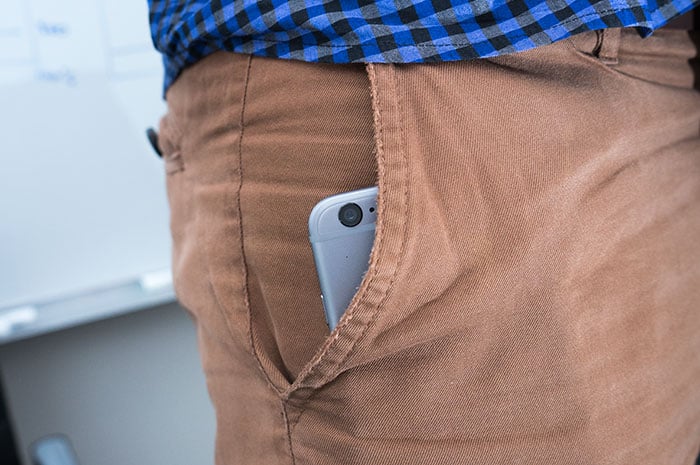
Obviously 2014 was always going to be big for Apple. Even-numbered years always are; they’re the ones where Apple gets to embrace a new iPhone number and try to disrupt the industry all over again.
While any tangible disruption was minimal, Apple made some big changes. The smallest iPhone is now 4.7 inches and moving forward we’re now likely to see two big premium devices each year, thanks to the apparent success of the 5.5-inch iPhone 6 Plus.
Bigger still, though, Apple reclaimed its place on the smartphone camera throne. There really isn’t anything on the market right now that can compare to the 6 Plus’ photographic dynamism.
We also saw an increased pixel density in the iPhone 6 Plus. Until now, iPhones have had 326 pixels per inch. The 6 Plus has closer to 400, which Apple calls “Retina HD”. The rest of the industry already calls it 1080p, but let’s put that aside and simply hope this is a gateway to better iPhone resolutions.
Lastly, the iPhone 6 Plus' battery almost lasted 2 days comfortably for us. The iPhone 6 made a day and a half without breaking a swear. iPhone users' battery troubles are behind them. Bigger screens, better resolution, amazing cameras and great battery life. More of all of this, please.
|
iPhone 6 Telstra Plans |
iPhone 6 Optus Plans |
iPhone 6 Vodafone Plans |
iPhone 6 Vrigin Mobile Plans |
Samsung
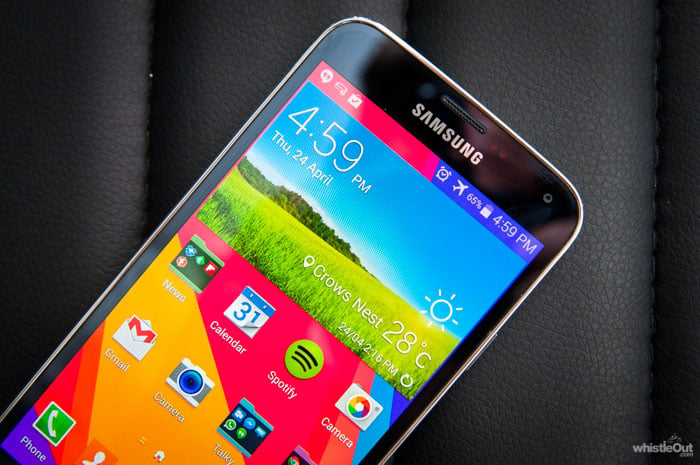
Samsung has a well-earned (bad) reputation for cramming gimmicky features in to its phones. Eye-tracking software, heart-rate monitors and countless bloatware apps that, while are appealing to some, cannot be deleted by those that find little use for them. The end result is an otherwise well-made phone that is bogged down by a top-heavy user interfaced (UI) filled with stuff you don’t need. Unfortunately, that didn’t change with the GS5.
What did change is the approach to physical design. We finally saw Samsung shy away from its plasticy approach and embrace metal in the Galaxy Note 4. Granted, it was only a tiny amount of metal, but the Note 4 also brought no new useless features to the table. Hopefully this is an indication of further thinking along these lines. Better build quality; less pointless, lag-inducing novelties.
|
Samsung Galaxy S5 Telstra Plans |
Samsung Galaxy S5 Optus Plans |
Samsung Galaxy S5 Vodafone Plans |
Samsung Galaxy S5 Virgin Plans |
HTC
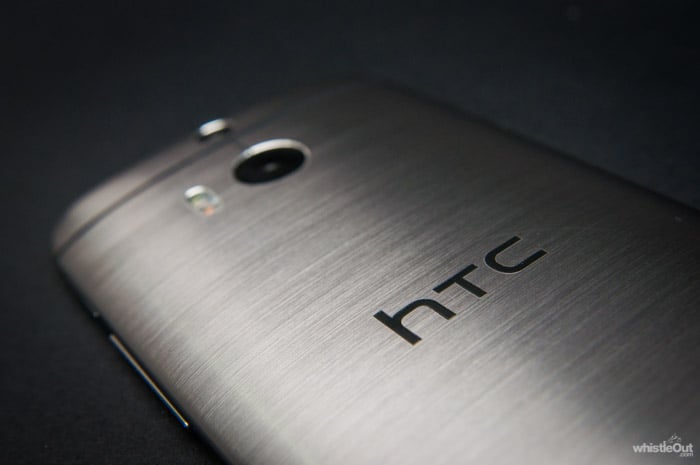
HTC... well HTC didn’t change much in 2014. The HTC One (M8) is definitely the most beautiful device of 2014, but it followed the design principals of the previous M7. Its camera, metal body and even screen resolution are all the same or vastly similar. Admittedly, there was a depth-sensor added to the camera, but you can chalk that one up to “gimmick” and store it next to all Samsung’s famous foibles.
HTC did nothing wrong in 2014, but it did nothing new. That being said, if you want a good-looking, well-constructed handset then HTC is still your first port of call.
|
HTC One (M8) Telstra Plans |
HTC One (M8) Optus Plans |
HTC One (M8) Vodafone Plans |
LG
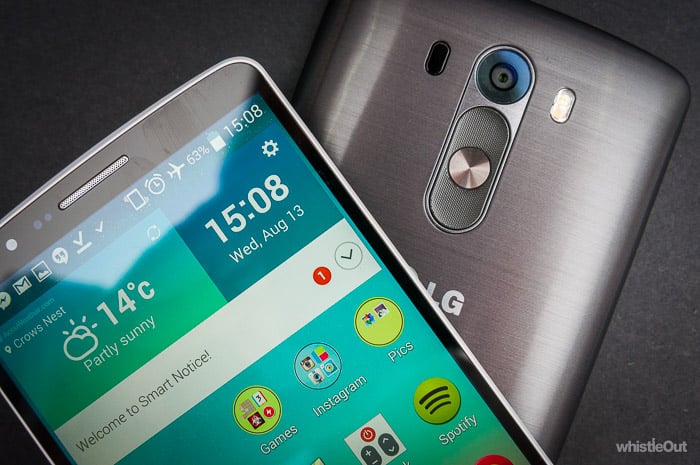
LG is one of this year’s biggest success stories. G3 sales may not have been stellar, but it proved to the tech community that LG has what it takes to be a fully top-tier device manufacturer. In many markets it was the first quad-HD display to hit shelves. In every market it has some of the thinnest bezels around, despite that crazy resolution.
The camera is great, the physical design is beautiful and, more important than the rest, LG finally nailed User Interfaces (UIs).
The last model, the LG G2, was a good device, but its UI was boring. It was like having a super car that looked and drove like a Ford Fiesta. You knew it had the power, but it oozed ‘mundane’ from every pore.
The LG G3 fixed that, finally bringing LG’s user experience in line with its hardware. Now if only they could make it run a little more smoothly then Samsung might have some serious problems.
|
LG G3 Telstra Plans |
LG G3 Optus Plans |
LG G3 Vodafone Plans |
LG G3 Virgin Plans |
Motorola
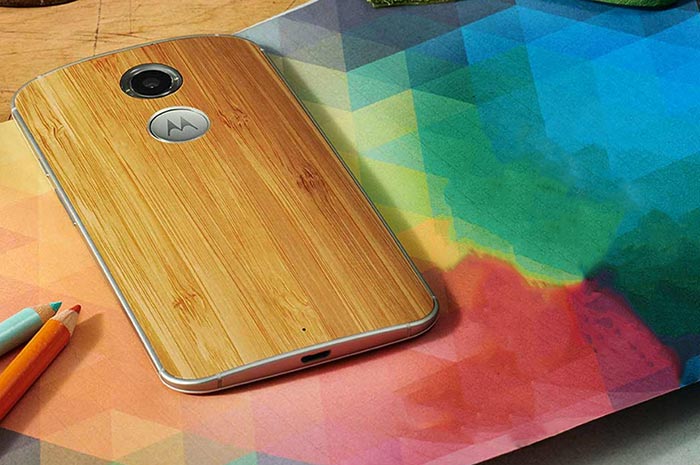
Motorola’s big shakeup year was 2013. This year has been more of a consolidation period. The new Moto X and Moto G are fantastic phones, well before you factor in their low prices. Once you do that they’re frankly astounding. Just like last year.
Then the Nexus 6 (also Moto-made) hit shelves and showed everyone what Motorola could do if it was willing to charge you top-end prices. It's big, powerful, fast and by some reports sports a great camera; something for which Moto is certainly not famous.
Motorola is on a roll right now. It needs to keep doing everything that it’s doing with only one small change: better cameras across the board. It’s the one aspect missing from the Moto X right now and love for the Nexus 6 camera has not been unanimous. Fix those photos and we’re Moto’s for the taking.
OPPO, Huawei, OnePlus
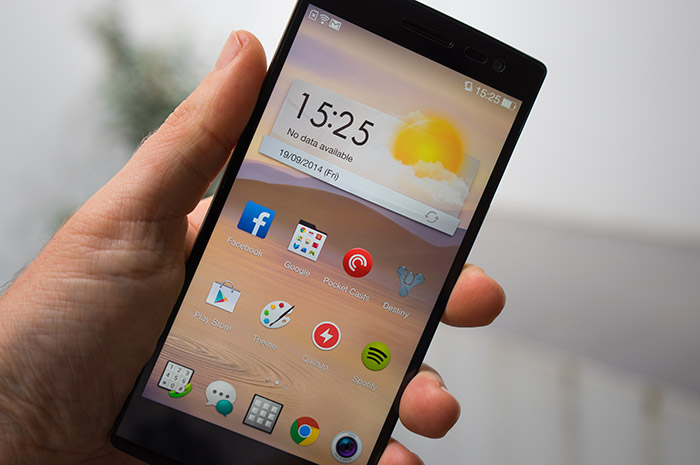
These three Chinese manufacturers took 2014 by the reins and made it their own. All of them released fantastic devices that made absolutely no sacrifices in hardware or experience and still managed to keep prices lower than the competition.
You may not be familiar with them, but keep an eye out. The next two years are bound to see a big boom in global popularity for OPPO and Huawei.
OnePlus is a newer manufacturer, so future predictions are difficult. If it can increase its manufacturing capacity and continue on from its impressively affordable OnePlus One, then only good will come of its success.
Budget handset madness
In 2013 there was one choice for a budget handset: the Motorola Moto G. It boasted the kind of specs that phones double the price found difficult to compete with, then threw in a default Android UI for faster updates just in case you weren’t already totally convinced.
It was designed an industry-shaker and boy, did it work. This year we’ve seen the HTC Desire 510, Desire 610 and Desire 816 – all great phones that would have been astonishing for their price in 2013, but this year were all merely ‘a very good deal’.
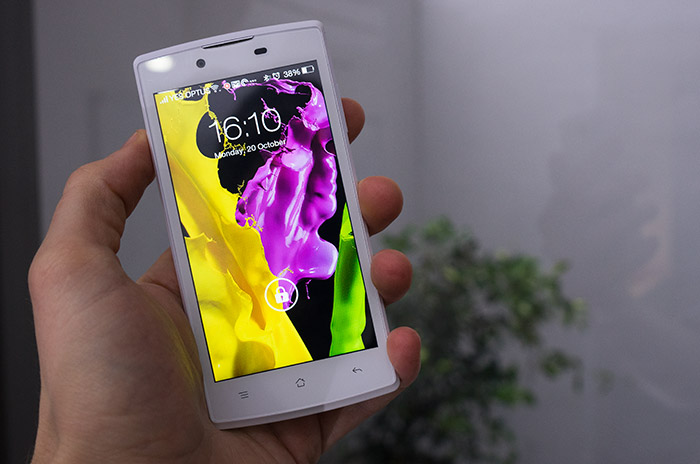
OPPO released the Neo 5. It’s not as good as the Moto G 2nd Gen in many respects, but it sports a seriously-passable camera and is cheaper to boot.
Windows Phone got on board with the Nokia Lumia 530 and 635. These were surprisingly fluid, useful and vibrant devices.
We even got in the frankly-astounding Boost View 5.0, which retailed for a cool $99 at launch. It was no GS5, but for a 5-inch phone that you can buy with a single Australian note it did itself and its makers – Alcatel – proud.
The next phase
With all of this behind us 2015 is looking exciting to say the least. If the major players in the industry, as well as the newcomers, decide to focus on their strengths and not their mistakes then we could see some great stuff come out in the next 12 months.
Of course, nothing ever quite works out perfectly. We’re bound to see a lot of devices that offer familiar features for a premium price, but it only takes one or two phone makers to see the light for change to happen.
Sony was a minor player in 2013, now it’s almost solely responsible for the water-resistance trend. Motorola was nowhere at the end of 2012, now it’s one of the best pone manufacturers around. It's impossible to predict who will be next to make waves in an industry that moves this quickly. 2015, show us what you've got.
Alex Angove-Plumb
Digital Content Editor

Related Articles


