
 Prefer WhistleOut in Google
Robot vacuum and home appliance manufacturer Dreame has revealed more about its ambitious new lineup of phones, first announced last month.
The electronics company, which was founded in 2015, is primarily known for its robot vacuums and extended lineup of appliances, including stick vacs, pool cleaners, mowers, hair dryers, and air fryers. Despite focusing on more traditional home appliances, Dreame has explored segments as broad as EVs and is now working on its own range of smartphones.
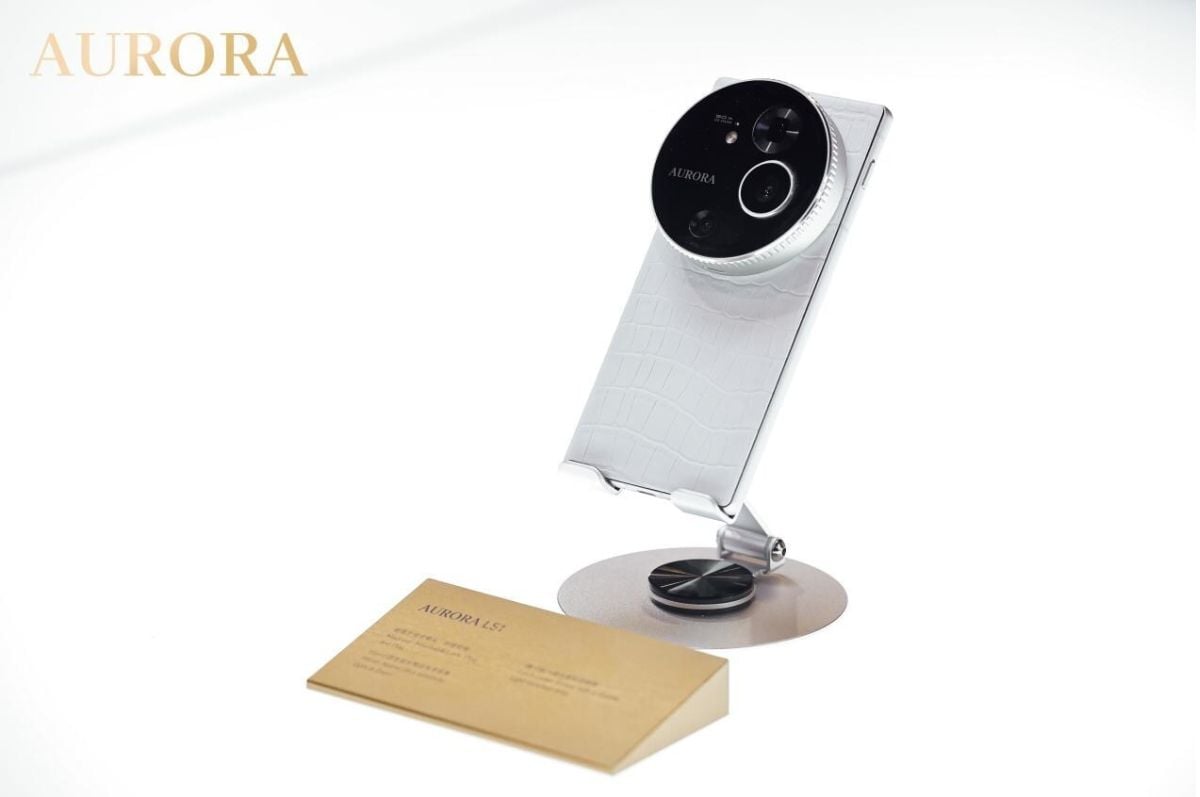
The Chinese manufacturer revealed the three Aurora devices alongside more than 20 smart home products at its event Dreame Next in San Francisco. This included a standard Aurora smartphone, the modular Aurora Nex, and the kitschy Aurora Lux line.
The Aurora Nex is particularly striking. It has a MagSafe-like mounting position in place of a built-in camera bump. Instead, there are four optional modules: a 50MP Action Camera Module, a Telephoto Module, a Satellite Connection Module, and an Agent Module.
Two of the modules provide camera functionality, while the satellite connection sounds just like that, a connectivity extender to help you stay connected on the go. The agent module appears to be some kind of AI companion, presumably in the vein of the Rabbit R1.
There are also reports of a fifth module that was demonstrated as being a fan to cool the phone during mobile gaming sessions.
Dreame wouldn't be the first manufacturer to tackle modularity on smartphones. Google's own modular device, called Project Ara, was shelved during the prototyping stage.
Motorola's more recent attempt, called Moto Mods, did make it to market — it released things like battery packs, speaker systems and even a mini projector that could all be hot-swapped onto the device. However, after a few years of initial interest, the business discontinued the Z-series.
We also saw Tecno's Modular Phone at MWC Barcelona, though only time will tell whether that interesting beast is just vapourware or something substantive.
Dreame's Lux model features a range of different backings from watch faces in place of camera bars and patterns with different designs, such as snakeskin rather than standard colourways.
Alongside the devices, the manufacturer has developed its own operating system Aurora OS 1.0, which is based on Google's Android system.
At this stage, there's no official launch date for the Aurora smartphones, concrete specs, speculative pricing, or any confirmation of whether they'll even come to Australia.
Dylan Crismale
Digital Content Editor

Related Articles


