

Apple's pintsized powerhouse is back, with the iPhone 13 mini now available. Here's everything you need to know about Apple's latest, including plans, pricing, and more.
This page focuses on the iPhone 13 mini, but you can find more about the other 2021 iPhones here:
Looking for the iPhone 13 Pro? Below are the most popular plans available on the 128GB model.
iPhone 13 mini Quick Links
- iPhone 13 mini Price
- iPhone 13 mini Design
- iPhone 13 mini Camera
- iPhone 13 mini Colours
- iPhone 13 mini Battery Life
- iPhone 13 mini 5G
- iPhone 13 mini Processor
iPhone 13 mini Price
Apple held firm with iPhone 13 pricing, meaning every model has the same starting price as last year's equivalent. Once again, the iPhone 13 mini is your cheapest option for getting a new device.
- iPhone 13 mini 128GB: $1,199
- iPhone 13 mini 256GB: $1,369
- iPhone 13 mini 512GB: $1,719
- iPhone 13 128GB: $1,349
- iPhone 13 256GB: $1,519
- iPhone 13 512GB: $1,869
- iPhone 13 Pro 128GB: $1,699
- iPhone 13 Pro 256GB: $1,869
- iPhone 13 Pro 512GB: $2,219
- iPhone 13 Pro Max 1TB: $2,569
- iPhone 13 Pro Max 128GB: $1,849
- iPhone 13 Pro Max 256GB: $2,019
- iPhone 13 Pro Max 512GB: $2,369
- iPhone 13 Pro Max 1TB: $2,719
iPhone 13 mini Design
The iPhone 13 mini is still the smallest iPhone, and doesn't look too different to last year's model. The notch is 20% smaller, however, and the phone is just a tad thicker.
The iPhone 13 mini looks almost identical to the iPhone 12 mini from the front, and features the same size 5.4-inch screen. It will easily be the most pocketable of the bunch.
The below image compares the iPhone 13 mini and iPhone 13 to the iPhone 13 Pro and iPhone 13 Pro Max.

Both the iPhone 13 mini and iPhone 13 have high resolution OLED displays, just like their Pro siblings. This means the screens are more vibrant and have higher contrast. Photos and videos have a little extra pop, and the screen is able to display deep levels of black as it lights up individual pixels as needed. In addition, Apple says the screens are 28% brighter than last year's model.
One feature the iPhone 13 mini misses out when compared to its Pro siblings is a ProMotion 120Hz refresh display. High refresh rate displays make all motion on a display look a little smoother.
Like last year's iPhones, the iPhone 13 mini has "Ceramic Shield" glass on the front. This makes it four times more drop-resistant than iPhones that use regular glass.
iPhone 13 mini Camera
The iPhone 13 mini has two all new cameras for better low light photography
Like the iPhone 13, the iPhone 13 mini packs improved 12MP primary and ultra-wide lenses.
The 12MP primary lens is the same kind of camera we saw on last year's iPhone 12 Pro Max, featuring better stabilisation and a larger sensor size. This especially helps with capturing photos in dark environments; Apple says it gathers 47% more light. The new ultra-wide lens also touts better low light performance, so you should be able to get clearer wide-angle photos at night.
Apple has also added a new "Cinematic" video mode that helps create professional focus transitions. For example, it can anticipate when a subject enters the frame, or change focus when your subject gazes at something else. You can also tap to shift focus at any time, or lock focus on a subject.
iPhone 13 mini Colours
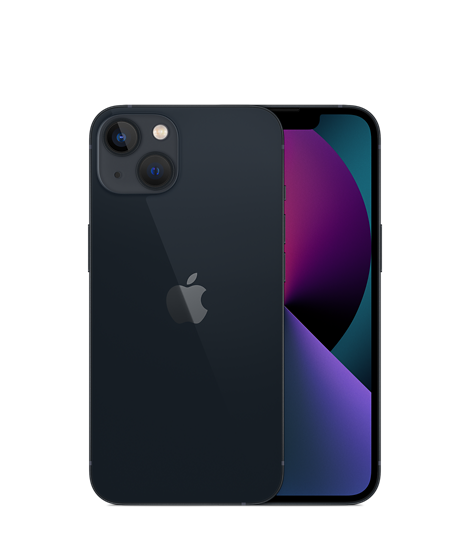
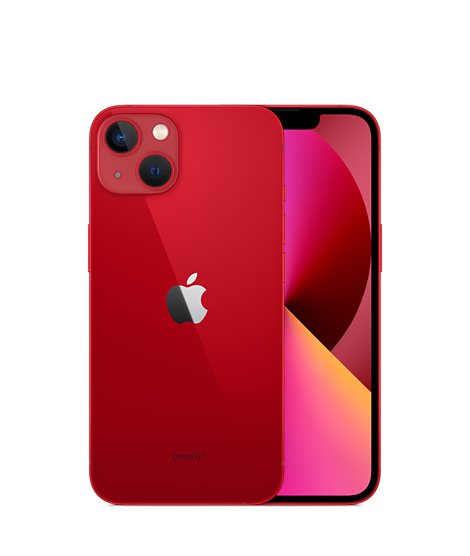
Both the iPhone 13 mini comes in five colours: pink, blue, midnight, starlight, and red.



iPhone 13 mini Battery Life
Apple says the iPhone 13 mini battery will last about 1.5 hours longer than the iPhone 12 mini.
Apple's official battery metrics for the iPhone 13 mini are as follows:
- Up to 17 hours of video playback
- Up to 13 hours of streamed video playback
- Up to 55 hours of audio playback
Battery improvements are certainly a welcome addition when it comes to the iPhone 13 mini, given the iPhone 12 mini had the shortest life out of the pack when it came to last year's bunch. Hopefully the greater capacity makes it a little easier to consistently hit a full day per charge.
iPhone 13 mini 5G
The entire iPhone 13 family has 5G connectivity, just like last year's devices.
As with the iPhone 12 family, all four iPhone 13 models have 5G connectivity. Once again, Australian models only feature sub 6 connectivity, rather than mmWave as in the US. No phone in Australia has launched with mmWave capabilities, yet.
WhistleOut's coverage checker tool has been upgraded with 5G coverage maps, making it easy to see whether you can get 5G. All you need to do is pop in your address when searching for a new phone plan. After you've done so and hit Search, you can jump straight to the coverage map by tapping See Coverage Map and then tapping Click To Activate Interactive Map.
This map will show you what kind of coverage you have in your area. 5G coverage is highlighted using the darkest shade of purple, but unticking 4G and 3G can help make it clearer. The drop down menu lets you choose between telcos.
Coverage maps are only approximate, only show outdoor coverage, and may be impacted by local conditions such as buildings.
iPhone 13 mini Processor
Even the teeny tiny iPhone 13 mini is powered by the A15 processor, Apple's fastest smartphone chip yet.
Apple says the A15 processor is 50% faster than the leading competing chip, but hasn't disclosed year-on-year improvements compared to the iPhone 12 family. Either way, you should expect top-tier performance from the iPhone 13 mini.
It is however worth noting that the A15 found in the iPhone 13 Pro and iPhone 13 Pro Max has slightly better graphics performance.
iPhone 13 specifications
| iPhone 13 mini | iPhone 13 | iPhone 13 Pro | iPhone 13 Pro Max | |
|---|---|---|---|---|
| Display | 5.4-inch OLED | 6.1-inch OLED | 6.1-inch OLED | 6.7-inch OLED |
| Resolution | Super Retina | Super Retina | Super Retina | Super Retina |
| Refresh Rate | 60Hz | 60Hz | 120Hz | 120Hz |
| Rear Cameras | 2x 12MP | 2x 12MP | 3x 12MP + LiDAR | 3x 12MP + LiDAR |
| Front Camera | 12MP | 12MP | 12MP | 12MP |
| Processor | A15 | A15 | A15 | A15 |
| Storage | 128GB - 512GB | 128GB - 512GB | 128GB - 1TB | 128GB - 1TB |
| Water-Resistance | IP68
|
IP68 | IP68 | IP68 |
| 5G | Sub 6 | Sub 6 | Sub 6 | Sub 6 |
| Price | From $1,199 | From $1,349 | From $1,699 | From $1,849 |
Choosing an iPhone Plan
With the WhistleOut search tool, you'll be able to compare iPhone 13 mini plan pricing and inclusions across every provider. But there's a lot more to iPhone plans than just cost and data. Here's a breakdown of the major benefits you can expect each provider to offer.

Telstra iPhone plans are often the priciest on the Australian market, but they do come with a few perks. These include:
- Access to Telstra's super-fast 4GX network
- Data-free access to Apple Music
- Access to the Telstra Plus perks and rewards program
While Telstra iPhone plans aren't cheap, they're all rather flexible. They're no-contract on the basis that you can leave at any time, you'll just need to pay out the remaining value of your phone. You also have the option to step up or down in plan inclusions up to one time per month, which is great if you have variable usage.
Telstra also offers the option to pay off your iPhone over 12 or 24 months. And all plans come with zero excess data charges. If you go over your cap, your data will simply be slowed to speeds of 1.5Mbps, which is still fast enough to stream video in SD. But speeds may be slower during peak times.
Compare Telstra iPhone plans
Optus iPhone plans come with big data inclusions and entertainment extras. Optus iPhone plans come with:
- Free access to Optus Sport
- Discounted movie tickets for Hoyts cinemas through the Optus Perks program
All Optus plans are contract-free, devices can be paid off across 12, 24, or 36 months, and you can customise inclusions like roaming and international calls on a month-to-month basis. In addition, all Optus postpaid plans are now free from excess data charges. If you go over your allowance, you'll be slowed to 1.5Mbps rather than being billed $10 per gigabyte.
Compare Optus iPhone plans
Vodafone iPhone plans may not come with the kinds of freebies and perks you can get from Optus or Telstra, but they do offer a lot of flexibility. Like Telstra and Optus plans, Vodafone plans are contract-free on the basis that you can leave at any time without penalty. You'll just need to pay out the remaining value of your handset.
You can also step up or down in plan inclusions up to once per month, and ease the burden of an iPhone price tag with the option to pay it off over 12, 24 or 36 months. You'll pay the same overall for your iPhone no matter which option you pick.
Vodafone postpaid plans are all free from excess data charges. When you go over your plan allowance, you'll be capped to 2Mbps and 10Mbps, depending on how much you're spending per month. The higher your bill, the higher your capped data speeds. Vodafone also has a truly unlimited plan, with one slight catch - you'll only get 30GB of data for hotspotting each month.
You'll also get access to Vodafone's famous $5 roaming, which is still easily the best way to travel with your Australian phone number.
Compare Vodafone iPhone plansAlex Choros

Related Articles


