

5G has now been available in Australia for a handful of years now, but it's still far from ubiquitous. You might be wondering if it's worth the upgrade yet, or even just how it varies from the 4G networks we're using today. Let's find out.
What is the difference between 4G and 5G?
4G and 5G are both mobile networks that connect your phone to the internet. The 'G' in each simply stands for generation. So where 4G means 'fourth generation', 5G stands for 'fifth generation'. As it is with most technology, the larger number indicates the newer, better version of a particular technology.
The key difference between 4G and 5G is that 5G is faster. Much faster. You should easily be able to get 4G speeds of 50Mbps in metro Australia, while 5G in theory can go over 500Mbps. That's a tenfold improvement. A download that might take 50 minutes on 4G would only take 5 minutes on 5G.
5G also offers lower latency connections and can support more users at the same time, which should help reduce congestion.
4G vs. 5G speeds
5G speed is theoretically more than ten times faster than 4G. In reality of course things are slightly different. 5G performance can be affected by a multitude of factors including signal strength, congestion, and what device you're using to connect to the network.
In historical testing we performed, we managed to attain 5G speeds over 700Mpbs in Sydney. But we also saw results below 100Mbps where network conditions weren't ideal.
Providers (including the big three) have however started introducing speed caps on their 5G plans. These are typically between 100Mbps and 250Mbps, so they're still much faster than 4G.
5G speeds are also being improved through mmWave 5G networks.
mmWave 5G networks use higher frequencies than the current 5G networks in Australia, and as such, can achieve faster speeds. On mmWave 5G, you can expect to see speeds download speeds between 500Mbps and 2.5Gbps.
Currently, mmWave is being rolled out in entertainment hubs such as the Melbourne and Sydney Cricket Grounds, CBDs and other high-traffic areas. However for it to really make an impact it would require more phone manufacturers to get on board with mmWave. At the moment, the Pixel 6 Pro and Pixel 7 Pro are the only phones available with mmWave connectivity in Australia.
Mbps stands for "Megabits per second" it's how internet speed is measured. There are eight megabits in a megabyte. Therefore, if your mobile internet speed is 50Mbps, you can download 6.25MB of data per second.
4G vs. 5G cost
Cost is a complicated topic when it comes to 5G. In some cases 5G is more expensive than 4G, in others, it isn't.
For example, Telstra and Vodafone include 5G connectivity as standard on all of their plans. On Optus, you'll need to pay a premium for 5G on a prepaid plan. Its cheapest prepaid plans don't include 5G - they're stuck on 4G.
Fortunately, there are more options for 5G than the big three telcos. A handful of MVNOs now offer 5G mobile plans for less.
Compare the cheapest 5G SIM-only plans against the cheapest 4G capable plans with at least 20GB of data:
|
#1
|
Coles Mobile

Prepaid $30 for 28 Days - Starter Pack
$10.00
Starter Pack
28 Day Expiry
Link not supplied
|
|
#2
|
Pivotel

25GB Mobile Swift Plan
$11.45/mth
Min. cost $11.45
|
|
#3
|
amaysim

UNLIMITED 42GB Plan
$12.00
Starter Pack
28 Day Expiry
Link not supplied
|
|
#4
|
SpinTel

Editor's Pick
$23 Mobile Plan
$12.00/mth
Min. cost $12
|
|
#5
|
OnePass mobile

28 Day Plan - 22GB
$12.50
Per 28 Day Renewal
Link not supplied
|
|
#6
|
Boost Mobile

$39 Prepaid
$13.00
Starter Pack
28 Day Expiry
|
|
#7
|
Moose Mobile

Moose 23 SIM Only
$14.00/mth
Min. cost $14
Link not supplied
|
|
#8
|
Swoop

30GB SIM Only 5G
$14.00/mth
Min. cost $14
|
|
#9
|
Lyca Mobile

Editor's Pick
Unlimited Plan S
$15.00
Per 28 Day Renewal
Link not supplied
|
|
#10
|
iiNet

30GB Small Plan
$15.00
Per 1 Month Renewal
Link not supplied
|
|
#1
|
SpinTel
Editor's Pick
$23 Mobile Plan
$12.00/mth
Min. cost $12
|
|
#2
|
Swoop
30GB SIM Only 5G
$14.00/mth
Min. cost $14
|
|
#3
|
Moose Mobile
Moose 30 SIM Only
$17.00/mth
Min. cost $17
Link not supplied
|
|
#4
|
Dodo

Small Mobile Plan
$25.00/mth
Min. cost $25
|
|
#5
|
Tangerine Telecom

30GB 5G Mobile SIM
$30.00/mth
Min. cost $15
|
|
#6
|
Aussie Broadband

Saver 5G SIM Plan
$30.00/mth
Min. cost $30
Link not supplied
|
|
#7
|
More

30GB 5G Mobile SIM
$33.00/mth
Min. cost $33
Link not supplied
|
|
#8
|
Belong

25GB Mobile Plan
$34.00/mth
Min. cost $34
Link not supplied
|
|
#9
|
Coles Mobile
$35 Mobile Plan
$35.00/mth
Min. cost $12
Link not supplied
|
|
#10
|
Optus

$60 Optus Choice Plus Plan
$39.00/mth
Min. cost $39
|
Devices are the other part of the question. When 5G first launched, you couldn't get a 5G-ready smartphone for less than $1,500. Now, we're seeing 5G devices for less than $400. While not every phone has 5G yet, there are more and more options on the market, at a wider range of price points.
Here's a selection of popular 5G phones you can get from telcos today:
iPhone 18 Pro 256GB
- 6.3 inch display
- Rear Cameras: 48MP, 48MP, 48MP
- Front Camera: 18MP

Galaxy S26 Ultra 256GB
- 6.9 inch display
- Rear Cameras: 200MP, 10MP, 50MP, 50MP
- Front Camera: 12MP

Pixel 11 Pro XL 256GB
- 6.8 inch display
- Rear Cameras: 50MP, 48MP, 48MP
- Front Camera: 42MP
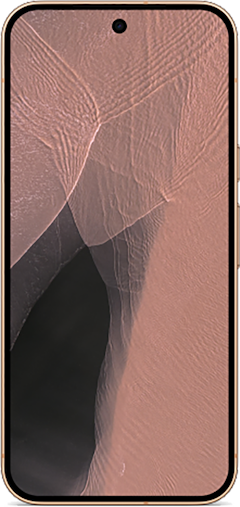
Phone 3a 128GB
- 6.77 inch display
- Android Android 15, up to 3 major Android upgrades, Nothing OS 3.1
- 5G Capable
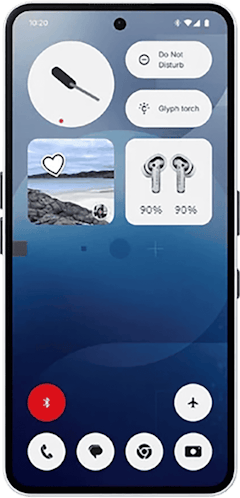
Moto G57 5G
- 6.7 inch display
- Rear Cameras: 50MP, 8MP
- Front Camera: 8MP
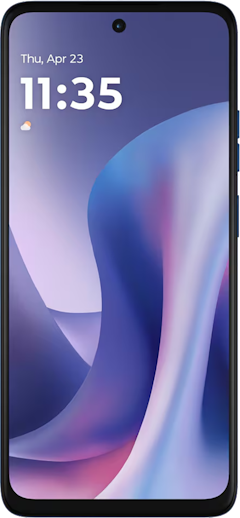
Find N6 5G
- 8.12 inch display
- Rear Cameras: 200MP, 50MP, 50MP
- Front Camera: 20MP
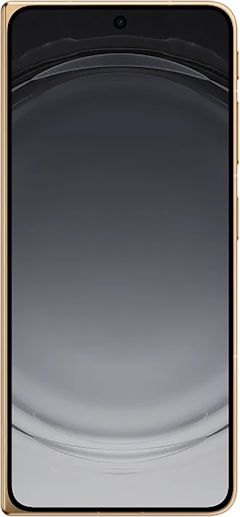
XR20
- 6.67 inch display
- Rear Cameras: 48MP, 13MP
- Front Camera: 8MP

Nubia Focus 5G
- 6.6 inch display
- Rear Cameras: 108MP, 2MP
- Front Camera: 5MP


4G vs. 5G coverage
5G networks are still young so 4G still has far more coverage. Telstra is the only telco that has provided population figures for its 5G network and says it currently covers 85% of the population. On the other hand, Telstra's 3G and 4G networks reach a combined 99.6% of the population.
This map shows you what kind of coverage you have in your area. 5G coverage is highlighted using the darkest shade of purple, but unticking 4G and 3G can help make it clearer. The drop-down menu lets you choose between telcos.
You can also check your 5G coverage when searching for a new phone plan. On the results page, toggle on 5G plans then you'll see a place to enter your address. You'll receive confirmation as to whether 5G is available.
Remember: Coverage maps are only approximate, only show outdoor coverage, and may be impacted by local conditions such as buildings.
4G vs. 5G: Which is better for you?
If you don't already have a 5G phone, your next device will almost certainly have 5G connectivity. We wouldn't recommend upgrading immediately if you don't have 5G, but it's inevitable that most of us will soon have 5G-capable phones.
But as it stands, 5G doesn't really change your day-to-day experience. The things we do with our phones today are all things that 4G can more than handle. You don't need a 5G connection to browse Facebook, stream music and watch Netflix. 5G's faster speeds will be most noticeable for high-intensity use like downloading and uploading large files.
Of course, this could change. As 5G becomes more ubiquitous, we could see apps and technologies that take advantage of the faster network. For example, no one thought we'd be streaming music, let alone entire movies on movies on our phones back in the 3G days.
At some point in the future, there might be things you want to do with your phone that you can't do with 4G. But by then, your phone and your network will probably be 5G capable. So there'll be no need to worry about making the switch.
If we're talking 5G home wireless however in comparison to 4G home internet plans they really stand out as a great alternative to the NBN. 4G home wireless plans tend to have speeds cap out at 20-25Mbps which is comparable to NBN 25. 5G plans however are able to compete with the more popular NBN 50 and NBN 100 plans.
If you're prepared to pay more you can get uncapped 5G home wireless from Optus, Telstra, SpinTel and Yomojo. These plans can go as fast as network conditions allow, and can exceed over 200Mbps even in busy hours.
What will happen to 4G and 3G networks?
It's important to note that 5G won't replace 4G, in the same way, that 4G didn't replace 3G. Right now, 4G and 3G networks exist simultaneously, with 3G offering essential support to the 4G networks and acting as a bridge between the major cities. 3G also provides backbone coverage in many less populous areas of Australia.
4G and 5G work together in a similar way. The arrival of 5G does however mean telcos have started the process of shutting down their 3G networks. Vodafone will be the first to phase it out - in December this year. Telstra will follow next, in June 2024 while Optus will be the last to phase out of 3G in September
2024.
Of course, nearly every modern phone in Australia is 4G-capable, so the 3G shutdown shouldn't make a difference to whether or not you can use your phone. It's expected that telcos will have expanded their 4G footprint before they shut down their 3G networks entirely.
4G vs. 5G FAQs
Yes, compared to 4G, 5G is a much faster technology. 5G can also support a larger amount of devices at once.
At this point upgrading to a 5G capable device is still optional and 4G will be around for a long time soon. Unless you have the need for faster download speeds you really don't need to update to 5G yet.
Broadly speaking, however, 5G is the next step in mobile network technology and will no doubt lead to further advancements.
Eventually, but there's no need to rush out and upgrade to 5G. Just as has been the case with 3G, 4G will continue to persist for a long time yet.
Alex Choros

Related Articles


