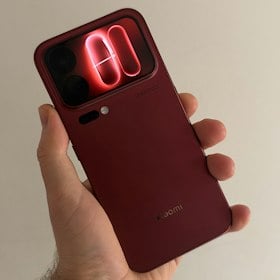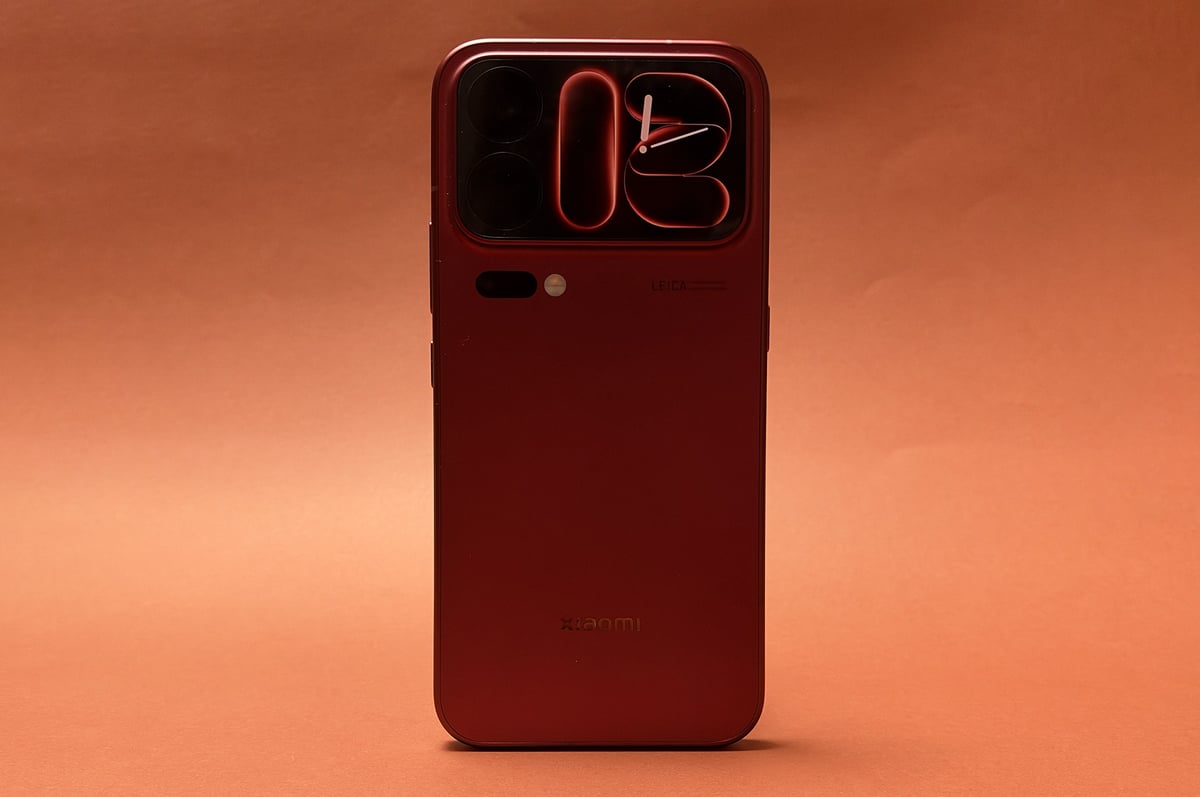
The Xiaomi 18 Pro Max is a solid all-round flagship phone, ticking off boxes like camera quality, battery life, and performance, while also being cheaper than the competition. There's also a flashy secondary screen on the back, which helps take fantastic selfies, but is otherwise a little clunky.
- Cheaper than the competition
- Mostly excellent camera
- Back display takes fantastic selfies
- AI photo processing is too extreme
- Other back display uses are gimmicky
- Shorter software lifespan than competition
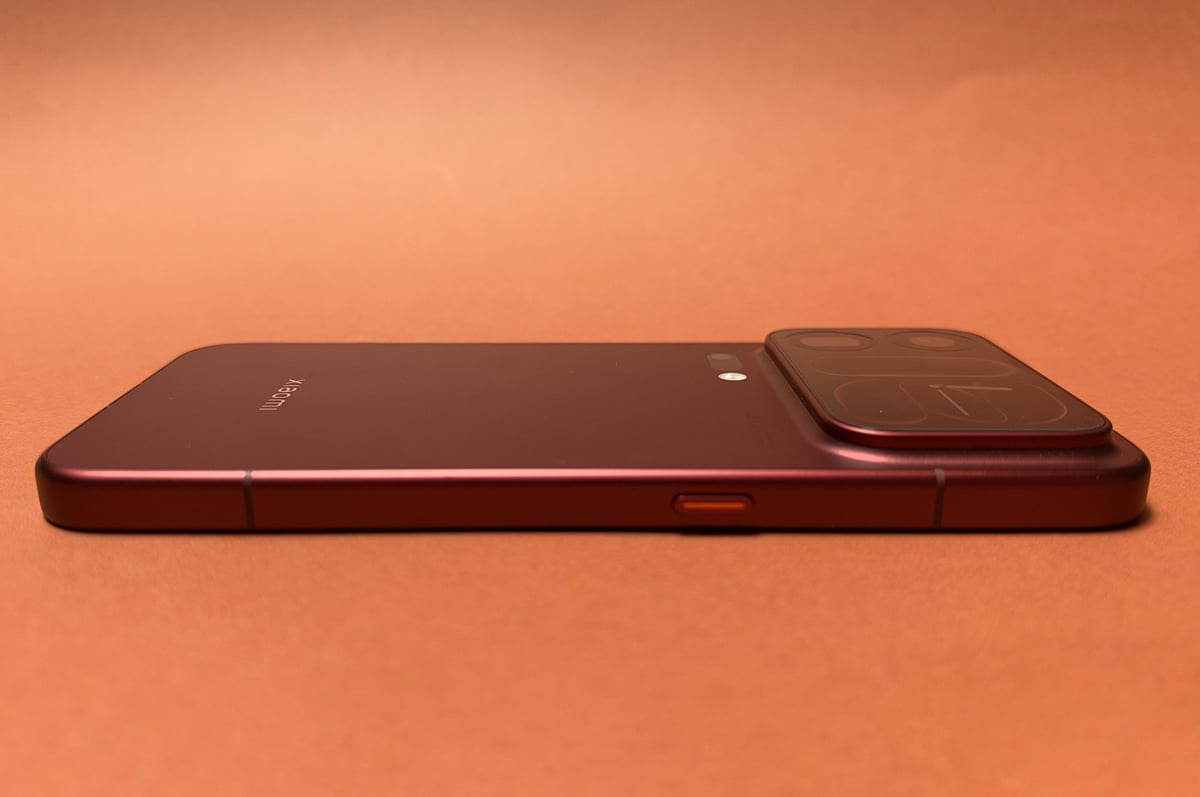
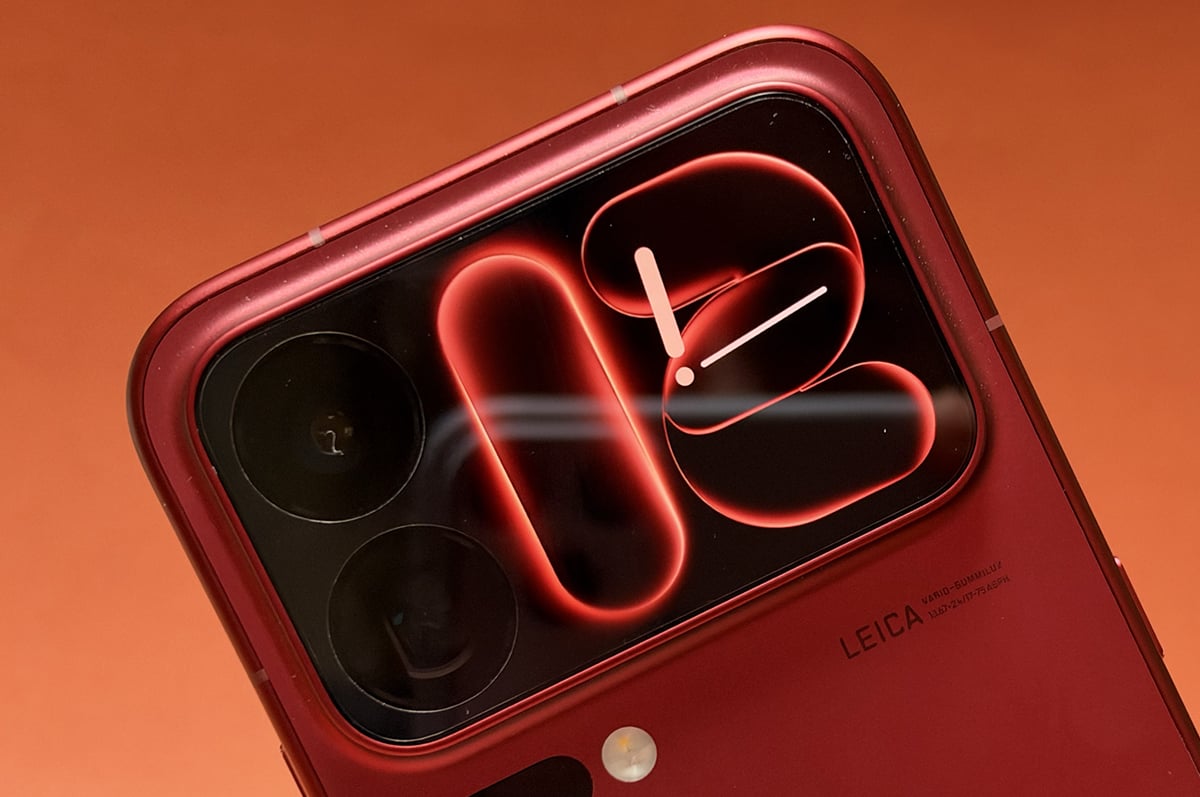
The Xiaomi 18 Pro Max has a real Xzibit quality to it. Xiaomi heard you like screens so it put a screen on your screen so you can screen while you screen. In case you’re not across vintage meme formats, the Xiaomi 18 Pro Max has a screen on both the front and back. This isn’t Xiaomi’s first attempt at a two-screen phone that isn’t a foldable, but it is the first to make it to Australia. The Xiaomi 18 Pro Max also has some impressive-sounding credentials on the camera and battery front, but the “back display” is the clear point of difference.
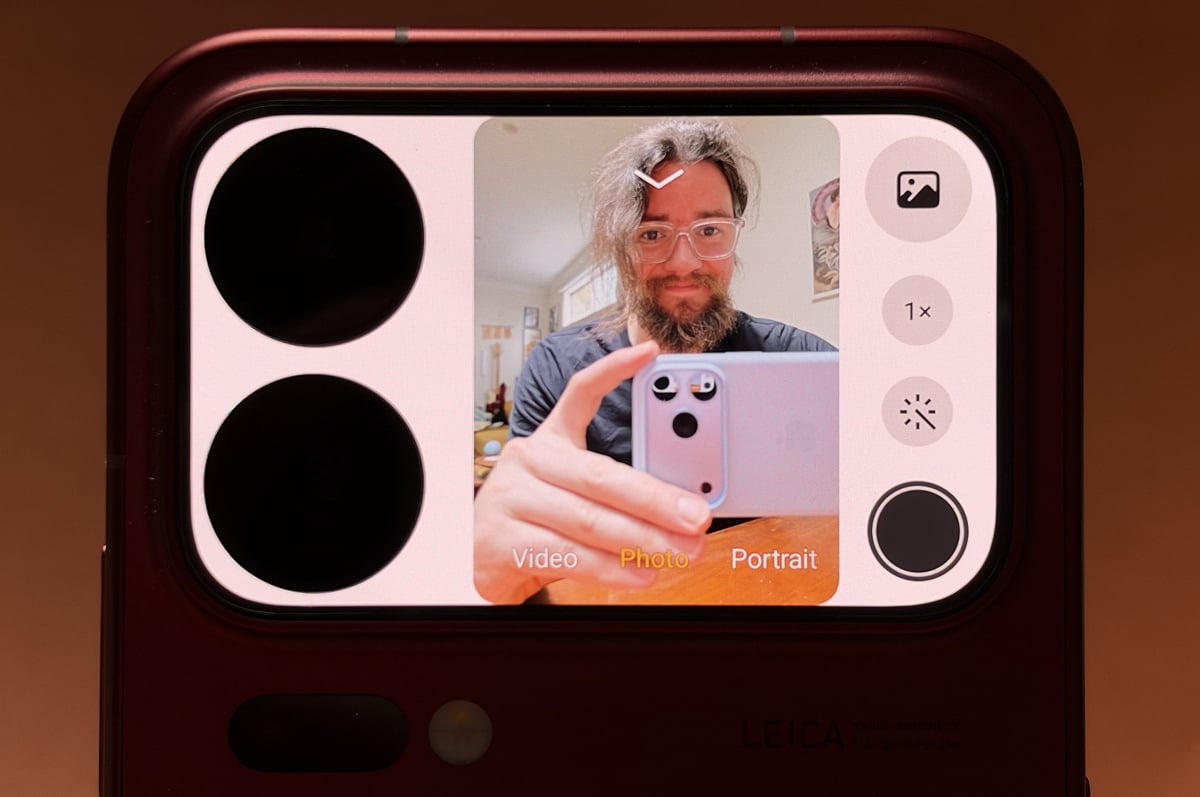
The most compelling reason to use the Xiaomi 18 Pro Max’s back display is better selfies. While the phone has a solid selfie camera, there’s a clear improvement in quality when you take them with its 200MP primary lens.
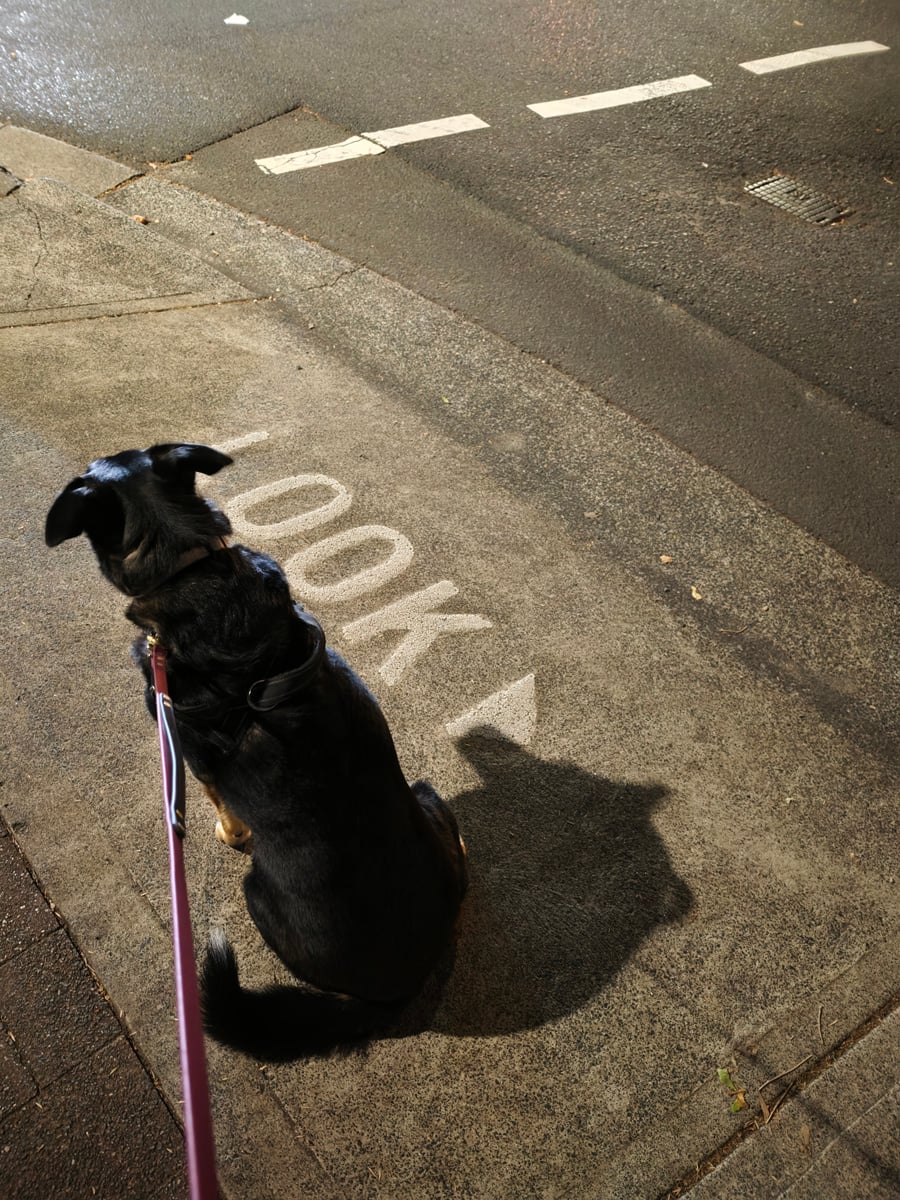
Here's a selfie from the 50MP selfie lens:

And here's a selfie from the 200MP primary lens:

Navigating the tiny controls can be a little fiddly, but you can hold your palm up to start a timer. You can also use the back display as an easy way to frame up video if you’re filming yourself, which could be genuinely useful for content creators who shoot on a phone.
Otherwise, the back display is a bit of a mixed bag. I can see the potential, but the software isn’t where it needs to be. Notifications are a great example; I had alerts popping up from Gmail and Messenger on the back display, but then they didn’t show up when I swiped into the notification pane. I couldn’t find a setting that changed this.
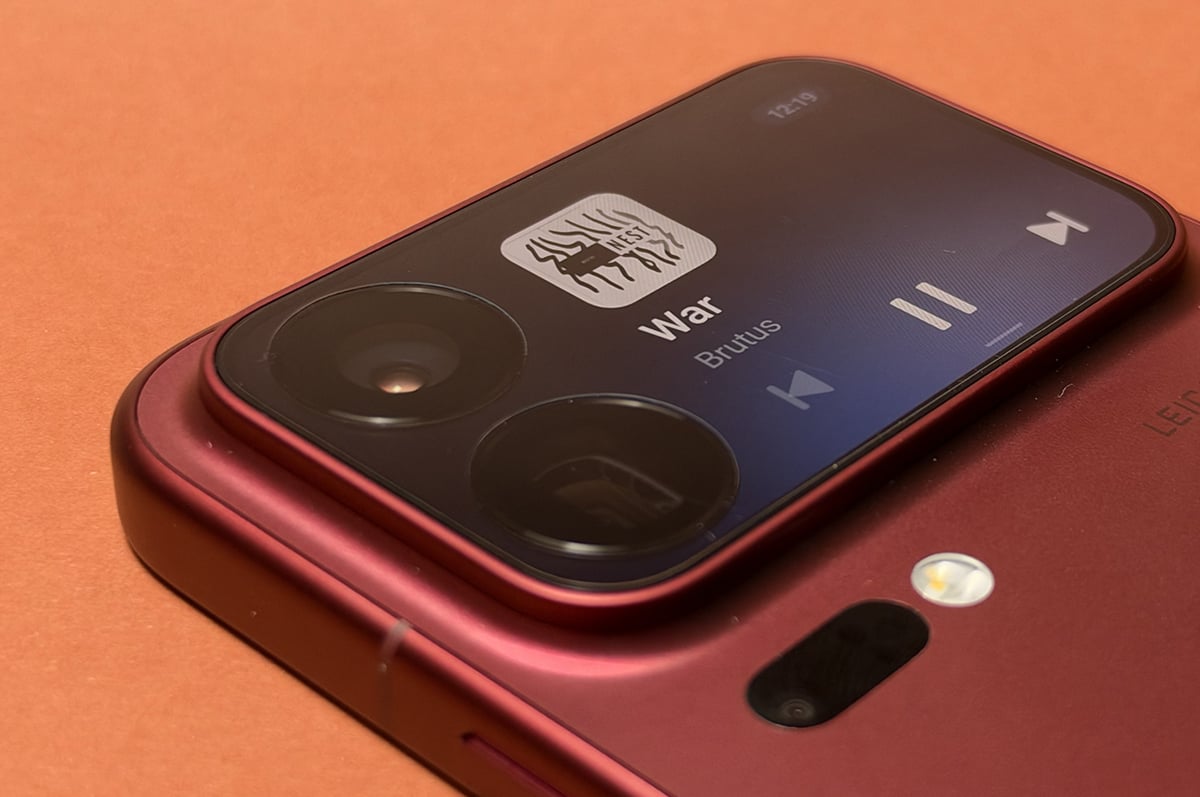
A few apps can “run” on the back display. If you’re listening to music or a podcast on Spotify, for example, you can access playback controls. If you’re getting directions through Google Maps, you can see the next step and your ETA, but can’t otherwise interact with the app. If you start a timer through Xiaomi’s clock app, it will pop up on the back. The stopwatch function doesn’t show up on the back display, however, and the functionality doesn’t work with Google’s clock app.
The back display is certainly novel, but it isn’t a reason to consider the Xiaomi 18 Pro Max over any other flagship phone - unless you really love taking selfies.
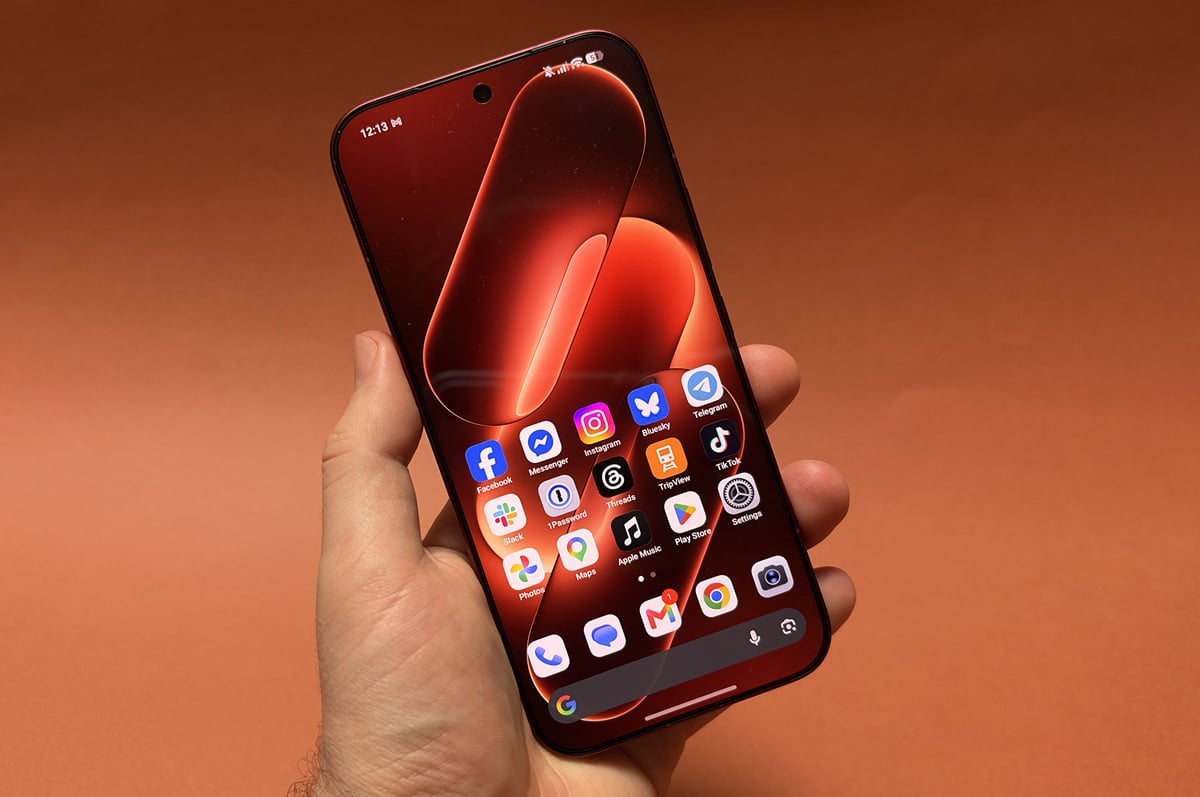
For the most part, the Xiaomi 18 Pro Max has an excellent camera configuration. On the back, you’ll find a 200MP primary lens, a 200MP 3.2x zoom lens, and a 50MP ultra-wide lens. That’s not quite as much total resolution as the OPPO Find X10 Pro Max, where you get 600MP worth of cameras, but it’s not far off.
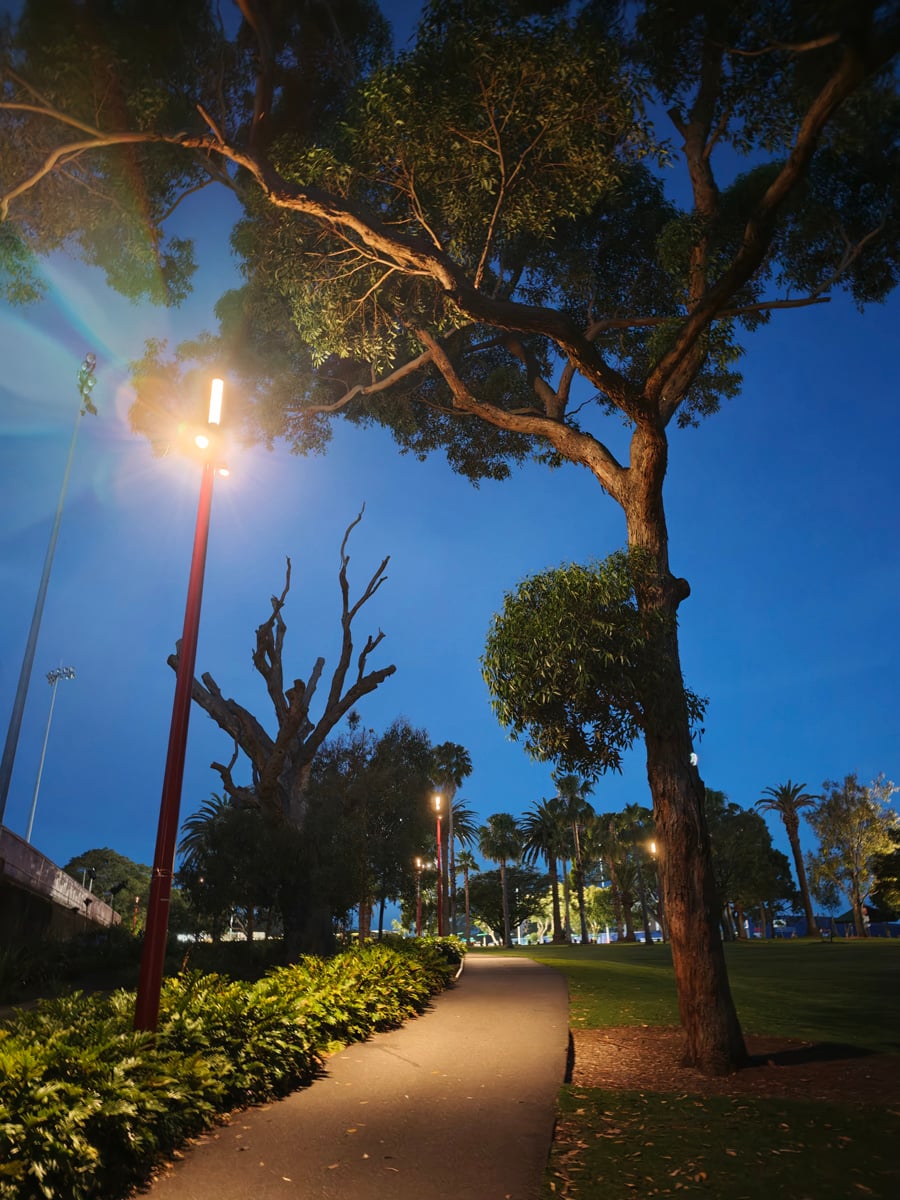
Each camera does a great job, even in tricky conditions. The Xiaomi 18 Pro Max handles low-light environments and moving subjects well. Not every shot in those kinds of conditions will turn out, but overall, the Xiaomi 18 Pro Max is a reliable shooter.
There are two caveats worth noting. The first is the zoom lens, where the magnification is 3.2x with the option to punch into “optical quality” 6.4x by cropping the sensor. This falls short of the 4x and 5x zoom lenses we’ve seen on phones from Apple, Google, and Samsung.
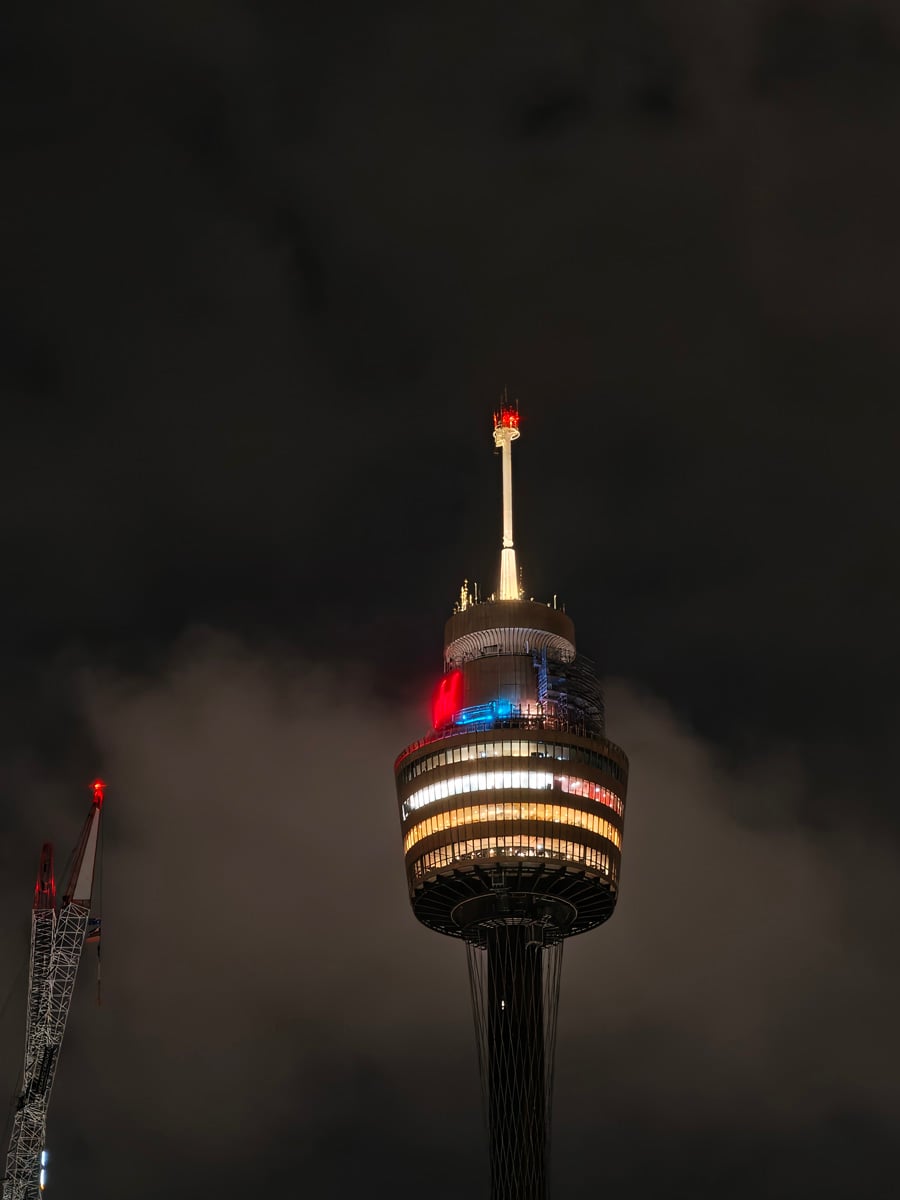
Secondly, the Xiaomi 18 Pro Max’s photo processing is too heavy on generative AI enhancement. No matter which lens you’re shooting with and no matter what camera mode, the Xiaomi 18 Pro Max tries to punch up the detail in your photos with generative AI. Sometimes the only way to actually tell is to pixel-peep, but if you’re shooting subjects with text or intricate lines, you’ll start to see trademark hallucinations. This becomes more apparent when using the zoom lens, and even more so with low-light photography.
If you look at this photo of Centrepoint Tower taken at 6.4x zoom, you can see the scaffolding makes no sense. Similarly, there’s some real weirdness going on with the crane on the right-hand side.
This becomes even more apparent if you crop in:
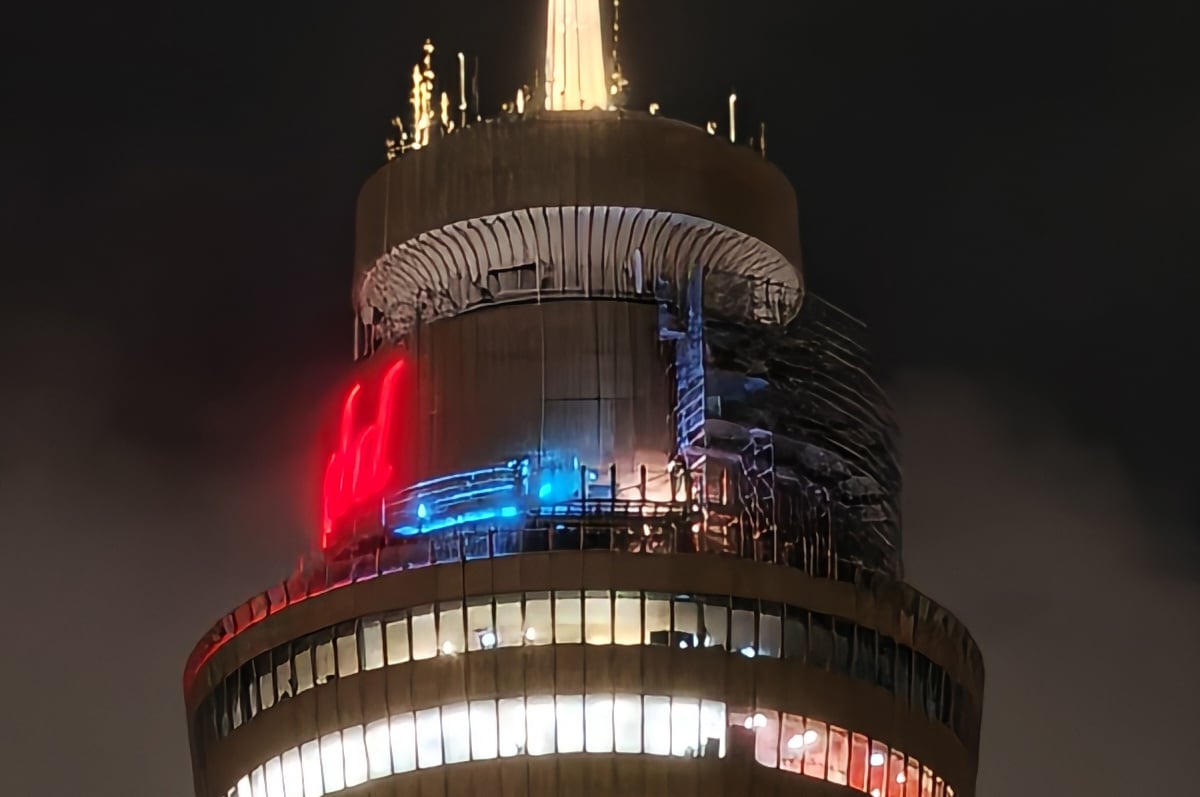
I can understand that Xiaomi, like other manufacturers, wants to make the photos from its phone look as good as possible, but if details are being generated through a model, is it still a photo? This may not bother you, but it’s worth being aware that there’s no way to turn this enhancement off.
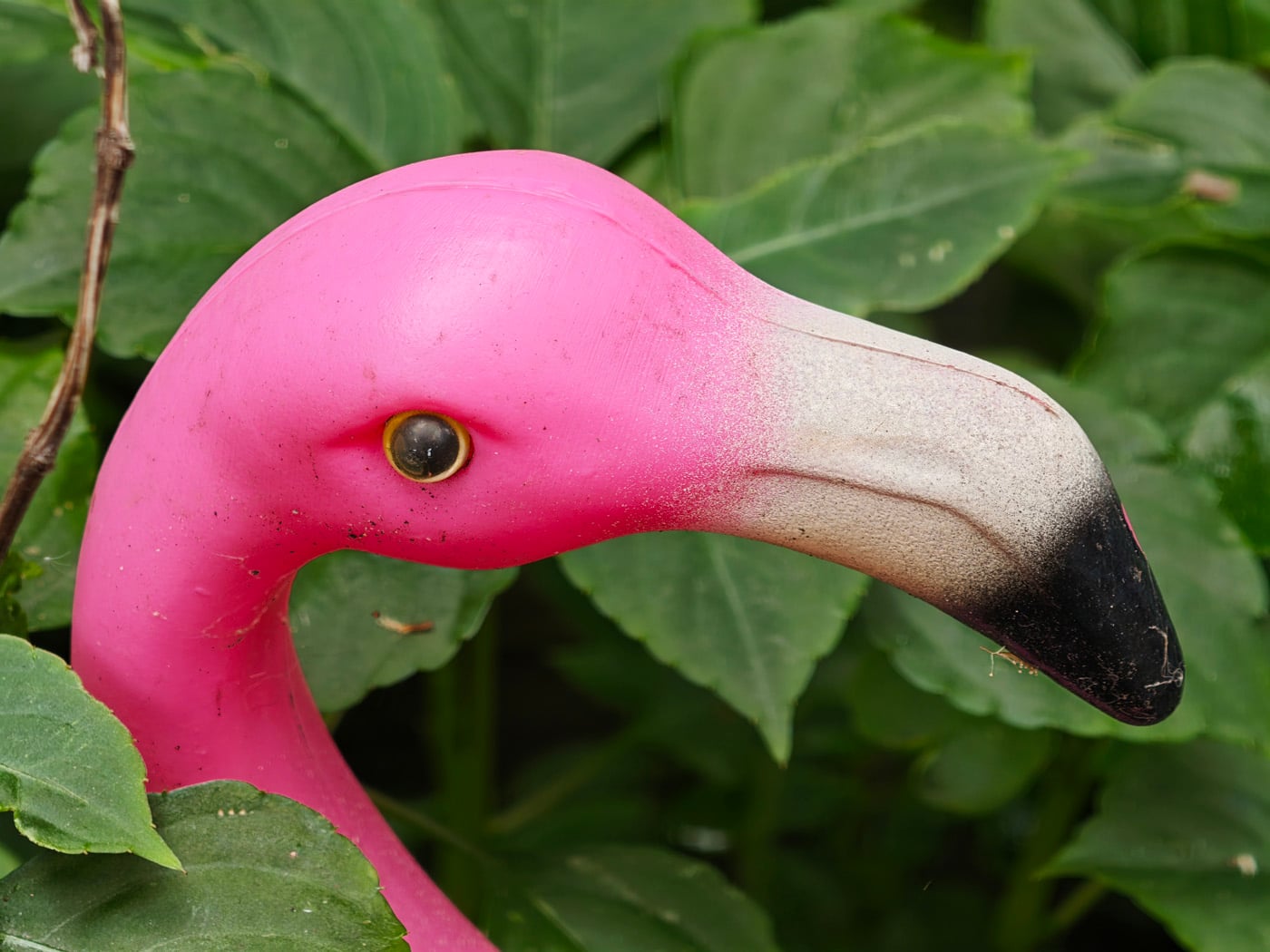
OPPO Find X10 camera samples
For a sense of what the camera on the OPPO Find X10 can do fresh out of the box, check out the image gallery below. Click or tap on any photo to see a larger version.














The Xiaomi 18 Pro Max is the first phone in Australia to launch with the Snapdragon 8 Elite Extreme Gen 6 chipset, Qualcomm’s latest top-end chipset. Unsurprisingly, performance is as smooth and snappy as you’d hope, even when playing demanding games like Diablo Immortal.
While the Xiaomi 18 Pro Max packs a generous 7,050mAh battery, actual battery life is more in line with phones with smaller cells. In my testing, I was able to get around six hours of screen time per charge, which translates to a full day of moderate usage with a comfortable buffer. That’s certainly not bad, but rivals like the OPPO Find X10 Pro Max are pushing nine hours with similar capacity batteries.
The Xiaomi 18 Pro Max naturally supports wireless charging, but doesn’t have integrated magnets like iPhones or recent Google Pixel devices. Xiaomi does sell a magnetic case for $59.95 if that’s something you’re after.
The Xiaomi 18 Pro Max’s display is as nice as you’d hope for a phone in this price bracket, but what’s more interesting is Xiaomi is the first manufacturer to attempt a take on the Galaxy S26 Ultra’s privacy display. Xiaomi hasn’t accomplished as polished a solution as Samsung - the viewing angle reduction isn’t quite as dramatic, and the software isn’t as clever - but it is neat to see others take a crack at the concept.
One trade-off worth calling out is a shorter software lifespan than similarly priced competitors. The Xiaomi 18 Pro Max is slated to get five years of major operating system upgrades and six years of security updates. That’s certainly good, but Samsung and Google both promise seven years of operating system upgrades and seven years of security updates for their flagship phones.
The Xiaomi 18 Pro and Xiaomi 18 Pro Max are pretty similar phones, but they have a few key differences. The Xiaomi 18 Pro is a smaller phone, and as such, has a smaller display and battery. The Xiaomi 18 Pro has a 6.4-inch display, compared to the Xiaomi 18 Pro Max’s 6.9-inch display. The battery is also smaller, with a 6,000mAh capacity. Lastly, the Xiaomi 18 Pro uses the “standard” Snapdragon 8 Elite Gen 6 chipset, rather than the Extreme variant found in the Pro Max. The Xiaomi 18 Pro is, however, $300 cheaper than the Xiaomi 18 Pro Max.
Xiaomi 18 Pro Max - Final Thoughts
The Xiaomi 18 Pro Max’s back display makes it standout, but that’s not the reason to buy it. It’s more of a fun bonus. The reason you’d consider the Xiaomi 18 Pro Max is because it’s a great all-round flagship phone.
Where the Xiaomi 18 Pro Max has a genuine advantage is price. While it’s not a cheap phone by any measure, it starts at $1,999 for a 256GB model. That’s $300 cheaper than an iPhone 18 Pro Max or a Galaxy S26 Ultra. Getting a phone of the same calibre at a lower cost is always a strong pitch in my eyes.
Alex Choros

Related Articles