

Samsung Galaxy S23 Ultra Review: The Verdict
This year’s most expensive Galaxy S23 is full of premium perks and obvious upgrades, but light on surprises. It strides where last year’s model fell short, but it does little to sell itself beyond being the device that the Galaxy S22 Ultra should have been.
What we love
- Less curvey display
- S-Pen stylus
- Spec bumps
What could be improved
- High price is hard to justify
- No new features
The essentials
- Performance: Fantastic! The best processor you can buy in an Android phone right now.;
- Battery: No complaints! It’ll easily get you through one day and might even last you a second one.
- Screen: Gorgeous! Samsung makes nice AMOLED screens and this is one of the nicest.
- Camera: Powerful! An upgraded quad-lens setup offers added flexibility and megapixels.
85/100
With the arrival of the Galaxy S23 Ultra, it finally feels like Samsung is in the post-Note era.
The high-end of this year’s Galaxy S no longer feels like an echo of phablets past, but a more natural advancement on the standard model that sits below it. That confidence is charming, though it doesn’t come with any new tricks this time around.
What’s here is more revision than reinvention. The Samsung Galaxy S23 Ultra is beautiful to look at and brilliant to use, but the enthusiasm it inspires is saddled by the obvious and significant similarities with last year’s model. The differences here feel like footnotes more than they do headliners.
New smartphones don’t have to be different to be good, but it’s hard to be excited about the price you’re paying for this particular premium device when it has so little to offer beyond a better take on last year’s formula.
The Samsung Galaxy S23 Ultra hits its marks, but it plays things so safe that it makes the Dynamic Island (found in Apple’s iPhone 14 Pro) seem adventurous by comparison.
Samsung Galaxy S23 Ultra 256GB Plans

|
Telstra

$84 Essential Upfront Mobile Plan
$128.13/mth
Min. cost $2,022.68
Link not supplied
|

Letting the numbers do the talking

Samsung is known for sticking its prettiest displays on its flagship smartphones, and the one on the Galaxy S23 Ultra does a satisfactory job of living up to that legacy, even if it does little to add to it. This screen is 6.8-inch in size, Quad HD in resolution, clocked at a refresh rate of 120Hz and graded for 1750 nits of peak brightness. It’s bright, sharp, colourful and almost identical to the one found in last year’s Galaxy S22 Ultra.
That said, there are a few important differences to note when it comes to the AMOLED display on the front half of this year’s biggest and boldest Galaxy S smartphone. For instance, the Galaxy S23 Ultra comes with Gorilla Glass Victus 2 protection.
This isn’t just a first for a Samsung phone, but the first for any smartphone. While Corning did come out swinging last year about this inclusion offering one full meter of drop protection onto concrete surfaces, Samsung’s own promises stop short of the same. Still, the Gorilla Glass found on both sides of the device should offer additional protection that might mean the difference between a shattered smartphone and one that lives to swipe another day.
The second difference between the Galaxy S23 Ultra and S22 Ultra is that the new model boasts a softer curvature along the edges. It’s not quite a flat-screen, but it’s flatter than previous efforts in a way that you can feel.
What’s more, the subtlety of this shift in form factor means that the Galaxy S23 Ultra still benefits from the luxury-grade aesthetics that come with curved edges. Held in your hands, it feels much closer to flat-screened smartphones like the standard Galaxy S23. In terms of practical utility. It really does feel like you’re getting the best of both worlds even if it is, by most metrics, a fairly minor change.
Samsung has also changed up the palette this time around. Those looking at picking up the Galaxy S23 Ultra through a provider or retailer get the choice of cream, green, lavender and phantom black. If none of those takes your fancy and you don’t mind putting in your preorder through the Samsung website, you can add lime, graphite, red, and sky blue to that list.
The last thing to note about the front-facing half of the Galaxy S23 Ultra is the upgraded selfie camera. Though this is easy to overlook, Samsung’s choice to trade out the 40MP sensor seen in the S22 Ultra for a 12MP one with dual-pixel, super fast auto-focus and an object-aware AI engine mostly pays off.
As opposed to the 200MP sensor found on the back of the Galaxy S23 Ultra, you don't have to look very hard to see the difference that this particular upgrade makes. In low light situations especially, the front-facing camera on the S23 Ultra produced photos that are significantly and visibly more colourful and detailed than what earlier models could offer. That said, although this enhanced selfie camera doesn’t feel compromised, the images produced by the hardware do err towards the saturated look that’s commonly found with Samsung smartphone cameras.
In any case, flip the Galaxy S23 Ultra over, and you’ll see a total of four lenses mounted on the back. In addition to the aforementioned 200MP primary camera lens, you also get a 12MP ultra-wide lens and a pair of 10MP telephoto lenses. There’s no camera bump to speak of, but the optical ornamentation here does stick out like a set of exhaust pipes.
Given Samsung's track record for introducing big smartphone camera sensors with even bigger autofocus problems, there's some cause for scepticism here. However, in practice, we found little to complain about. Our testing found that the autofocus here mostly behaved and the shutter speed even seemed a little faster than usual.
The addition of a hundred more megapixels doesn’t radically transform the experience of using a smartphone camera, but it does encourage you to push that little bit further. Courtesy of the larger sensor, the finer details of photos taken with the Samsung Galaxy S23 Ultra hold up to a smidge more scrutiny than they did in previous models.
When it comes to video, the Galaxy S23 Ultra is capable of shooting 4K in up to 60FPS and 8K in up to 30FPS. That’s not insignificant. Still, it’s only a small improvement on the 8K at 24FPS seen with the Galaxy S22 Ultra.
Samsung’s camera app also covers all the usual features except, from portrait mode to slow motion video to 100x Space Zoom, plus a new astrophotography mode. I have not had the chance to fully test this yet, as light pollution means I’ll have to trek further from Sydney to properly do so. However, on paper, this addition does bring Samsung’s latest in line with what Apple and Google offer from a feature perspective.
In the week or so I've had to mess with the camera on the back of the Galaxy S23 Ultra, I've been genuinely impressed with what it can do. Given the sheer amount of options and lenses on offer, it's hard not to be. Unfortunately, that quality also makes it difficult to issue a definitive evaluation of just how good it is.
I'm convinced enough that the hardware here is good enough to merit a close comparison with the Galaxy S23 Ultra's biggest rivals. I'm just less certain about whether it comes out on top. Especially when the bulk of the buffs tend towards the margins of what the Galaxy S23 Ultra can.
All that power (and nowhere to put it)

As you’d expect, the inside of the Galaxy S23 Ultra is just as covetous as the outside.
Samsung’s latest top-tier smartphone comes powered by the latest Snapdragon 8 Gen 2 chipset and a version of Android 13 that’s wrapped in Samsung’s One UI 5.1 skin. The high-end handset starts at 256GB of onboard storage and goes all the way up to 1TB. Depending on how many gigabytes you settle for, you’re looking at either 8GB or 12GB of RAM. Regardless, you’ll get a 5,000mAh battery.
Samsung is also promising four years of major operating system upgrades and five years of security updates. That’s an improvement on where the brand used to be a few years ago, though it’s not quite as generous as Apple’s typical six years of post-launch support.
While the base storage starts at 256GB rather than 128GB and the processor is an obvious upgrade, most of what’s here feels inherited from last year’s Galaxy S22 Ultra. That’s not necessarily a bad thing. Last year’s stylus-studded phablet was plenty capable, and so is its successor.
If all you’re looking to do is browse the web, scroll social media and play a few games, then the Galaxy S23 Ultra is more than up to the task. If anything, it’s overkill. As for more demanding use cases, such as editing video or more graphically intense gaming, the device fared about as well as you’d expect given the specs involved.
I can’t really say that the Galaxy S23 Ultra delivered the kind of performance that was as smooth or snappy as something running on Apple’s own silicon would, but unless you’re looking to edit 8K video on this thing I don’t know if that difference is something that many will feel bottlenecked by.
Samsung hasn’t tried to reinvent the wheel here, nor have they looked to cut corners for the sake of cost. Unfortunately, the myriad similarities between the hardware here and that of last year’s Galaxy S22 Ultra make that difference in performance hard to gauge.
According to Qualcomm, the Snapdragon 8 Gen 2 inside the Galaxy S23 Ultra has a GPU that GPU is up to 25% faster when compared to the processor in last year’s Galaxy S22 Ultra. More broadly, Qualcomm says regular performance is 35% faster performance, and 40% more power efficient. That all sounds good, but there’s a fuzziness to how those figures translate into reality.
Games like League of Legends: Wild Rift and Diablo Immortal ran well on the Galaxy S23 Ultra, but I can’t really say they ran 25% better than they did on last year’s silicon without the aid of a side-by-side technical comparison.
It doesn’t help that Samsung’s Ultra line, like many flagship smartphones nowadays, suffers from the absence of any real use case for that extra processing power. Sure, you’re able to do the things you want to do on this phone in marginally less time. However, there’s not really a need or reason for this much mobile processing power aside from the expectation that this year’s flagship ought to top the best that last year could offer.
As for battery life, the Samsung Galaxy S23 Ultra didn’t exactly blow away my expectations. That said, it did hold up as the rare Samsung flagship where it doesn’t feel like the excessive features and specs come at the cost of everyday usage. I’d easily make it through a single day and could usually make it through a second without too many compromises.
When it came time to charge the Galaxy S23 Ultra backup, Samsung also provides plenty of options. The device supports up to 45W fast charging via USB Type-C with compatible chargers as well as wireless and reverse charging.
Samsung Galaxy S23 Ultra - Final Thoughts
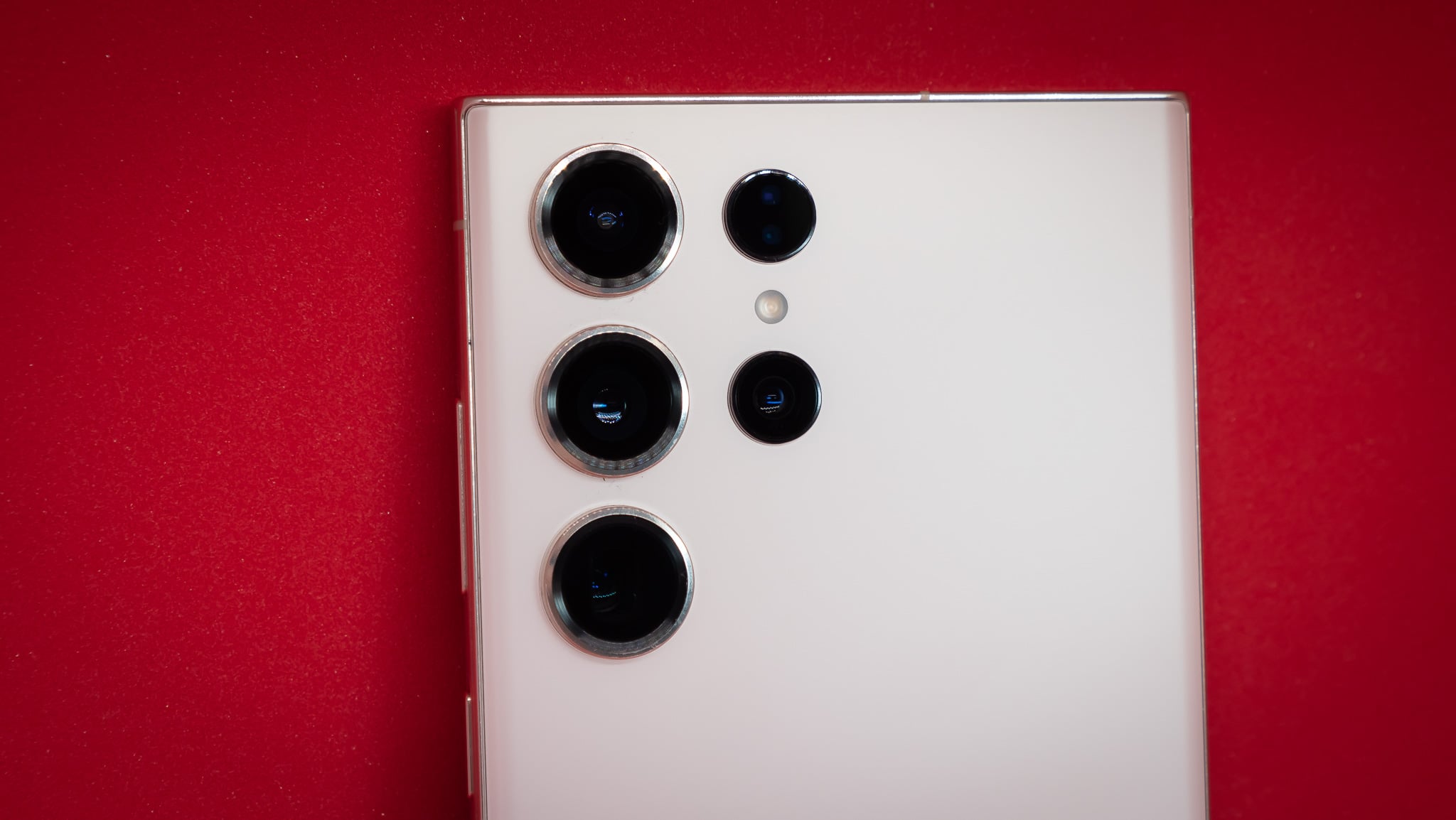
Foldables aside, the Galaxy S22 Ultra was the best and most advanced smartphone that Samsung could offer in 2022. The same could easily be said of this year’s Galaxy S23 Ultra, and for the same reasons. It’s got a slick design, a top-tier processor and an outstanding outlay of smartphone photography capabilities.
In 2023, those thrills are easy to like but maybe a little harder to justify in the absence of anything truly new. The Samsung Galaxy S23 Ultra has more megapixels and gigabytes, but few things truly live up to the ‘Ultra’ steep asking price.
There aren’t going to be that many phones that command this kind of cost coming out this year, but everything that cuts under it is going to end up compared to the Galaxy S23 Ultra sooner or later. With that in mind, is it any surprise that Samsung has decided to stop trying to reinvent the wheel and started rolling with it?
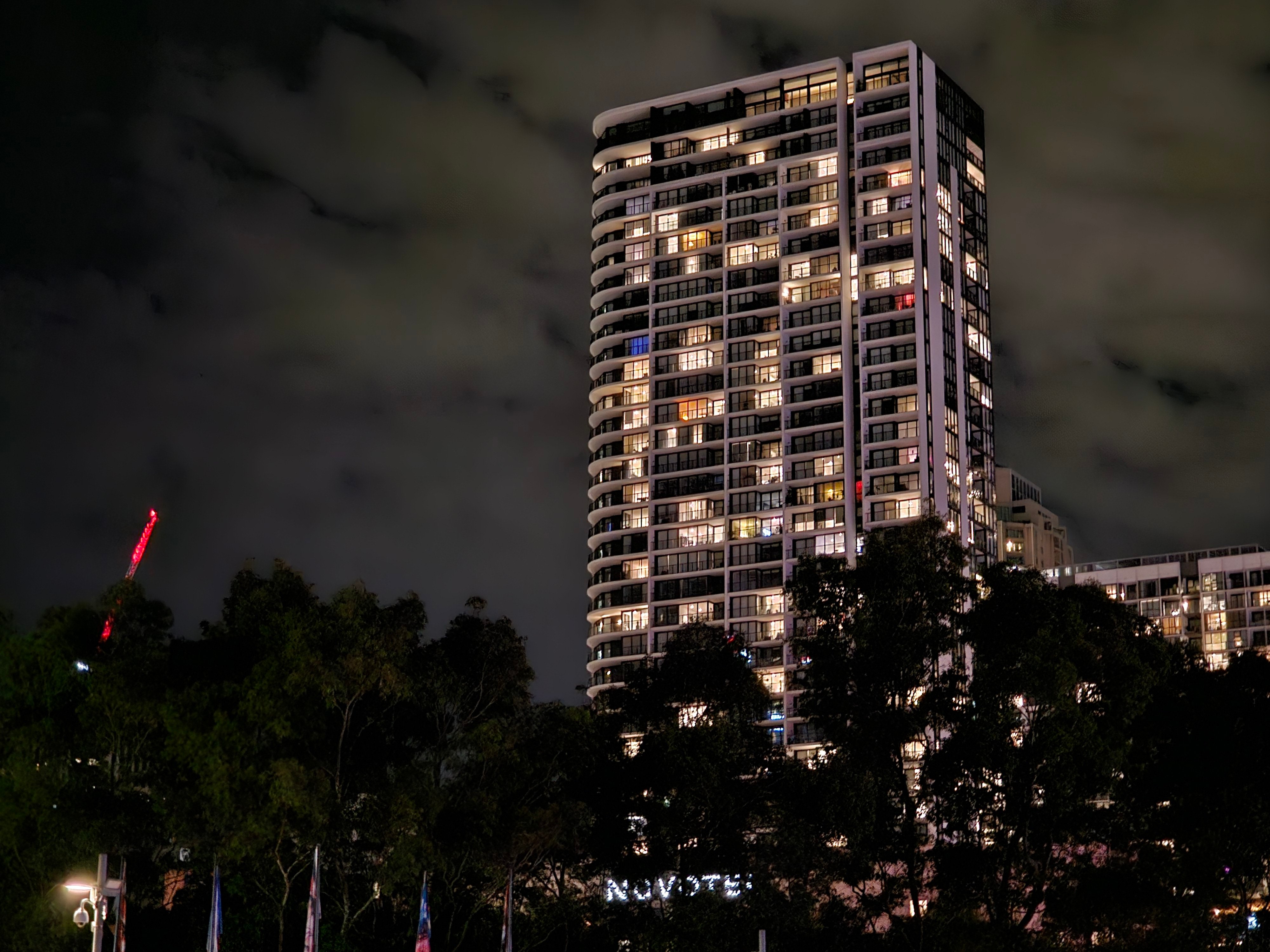
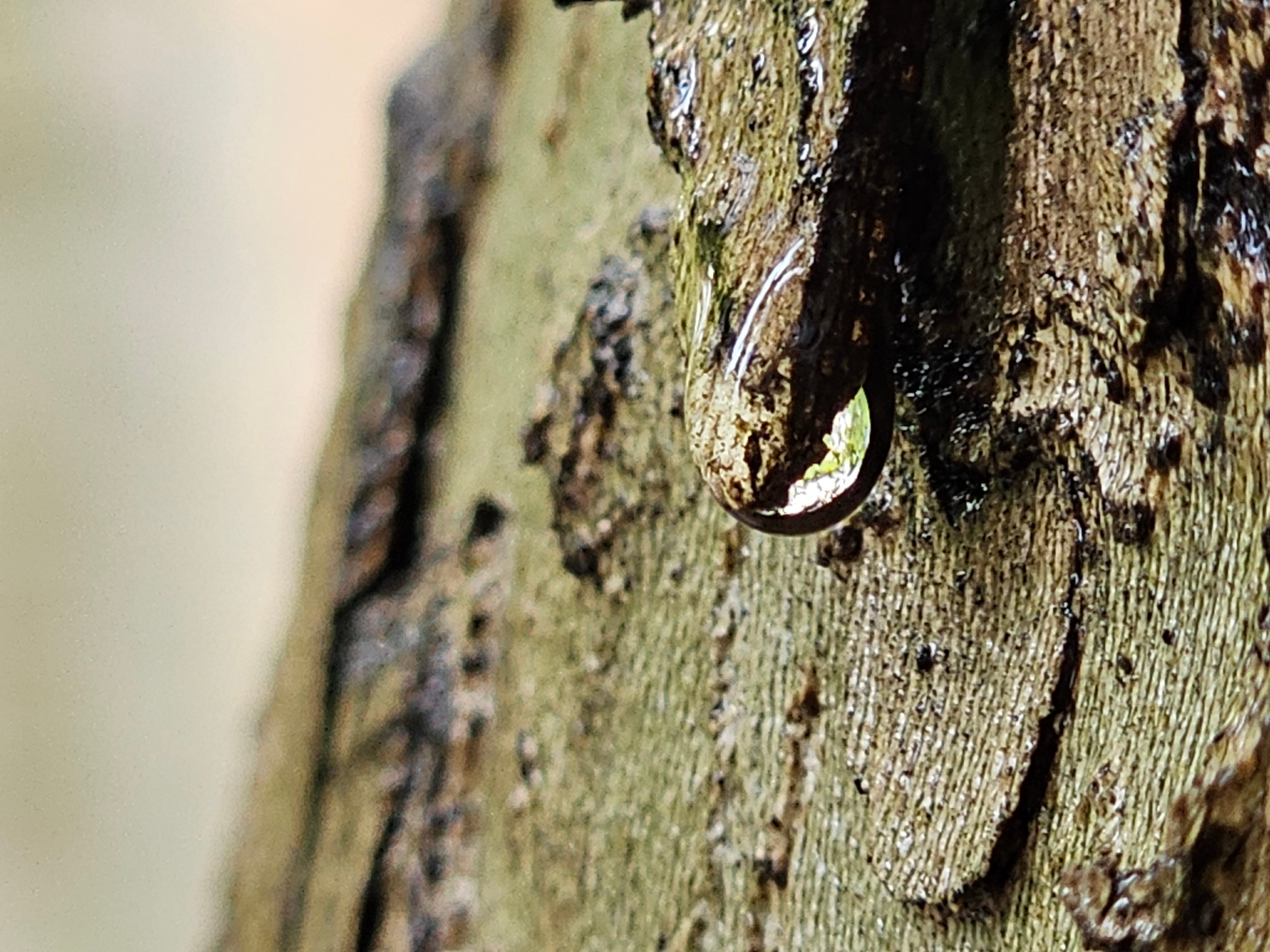
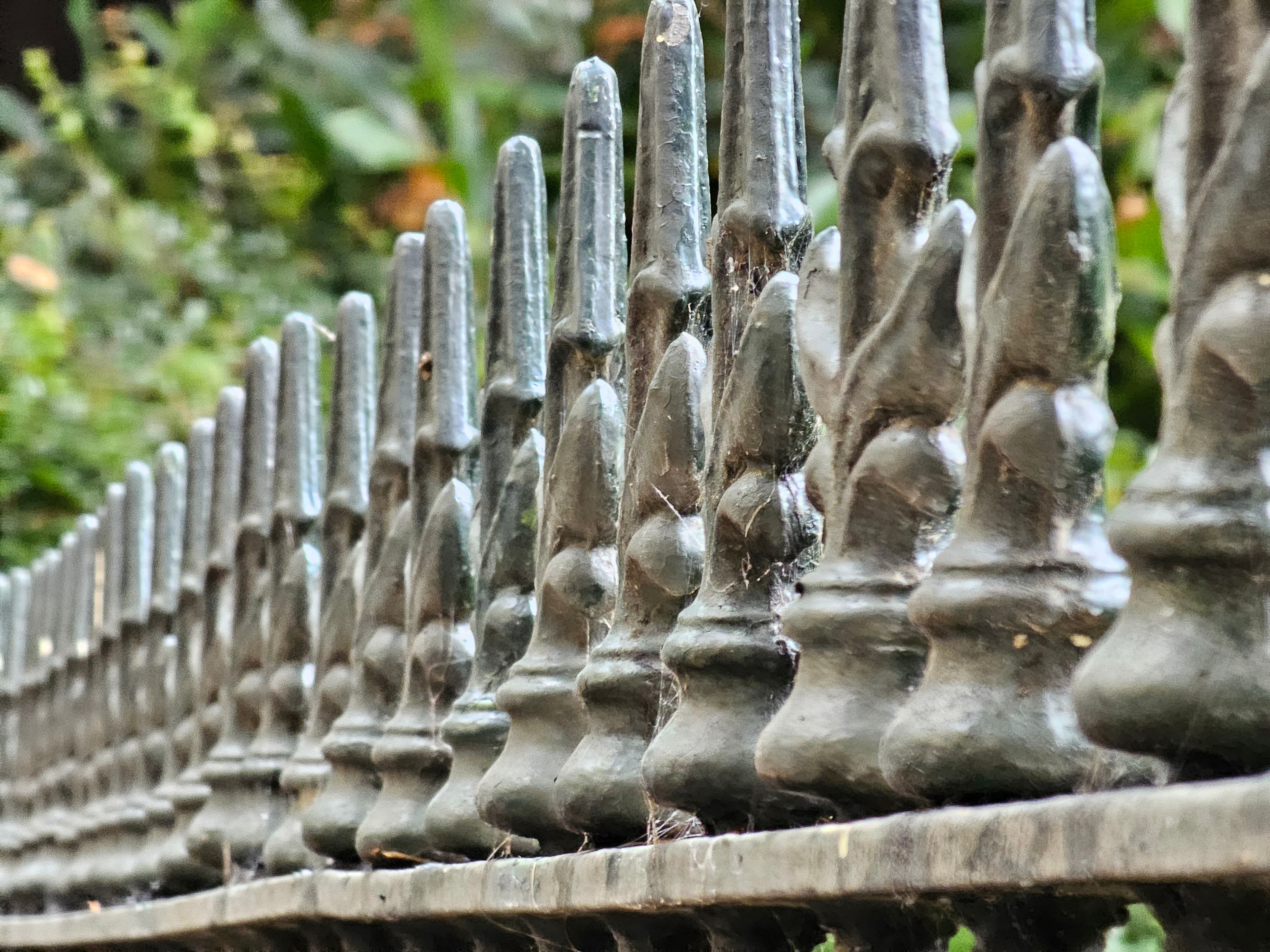
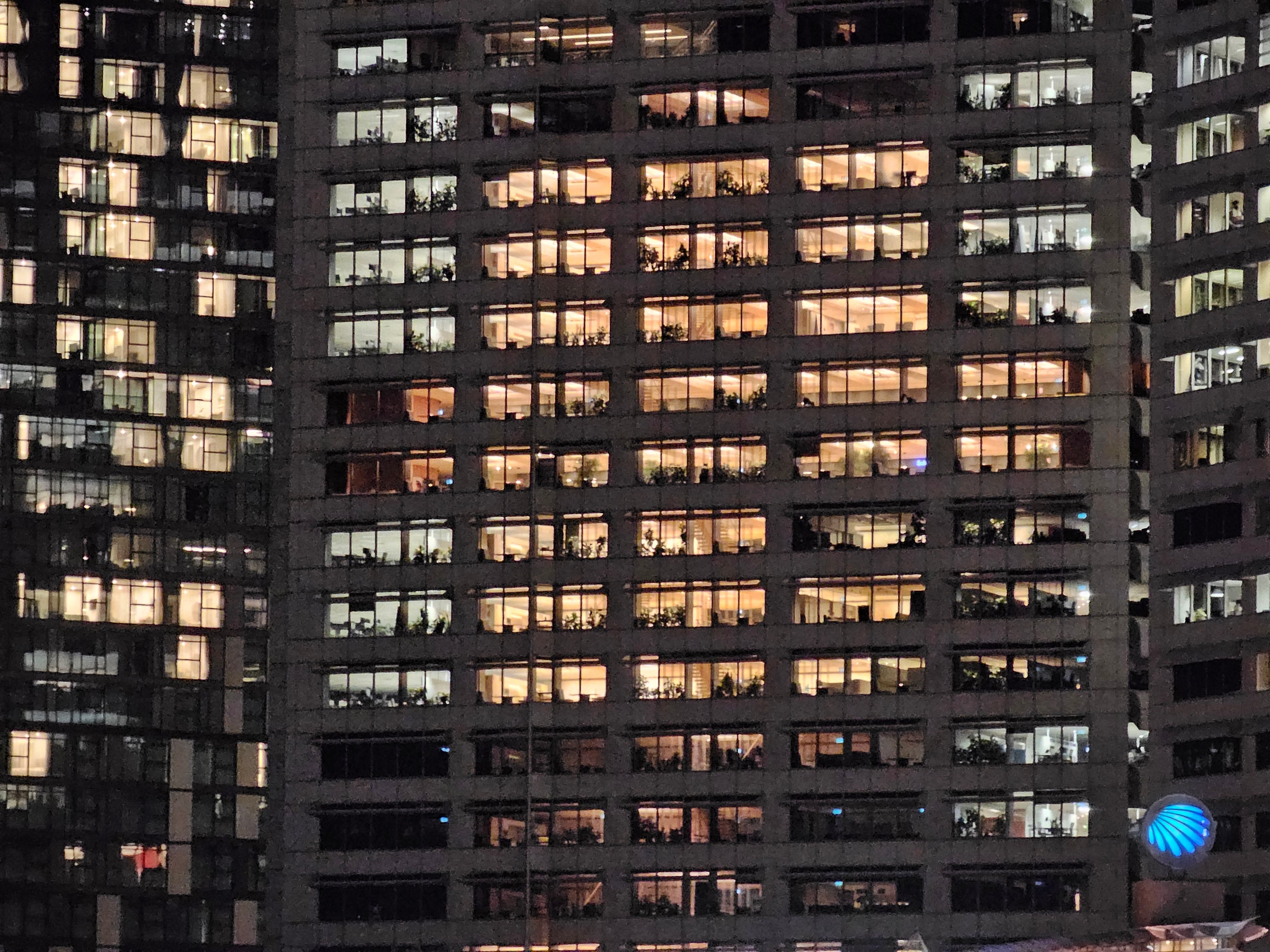
Samsung Galaxy S23 Ultra camera samples




Fergus Halliday
Digital Content Editor

Related Articles


