

- Great battery life
- Fantastic primary camera
- Cheaper than rival flagships
- Glyph Matrix is unintuitive
- Smudgy back
- Sluggish zoom and macro photography
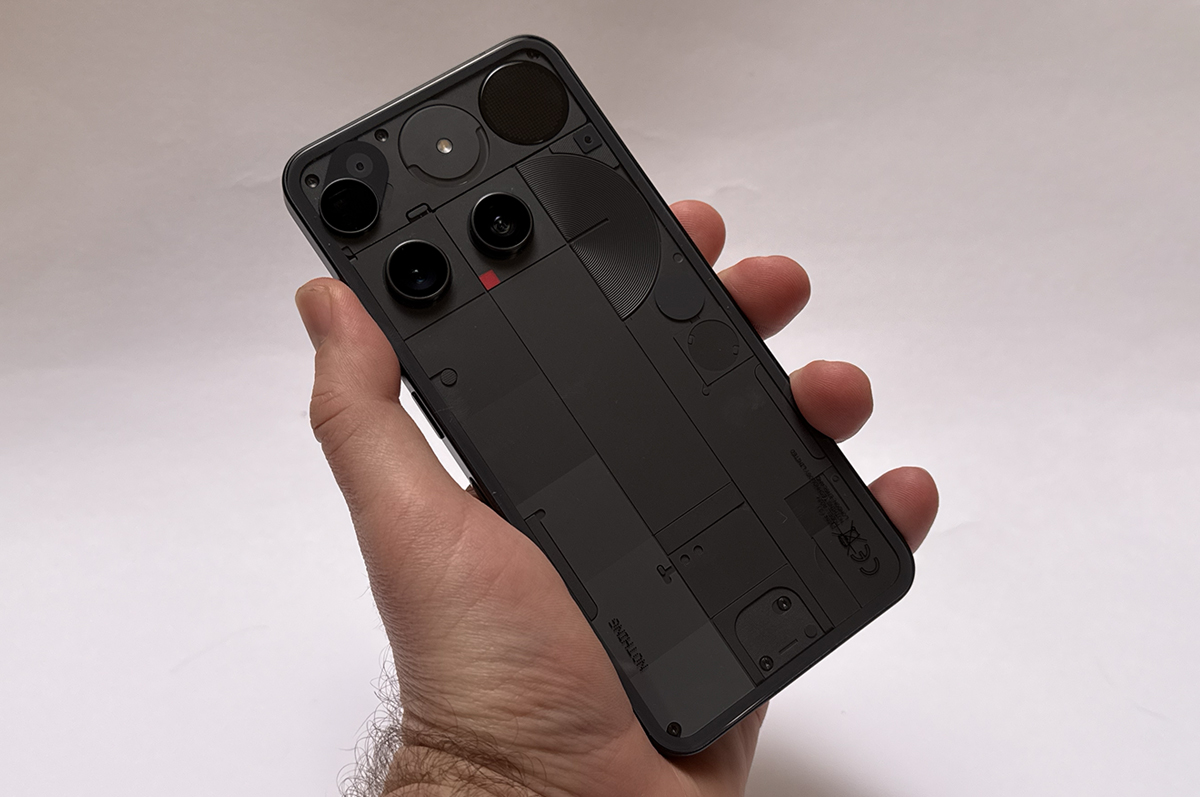
With the Phone 3, Nothing is intent on keeping tech weird. You've got the throwback translucent design, one of the oddest camera configurations I've seen, and a tiny secondary display on the back.
While other manufacturers have dabbled with rear displays on their devices, Nothing's approach is the most whimsical. Sure, the little circle of LEDs lights up for notifications and phone calls, but it's also a Magic Eight Ball that has you shake the phone to get an answer.
Sure, that's very gimmicky. It's not the kind of feature that's at all a deciding factor in what phone you buy. But it's also kind of fun?
Even if unessential, do the Nothing Phone 3's eccentricities help it stand out? As a Magic Eight Ball might reply: "Without a doubt".
Nothing Phone 3 256GB Plans
|
#1
|
Optus

$60 Optus Choice Plus Plan
$80.90/mth
Min. cost $1,547.40
|
|
#2
|
Optus
$69 Optus Promo Plan
$110.90/mth
Min. cost $1,577.40
|
|
#3
|
Optus
$70 Optus Choice Plus Plan
$111.90/mth
Min. cost $1,578.40
|
|
#4
|
Optus
$90 Optus Choice Plus Plan
$131.90/mth
Min. cost $1,598.40
|

Quirks and all

It's fair to say the back of the Phone 3 will elicit a reaction; it's easily Nothing's most unusual design to date. While it pushed boundaries with camera placement on the Phone 3a Pro, the Phone 3 is anything but conventional. The primary and ultra-wide cameras feel lower than you'd expect them to be, and the telephoto encroaches on the Phone 3's border.
It might not be for everyone, but when combined with the tiny display and the translucent design, I dig it. And hey, at least it's interesting! My only real "aesthetic" criticism is the rear glass picks up a lot of fingerprints, at least on the black model I reviewed. It gets smudgy quick.
There is a plastic case in the box, however. It's not the nicest case, but a free case is a case. You don't get a charger, but the USB-C cable has transparent elements on the plugs, which is a nice touch.
When it comes to the rear display, the "Glyph Matrix", the vibe is cute but gimmicky. As aforementioned, it lights up for various notifications. You can customise these so you get different light patterns depending on who's calling, but Nothing also plans to add a caller ID that scrolls along the Glyph Matrix. I don't pay enough attention to my phone while it's on its back for the notification light alerts to really matter, but your mileage may vary.
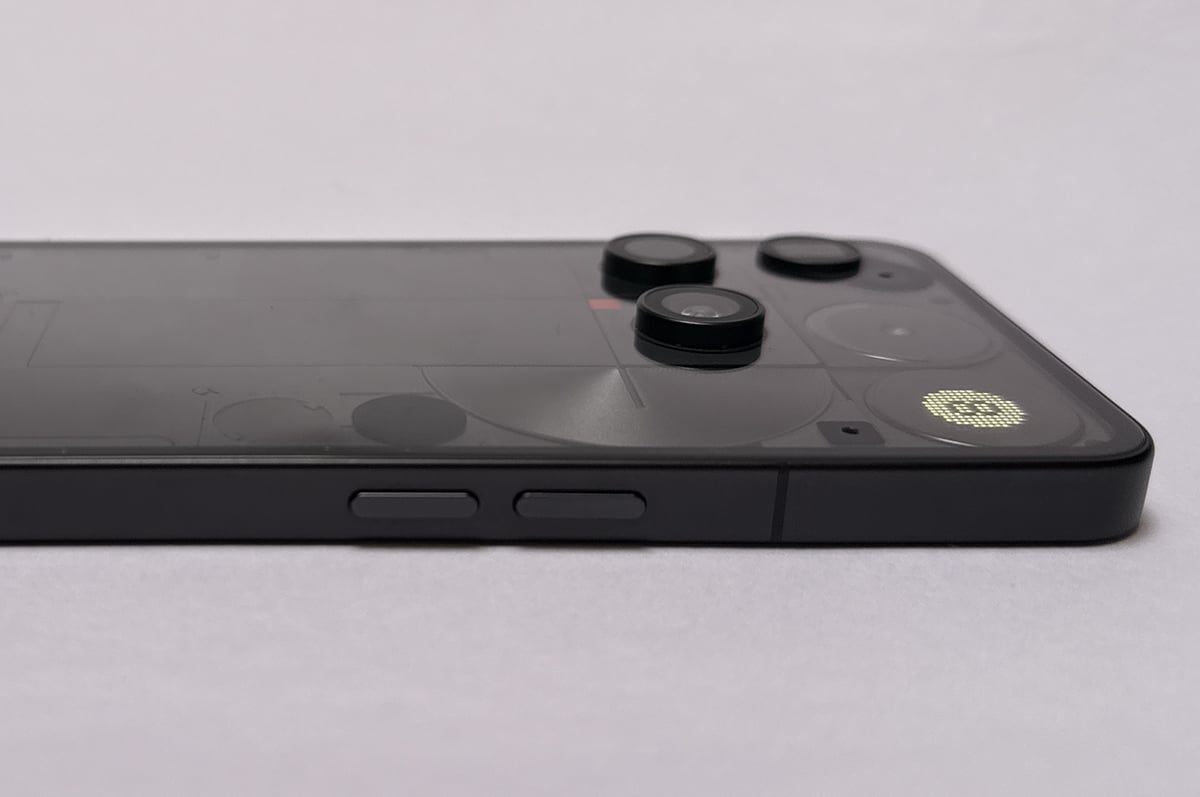
What's more interesting are the "Glyph Toys", little apps that run on the Glyph Matrix, like the Magic Eight Ball. While the Magic Eight Ball is far from practical, there are more practical things you can do with it, like start a timer or just check the time. There's also a "mirror" (a heavily pixelated approximation of you) that you can use for framing up a selfie with the back of the phone.
While some of these are promising, the execution is a bit rough. You navigate the Glyph Matrix using a capacitive button on the back of the phone. A short press wakes the display, and then additional short presses navigate you through apps. You then use a long press to start the app in question.
After you're in an app, there's a lot of trial and error. By default, the Glyph Matrix times out after 30 seconds, so your timer, for example, stops running after 30 seconds. If you wake it up again, the timer resets to zero. You can address this by making the Glyph Matrix always on, but you may not necessarily want the back of your phone lit up at all times.
Similarly, there's no guidance when it comes to using the mirror function. It doesn't open by default if you launch the camera app, and when I first opened it, I tried pressing every physical button to take a photo, to no avail. A short press on the capacitive button closed the app again, but eventually I worked out you need a long press to take the photo.
Some of the logic starts to make sense after you've figured it out and tinkered a bit, but none of it is intuitive out of the box. It's also a little too easy to short-press instead of long-press, either turning off the display or moving you from one app to the other.
Don't get me wrong, a lo-fi Magic Eight Ball implementation is cute. A "mirror" for taking selfies makes sense. I just wish these were easier to use.
As with the Nothing Phone 3a, the Phone 3 has an "Essential Key" that sits below the power button. Pressing it once will capture the content on your screen and save it to a hub called "Essential Space". You can long-press instead to start recording a voice memo. Double-tapping the button will open up the Essential Space so you can see your saved items.
I'm not the biggest fan of this functionality - it doesn't mesh with how I prefer to organise my data. I'd prefer to remap the Essential Key so I could use it for literally anything else. Thankfully, I haven't been unintentionally pressing it like on the Phone 3a.
Putting the fun into fundamentals
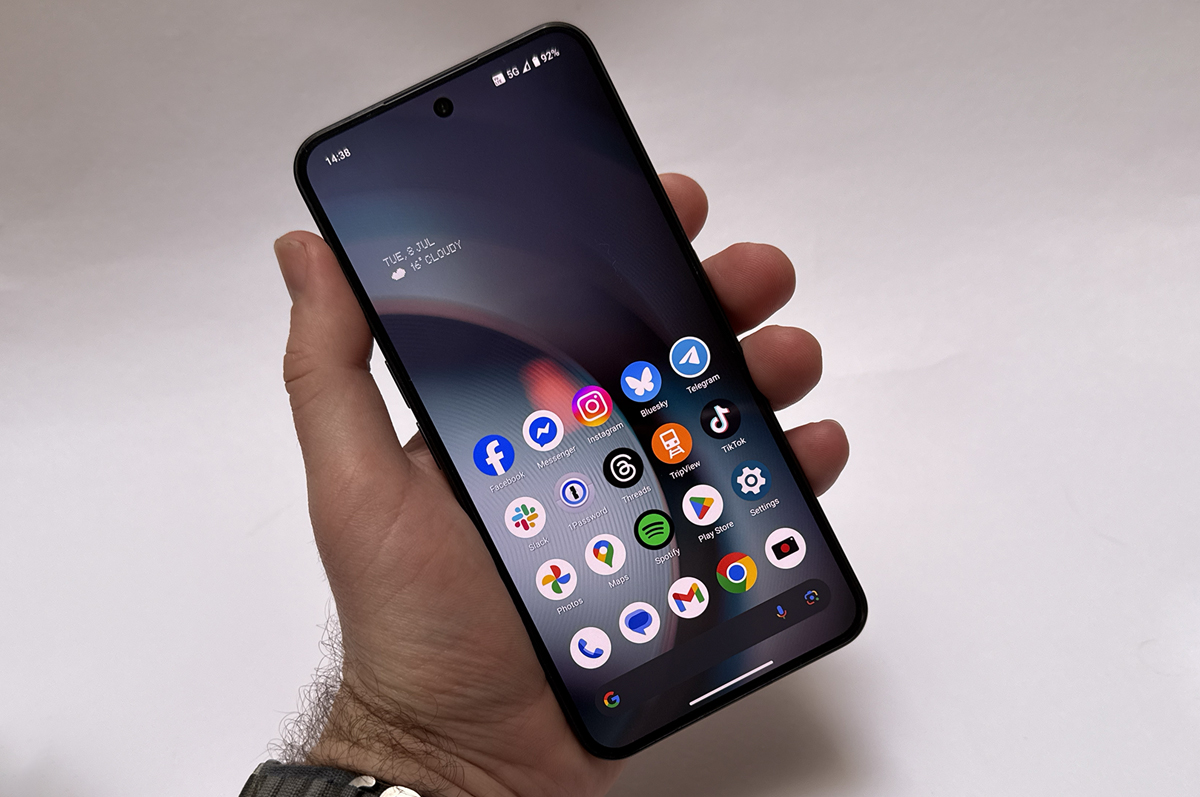
While the Nothing Phone 3's superlative functionality may be a little undercooked, it delivers when it comes to the practicalities.
Inside, it's powered by a Snapdragon 8s Gen 4. That's a step down from the Snapdragon 8 Elite we've seen in phones like the Galaxy S25, but everything still runs without a hitch. You're not going to have issues running demanding mobile games on the Phone 3.
The display is bright, sharp, and vibrant. It's hard to complain. One small limitation is that while it can reach refresh rates of as high as 120Hz, it can only drop as low as 30Hz. It can't get as low as 1Hz like some of the other phones in this category. While this doesn't make a difference to day-to-day usage, being able to drop the refresh rate lower can help with battery conservation on always-on displays, when you're not scrolling, or by matching the refresh rate to content you're watching.
Battery life certainly isn't a problem for the Nothing Phone 3, however. Expect at least seven hours of screen time per charge. That's easily a full day of moderate usage with a very comfortable buffer. With lighter usage, two full days per charge isn't out of the question.
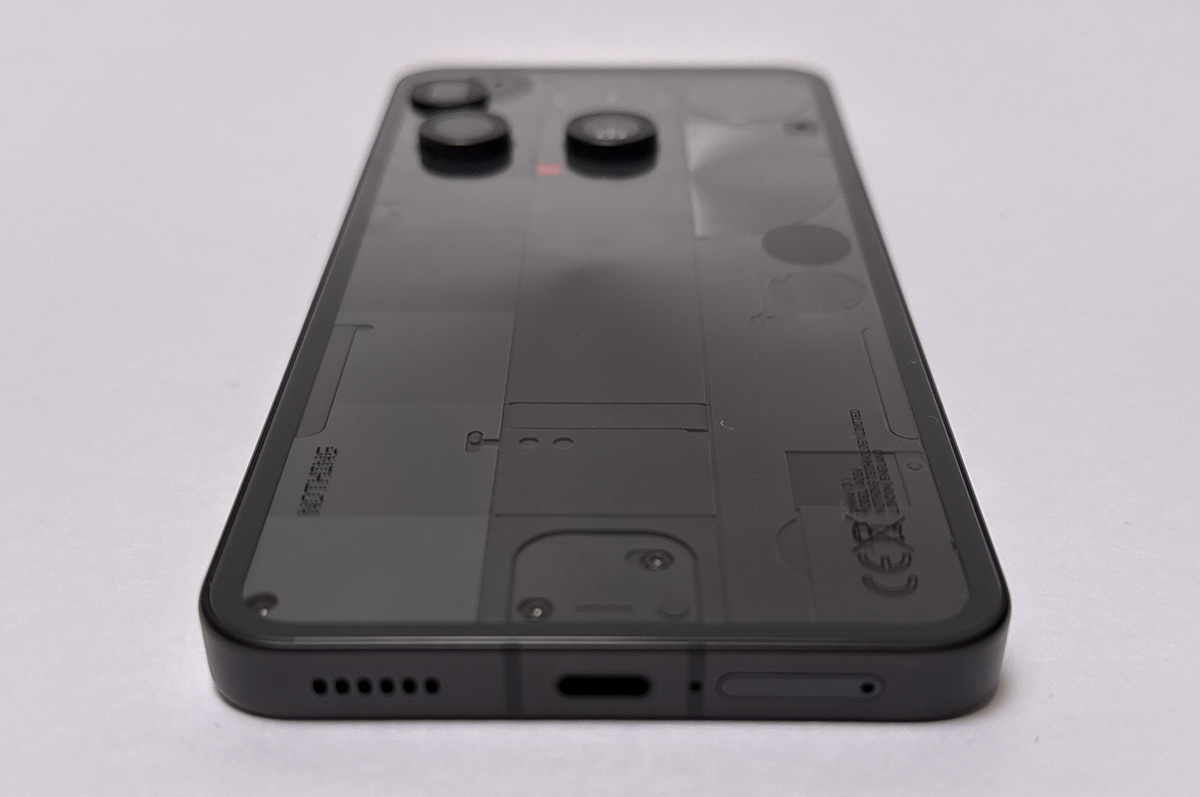
The Nothing Phone 3 also delivers when it comes to cameras. You can get three rear-facing cameras: a primary lens, an ultra-wide lens, and a 3x zoom lens. All three are reliable performers, but the primary lens is unsurprisingly the best. It handles moving subjects well, and almost rivals the iPhone 16 Pro in extreme low light. The iPhone 16 Pro is a touch more reliable and has slightly more detail in harsh conditions, but you can get close to identical photos.
The ultra-wide and 3x zoom lenses fall off a bit in low light, especially as it gets darker. This is an issue on most phones, but the 3x lens is a little slower than the 5x lenses on the iPhone 16 Pro and Google Pixel 9 Pro. This means you might need a bit of luck to get a sharp shot of a moving subject.
The Phone 3 has a dedicated macro mode, but the implementation is a bit different to other devices on the market. Instead of relying on the ultra-wide lens, it uses the 3x zoom lens for macro shots. There are ups and downs to this; while it prevents you from creating shadows over your subject with the phone, the zoom lens is slower to shoot than the ultra-wide, meaning there's a higher chance of blur. In some cases, my initial macro shot was sharp, but the software processing made it blurrier than the initial preview.
All in all, the Nothing Phone 3 isn't the best camera phone, but it still delivers the quality you'd expect for the price. There aren't any major issues to be concerned with.
Nothing Phone 3 camera samples
Check out these camera samples taken on the Nothing Phone 3. Click or tap on any photo to see a larger version.







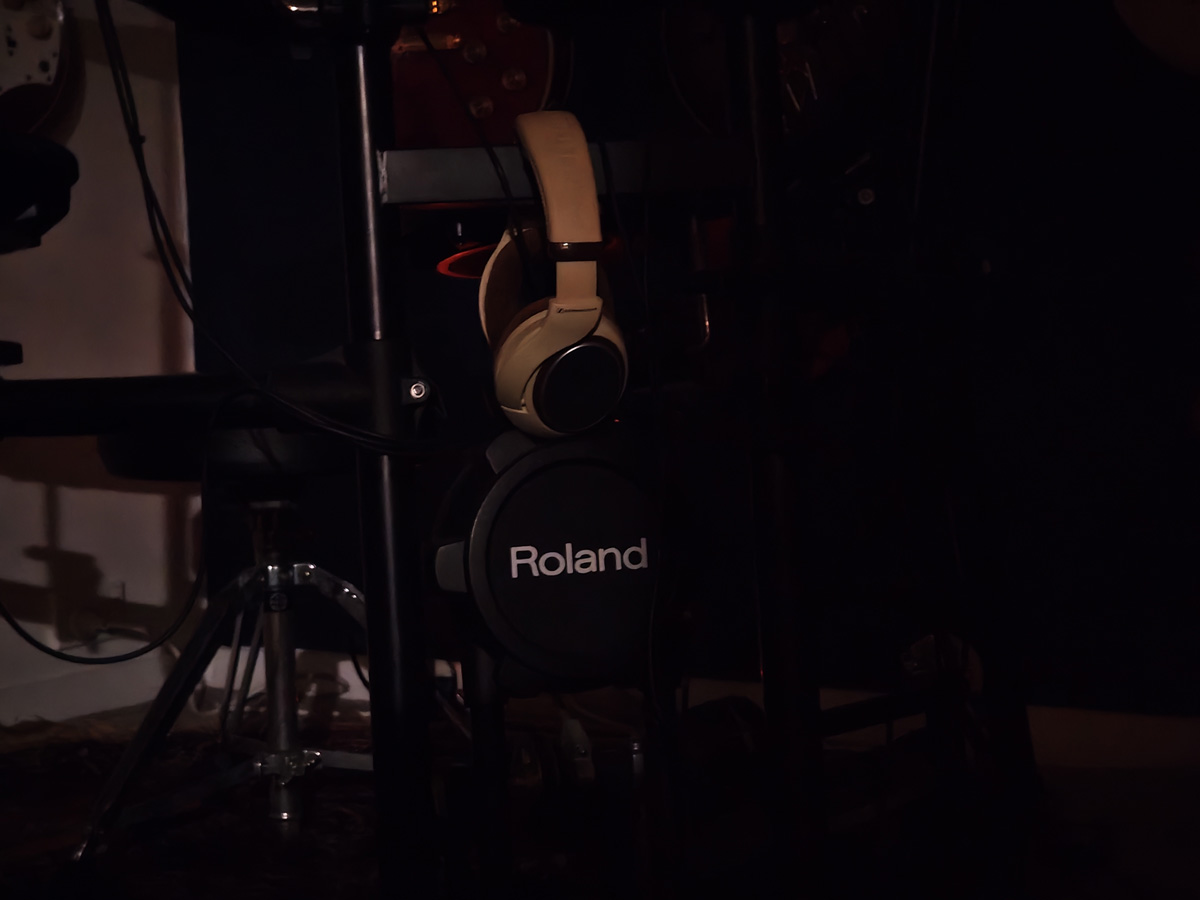






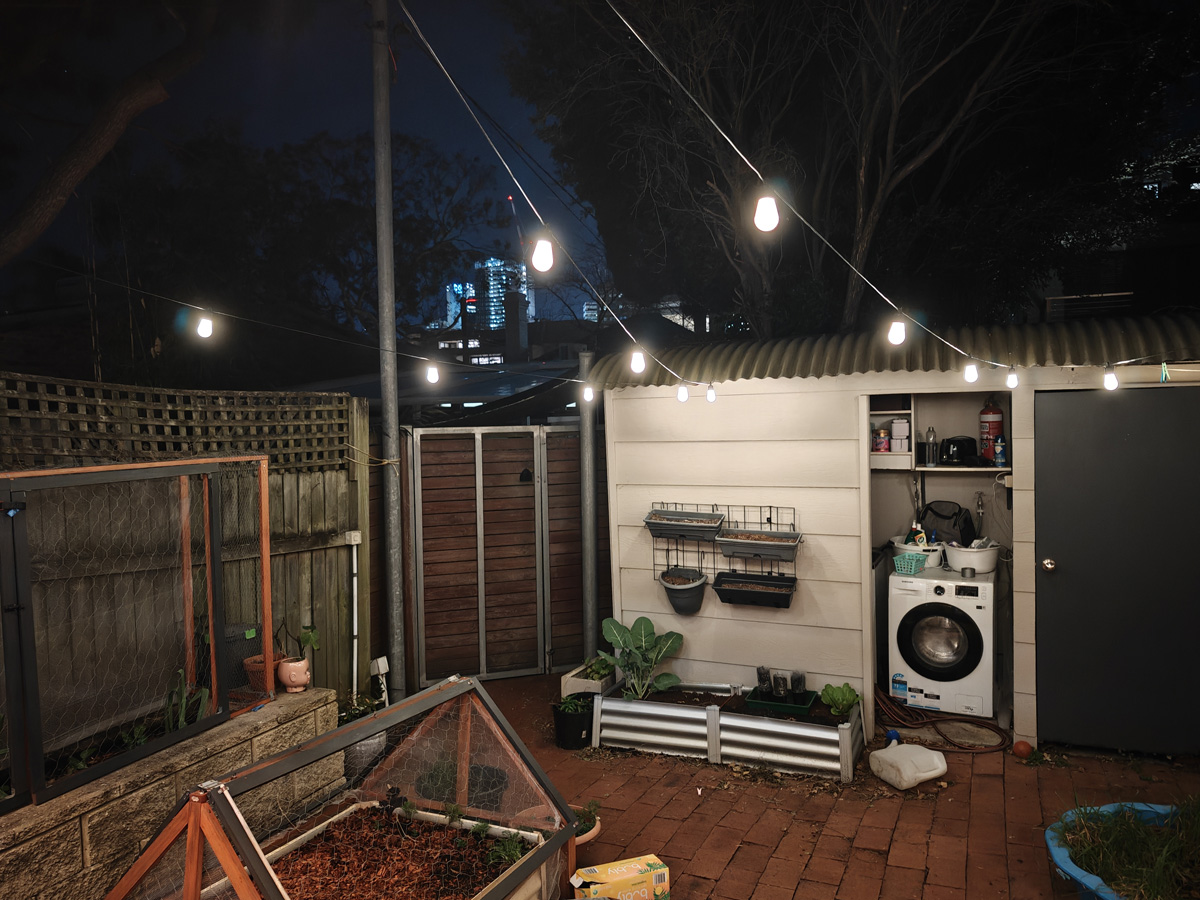


As a flagship device, the Nothing Phone 3 comes with the premium bells and whistles you'd expect at this price. There's fast charging, 15W wireless charging, reverse wireless charging for topping up gadgets like earbuds, eSIM support, and IP68 water resistance.
Lastly, the Phone 3 has Nothing's best software support promise to date. Nothing says it will receive five years of operating system upgrades, and seven years of security updates. That's not quite as good as the seven years of operating system upgrades Samsung and Google promise, but it does slightly edge out OPPO's five years of operating system upgrades and six years of security updates for the Find X8 Pro.
Nothing Phone 3 - Final Thoughts
The Phone 3 is a great phone, but with a starting price of $1,509, it's firmly in a ballpark Nothing hasn't competed in before. The Phone 1 and Phone 2 were "semi-premium" devices positioned as cheaper alternatives to the top-tier models in the market. The Phone 3 is right up against them.
That's not to say that Nothing hasn't maintained a competitive edge with pricing. $1,509 is cheaper than the starting price for the closest equivalent models from rivals: the Galaxy S25 Plus, iPhone 16 Pro, Pixel 9 Pro, and Find X8 Pro all have a higher retail price. In each case, you're saving at least $190.
$1,509 certainly isn't an unreasonable price for the Nothing Phone 3. It's a great all round performer, with great performance, battery life, and camera prowess. Even if you disregard Nothing's big swings, aesthetic or otherwise, the Phone 3 is an excellent device.
It's those big swings that make the Phone 3 more interesting, even if ideas like the Glyph Matrix come with rough edges. It's nice that there's another high-end phone worth considering, especially one that's intent on doing something different.
So if you’re looking to shake things up and take a punt on a new flagship, all signs point to yes.
These are the most popular NBN 50 plans with WhistleOut users this week:
|
#1
|
Dodo

All Fixed Line nbn®
Editor's Pick
nbn50 Unlimited Plan
$57.99/mth
Min. cost $57.99
|
|
#2
|
amaysim

All Fixed Line nbn®
NBN50
$45/mth
Min. cost $45
|
|
#3
|
Tangerine Telecom

All Fixed Line nbn®
Value Plus NBN 50/20
$64.90/mth
Min. cost $64.90
|
|
#4
|
TPG

All Fixed Line nbn®
nbn50 Unlimited Plan
$69.99/mth
Min. cost $69.99
Link not supplied
|
|
#5
|
Aussie Broadband

All Fixed Line nbn®
Value nbn - Unlimited
$70/mth
Min. cost $70
Link not supplied
|
|
#6
|
Superloop

All Fixed Line nbn®
Extra-value nbn50/20
$69/mth
Min. cost $69
|
|
#7
|
iiNet

All Fixed Line nbn®
nbn50 Liimitless
$69.99/mth
+ $10 Upfront
Min. cost $79.99
Link not supplied
|
|
#8
|
Belong

All Fixed Line nbn®
NBN Standard Plus – Unlimited
$55/mth
Min. cost $55
|
|
#9
|
Kogan Internet

All Fixed Line nbn®
Silver Unlimited
$69.90/mth
Min. cost $69.90
|
|
#10
|
Flip

All Fixed Line nbn®
Unlimited Family nbn50
$68/mth
Min. cost $68
|
Alex Choros

Related Articles


