
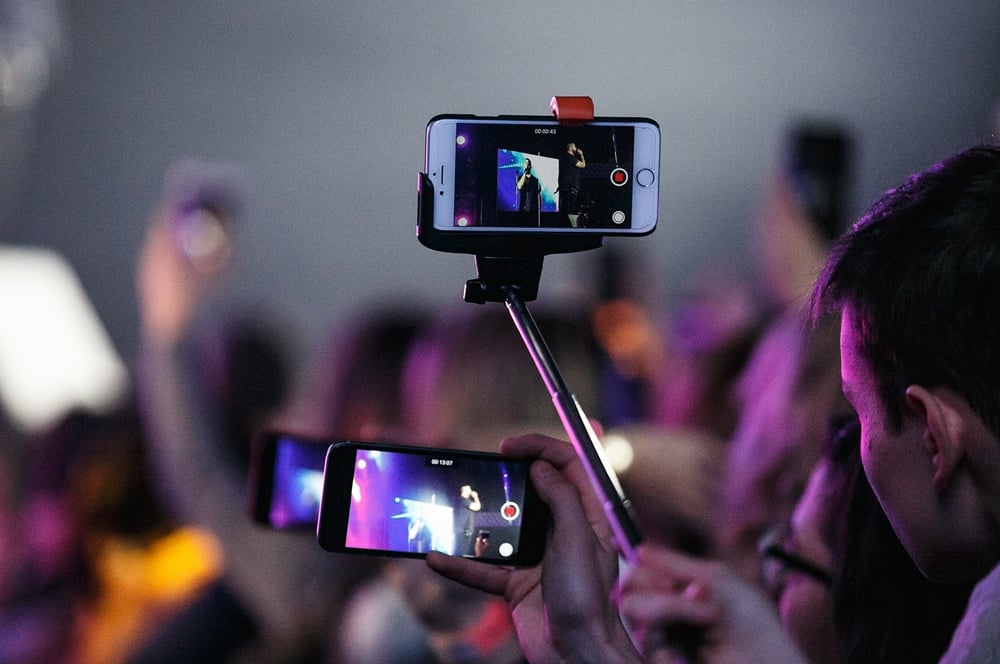
Mobile data traffic is expected to grow tenfold between now and 2022 according to Head of Ericsson Australia and New Zealand Emilio Romeo, with video seen as key driver. In fact, Romeo says that 75% of mobile by 2022.
In order to build a network that can handle this demand, Telstra and Ericsson have laid out a roadmap for what's being called the "Network of the Future" transformation program, which includes additional 5G trials, expansion of optical footprint, and the deployment of Australia's largest dedicated network for Internet of Things devices.
Off the back of the initial 5G trials in Australia and launch of gigabit LTE, Telstra, Ericsson, and Qualcomm will continue to testing 5G across the year, including an over-the-air field trial based on the expected 5G NR specifications being developed by 3GPP. Customer-facing trials will beginning April on the Gold Coast next year, which Telstra Group Managing Director of Networks Mike Wright says is setting up Telstra to "be one of the first networks in the world to be ready for 5G".
Based on current specifications, city-dwelling 5G users should realistically be able to achieve speeds of 1Gbps. In controlled tests, 5G networks have achieved speeds of over 20Gbps.
While Telstra expects customers to be using more and more data, Wright wouldn't confirm whether the telco is considering the addition of United States-like unlimited data plans, suggesting that unlimited doesn't always mean unlimited.
"Every industry is trying to give customers more of what they want and you'll see that in what we're doing with our media programs," said Wright.
Other parts of the network project include expanding and evolving Telstra's optical network footprint to be faster, more flexible, and more resilient. To cut the jargon, Telstra and Ericcson are essentially making a bunch of changes to underpinning network architecture that should ensure subscribers get a better experience.
In addition, Telstra is deploying what it calls "Australia's largest of Internet of Things" network by enabling support for Cat M1 devices. Cat M1 is a low power, Internet of Things friendly version of 4G designed for smart appliances. In some cases, the battery life of a Cat M1 smart device could last for as long as 10 years. Of course, Cat M1 is quite a bit slower than 4G, but nonetheless fast enough for the type of devices that could benefit from high-efficiency connectivity.
Wright expects Cat M1 devices to provide a lot of value in the sectors such as agriculture, where units could be used to continuously monitor crops.
Telstra says Cat M1 support will simply be the case of a software update to the network that can be easily deployed. The first Cat M1 devices should be available in the first of the year.
Alex Choros

Related Articles


