
It has been a big, exciting year for the mobile industry. We've seen loads of new handsets with great features, wearable tech entered its next phase and Aussie telcos have introduced some important changes to plans and pricing.
It’s easy to forget some of the top stories amidst the tide. Here are the biggest changes to the Aussie phone market that happened in 2014.
Up-sized Apple
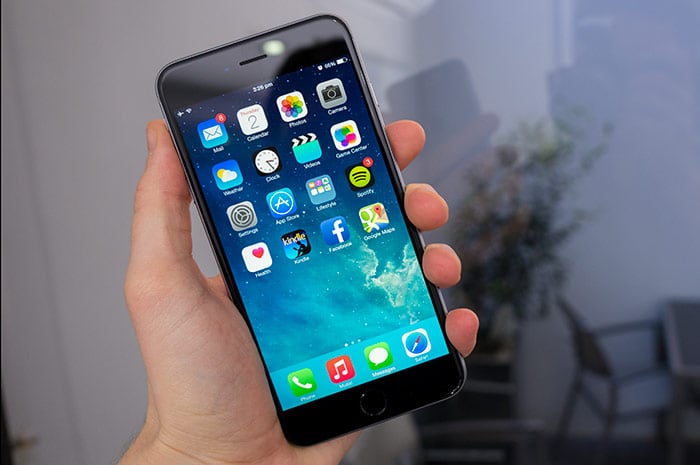
Apple’s big news this year was the iPhone 6 and iPhone 6 Plus. The two new upsized iPhones left Apple’s compact past behind in a move that was not entirely without scandal.
Initially “Bendgate”, an issue where some customers found their iPhones had bent in their pocket or bag, looked like it was going to be a problem. It quickly proved less of a disaster than initial reports suggested and the new iPhones were accepted with general popularity, in part thanks to their industry-leading cameras.
A subtler development occurred when the iPhone 6 Plus broke free of Apple’s strict “Retina display” restrictions and embraced a full HD 1080p screen. With any luck we’ll see this “Retina HD” panel hit the smaller iPhone 6s in 2015 for improved resolution across the board.
|
iPhone 6 Telstra Plans |
iPhone 6 Optus Plans |
iPhone 6 Vodafone Plans |
iPhone 6 Vrigin Mobile Plans |
Samsung Galaxy S5
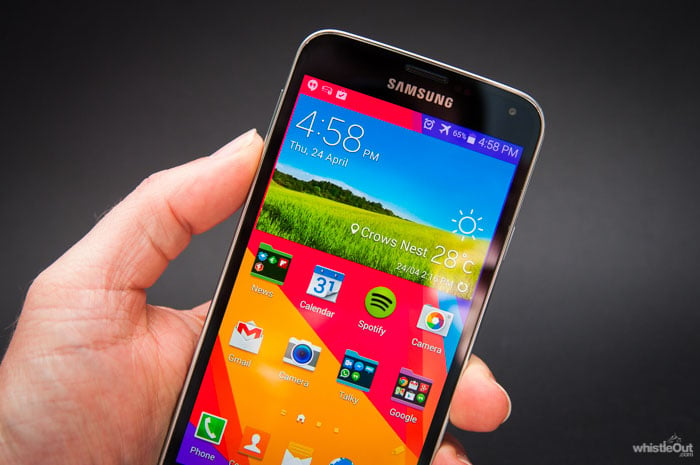
The S5 came out earlier in the year and has enjoyed great success, both in Australia and overseas. It boasts a 5.2 inch 1080p display, water resistance and a camera which was, until the new iPhones hit shelves, the best in the market.
It's a serious all-rounder that could have done without a couple of its more gimmicky features, like the heart-rate monitor and eye-tracking software, but was and still is an otherwise fantastic device.
|
Samsung Galaxy S5 Telstra Plans |
Samsung Galaxy S5 Optus Plans |
Samsung Galaxy S5 Vodafone Plans |
Samsung Galaxy S5 Virgin Plans |
Sony Xperia Z3 Compact
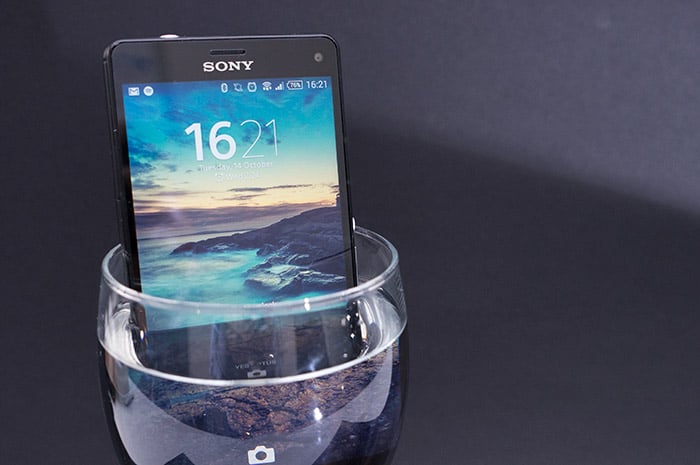
The 4.7 inch Xperia Z3 Compact brought pocket-sized Androids back in to the fore. It’s the first smaller Android handset in a long time that doesn’t make significant quality sacrifices to accommodate its size. Better still, it’s even more water resistant than the Galaxy S5.
If you want a pint-sized, top-tier Android, this is your best bet. Just keep in mind that, for an Android, 'compact' phones are the same size as the new iPhone 6.
|
Sony Xperia Z3 Compact Telstra Plans |
Sony Xperia Z3 Compact Optus Plans |
The fight against bill shock

Did you use too much data this month on Optus, Vodafone or even Telstra? Don’t sweat it. Australia’s largest three providers made some big changes this year with regards to how much you pay for leaning a little too hard on your monthly bandwidth.
Optus
Optus totally revamped its plans to the 'My Plan Plus' model that automatically tops-up your data whenever you go over. Each additional data block is 1GB, about half a regular plan's worth, for which you’re charged $10.
Vodafone
Vodafone did the same thing with its Red Plans: $10 for 1GB when you exceed your limit. On both carriers your plan reverts back to its original size and price at the end of the month.
Telstra
Telstra didn’t do anything this drastic, but it did drop its excess usage fees for data by 70% to 3c per MB. That works out to about 3x what you pay per MB on Optus and Vodafone, but you can still end up better off on Telstra if you only exceed your plan by a very small amount.
On top of this, Telstra has now embraced live-updated usage alerts. Other carriers can be up to 48 hours behind when you look up your month’s usage, or when you're compulsorily notified at 50%, 85% and 100% of your cap. Telstra is now aiming to be no more than 15 minutes behind, which makes unplanned YouTube splurges a whole lot safer.
|
Check out Telstra Plans |
Check out Optus Plans |
Check out Vodafone Plans |
Or how far I roam

“Mobile roaming” hasn’t traditionally been a term you’d use in polite company, but Vodafone and Telstra have made big steps towards making it a lot less expensive.
Vodafone
Vodafone instituted $5-a-day roaming on its post-paid plans. This means that you can use your regular Australian Vodafone monthly allowances – calls, texts, data – while overseas in a supported country. You must be on an eligible plan to enjoy this.
Telstra
Much more recently, Telstra introduced its Travel Passes, covering 40 countries across two zones. These are short-term ‘plans’ that give you contract-free access to overseas networks. To put the price difference between a Travel Pass and regular roaming in perspective, the excess usage per MB in both zones (3c) is up to 100x cheaper than standard Telstra roaming charges in some countries. You can read more about Telstra’s Travel Passes, just keep in mind that you must be a subscriber to grab one.
|
Check out Telstra Plans |
Check out Vodafone Plans |
Features, features, features

Pricing is important in a phone plan, but so are bonus features. Both Optus and Vodafone have the aforementioned auto top-ups, but that’s not all.
Optus data sharing
Optus now lets you share data across multiple devices for a one-time payment of $5 with no ongoing commitments or changes to your current (My Plan Plus) plan. You pay the charge and receive a data SIM to put in a tablet or WiFi hotspot. This SIM uses your phone plan’s data without the need for you to pay another monthly bill. Up to 5 extra devices can be added to your plan.
Cash by Optus
Cash By Optus is another free feature that lets you use your phone as a debit card. If you have a supported device (no iPhones, sorry), you can order a special SIM card. After you set up your Cash By Optus account and transfer money in to it, you can use it as you would any Paywave credit card. Basically, it’s like Apple Pay on the iPhone 6 and 6 Plus, except that it’s available in Australia and works on non-iPhone devices.
Vodafone Red Plans
Vodafone went a little mad this year. On top of what we’ve already discussed, it also added international call allotments and free subscriptions to either Spotify Premium, the SMH or The Age on its Red Plans. Expect this choice of complimentary extras to grow in 2015, perhaps even to encompass video services like Netflix and Stan.
|
Check out Optus Plans |
Check out Vodafone Red Plans |
The year of the wearable?
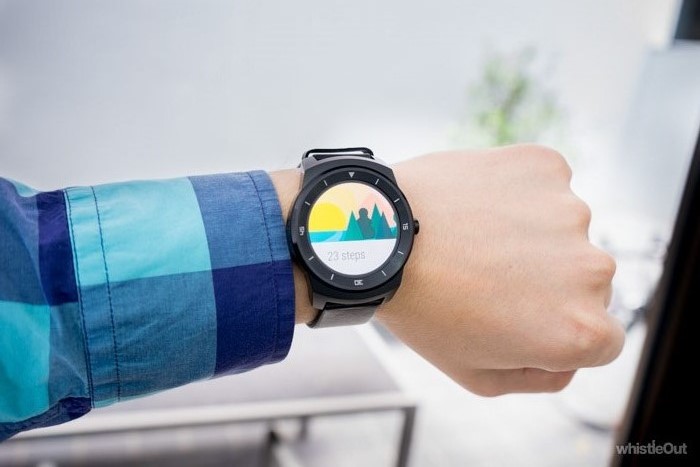
Wearables were supposed to be 2014’s big story. In some ways they were, but without the gravitas that had been predicted.
Smartwatches made the most headway with the LG G Watch R and Motorola Moto 360 proving that small, round screens were not only possible but desirable. Android Wear enabled both of them to provide a better user experience than had been possible before with full support from a huge range of Android apps.
Even Apple got on board, finally confirming its “Apple Watch”, although we’re still waiting on it to actually hit shelves.
Ultimately wearable tech did manage to move itself out of the underground niche market and in to the light of day, but we’re still not there in terms of mass consumer appeal. Smartwatches, and other wearable devices, still have a way to go before they’ll convince the greater public that they're worth their hard earned cash.
Alex Angove-Plumb
Digital Content Editor

Related Articles


