Google Pixel 10 Pro XL 256GB Prices On Telstra Plans
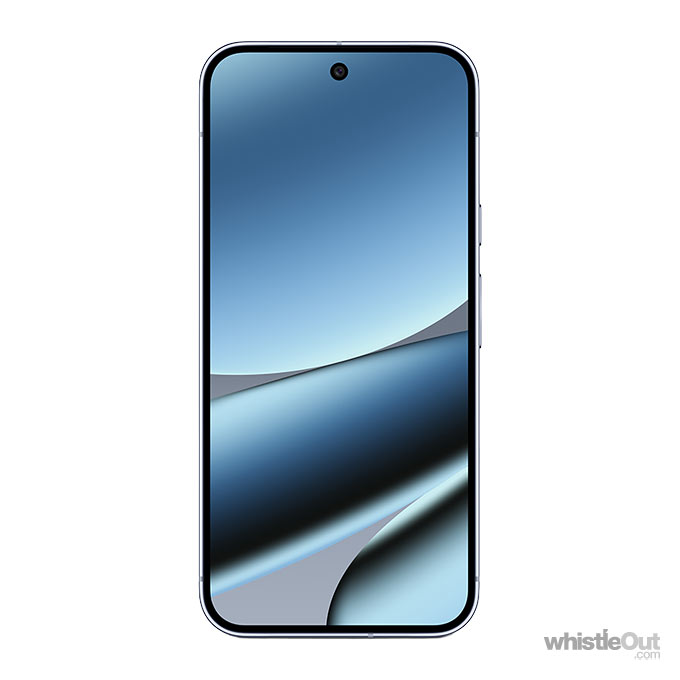
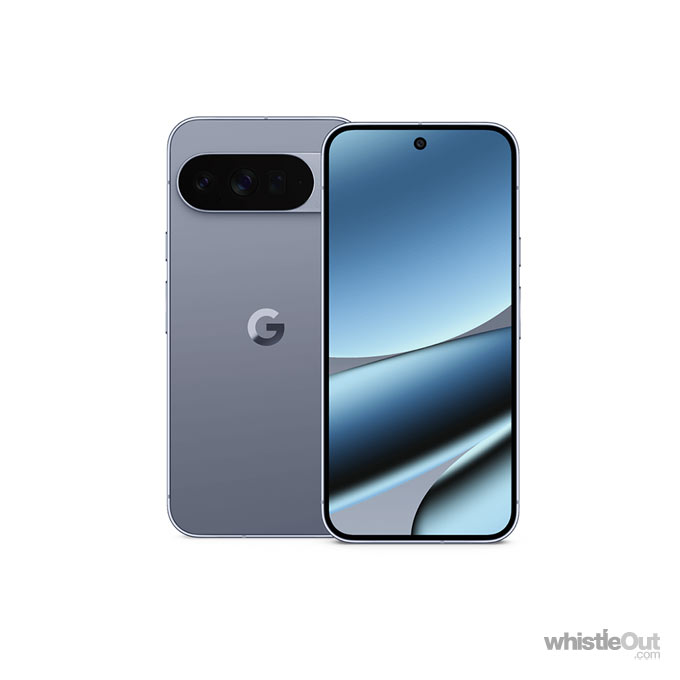
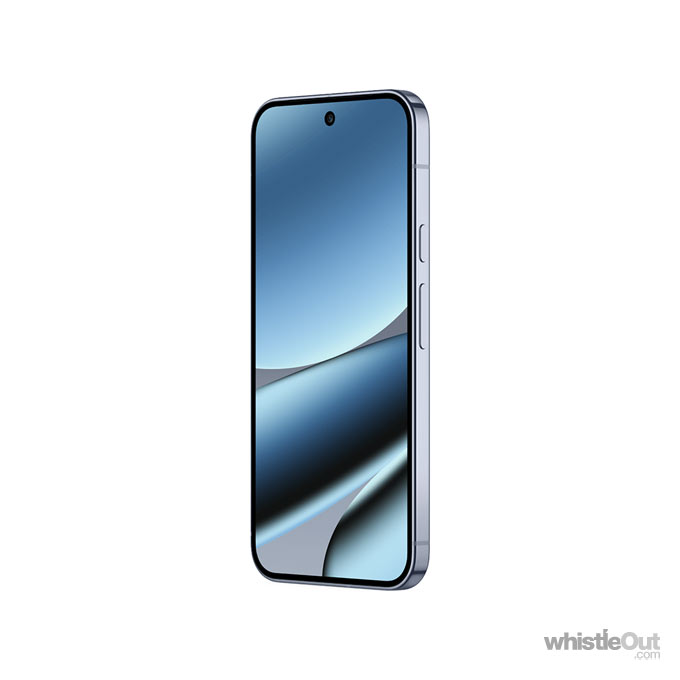

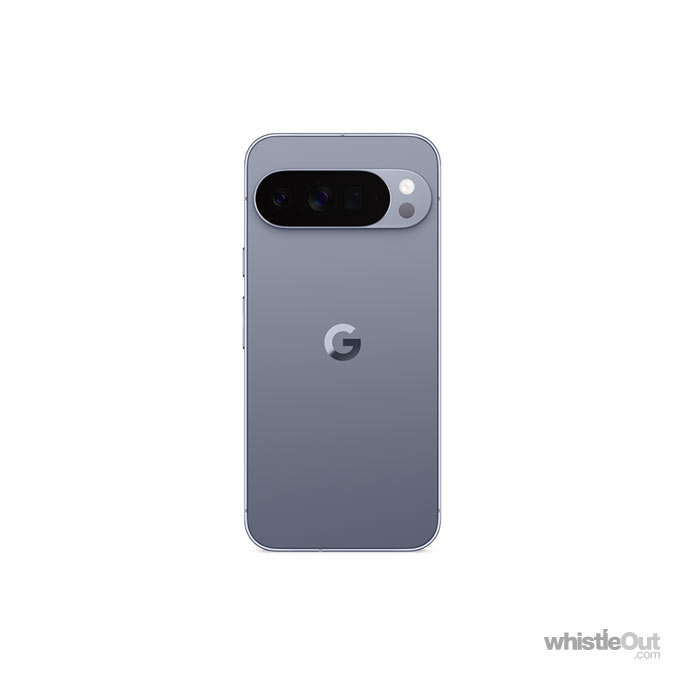
Features
- 6.8 inch display
- Rear Cameras: 50MP, 48MP, 48MP
- Front Camera: 42MP
- Android 16
- 5G Capable
- 256GB int. memory (useable capacity will be less)
- Water and Dust Resistance IP68 dust/water resistant (up to 1.5m for 30 min)
- Released in August 2025
- View full specs
Average Score
80/100
The Pixel 10 Pro XL continues to be a great flagship device, especially for those interested in mobile photography, but ...
WhistleOut
Read our full review
Compare Telstra Plans for the Google Pixel 10 Pro XL 256GB
 Google Pixel 10 Pro XL 256GB




$84 Essential Upfront Mobile Plan
- Telstra 5G Network in selected areas with 5G devices
- Uncapped 5G speeds. eSIM available
- No excess data charges in Australia
- Pay by AutoPay + Data Sharing for up to 10 eligible services
- Deal: Get $10 off for first 12 months on new Upfront Essential Mobile Plan. New services only. Ends 05.10.26
(1mth plan cost + 36mth device repayments)
$74 Basic Upfront Mobile Plan
- Telstra 5G Network in selected areas with 5G devices
- Uncapped 5G speeds. eSIM available
- No excess data charges in Australia
- Pay by AutoPay + Data Sharing for up to 10 eligible services
(1mth plan cost + 36mth Device repayments)
$99 Premium Upfront Mobile Plan
- Telstra 5G Network in selected areas with 5G devices
- Uncapped 5G speeds. eSIM available
- No excess data charges in Australia
- Pay by AutoPay + Data Sharing for up to 10 eligible services
- Deal: Get $15 off for first 12 months on new Upfront Premium Mobile Plan. New services only. Ends 05.10.26
(1mth plan cost + 36mth device repayments)
$84 Essential Upfront Mobile Plan
- Telstra 5G Network in selected areas with 5G devices
- Uncapped 5G speeds. eSIM available
- No excess data charges in Australia
- Pay by AutoPay + Data Sharing for up to 10 eligible services
- Deal: Get $10 off for first 12 months on new Upfront Essential Mobile Plan. New services only. Ends 05.10.26
(1mth plan cost + 24mth device repayments)
$74 Basic Upfront Mobile Plan
- Telstra 5G Network in selected areas with 5G devices
- Uncapped 5G speeds. eSIM available
- No excess data charges in Australia
- Pay by AutoPay + Data Sharing for up to 10 eligible services
(1mth plan cost + 24mth Device repayments)
$99 Premium Upfront Mobile Plan
- Telstra 5G Network in selected areas with 5G devices
- Uncapped 5G speeds. eSIM available
- No excess data charges in Australia
- Pay by AutoPay + Data Sharing for up to 10 eligible services
- Deal: Get $15 off for first 12 months on new Upfront Premium Mobile Plan. New services only. Ends 05.10.26
(1mth plan cost + 24mth device repayments)
$84 Essential Upfront Mobile Plan
- Telstra 5G Network in selected areas with 5G devices
- Uncapped 5G speeds. eSIM available
- No excess data charges in Australia
- Pay by AutoPay + Data Sharing for up to 10 eligible services
- Deal: Get $10 off for first 12 months on new Upfront Essential Mobile Plan. New services only. Ends 05.10.26
(1mth plan cost + 36mth device repayments)
$74 Basic Upfront Mobile Plan
- Telstra 5G Network in selected areas with 5G devices
- Uncapped 5G speeds. eSIM available
- No excess data charges in Australia
- Pay by AutoPay + Data Sharing for up to 10 eligible services
(1mth plan cost + 36mth Device repayments)
$99 Premium Upfront Mobile Plan
- Telstra 5G Network in selected areas with 5G devices
- Uncapped 5G speeds. eSIM available
- No excess data charges in Australia
- Pay by AutoPay + Data Sharing for up to 10 eligible services
- Deal: Get $15 off for first 12 months on new Upfront Premium Mobile Plan. New services only. Ends 05.10.26
(1mth plan cost + 36mth device repayments)
$84 Essential Upfront Mobile Plan
- Telstra 5G Network in selected areas with 5G devices
- Uncapped 5G speeds. eSIM available
- No excess data charges in Australia
- Pay by AutoPay + Data Sharing for up to 10 eligible services
- Deal: Get $10 off for first 12 months on new Upfront Essential Mobile Plan. New services only. Ends 05.10.26
(1mth plan cost + 24mth device repayments)
$74 Basic Upfront Mobile Plan
- Telstra 5G Network in selected areas with 5G devices
- Uncapped 5G speeds. eSIM available
- No excess data charges in Australia
- Pay by AutoPay + Data Sharing for up to 10 eligible services
(1mth plan cost + 24mth Device repayments)
$99 Premium Upfront Mobile Plan
- Telstra 5G Network in selected areas with 5G devices
- Uncapped 5G speeds. eSIM available
- No excess data charges in Australia
- Pay by AutoPay + Data Sharing for up to 10 eligible services
- Deal: Get $15 off for first 12 months on new Upfront Premium Mobile Plan. New services only. Ends 05.10.26
(1mth plan cost + 24mth device repayments)
$84 Essential Upfront Mobile Plan
- Telstra 5G Network in selected areas with 5G devices
- Uncapped 5G speeds. eSIM available
- No excess data charges in Australia
- Pay by AutoPay + Data Sharing for up to 10 eligible services
- Deal: Get $10 off for first 12 months on new Upfront Essential Mobile Plan. New services only. Ends 05.10.26
(1mth plan cost + 36mth device repayments)
$74 Basic Upfront Mobile Plan
- Telstra 5G Network in selected areas with 5G devices
- Uncapped 5G speeds. eSIM available
- No excess data charges in Australia
- Pay by AutoPay + Data Sharing for up to 10 eligible services
(1mth plan cost + 36mth Device repayments)
$99 Premium Upfront Mobile Plan
- Telstra 5G Network in selected areas with 5G devices
- Uncapped 5G speeds. eSIM available
- No excess data charges in Australia
- Pay by AutoPay + Data Sharing for up to 10 eligible services
- Deal: Get $15 off for first 12 months on new Upfront Premium Mobile Plan. New services only. Ends 05.10.26
(1mth plan cost + 36mth device repayments)
$84 Essential Upfront Mobile Plan
- Telstra 5G Network in selected areas with 5G devices
- Uncapped 5G speeds. eSIM available
- No excess data charges in Australia
- Pay by AutoPay + Data Sharing for up to 10 eligible services
- Deal: Get $10 off for first 12 months on new Upfront Essential Mobile Plan. New services only. Ends 05.10.26
(1mth plan cost + 24mth device repayments)
$74 Basic Upfront Mobile Plan
- Telstra 5G Network in selected areas with 5G devices
- Uncapped 5G speeds. eSIM available
- No excess data charges in Australia
- Pay by AutoPay + Data Sharing for up to 10 eligible services
(1mth plan cost + 24mth Device repayments)
$99 Premium Upfront Mobile Plan
- Telstra 5G Network in selected areas with 5G devices
- Uncapped 5G speeds. eSIM available
- No excess data charges in Australia
- Pay by AutoPay + Data Sharing for up to 10 eligible services
- Deal: Get $15 off for first 12 months on new Upfront Premium Mobile Plan. New services only. Ends 05.10.26
(1mth plan cost + 24mth device repayments)
$84 Essential Upfront Mobile Plan
- Telstra 5G Network in selected areas with 5G devices
- Uncapped 5G speeds. eSIM available
- No excess data charges in Australia
- Pay by AutoPay + Data Sharing for up to 10 eligible services
- Deal: Get $10 off for first 12 months on new Upfront Essential Mobile Plan. New services only. Ends 05.10.26
(1mth plan cost + 36mth device repayments)
$74 Basic Upfront Mobile Plan
- Telstra 5G Network in selected areas with 5G devices
- Uncapped 5G speeds. eSIM available
- No excess data charges in Australia
- Pay by AutoPay + Data Sharing for up to 10 eligible services
(1mth plan cost + 36mth Device repayments)
$99 Premium Upfront Mobile Plan
- Telstra 5G Network in selected areas with 5G devices
- Uncapped 5G speeds. eSIM available
- No excess data charges in Australia
- Pay by AutoPay + Data Sharing for up to 10 eligible services
- Deal: Get $15 off for first 12 months on new Upfront Premium Mobile Plan. New services only. Ends 05.10.26
(1mth plan cost + 36mth device repayments)
$84 Essential Upfront Mobile Plan
- Telstra 5G Network in selected areas with 5G devices
- Uncapped 5G speeds. eSIM available
- No excess data charges in Australia
- Pay by AutoPay + Data Sharing for up to 10 eligible services
- Deal: Get $10 off for first 12 months on new Upfront Essential Mobile Plan. New services only. Ends 05.10.26
(1mth plan cost + 24mth device repayments)
$74 Basic Upfront Mobile Plan
- Telstra 5G Network in selected areas with 5G devices
- Uncapped 5G speeds. eSIM available
- No excess data charges in Australia
- Pay by AutoPay + Data Sharing for up to 10 eligible services
(1mth plan cost + 24mth Device repayments)
$99 Premium Upfront Mobile Plan
- Telstra 5G Network in selected areas with 5G devices
- Uncapped 5G speeds. eSIM available
- No excess data charges in Australia
- Pay by AutoPay + Data Sharing for up to 10 eligible services
- Deal: Get $15 off for first 12 months on new Upfront Premium Mobile Plan. New services only. Ends 05.10.26
(1mth plan cost + 24mth device repayments)
$84 Essential Upfront Mobile Plan
- Telstra 5G Network in selected areas with 5G devices
- Uncapped 5G speeds. eSIM available
- No excess data charges in Australia
- Pay by AutoPay + Data Sharing for up to 10 eligible services
- Deal: Get $10 off for first 12 months on new Upfront Essential Mobile Plan. New services only. Ends 05.10.26
(1mth plan cost + 36mth device repayments)
$74 Basic Upfront Mobile Plan
- Telstra 5G Network in selected areas with 5G devices
- Uncapped 5G speeds. eSIM available
- No excess data charges in Australia
- Pay by AutoPay + Data Sharing for up to 10 eligible services
(1mth plan cost + 36mth Device repayments)
$99 Premium Upfront Mobile Plan
- Telstra 5G Network in selected areas with 5G devices
- Uncapped 5G speeds. eSIM available
- No excess data charges in Australia
- Pay by AutoPay + Data Sharing for up to 10 eligible services
- Deal: Get $15 off for first 12 months on new Upfront Premium Mobile Plan. New services only. Ends 05.10.26
(1mth plan cost + 36mth device repayments)
$84 Essential Upfront Mobile Plan
- Telstra 5G Network in selected areas with 5G devices
- Uncapped 5G speeds. eSIM available
- No excess data charges in Australia
- Pay by AutoPay + Data Sharing for up to 10 eligible services
- Deal: Get $10 off for first 12 months on new Upfront Essential Mobile Plan. New services only. Ends 05.10.26
(1mth plan cost + 24mth device repayments)
$74 Basic Upfront Mobile Plan
- Telstra 5G Network in selected areas with 5G devices
- Uncapped 5G speeds. eSIM available
- No excess data charges in Australia
- Pay by AutoPay + Data Sharing for up to 10 eligible services
(1mth plan cost + 24mth Device repayments)
$99 Premium Upfront Mobile Plan
- Telstra 5G Network in selected areas with 5G devices
- Uncapped 5G speeds. eSIM available
- No excess data charges in Australia
- Pay by AutoPay + Data Sharing for up to 10 eligible services
- Deal: Get $15 off for first 12 months on new Upfront Premium Mobile Plan. New services only. Ends 05.10.26
(1mth plan cost + 24mth device repayments)
$84 Essential Upfront Mobile Plan
- Telstra 5G Network in selected areas with 5G devices
- Uncapped 5G speeds. eSIM available
- No excess data charges in Australia
- Pay by AutoPay + Data Sharing for up to 10 eligible services
- Deal: Get $10 off for first 12 months on new Upfront Essential Mobile Plan. New services only. Ends 05.10.26
(1mth plan cost + 24mth device repayments)
$74 Basic Upfront Mobile Plan
- Telstra 5G Network in selected areas with 5G devices
- Uncapped 5G speeds. eSIM available
- No excess data charges in Australia
- Pay by AutoPay + Data Sharing for up to 10 eligible services
(1mth plan cost + 24mth Device repayments)
$99 Premium Upfront Mobile Plan
- Telstra 5G Network in selected areas with 5G devices
- Uncapped 5G speeds. eSIM available
- No excess data charges in Australia
- Pay by AutoPay + Data Sharing for up to 10 eligible services
- Deal: Get $15 off for first 12 months on new Upfront Premium Mobile Plan. New services only. Ends 05.10.26
(1mth plan cost + 24mth device repayments)
$84 Essential Upfront Mobile Plan
- Telstra 5G Network in selected areas with 5G devices
- Uncapped 5G speeds. eSIM available
- No excess data charges in Australia
- Pay by AutoPay + Data Sharing for up to 10 eligible services
- Deal: Get $10 off for first 12 months on new Upfront Essential Mobile Plan. New services only. Ends 05.10.26
(1mth plan cost + 36mth device repayments)
$74 Basic Upfront Mobile Plan
- Telstra 5G Network in selected areas with 5G devices
- Uncapped 5G speeds. eSIM available
- No excess data charges in Australia
- Pay by AutoPay + Data Sharing for up to 10 eligible services
(1mth plan cost + 36mth Device repayments)
$99 Premium Upfront Mobile Plan
- Telstra 5G Network in selected areas with 5G devices
- Uncapped 5G speeds. eSIM available
- No excess data charges in Australia
- Pay by AutoPay + Data Sharing for up to 10 eligible services
- Deal: Get $15 off for first 12 months on new Upfront Premium Mobile Plan. New services only. Ends 05.10.26
(1mth plan cost + 36mth device repayments)
Google Pixel 10 Pro XL 256GB Specs
Display
| Type | OLED, 120Hz, HDR10+ |
|---|---|
| Screen Resolution | 1344 x 2992 pixels |
| Screen Size | 6.8 inch (17.3 cm) |
| Touch Screen | Yes |
Camera
| Front |
|
|---|---|
| Rear |
|
| Flash Type | LED |
| Video Recording | 8K video recording at 24/30 FPS (powered by Video Boost) |
General
| Release Date | August 2025 |
|---|---|
| Operating System | Android 16 |
| Processor Type | Google Tensor G5 |
| Processor Speed | 3.1 GHz |
| Graphics Processor Type | Mali-G715 MC7 |
| SIM Card | Nano-SIM, eSIM |
| Battery Capacity | 5200 mAh |
| Battery Features | Pixelsnap wireless charging (Qi2 certified) up to 25 W |
| RAM | 16GB |
| Internal | 256GB |
| Expandable | - |
Physical
| Width | 76.6 mm |
|---|---|
| Height | 162.8 mm |
| Thickness | 8.5 mm |
| Weight | 232 grams |
| Material | Glass front (Gorilla Glass Victus), glass back (Gorilla Glass Victus), aluminum frame |
| Colours | - |
| Water and Dust Resistance | Yes, IP68 dust/water resistant (up to 1.5m for 30 min) |
Features
| Intelligence | Google Assistant |
|---|---|
| NFC | Yes |
| GPS | Yes |
| Sensors | Accelerometer, Barometer, Fingerprint scanner, Gyrometer, Proximity sensor |
| Audio Formats | - |
| Video Formats | HEVC (H.265), AVC (H.264), AV1, VP9 |
Connectivity
| Maximum Data Speed | - |
|---|---|
| WiFi | Wi-Fi 7 (802.11be) with 2.4GHz+5GHz+6GHz, 2x2+2x2 MIMO |
| USB | USB Type-C 3.2 |
| Networks | 5G / 4G |
| Frequencies |
|
| Headphone jack | No |
| Connectivity Features | Bluetooth, Voice over LTE (VoLTE), Wifi-Calling |
Google Pixel 10 Pro XL 256GB Reviews
|
Positive
|
WhistleOut Review
Alex Choros (WhistleOut) |
|---|
Google Pixel 10 Pro XL 256GB Review

- Excellent cameras
- Premium design
- Pixelsnap
- New AI features are inconsistent
- Higher starting price since 128GB model was cut
- Battery life shorter than rivals
Artificial intelligence has cast a long shadow over the last two or so years of phone releases. Hardware upgrades have taken a backseat to generative AI-powered software functionality, and we've seen that again with the Pixel 10 family.
The prioritisation of AI features over hardware improvements would be easier to understand if the functionality worked as intended, but there's historically been a delta between the promises made by manufacturers like Google and the day-to-day reality of using these new features.
In my time testing the Pixel 10 Pro XL, I've found this especially disappointing. Some of Google's new ideas around artificial intelligence are fascinating. I love the idea of Magic Cue, Google's AI tool for proactively displaying relevant information, but it hasn't worked anywhere near as well as I'd hoped.
This leaves the Pixel 10 Pro XL in a weird place. Sure, it's a good phone. A great one, even. But it's also such a minor upgrade from a hardware perspective when compared to last year's model. Only real sickos buy a new phone every year, but it's still hard not to want the Pixel 10 Pro XL to feel a little fresher than it does - especially given this is a milestone release.
Needs a little more magic
Magic Cue is Google's most intriguing take on artificial intelligence in a while. The idea is that it can bring up contextual information across apps, based on what data is on your phone. Examples Google provided included bringing up a flight booking when trying to call an airline, or information about a restaurant reservation when replying to a message from a friend.
Removing friction points by surfacing relevant information, almost in the same style as an autocorrect suggestion, is great on paper. The reality is less promising.
I tried Google's example of calling Qantas, because I've got a flight coming up in a few weeks. Instead of showing me the booking confirmation when I first tried it, Magic Cue instead brought up a newsletter from Crikey that happened to mention Qantas in the copy. I tried it again a few days later, and it was able to bring up the booking confirmation, but Magic Cue had made up flight times. It suggested I was on a midday flight, rather than the evening one I am booked on.
Magic Cue also delivered wrong information when I was trying to reply to messages like "Do you have so and so's number?". It brought up a prompt for the person in question, but with an entirely different number to the one saved to that contact.
Sometimes Magic Cue can't find information at all. It simply wouldn't pull information from my inbox around a lunch booking I've got in my inbox. Sometimes, no Magic Cue suggestion was provided, while in others, it simply suggested opening my calendar app.
In the reviewer's guide for the Pixel 10 family, Google suggested browsing restaurants in Chrome, then swapping to Google Maps and searching. This is meant to bring up the restaurant name as a Magic Cue suggestion, but no matter how many times I tried, this didn't work.
As a side note, Magic Cue may not play well with information outside of Google's world. I have a Microsoft email account in the Gmail app on the Pixel 10 Pro XL, and I've given Magic Cue permission to look at Gmail. My flight confirmation was originally in my Microsoft account, but I wasn't able to get Magic Cue to bring up any information around it until I forwarded it to a personal Gmail.
Magic Cue also currently doesn't seem to work outside of Google's apps. I've not had it trigger when messaging in apps like Messenger, Telegram, and Slack.
You can see how a feature like Magic Cue can be really promising, but it suffers from the same reliability issues as other LLM-powered products. Even if a Magic Cue suggestion might be convenient, there's no guarantee it's accurate.
Interestingly, Magic Cue is pretty similar to Apple's personal context update for Siri that was announced last year, but still hasn't eventuated. Apple was promising similar functionality to Google, where Siri would be able to execute commands based on information in your phone, such as a flight number in an email from your mum. Given how well Magic Cue works, it's no surprise Apple has delayed its Siri refresh.
One of the more useful new AI features is live translations in phone calls. This is pretty similar to what Samsung introduced in the Galaxy S24 family, but instead of having translations read out in a generic voice, the Pixel attempts to mimic whoever is speaking.
I tested this with a colleague who speaks a little Italian, and it worked well enough for a basic conversation. My Italian deep fake didn't sound anything like me, while his English deepfake spoke with a strong Italian accent that came across as a bit uncanny valley. This is almost certainly less of an issue if you're speaking to people you don't know, like calling up to make a restaurant reservation.
Translation needs to be set up before making a call, and can require downloading about a gigabyte of language packs. If you're planning on using this overseas, you'll want to make sure you download the language packs before you leave or when you're on WiFi.
The Pixel 10 Pro XL has a couple of other new AI features that I haven't been able to test yet. These are Daily Hub, which is pitched as a briefing pane that pulls a bunch of info about your day into one place, and Take a Message, which gives you real-time transcripts from missed calls and suggested next steps.
These features don't seem to be live yet, and other journalists I've talked to haven't been able to use them either.
Déjà vu

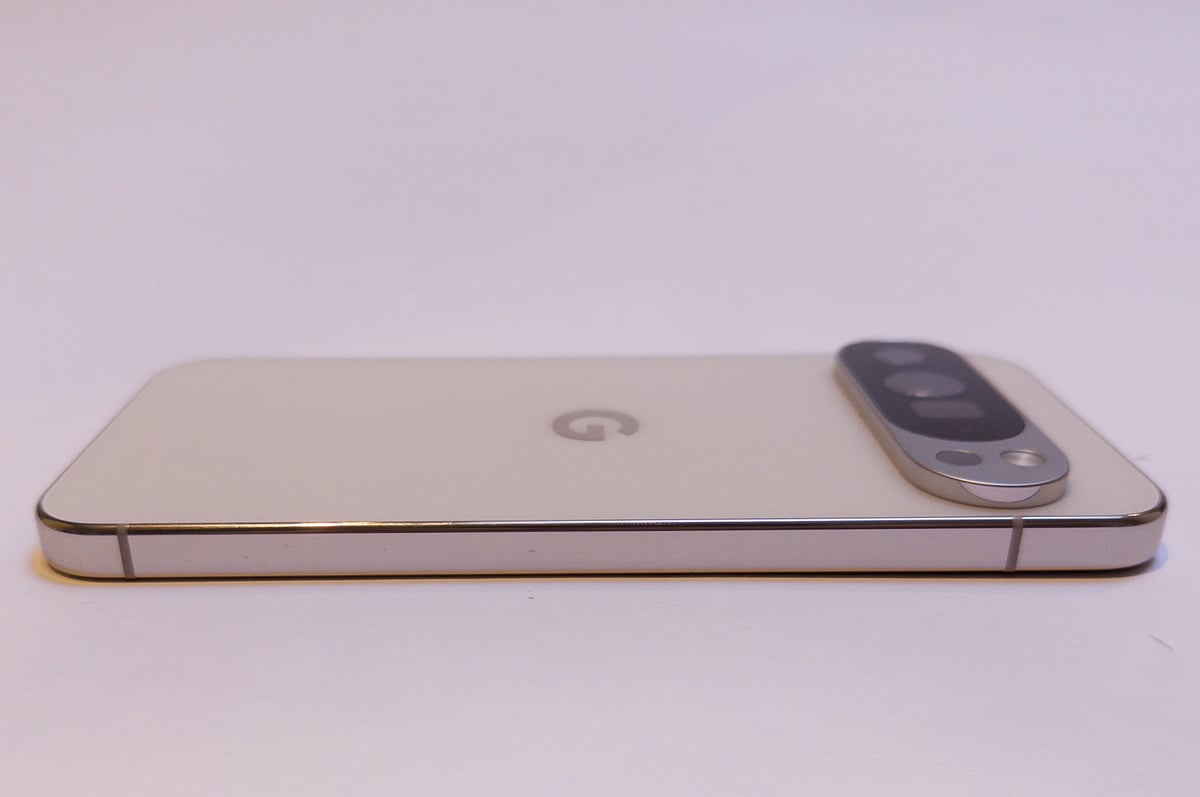
On the hardware front, the Pixel 10 Pro XL is a very similar phone to last year's model. Side-by-side, you can't tell them apart.
The biggest difference is the move to Qi2 wireless charging, which Google is calling Pixelsnap. The Pixel 10 Pro XL has the fastest wireless charging out of the Pixel 10 family, and is able to charge at 25W compared to the 15W speeds other Pixel 10 devices are capable of.
While faster wireless charging speeds are nice, the more exciting part of Pixelsnap is magnets. Much like MagSafe, Pixelsnap allows you to connect magnetic accessories to the back of a phone, whether they be a charger or otherwise. I rarely use wireless charging with other devices, but I've got a MagSafe car mount that's super convenient for when I need Google Maps when driving.
The Pixel 10 Pro XL also gets a speaker upgrade that you won't find on any other model, featuring stereo sound and stronger bass. While it definitely sounds a little nicer than last year's model, listening to anything on phone speakers should always be a last resort.
Google has kitted out the Pixel 10 Pro XL with a slightly bigger battery, but performance is mostly in line with last year's. Expect between five and six hours per charge, which is enough for a full day of moderate usage with a comfortable buffer. That's certainly not bad, but over the last 12 months, we've seen Android phones like the OPPO Find X8 Pro push to eight hours.
When it comes to performance, Google is calling the Tensor G5 its most significant upgrade since it first started making its own chips with the Pixel 6. It says the CPU is 34% faster when compared to last year's Pixel 9. Google still isn't going for raw power, however, with the chip more focused on enabling AI experiences like Magic Cue to happen on device rather than offloading to the cloud.
And while it is hard to fault the day-to-day of using the Pixel 10 Pro XL, the Tensor G5 is still less powerful than what Apple and Samsung are shipping in their top-end devices. Benchmarks suggest performance is more in line with older devices like the iPhone 14 and the Galaxy S24. Given that even demanding games like Diablo Immortal run comfortably on the Pixel 10 Pro XL, this isn't exactly an issue, but it still feels weird for a $2,000 to be so out of step with the main competition.

On the camera front, not much has changed. You still get a 50MP primary lens, 48MP ultra-wide lens, and 48MP 5x telephoto lens. Arguably, Google didn’t have to do much work here, given that the Pixel 9 Pro and Pixel 9 Pro XL were among the best phones you could buy for photography.
The 50MP lens is said to have better stabilisation, and Google says the Tensor G5 has a new image signal processor, which can improve quality, but even when pixel peeping, I struggled to tell photos from the Pixel 10 Pro XL and Pixel 9 Pro XL apart.
That's not necessarily a bad thing. The Pixel 10 Pro XL takes reliable shots in almost every situation, and has the fastest zoom lens you'll find on an Android phone. Apple does still, however, have a slight edge in low light, with the iPhone 16 Pro taking more detailed shots.
Pixel 10 Pro XL camera samples
Check out these camera samples taken on the Pixel 10 Pro XL. Click or tap on any photo to see a larger version.












Naturally, there's also a bunch of new AI photo functionality. Camera Coach is a new button in the camera app that offers suggestions for photo composition. It's an interesting idea, but the implementation is very slow. It takes around eight seconds to get framing suggestions, and then another five seconds to give you instructions. Unless you're taking a photo of a still subject, there's a chance the moment will be gone by the time Camera Coach has done its thing.
A Pixel 10 Pro and Pixel 10 Pro XL exclusive AI feature is AI-powered zoom. After you go to 30x magnification and beyond, the phones will use an AI model to try and improve the image. While the idea makes sense - and is something manufacturers like OPPO have also implemented - results can vary. With a simpler subject, you can end up with a decent result. It won't look as good as an actual photo, but it won't be bad.
With more complicated subjects, especially anything involving text, you start to get little oddities. I took a photo of some wine corks, and the text on the labels was turned into gibberish. Some photos also end up just looking fake, and the higher the magnification, the greater the chance of hallucinations.
One hardware change worth noting is the lack of a 128GB model this year. If you want to pick up a Pixel 10 Pro XL, you need to opt for the $1,999 256GB model at a minimum. While that's identical to last year's pricing for a 256GB variant, there's no option for a cheaper device with less storage.
Google Pixel 10 Pro XL - Final Thoughts
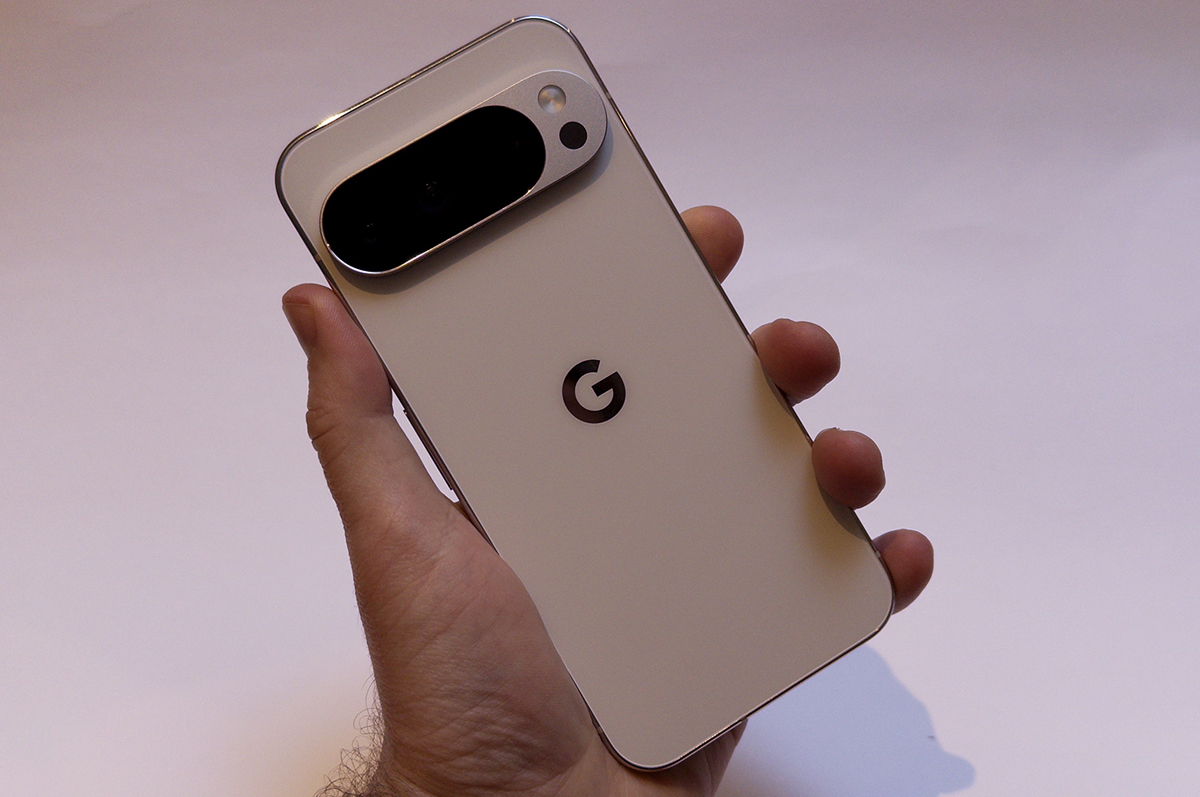
The Pixel 10 Pro XL has some ambitious ideas, but their inconsistency and unreliability make the phone feel like a minor refresh. Sure, Pixelsnap is neat, as is a slightly bigger battery, but from a hardware perspective, the Pixel 10 Pro XL is a "we put a better chipset in last year's phone" kind of update.
The Pixel 10 Pro XL is still a great option if you're after an Android flagship, especially if you care about photography. It's just easy to see how it could have been more. Magic Cue, for example, is such an enticing vision for where mobile computing could go.
It could be like your phone auto-suggesting two-factor authentication codes on steroids. Reducing friction in this way across your entire mobile experience would have been a game-changer, but in its current form, Magic Cue is simply too unreliable to make it a reason for buying a Pixel 10 Pro XL.
So in the end, what we're left with is a slightly better Pixel with big ideas it can't fully deliver on.
These are the most popular NBN 50 plans with WhistleOut users this week:
-
 Google Pixel 10 Pro XL 1TB6.8" / Android80/100
 -
 Google Pixel 10 Pro XL 512GB6.8" / Android80/100
 -
 Google Pixel 11 Pro XL 1TB6.8" / Android
 -
 Google Pixel 11 Pro XL 512GB6.8" / Android
 -
 Google Pixel 11 Pro XL 256GB6.8" / Android
 -
 Google Pixel 10 Pro 128GB6.3" / Android
 -
 Google Pixel 10 Pro 1TB6.3" / Android
 -
 Google Pixel 10 Pro 256GB6.3" / Android
 -
 Google Pixel 10 Pro 512GB6.3" / Android
 -
 Google Pixel 11 Pro 1TB6.3" / Android
 -
 Google Pixel 11 Pro 512GB6.3" / Android
 -
 Google Pixel 9 Pro XL 128GB6.8" / Android
-
 Google Pixel 11 256GB6.3" / Android
 -
Google Pixel 11 Pro XL 512GB6.8" / Android
-
Google Pixel 11 Pro XL 256GB6.8" / Android
-
 Google Pixel 9 256GB6.3" / Android
 -
 Google Pixel 11 Pro 256GB6.3" / Android
 -
 Google Pixel 10a 128GB6.3" / Android
 -
Google Pixel 10 Pro 1TB6.3" / Android
-
Google Pixel 10 Pro XL 256GB6.8" / Android80/100
-
 Google Pixel 10 128GB6.3" / Android
 -
 Google Pixel 9a 5G 256GB6.3" / Android
 -
 Google Pixel 10 256GB6.3" / Android
 -
Google Pixel 10 Pro 128GB6.3" / Android
-
Google Pixel 10 Pro 256GB6.3" / Android
-
 Google Pixel 10 Pro Fold 512GB8" / Android
 -
 Google Pixel 10a 256GB6.3" / Android
 -
Google Pixel 11 Pro 512GB6.3" / Android
-
Google Pixel 11 Pro XL 1TB6.8" / Android
-
 Google Pixel 11 Pro Fold 512GB8" / Android
 -
 Google Pixel 11 Pro Fold 256GB8" / Android
 -
Google Pixel 10 Pro 512GB6.3" / Android
-
 Google Pixel 10 Pro Fold 256GB8" / Android
 -
Google Pixel 10 Pro XL 1TB6.8" / Android80/100
-
Google Pixel 10 Pro XL 512GB6.8" / Android80/100
-
 Google Pixel 11 512GB6.3" / Android
 -
Google Pixel 11 Pro 1TB6.3" / Android
-
 Google Pixel 7a 5G 128GB6.1" / Android
 -
 Google Pixel 9 128GB6.3" / Android
 -
 Google Pixel 9 Pro 128GB6.3" / Android
 -
 Google Pixel 9 Pro 256GB6.3" / Android
 -
 Google Pixel 9 Pro Fold 256GB8" / Android
 -
 Google Pixel 9 Pro Fold 512GB8" / Android
 -
Google Pixel 9 Pro XL 128GB6.8" / Android
-
 Google Pixel 9 Pro XL 256GB6.8" / Android
 -
 Google Pixel 9a 5G 128GB6.3" / Android


