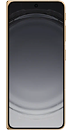
OPPO R11s Prices & Plans


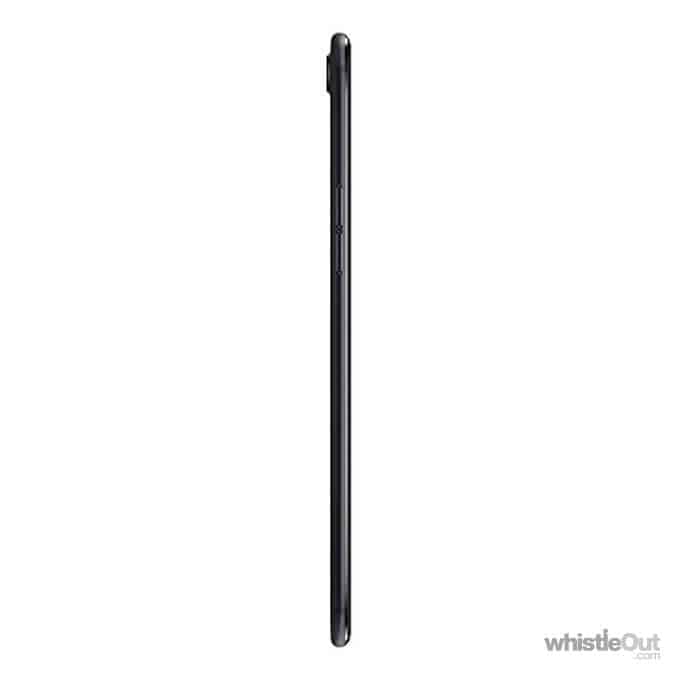
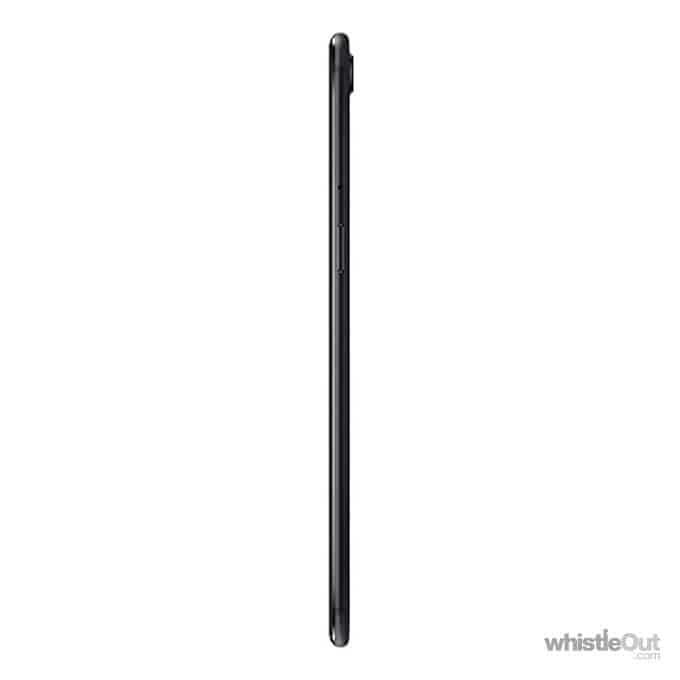

Features
- 6 inch display
- Rear Cameras: 16MP, 20MP
- Front Camera: 20MP
- Android ColorOS V3.2 Base Android 7.1
- 64GB int. memory (useable capacity will be less)
- Released in November 2017
- 4GB RAM
- View full specs
Average Score
80/100
OPPO's midyear refresh of the R11 is fresher than it has any right to be. The R11s adds newfangled features like facial ...
WhistleOut
Read our full review
Compare Plans for the OPPO R11s
 OPPO R11s


Sorry, No Results Found :(
Sorry, we were not able to find any results that match your search criteria.
OPPO R11s Specs
Display
| Type | AMOLED capacitive touchscreen |
|---|---|
| Screen Resolution | 1080 x 2160 pixels |
| Screen Size | 6 inch (15.2 cm) |
| Touch Screen | Yes |
Camera
| Front |
|
|---|---|
| Rear |
|
| Flash Type | LED |
| Video Recording | 4K/1080p/ 720p @30fps |
General
| Release Date | November 2017 |
|---|---|
| Operating System | Android ColorOS V3.2 Base Android 7.1 |
| Processor Type | Qualcomm MSM8956 Plus Snapdragon 660, Octa-core (4x2.2 GHz Kryo 260 & 4x1.8 GHz Kryo 260) |
| Processor Speed | 2.2 GHz |
| Graphics Processor Type | Adreno 512 |
| SIM Card | - |
| Battery Capacity | Not available |
| Battery Features | - |
| RAM | 4GB |
| Internal | 64GB |
| Expandable | Up to 256GB |
Physical
| Width | 75.5 mm |
|---|---|
| Height | 155.1 mm |
| Thickness | 7.1 mm |
| Weight | 153 grams |
| Material | - |
| Colours | - |
| Water and Dust Resistance | No |
Features
| Intelligence | - |
|---|---|
| NFC | No |
| GPS | Yes |
| Sensors | Accelerometer, Gyrometer |
| Audio Formats | MP3, APE, AMR, WAV, MID, OGG, FLAC, WMA |
| Video Formats | MP4, 3GP, RMVB, AVI, FLV |
Connectivity
| Maximum Data Speed | - |
|---|---|
| WiFi | 802.11 a/b/g/n/ac |
| USB | microUSB 2.0 |
| Networks | - |
| Frequencies | - |
| Headphone jack | No |
| Connectivity Features | Bluetooth |
OPPO R11s Reviews
|
Positive
|
WhistleOut Review
Alex Choros (WhistleOut) |
|---|
OPPO R11s Review

OPPO R11s Review: The Verdict
OPPO's midyear refresh of the R11 is fresher than it has any right to be. The R11s adds newfangled features like facial recognition and an "all screen" display while maintaining its predecessor's performance, battery life, and value.
What we love
- Good facial recognition
- Excellent display
- Great value
- Two-day battery life
What could be improved
- OPPO's take on Android can be frustrating
- Last year's zoom lens is gone
- Lowlight photography
is hit and miss - No water resistance
80/100
What's the OPPO R11s?
On paper, the OPPO R11s is a six-month refresh of last year's R11. In reality, it's a surprisingly different phone. The names might be similar, but the R11s has a new display, a new rear-facing camera configuration, and facial recognition.
There's some familiarity here - and most of the R11s' internals are identical to its predecessor's - but this doesn't stop it from feeling new. Maybe OPPO should have called it the R13. Well, R15 to avoid superstition.
Key specifications for the R11s include a 6-inch 1080p+ display, an eight-core Snapdragon 660 processor, 4GB of RAM, 64GB of expandable storage, a 3,200mAh battery, and a dual rear-camera configuration made up a 16MP lens and a 20MP lens.
What's good about the OPPO R11s?
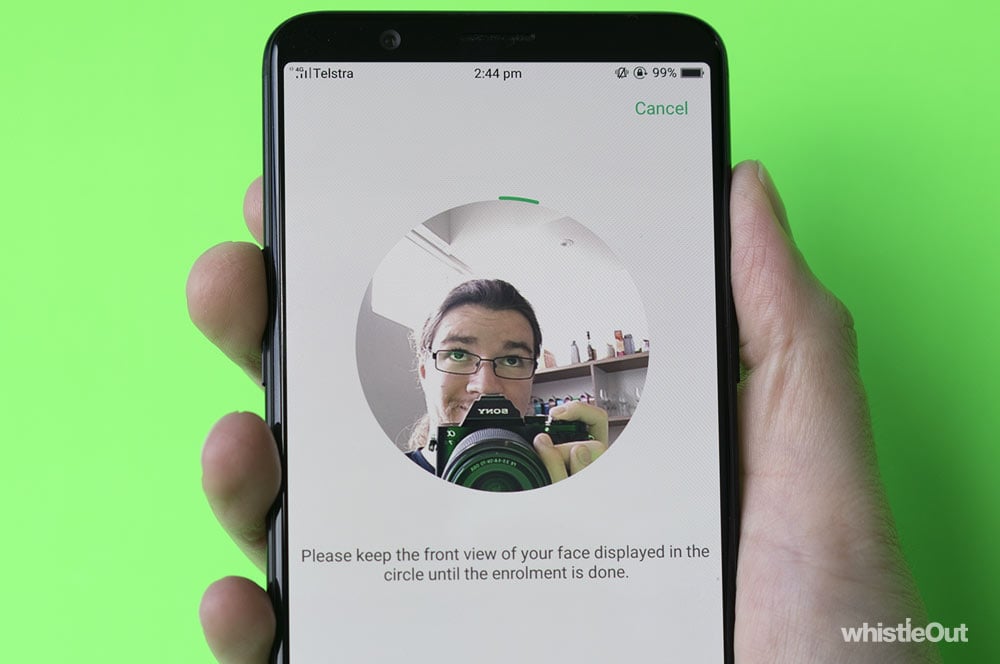
Facial recognition will almost certainly be one of the "big new features" popping up in smartphones this year, and OPPO's seems committed to it across its entire product line. Even the cut-price A73 features the tech.
The R11s' facial recognition is a little more seamless than that found in OPPO's budget offering, partly thanks to its "raise to wake" functionality. Picking up the phone will cause it to start looking for your face; in good lighting, just lifting the R11s will unlock it instantly.
Of course, the R11s' $659 price-point does however mean the technology isn't quite as sophisticated as what you'll find in Apple's iPhone X. Beards, hats, heavy makeup, and glasses may effect accuracy. I registered my face without my glasses, and was able to unlock the R11s while wearing them. Sunglasses stumped the tech, though.
Lowlight environments impact the speed at which the R11s unlocks, but the screen seems to illuminate your face enough to help facial recognition kick in.
Importantly, OPPO says its facial recognition implementation isn't as secure as using a PIN or a fingerprint. The phone explicitly states that it could be unlocked by someone with a similar appearance, or even "objects shaped like you". I'm not quite sure what constitutes an "Alex shaped object", but simply using a photo wasn't enough to fool the phone's facial recognition.
While the R11s' facial recognition isn't perfect, it works well, and if you don't like it, you don't have to use it. OPPO has kept the fingerprint reader, or you can always use a PIN.

An extra-tall 18:9 display - complete with minimal bezels - is the R11's other big, new feature. Given the display takes up over 85% of the phone's front, it's lucky that it's a high quality screen. You get rich, vibrant colours, and enough brightness to handle direct sunlight reasonably well, which is a step up from OPPO's previous R-series offerings.
6-inches might seem like a big step up from 5.5-inches, but the R11s is almost identical in size to last year's R11. Heavily tapered edges make a return, making the phone feel thinner than it is, and in turn, easier to use with one hand. You might need to readjust your grip or use a second hand to reach the top of the very tall screen, but most day to day functionality is achievable one-handed.

One smartphone trend OPPO has avoided is the move to glass backs; other than the screen, the R11s is all aluminium. Aluminium might not be "premium" anymore, but it certainly is practical - it's always nice having one less surface you can shatter. And thanks to top notch build quality, it's hard to call the phone anything but a polished piece of kit.
The R11s' battery should last two days between charges; I found I typically had over 50% left at the end of my first day. This is partly thanks to aggressive battery management that entirely freezes certain apps once you return to the home screen. In most cases, the R11s is smart enough to not freeze apps that you actually want running - chat apps, for example - but I found I had manually whitelist a couple to prevent notifications from being delayed.
You might also need to "lock" these apps in the multi-tasking menu (the square button) to prevent the system from automatically shutting them down. You can do this by dragging down on the app in this pane.
In terms of performance, the R11s isn't quite "flagship fast", but it comes close; it's easily one of the zippiest phones in the midrange tier. Day-to-day performance is silky smooth, but you might notice a bit of extra wait time when it comes to more resource intensive applications (games, for example).

The R11s' camera setup is a bit weird, to say the least. While last year's phone had a primary lens and a zoom lens, the R11s has two similar lenses. OPPO says the secondary lens is optimised for lowlight performance, and camera app will automatically swap between the two lenses depending on how bright or dark your surrounding environment is. You won't notice the R11s going between the two, and there's actually no way to manually pick which camera you shoot with.
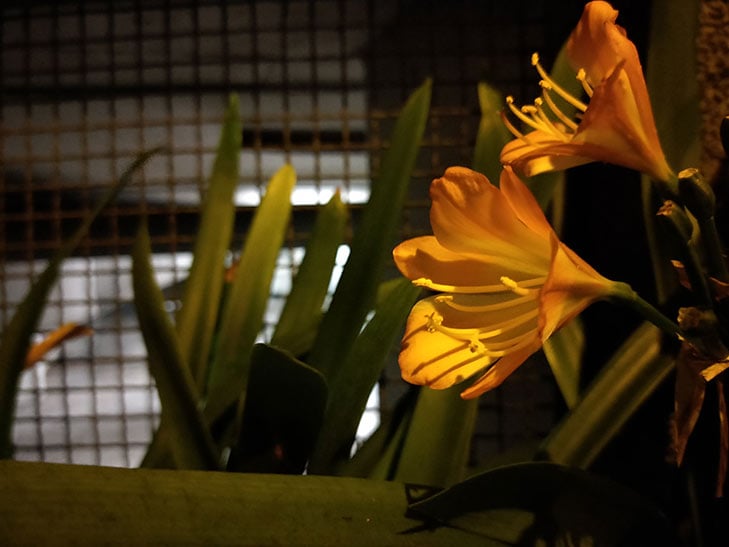
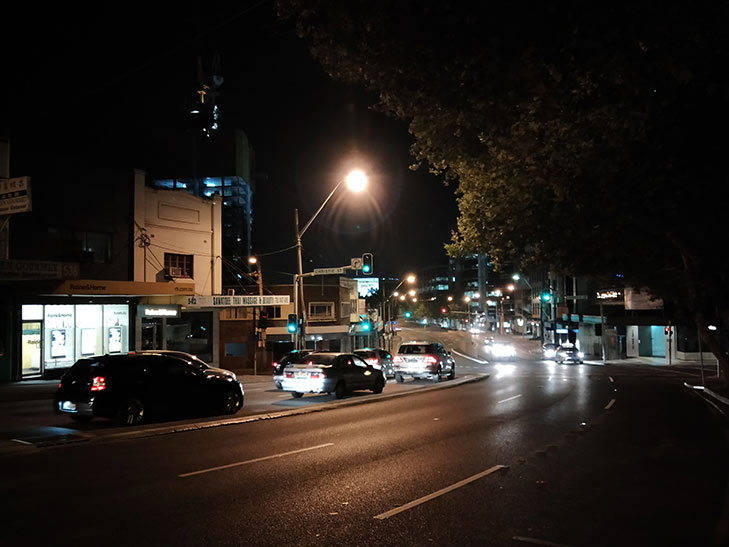
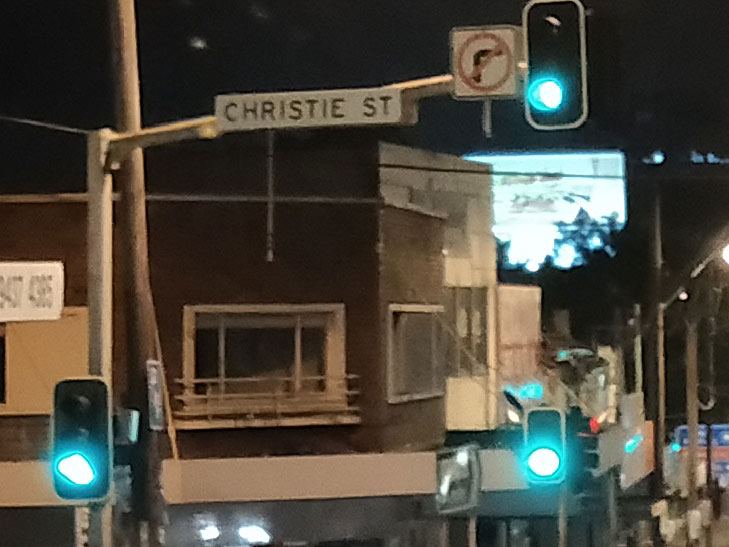
Despite this, we found lowlight photography could still be very hit and miss, and didn't provide tangible improvements over last year's model. Photos were brighter on the whole, but less clear. The results certainly aren't bad for a phone in the R11s' price bracket, but axing the zoom lens for a lowlight lens was a gambit that didn't quite pay off. Any improvements to lowlight photography are marginal at best, but the R11's zoom lens was a genuinely useful addition.
Lowlight photography is also very prone to motion blur, but the R11s' camera app has a more granular manual camera mode. You're able to dial your shutter speed to as fast as 1/8000 this time around (the R11 limited you to one second or slower), which can help prevent motion blur, but you'll need to crank your ISO to compensate. This, in turn, results in grainier images.
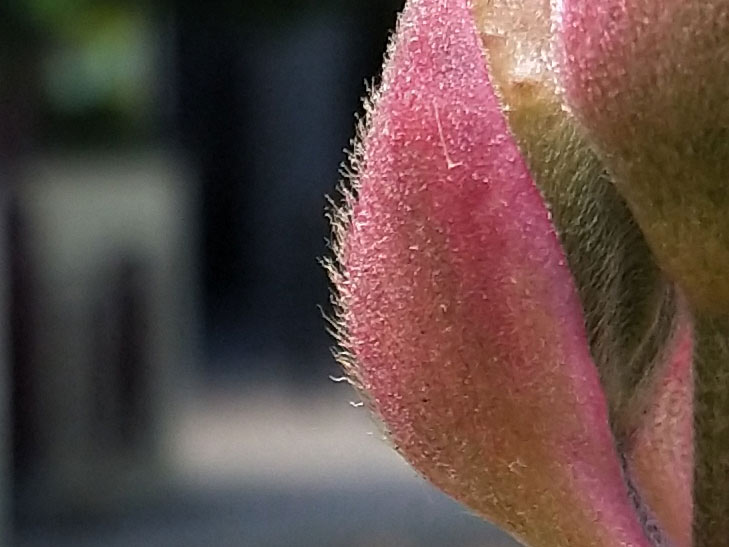
The biggest benefit of the R11s' secondary lens is portrait mode. The two cameras are used in tandem to get a better sense of depth, which is then used to blur the background behind your subject. As the name suggests, this works best when shooting portraits, but it can still handle other objects, provided the shape isn't too complex.
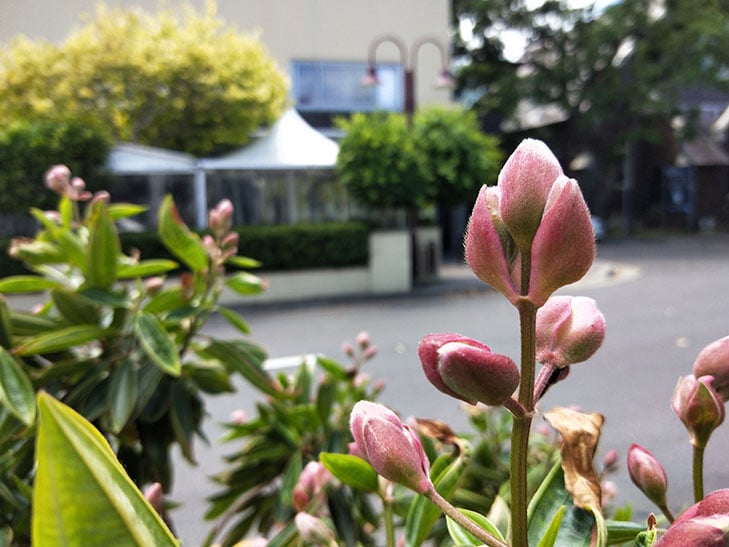
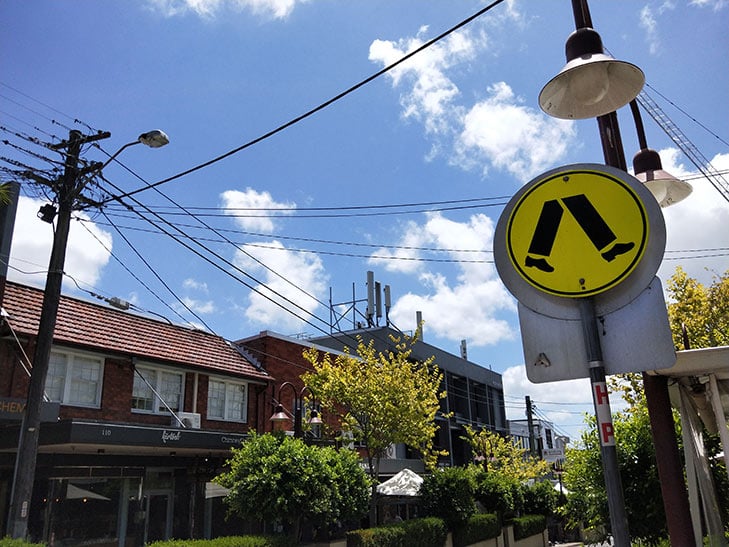
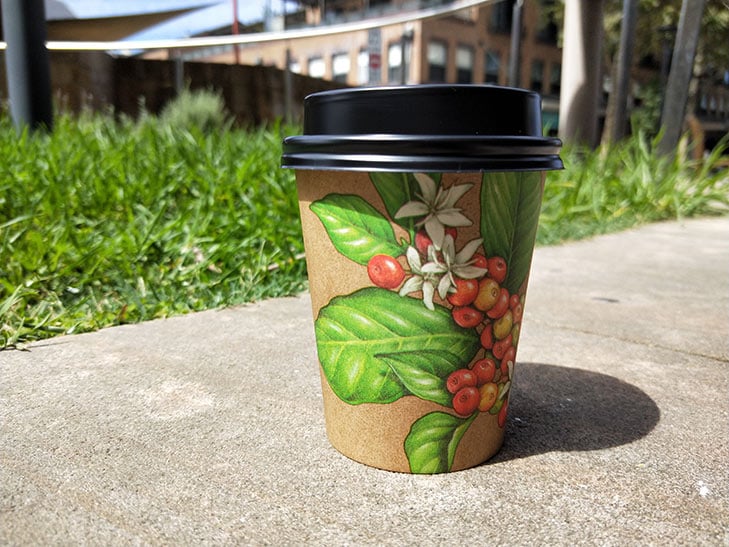
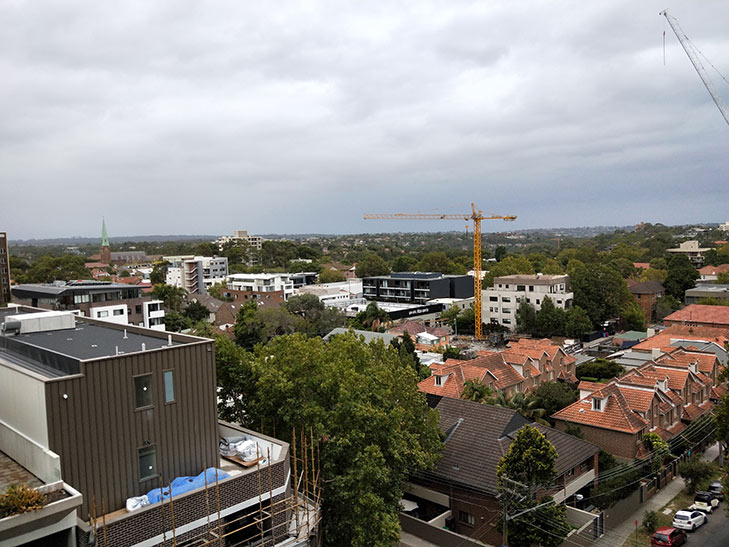
While lowlight photography can be hit and miss, the R11s' camera does a great job in most other situations. It has a lovely depth of field, a nice amount of dynamic range, and handles harsh light well so that you don't end up with blown out skylines or underexposed subjects.

What's not so good about the OPPO R11s?
OPPO's heavily customised take on Android - ColorOS - is our main bugbear with the R11s. ColorOS has become a reasonably polished software offering, but it doesn't quite work how you'd expect Android to. In some cases - like the aforementioned "locking apps in place" - this is a case of learning, in others, it's a red flag.
ColorOS takes a great deal of inspiration from Apple's iOS iPhone operating system. There is no app drawer - all installed apps appear on your home screens - and OPPO has essentially replicated the iOS Control Centre interface for quick settings.
Instead of swiping down from the top of the screen to find settings like Wi-Fi, Bluetooth, and screen brightness, you'll need to swipe up instead. This is the norm on on iOS devices (other than the iPhone X), but Android veterans might find it a bit weird. Unless you've got a philosophical opposition to all things Apple, you can learn to live with it.

The potential deal-breaker is ColorOS' approach to app management; it's very insistent on you using OPPO's default software. Changing my default messaging app was literally impossible, for example.
Opening a third party messaging app would give me the option to set it as my default, but the R11s would provide a "helpful hint" that told me the phone had reverted to the OPPO app whenever I tried to send a text. OPPO's default messaging app works perfectly well, it's just that choice has always been one of Android's core tenements.
This is an issue the R11s shares with the A73. When we asked about it, an OPPO spokesperson told us that it's a security precaution, and that the company will look to vet third-party apps.
"OPPO takes users security very seriously and always look to ensure their safety. However, it is working to allow third-party applications to be enabled as default apps once it has vetted and ensured they are secure for users."
In terms of other, lesser omissions, the R11s doesn't support NFC. This won't be a huge deal for everyone, but it does mean you can't use it for contactless payments with Google Pay. There's no water-resistance, which is slowly becoming more common at this price point. And lastly, the phone's screen doesn't have any oleophobic coating, so smudges and fingerprints are a bit more noticeable.

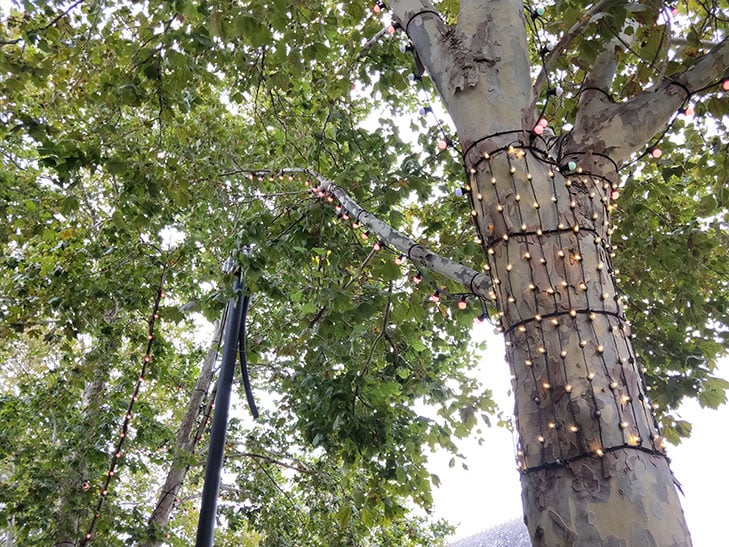
OPPO R11s camera samples




Who's the OPPO R11s for?
The OPPO R11s continues to reinforce OPPO's reputation as one of the best bang-for-buck smartphone manufacturers around. You get a premium display matched with a premium design, speedy facial recognition, 64GB of storage, and a two-day battery life for $659. It's an excellent value proposition.
OPPO's take on Android can be a little off putting if you're a long term Android user and there's still room for improvement with lowlight photography, but neither issue prevents the R11s from being a good device. If you're after a phone around the $600 to $700 mark, put the OPPO R11s on your shortlist.
What else can I buy?

OPPO R11
The R11s' predecessor - the OPPO R11 - is still in stores, and is still a great choice. You might not get the fancy display or facial recognition, but you get a zoom lens in return. The R11 has the same great hardware under the hood, the same great feel, and you should be able to find a great deal on one now that it's been "succeeded".
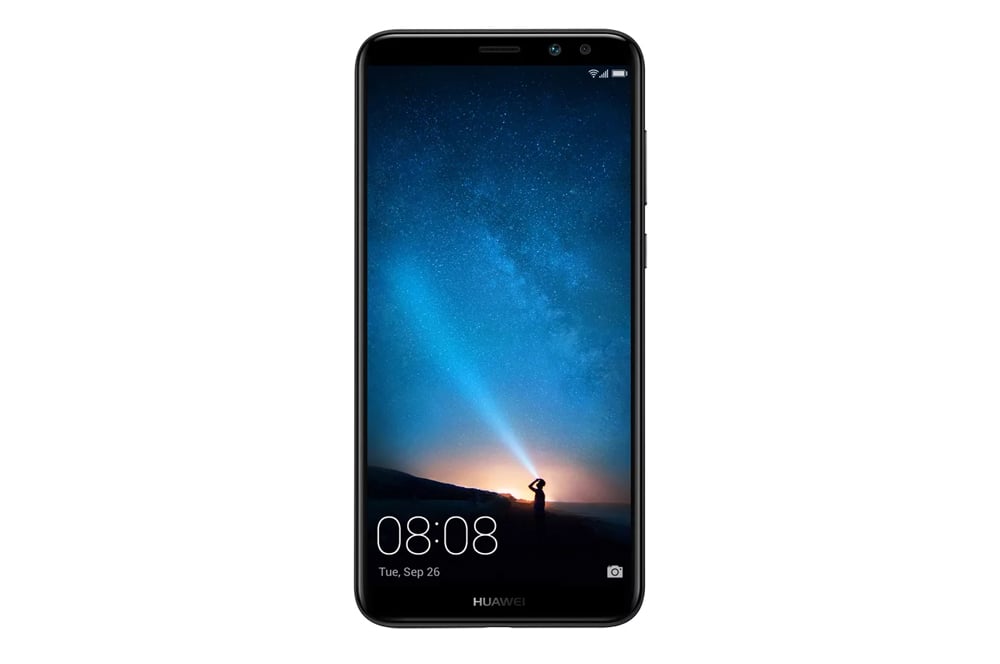
Huawei Nova 2i
Huawei's Nova 2i also touts an 18:9 "all screen" display, but comes in a slightly cheaper price point. If you're not a fan of OPPO's take on Android, Huawei's is a little easier to customise. There's no facial recognition though, and the rear-facing camera is a little worse.
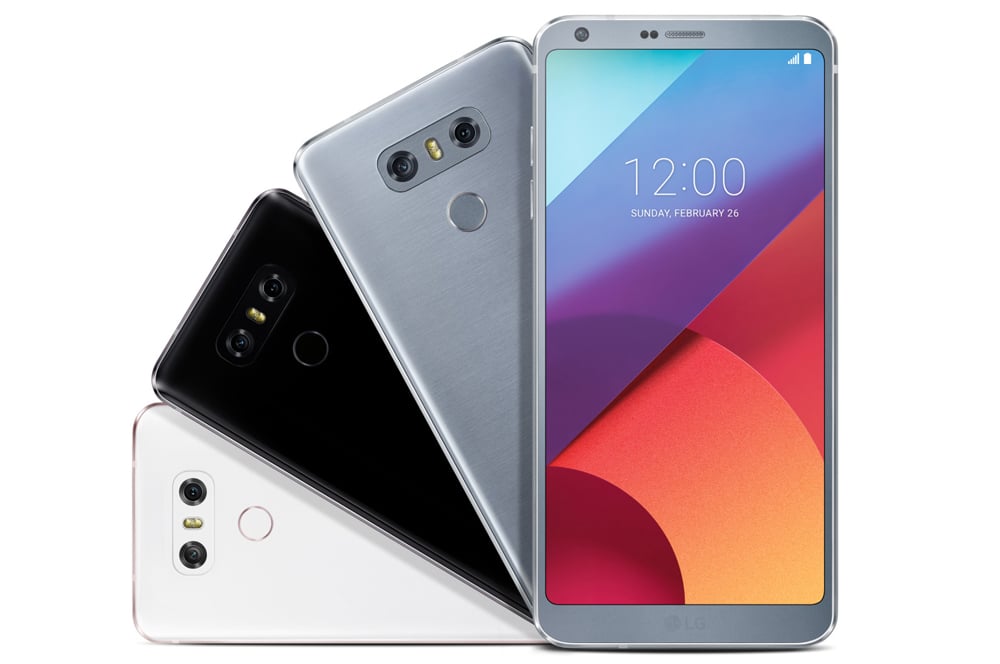
LG G6
If you're after an affordable water-resistance smartphone with an 18:9 form-factor, it's worth considering LG's G6. While the G6 was LG's first flagship smartphone for 2017, it's now readily available for as little as $699.
-
 Samsung Galaxy A33 5G6.4" / Android
 -
 Motorola Moto G35 5G6.7" / Android
 -
 Motorola Moto G57 5G6.7" / Android
 -
 Samsung Galaxy A15 5G6.5" / Android
 -
 Samsung Galaxy A16 5G6.7" / Android
 -
 Samsung Galaxy A17 5G6.7" / Android
 -
 Samsung Galaxy A56 5G6.7" / Android
 -
 Motorola Razr 406.9" / Android
 -
 Motorola Moto edge 50 Fusion 5G6.7" / Android
 -
 Samsung Galaxy A34 5G6.6" / Android80/100
 -
 Motorola Razr 40 Ultra6.9" / Android
 -
 Samsung Galaxy A35 5G6.6" / Android85/100